Spider Lily (Hymenocallis fragrans)

Hymenocallis fragrans, a Spider Lily, is a striking bulbous perennial with fragrant, white, spider-like flowers and glossy, strap-like leaves. Ideal for moist gardens.

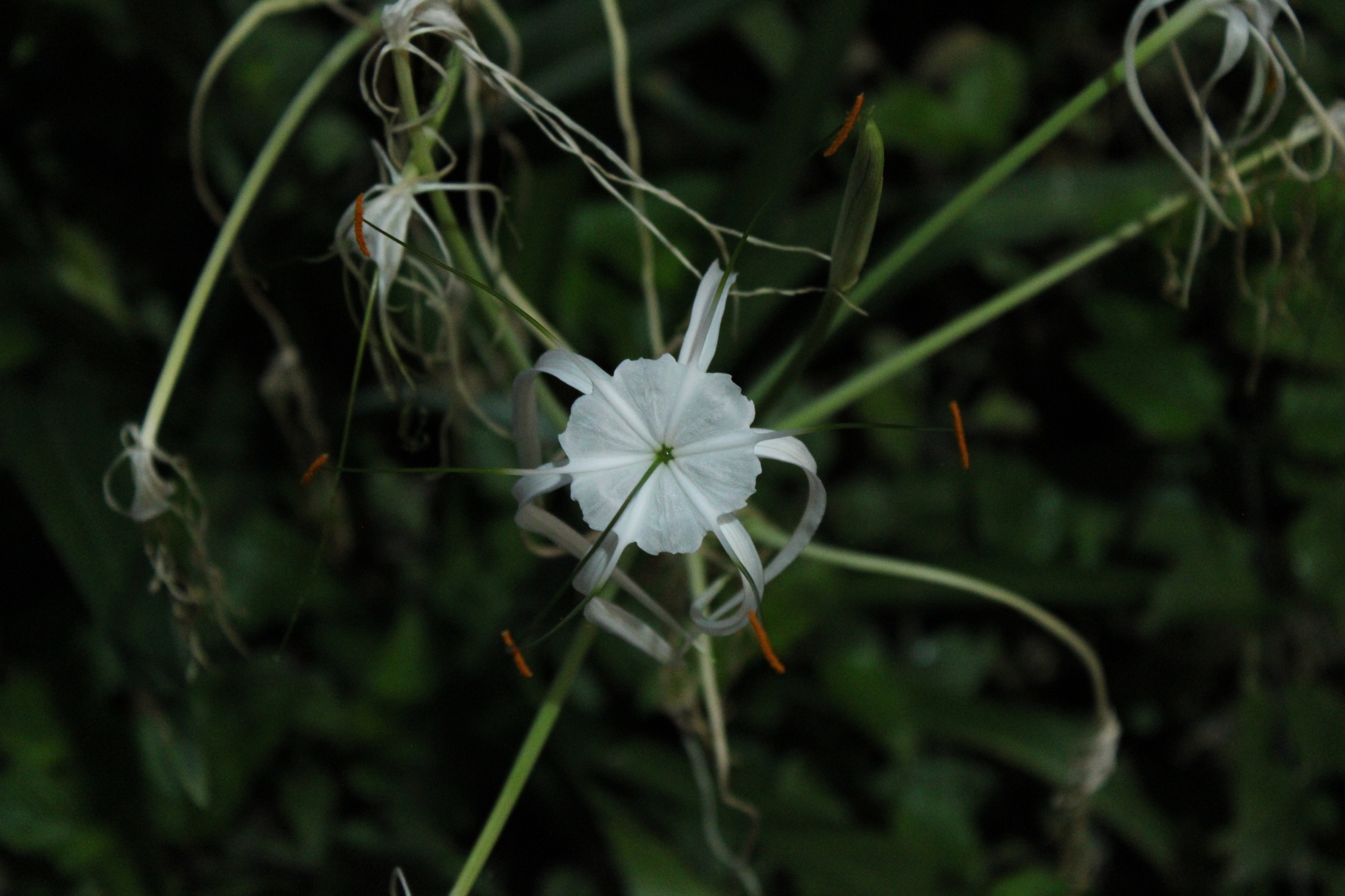
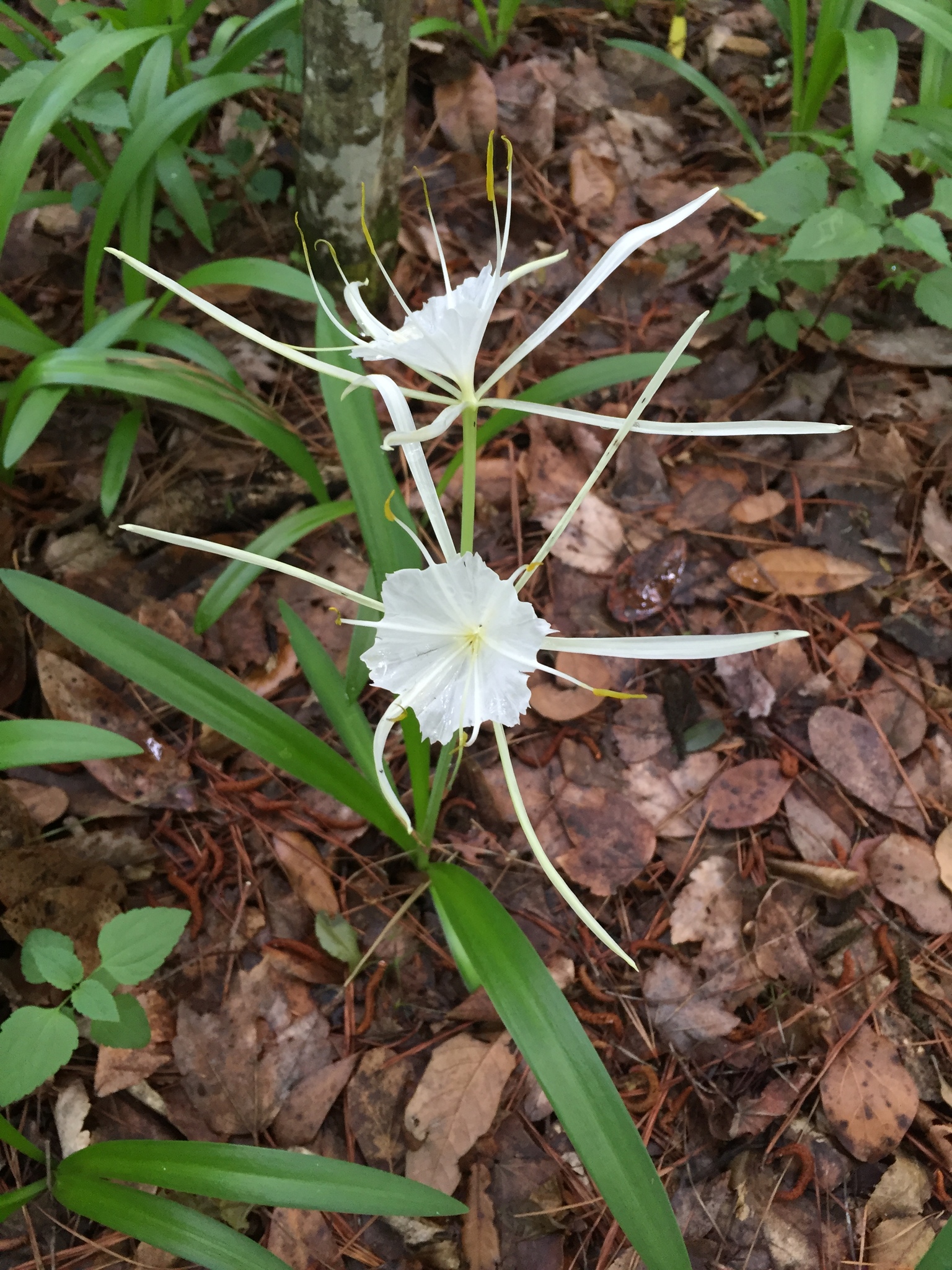
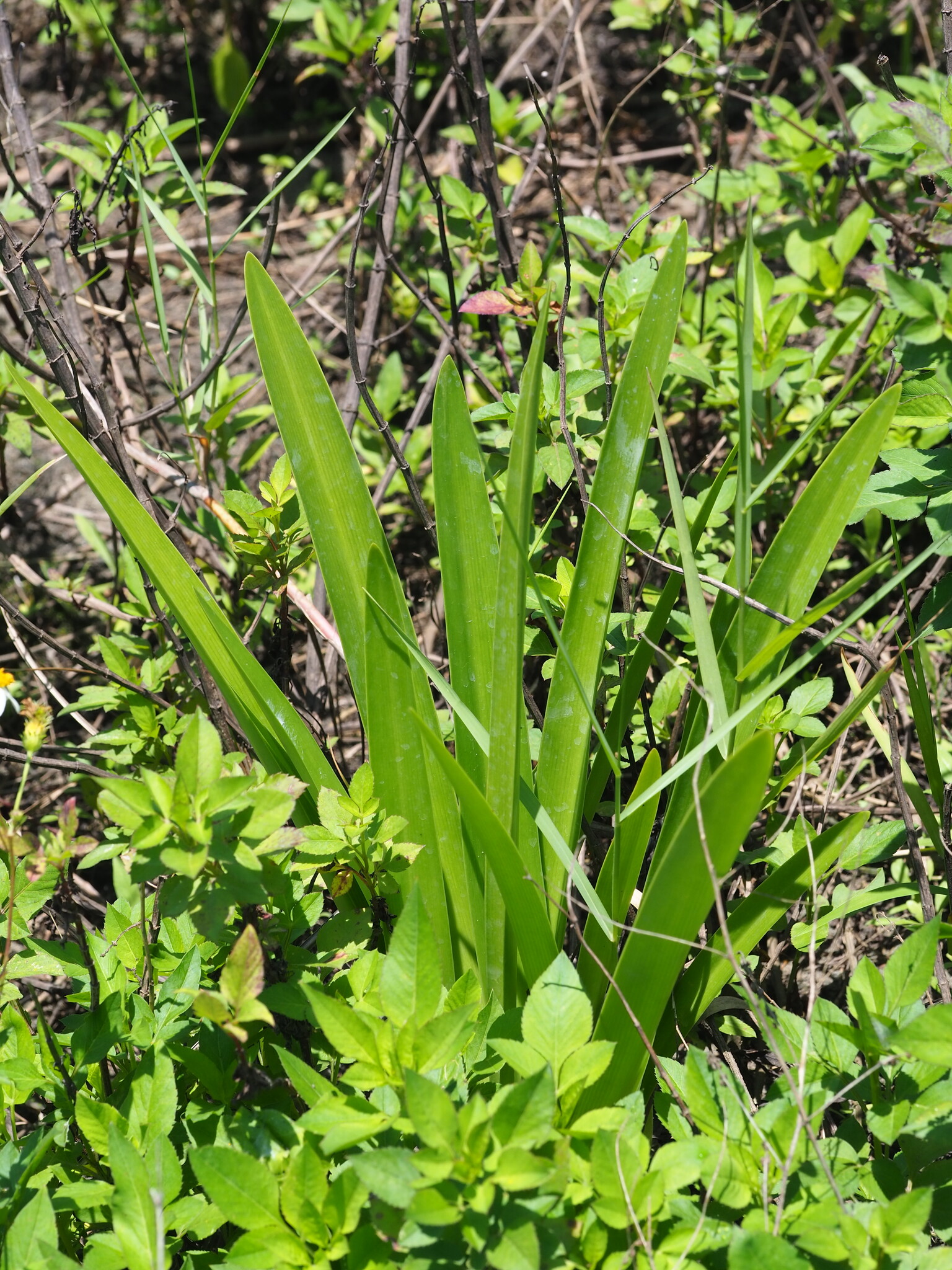
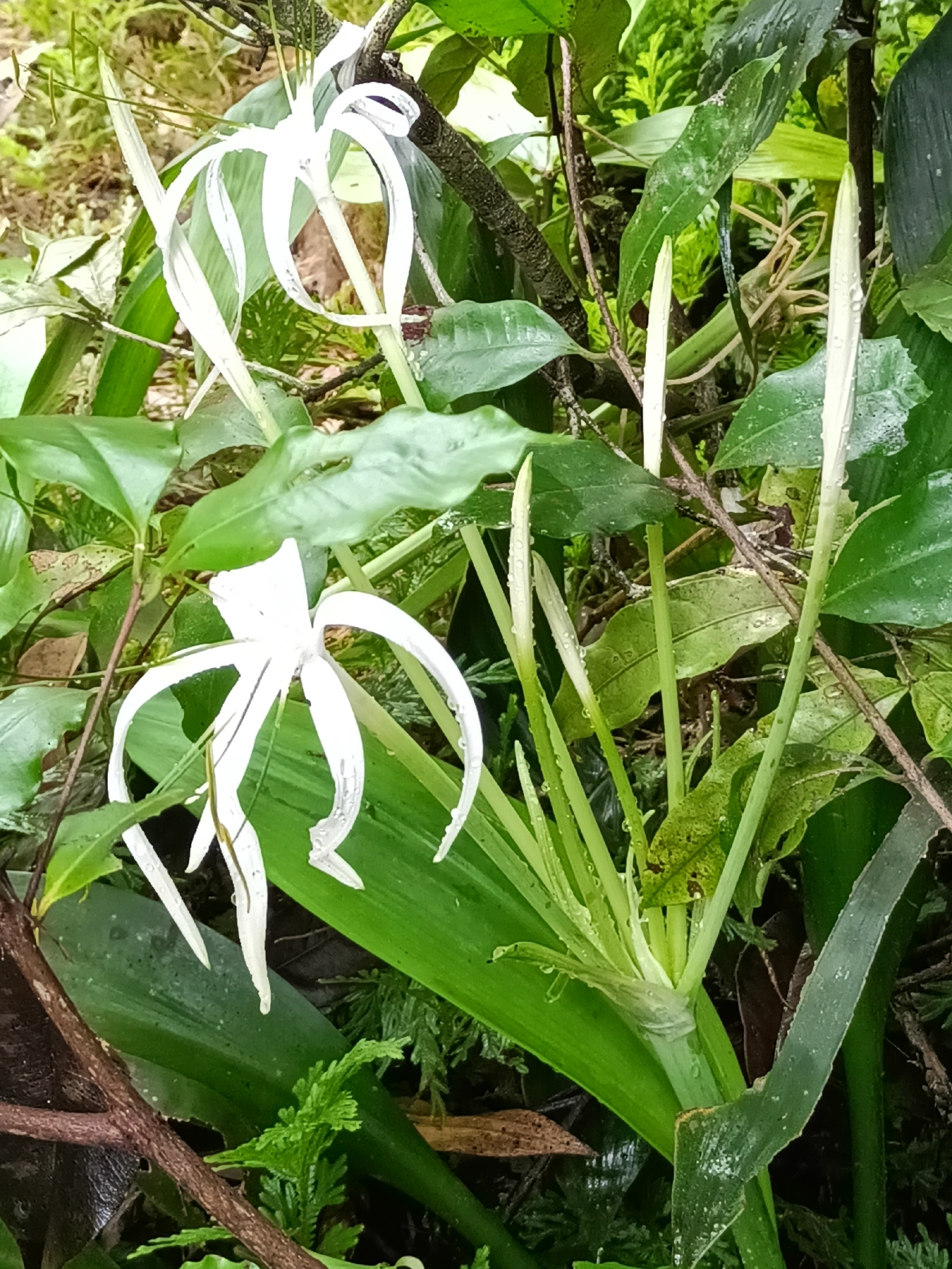
Hymenocallis fragrans, commonly known as the Spider Lily, is an elegant bulbous perennial celebrated for its striking floral displays. This species belongs to the Amaryllidaceae family, a group renowned for its ornamental members. The Spider Lily is a distinctive plant, often cultivated for its aesthetic appeal in gardens and as a striking cut flower. The plant typically grows from a bulb, forming clumps of basal leaves. The leaves of Hymenocallis fragrans are generally strap-like, lanceolate, and a deep green color, often with prominent parallel venation. They emerge directly from the bulb and can reach a considerable length, contributing to the plant's lush appearance. The most captivating feature of Hymenocallis fragrans is its inflorescence. The flowers are borne on tall, leafless scapes that rise above the foliage. Each flower is characterized by long, narrow, white tepals that arch backward, resembling spider legs, hence the common name. These tepals surround a prominent central corona, which is often fused at the base. The flowers are typically fragrant, adding an olfactory dimension to their visual appeal. Following successful pollination, the plant may produce a capsule containing seeds, though seed production is not always a prominent feature in cultivation. Hymenocallis fragrans is native to specific regions, thriving in its natural habitat under particular environmental conditions. It is typically found in moist, well-drained soils, often in coastal areas or near water bodies. In cultivation, it prefers a sunny to partially shaded location and requires consistent moisture, especially during its active growth period. While it can tolerate a range of soil types, good drainage is crucial to prevent bulb rot. The plant is generally hardy in warmer climates but may require protection or overwintering indoors in regions with freezing temperatures. The primary significance of Hymenocallis fragrans lies in its ornamental value. Its unique flower structure and often fragrant blooms make it a sought-after plant for landscape design, container gardening, and as a specimen plant. The long-lasting flowers also make it an excellent choice for floral arrangements. Beyond its horticultural appeal, there is limited scientifically documented information regarding other significant biological, ecological, or economic uses for this specific species. An interesting characteristic of Hymenocallis fragrans is its adaptation to its native environment, often found in areas that experience seasonal wetness. The bulbous nature allows it to store resources and survive periods of drought or less favorable conditions. The intricate structure of its flowers suggests a specialized pollination strategy, likely involving nocturnal or crepuscular pollinators attracted by its fragrance and form. The genus Hymenocallis, as a whole, showcases remarkable diversity in floral morphology, with each species exhibiting unique adaptations and aesthetic qualities.

Above information is sourced from Wikipedia

Sunlight

Bright Indirect

Watering

Moderate

Soil

Well-drained, fertile soil

Temperature

Moderate

Fertilizer

Moderate

Care Requirements

Light

Bright Indirect

Prefers bright, indirect sunlight. Can tolerate some direct morning sun but avoid harsh afternoon sun.

Watering

Moderate

Keep soil moist but not waterlogged during growth; reduce in dormancy.

Soil

Well-drained, fertile soil

Temperature

Moderate

Thrives in temperatures between 18-24°C during the growing season. Can tolerate slightly cooler temperatures in winter dormancy.

Fertilizer

Moderate

Feed with a balanced liquid fertilizer diluted to half strength monthly during the growing season.

Plant Overview

Plant Category

Ornamental

Plant Place Type

Garden, Pot

Lifespan

Perennial

Plant Height

0.6 - 1.0 m

Spread

0.3 - 0.5 m

Growth Rate

Moderate

Dormancy

None

Leaf Color

Green

Leaf Type

Strap-like

Flower Size

10 - 15 cm

Optimal Sunlight Lux

60000

Image Gallery

Flowering & Fruiting Cycles

Monthly activity intensity for bloom and fruit across both hemispheres.

Northern hemisphere

Flowering & fruiting calendar

Peak bloom · JunPeak fruit · Aug
FloweringFruiting
02468JanFebMarAprMayJunJulAugSepOctNovDecActivity intensityMonths86
Southern hemisphere

Flowering & fruiting calendar

Peak bloom · DecPeak fruit · Dec
FloweringFruiting
02468JanFebMarAprMayJunJulAugSepOctNovDecActivity intensityMonths86
Synonyms
Pancratium fragrans Salisb.
Taxonomy
  • kingdomPlantae
  • divisionTracheophyta
  • classLiliopsida
  • orderAsparagales
  • familyAmaryllidaceae
  • genusHymenocallis
  • speciesHymenocallis fragrans
Toxicity

Toxic for humans

Yes

Rating: 5/5

Toxic for pets

Yes

Rating: 5/5

Edible

No

Toxic if ingested

Additional Care Tips

Keep soil consistently moist during the growing season, but avoid waterlogging. Reduce watering significantly during dormancy in winter, allowing the soil to dry out between waterings. Ensure good drainage to prevent root rot.

Remove spent flower stalks immediately after blooming to encourage further flowering and prevent seed formation. Trim away any yellowing or dead foliage as needed to maintain a tidy appearance. Avoid heavy pruning.

Easily propagated by bulb offsets or 'daughter' bulbs. Separate these from the parent bulb during repotting. Plant them individually in well-draining potting mix and water lightly.

Repot every 2-3 years, or when the pot becomes crowded, typically in spring before new growth begins. Use a well-draining potting mix. Handle bulbs gently to avoid damage. Choose a pot that allows for some root expansion.

FAQs

What are the ideal growing conditions for Hymenocallis fragrans?

Hymenocallis fragrans thrives in full sun to partial shade and prefers consistently moist, well-drained soil. It also tolerates waterlogged conditions.

When does Hymenocallis fragrans bloom?

This Spider Lily typically blooms in summer, producing its fragrant white flowers.

Is Hymenocallis fragrans toxic to pets?

Yes, all parts of Hymenocallis species, including Hymenocallis fragrans, are toxic to cats and dogs due to the presence of lycorine and other alkaloids.

How do I propagate Hymenocallis fragrans?

Propagation is primarily done by dividing the bulbs when they are dormant or by planting seeds after they have matured.

Can Hymenocallis fragrans be grown indoors?

While it prefers outdoor conditions, Hymenocallis fragrans can be grown indoors in a bright location, provided it receives adequate moisture and good light.