Skip to plant details

Prickly SowthistleSonchus asper

Also known as Native Sow-Thistle · Native Sowthistle · Perennial Sowthistle

  • Category: Vegetable
  • Type: Herb
  • Sunlight: Full Sun
  • Water: Moderate
  • Temperature: Moderate

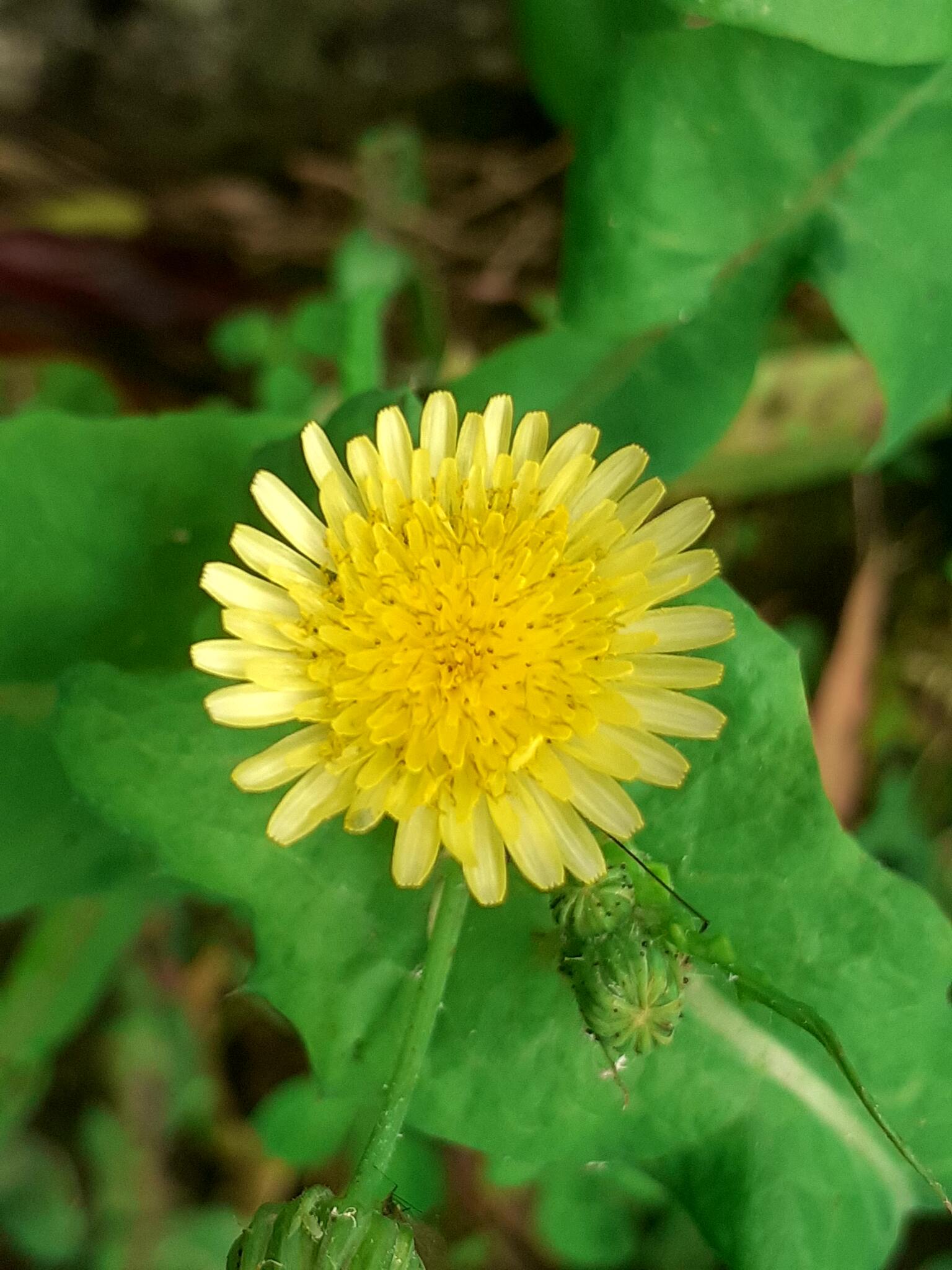
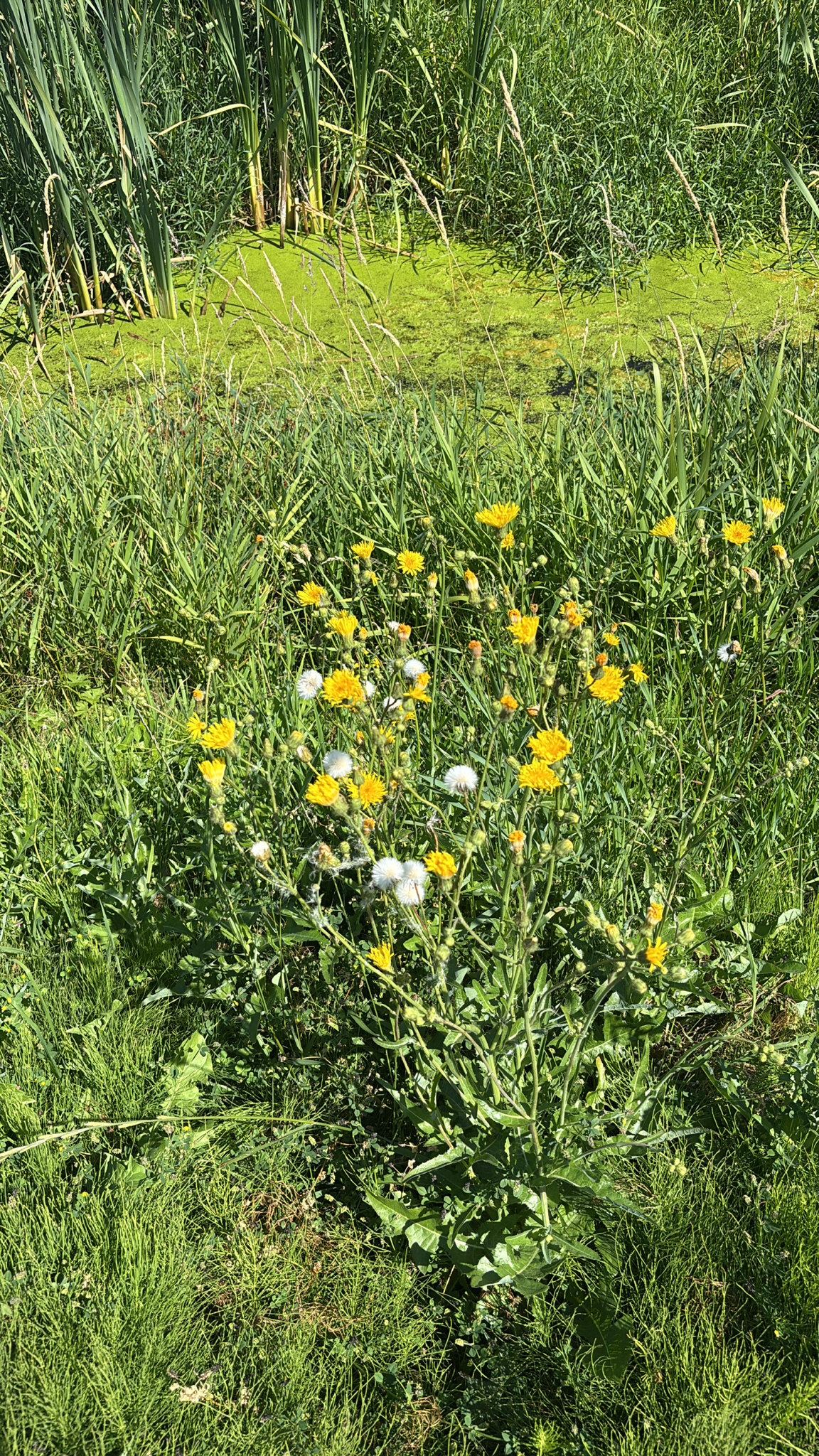
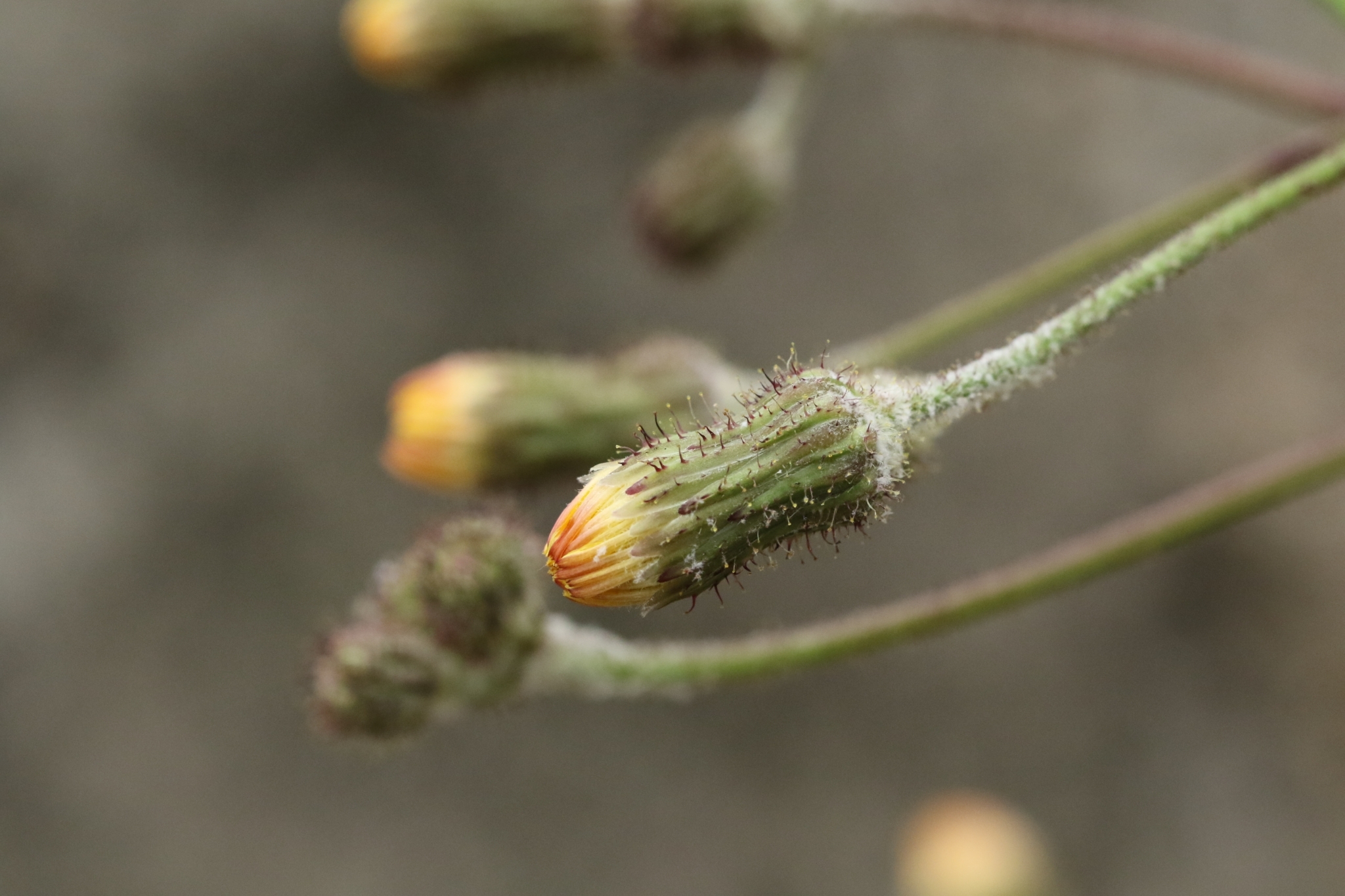
Prickly sowthistle (Sonchus asper) is an annual herb with spiny leaves and yellow, dandelion-like flowers. It's often considered a weed but has some historical medicinal

Photograph © Michelle W. (鍾偉瑋) · CC-BY

Prickly Sowthistle Care Summary

At-a-glance light, water, soil, and growing conditions from plant data

Light

Full Sun

100% intensity

Prefers at least 6 hours of direct sunlight daily.

Water

Moderate

50% intensity

Keep soil consistently moist but avoid waterlogging.

Soil

Well-drained

50% intensity

Temperature

Moderate

50% intensity

Thrives in temperatures between 15-25°C.

Fertilizer

Low

25% intensity

Minimal fertilization required, a light feed in spring is adequate.

Prickly Sowthistle Toxicity

Safety information from plant toxicity data

Toxicity details for Prickly Sowthistle
AttributeValue
Toxic for humansNo

0/5 intensity

Toxic for petsNo

0/5 intensity

EdibleYes

Generally considered non-toxic to humans and pets, with young leaves being edible.

Prickly Sowthistle Quick Facts

Key traits and growing stats from plant data

Plant Type
Herb
Plant Category
Vegetable
Plant Place Type
Garden, Pot
Lifespan
Annual
Plant Height
0.2-1.0m
Spread
0.1-0.5m
Growth Rate
Fast
Dormancy
None
Leaf Color
Green
Leaf Type
Lobed
Flower Size
1.5-2.5 cm
Optimal Sunlight Lux
60000
Weed Status
Yes

Care guide for Prickly Sowthistle

Watering, pruning, propagation, and repotting details from plant data

Water

Water prickly sowthistle regularly, especially during dry periods, ensuring the soil remains consistently moist but not waterlogged. Allow the top layer of soil to dry slightly between waterings to prevent root rot.

In very hot weather, more frequent watering may be necessary to maintain optimal soil moisture.

Pruning

Pruning prickly sowthistle is primarily focused on managing its spread and removing spent flower stalks. Cut back stems after flowering to prevent unwanted seed production.

Remove any dead or damaged foliage to maintain plant health and appearance. This also encourages bushier growth.

Propagation

Prickly sowthistle readily self-seeds, making propagation simple. Seeds can be collected from mature plants and sown directly into the garden in autumn or early spring.

Alternatively, sow seeds indoors a few weeks before the last expected frost. Division of established clumps is also possible.

Repotting

Repotting is not typically necessary for prickly sowthistle as it is often grown as an annual or self-seeding perennial and can spread aggressively. If grown in containers and it becomes root-bound, repot in spring to a slightly larger container with fresh, well-draining potting mix.

Identify plants like this with ePlant

Snap a photo to get care tips and match similar species on the go.

Try for Free

Flowering & Fruiting Cycles

Monthly activity intensity for bloom and fruit across both hemispheres.

Northern hemisphere

Flowering & fruiting calendar

Peak bloom · JulPeak fruit · Jul
FloweringFruiting
02468JanFebMarAprMayJunJulAugSepOctNovDecActivity intensityMonths1010
Southern hemisphere

Flowering & fruiting calendar

Peak bloom · JanPeak fruit · Feb
FloweringFruiting
02468JanFebMarAprMayJunJulAugSepOctNovDecActivity intensityMonths1010

Prickly Sowthistle Names & Synonyms

Common names and botanical synonyms

Common Names

  • Native Sow-Thistle
  • Native Sowthistle
  • Perennial Sowthistle
  • Pprickly Sow-Thistle
  • Prickly Annual Sow-Thistle
  • Prickly Sow-Thistle
  • Prickly Sowthistle
  • Rough Milk Thistle
  • Rough Sow Thistle
  • Rough Sowthistle
  • Sharp-Fringed Sow Thistle
  • Sow Thistle
  • Spiny Annual Sow-Thistle
  • Spiny Milk Thistle
  • Spiny Milkthistle
  • Spiny Sow Thistle
  • Spiny Sowthistle
  • Spiny-Leaf Sow Thistle
  • Spiny-Leaf Sow-Thistle
  • Spiny-Leaf Sowthistle
  • Spiny-Leaved Sow Thistle
  • Spiny-Leaved Sow-Thistle

Prickly Sowthistle Taxonomy

Botanical classification

Taxonomic classification of Prickly Sowthistle
RankName
kingdomPlantae
divisionTracheophyta
classMagnoliopsida
orderAsterales
familyAsteraceae
genusSonchus
speciesSonchus asper

Prickly Sowthistle FAQs

Answers based on plant encyclopedia data

What are the characteristics of prickly sowthistle?

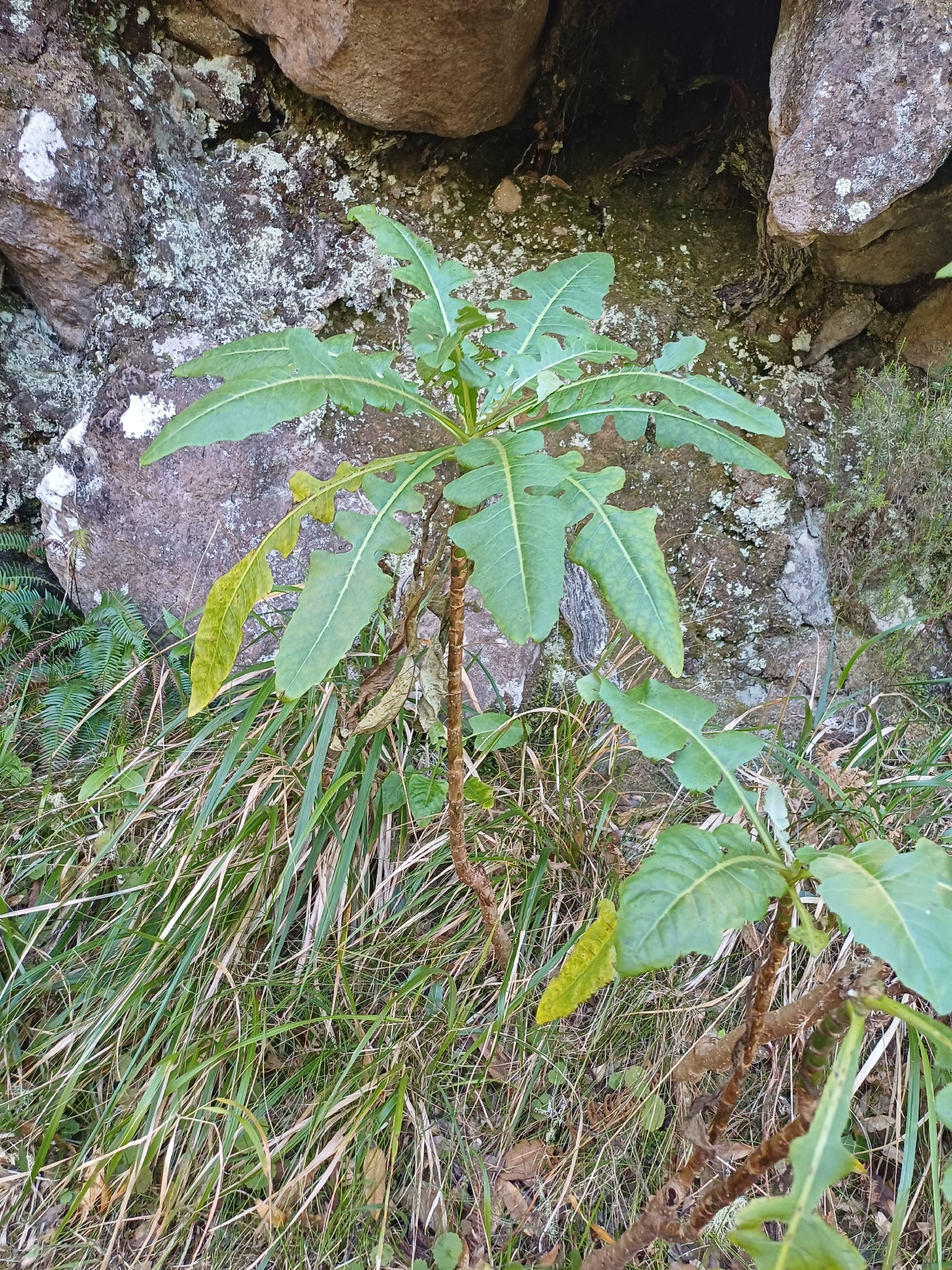
Prickly sowthistle (Sonchus asper) is an annual plant typically growing 30-100 cm tall. It has spiny, toothed leaves that clasp the stem and produces bright yellow, daisy-like flower heads in summer.

Is prickly sowthistle considered a weed?

Yes, prickly sowthistle is widely considered a weed, especially in agricultural fields and gardens, due to its rapid growth and prolific seed production.

How can prickly sowthistle be controlled?

Control typically involves manual removal of the plant before it sets seed. Repeated cultivation or the use of herbicides may also be necessary in heavily infested areas.

Does prickly sowthistle have any edible uses?

The young leaves can be eaten, either raw in salads or cooked like spinach, though their prickly nature makes them less appealing than other edible weeds.

What is the scientific classification of prickly sowthistle?

Sonchus asper belongs to the family Asteraceae, which also includes daisies and sunflowers. It is in the tribe Cichorieae, commonly known as the chicory tribe.