Skip to plant details

Stalked BulbineBulbine frutescens

Also known as Bulbinella · Catstail · Orange Bulbine

  • Category: Ornamental
  • Type: Succulent
  • Sunlight: Full Sun to Partial Shade
  • Water: Moderate
  • Temperature: Warm

Stalked Bulbine (Bulbine frutescens) is a succulent perennial native to South Africa, prized for its star-shaped flowers and medicinal properties. Easy to grow and drough

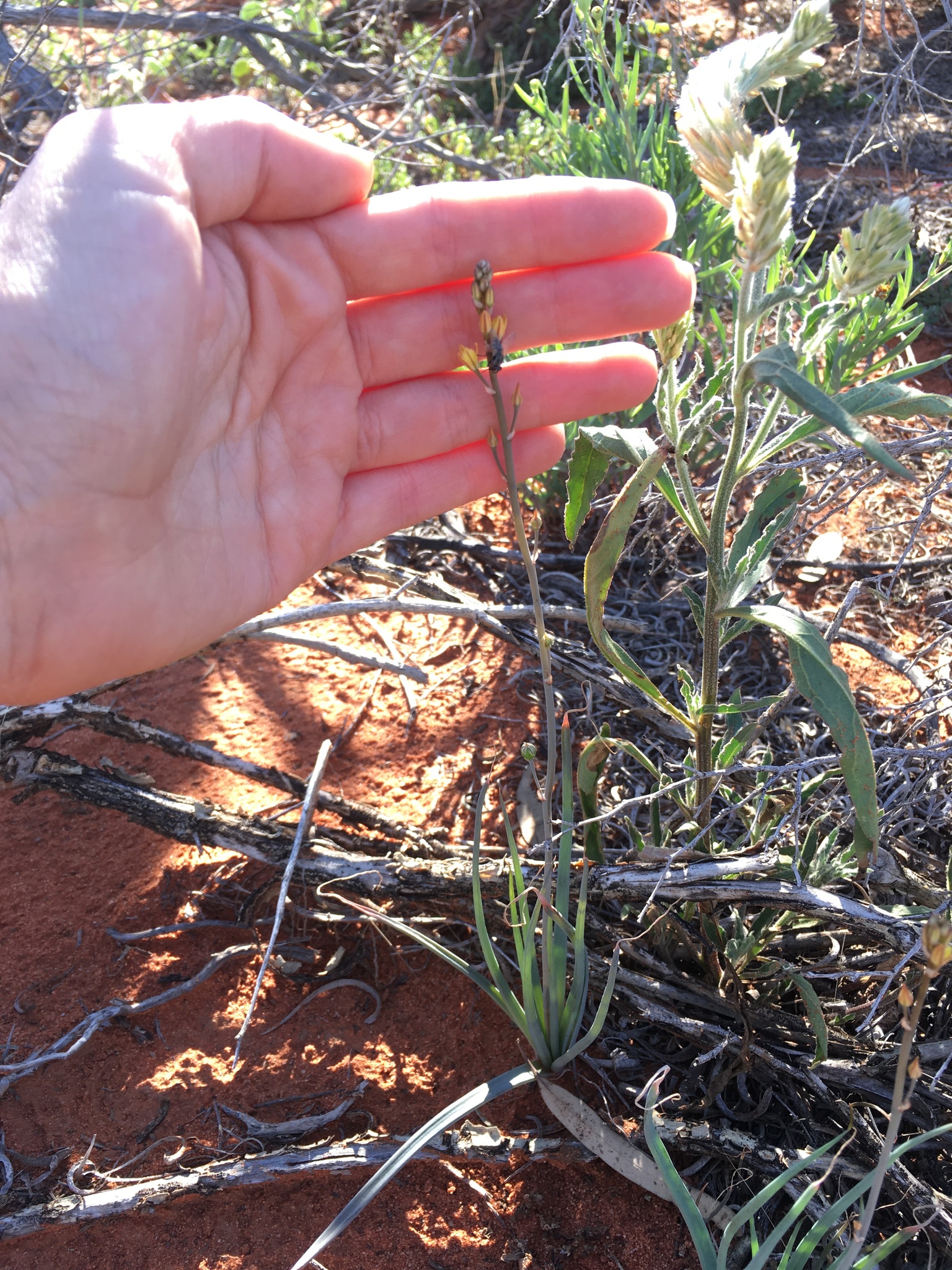
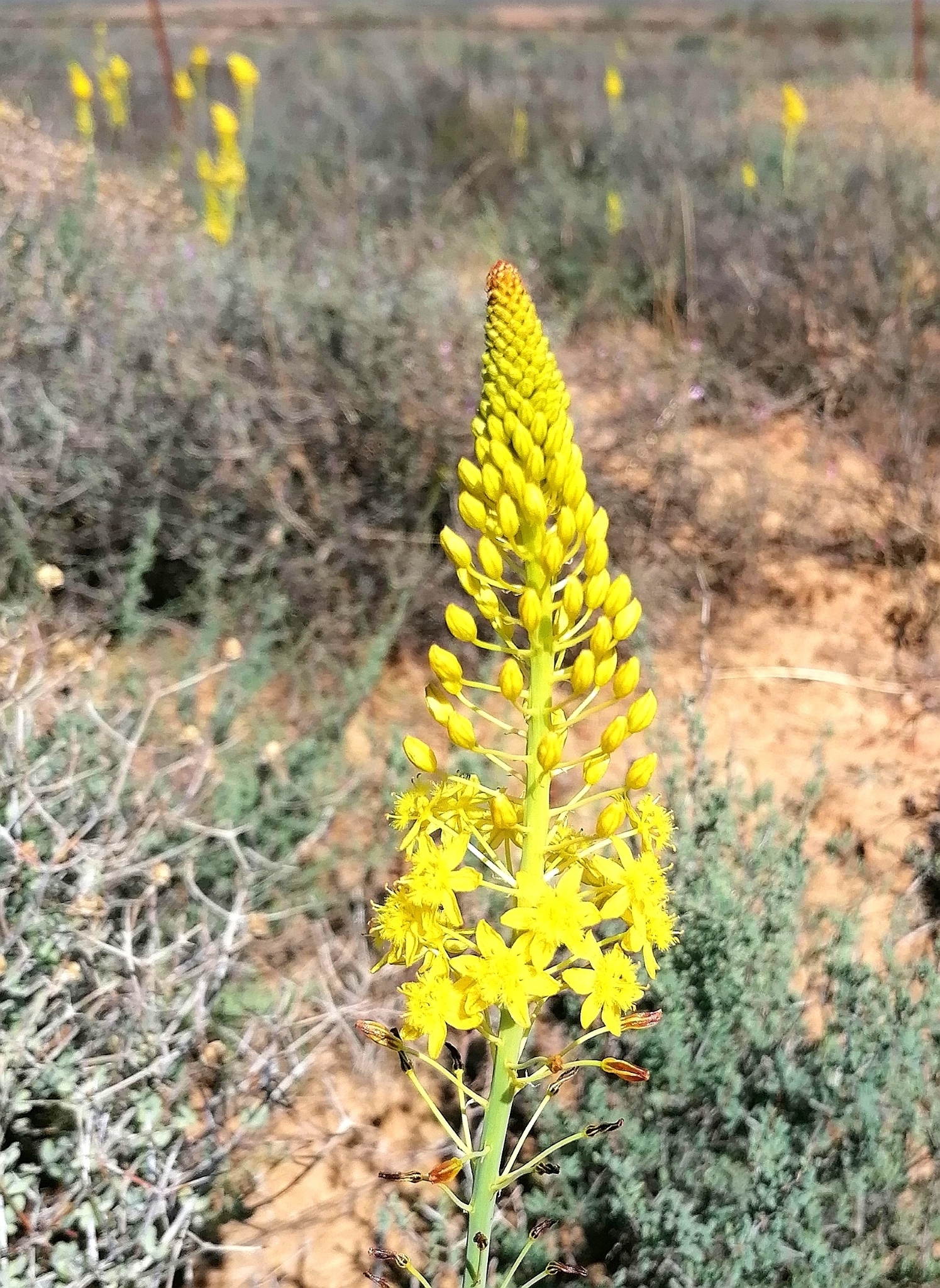
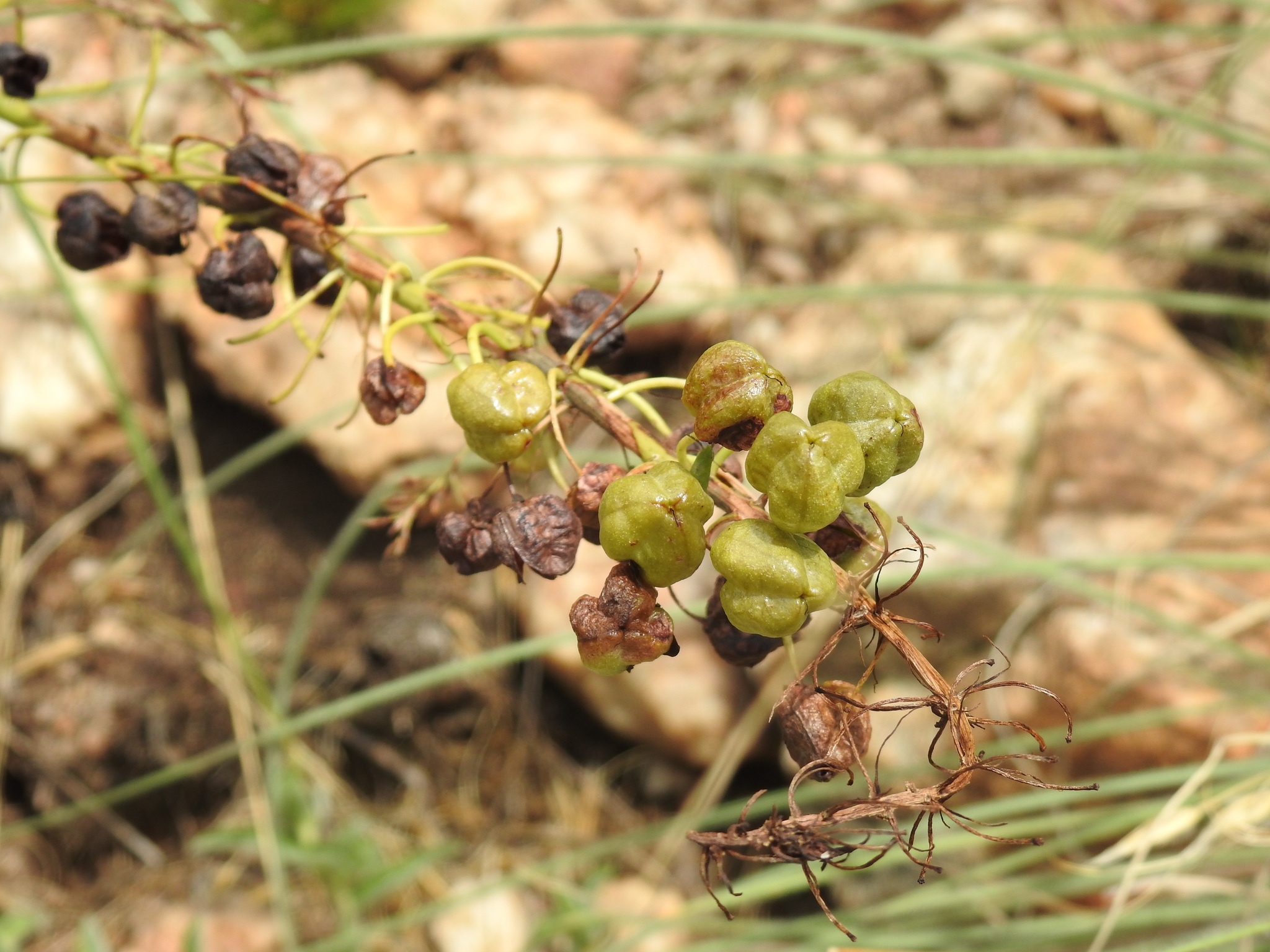
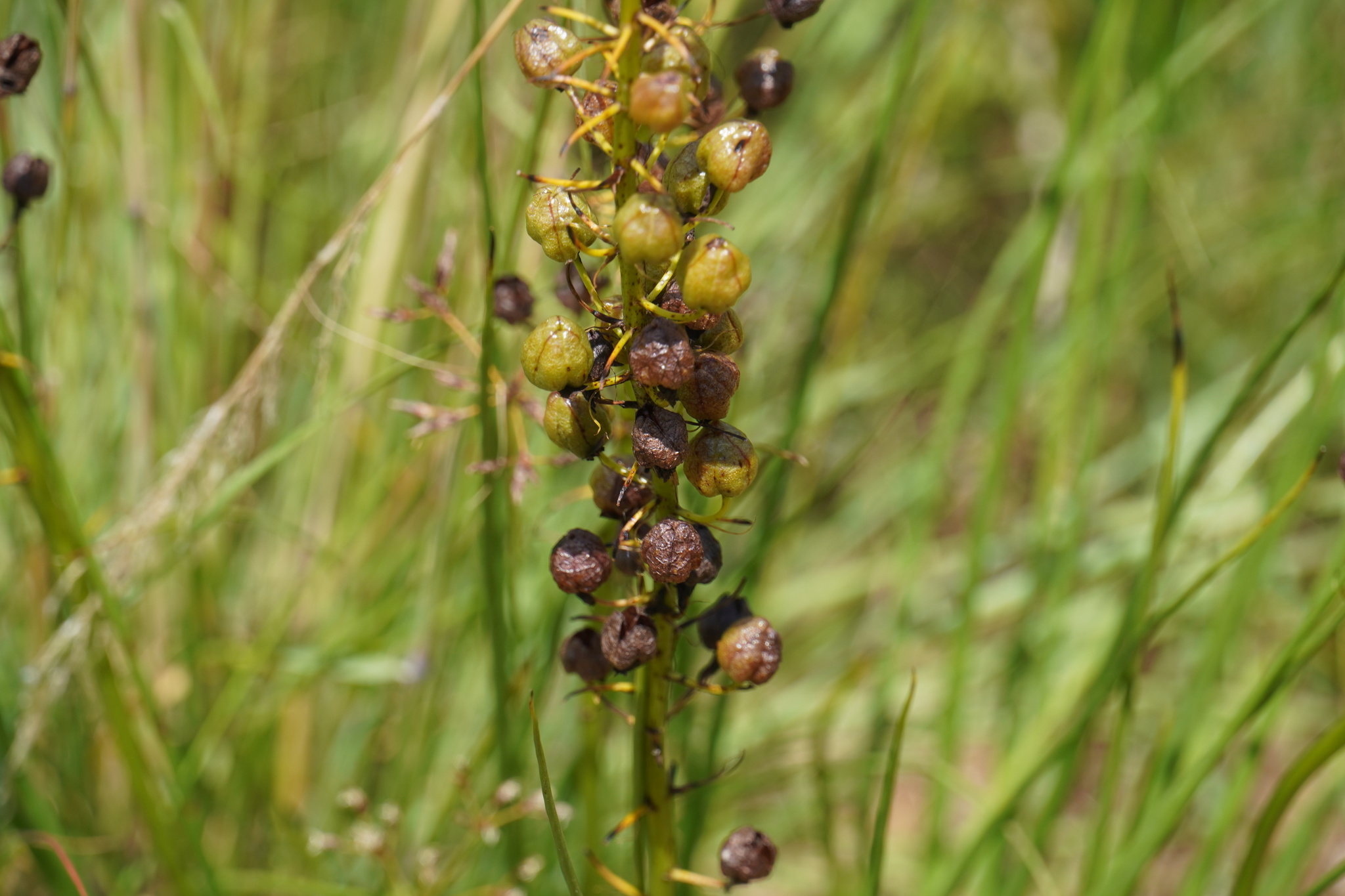
Bulbine frutescens, commonly known as Stalked Bulbine, is a succulent perennial native to South Africa, where it thrives in arid and semi-arid regions. This species is valued for its resilience, attractive foliage, and prolific flowering, making it a popular choice for xeriscaping and ornamental gardens. Its significance lies in its adaptability to dry conditions and its ability to provide continuous visual interest throughout much of the year. The plant exhibits a clumping growth habit, typically reaching a height and spread of 30 to 60 centimeters. Its fleshy, linear to lanceolate leaves are arranged in basal rosettes and are a distinctive bright green, often with a slightly glaucous or waxy coating that aids in water retention. The leaves are smooth and can be up to 20 centimeters long. During its blooming season, which can extend from spring through autumn, Bulbine frutescens produces slender, arching flower stalks that rise above the foliage. These stalks bear clusters of star-shaped flowers, each typically about 1.5 centimeters in diameter. The flowers are most commonly a vibrant yellow or orange, though white varieties also exist. Each flower has six tepals and prominent yellow stamens. Following flowering, small, capsule-like fruits develop, containing small, black seeds. The plant possesses a fibrous root system, characteristic of many succulents. Bulbine frutescens is well-suited to cultivation in well-drained soils and full sun to partial shade. It is highly drought-tolerant once established and prefers warm climates, although it can tolerate light frosts. Its native habitat includes rocky slopes, open fields, and coastal scrublands, indicating its preference for well-aerated, sandy, or gravelly substrates. Propagation is readily achieved through seed, division of clumps, or stem cuttings, which root easily. Historically and in its native regions, Bulbine frutescens has been recognized for its medicinal properties. The gel-like sap extracted from the leaves has been traditionally used to treat skin irritations, burns, wounds, and insect bites due to its soothing and healing qualities. This use is supported by some phytochemical studies indicating anti-inflammatory and antimicrobial compounds. While not a culinary plant, its ornamental value is considerable, offering a low-maintenance option for gardeners seeking drought-tolerant and visually appealing specimens. Its ability to attract pollinators further adds to its ecological and horticultural appeal. An interesting adaptation of Bulbine frutescens is its succulent nature, which allows it to store water in its leaves, enabling survival during prolonged dry periods. The fleshy leaves minimize water loss through transpiration, and the waxy cuticle on their surface further reduces evaporation. The prolific flowering, often occurring in successive waves, ensures continuous nectar and pollen availability for visiting insects, contributing to its role in local ecosystems. The plant's ability to thrive in poor, well-drained soils highlights its efficiency in nutrient and water uptake, typical of many plants adapted to arid environments.

Photograph © l_kent · CC-BY-NC

Stalked Bulbine Care Summary

At-a-glance light, water, soil, and growing conditions from plant data

Light

Full Sun to Partial Shade

75% intensity

Prefers bright, direct sunlight but can tolerate some shade.

Watering

Moderate

50% intensity

Allow soil to dry between waterings, reduce in winter.

Soil

Well-draining, sandy or gritty soil

50% intensity

Temperature

Warm

50% intensity

Prefers average room temperatures, tolerates heat. Protect from frost.

Fertilizer

Low

25% intensity

Fertilize sparingly during growing season, none in dormancy.

Stalked Bulbine Toxicity

Safety information from plant toxicity data

Toxicity details for Stalked Bulbine
AttributeValue
Toxic for humansNo

0/5 intensity

Toxic for petsNo

0/5 intensity

Non-toxic

Stalked Bulbine Quick Facts

Key traits and growing stats from plant data

Plant Type
Succulent
Plant Category
Ornamental
Plant Place Type
Garden, Pot
Lifespan
Perennial
Plant Height
0.3-0.5 m
Spread
0.5-0.8 m
Growth Rate
Moderate
Dormancy
None
Leaf Color
Green
Leaf Type
Succulent
Flower Size
1-1.5 cm
Optimal Sunlight Lux
60000

Care guide for Stalked Bulbine

Watering, pruning, propagation, and repotting details from plant data

Water

Water moderately when the top 2-3 cm of soil is dry. Allow soil to dry out between waterings, especially during winter dormancy. Overwatering can lead to root rot. Reduce watering significantly in cooler months.

Pruning

Prune to maintain shape and encourage bushier growth. Remove spent flower stalks and any dead or damaged foliage. Pruning can be done at any time of year, but is most effective in spring.

Propagation

Easily propagated from stem cuttings or leaf cuttings. Allow cuttings to dry for a few days before planting in well-draining soil. Seeds can also be sown in spring.

Repotting

Repot every 2-3 years, or when the plant becomes root-bound. Use a well-draining potting mix, such as a cactus or succulent blend. Repot in spring before new growth begins.

Identify plants like this with ePlant

Snap a photo to get care tips and match similar species on the go.

Try for Free

Flowering & Fruiting Cycles

Monthly activity intensity for bloom and fruit across both hemispheres.

Northern hemisphere

Flowering & fruiting calendar

Peak bloom · JulPeak fruit · Jun
FloweringFruiting
02468JanFebMarAprMayJunJulAugSepOctNovDecActivity intensityMonths104
Southern hemisphere

Flowering & fruiting calendar

Peak bloom · JanPeak fruit · Dec
FloweringFruiting
02468JanFebMarAprMayJunJulAugSepOctNovDecActivity intensityMonths104

Stalked Bulbine Names & Synonyms

Common names and botanical synonyms

Common Names

  • Bulbinella
  • Catstail
  • Orange Bulbine
  • Rankkopieva
  • Snake Flower
  • Stalked Bulbine
  • Wild Kopieva
  • Yellow Bulbine

Synonyms

  • Anthericum frutescens L.
  • Anthericum incurvum Thunb.
  • Anthericum multiceps Poelln.
  • Anthericum rostratum Jacq.
  • Bulbine caulescens L.
  • Bulbine incurva (Thunb.) Spreng.
  • Bulbine rostrata (Jacq.) Willd.
  • Phalangium frutescens (L.) Kuntze
  • Phalangium rostratum (Jacq.) Kuntze

Stalked Bulbine Taxonomy

Botanical classification

Taxonomic classification of Stalked Bulbine
RankName
kingdomPlantae
divisionTracheophyta
classLiliopsida
orderAsparagales
familyAsphodelaceae
genusBulbine
speciesBulbine frutescens

Stalked Bulbine FAQs

Answers based on plant encyclopedia data
How much sun does Bulbine frutescens need?

Bulbine frutescens thrives in full sun to partial shade. For best flowering, provide at least 6 hours of direct sunlight daily.

What kind of soil is best for Stalked Bulbine?

This plant prefers well-draining soil. Sandy or gritty mixtures, such as cactus or succulent potting mix, are ideal to prevent waterlogging.

How often should I water Bulbine frutescens?

Bulbine frutescens is drought-tolerant once established. Water thoroughly when the soil is dry, typically every 2-4 weeks during the growing season. Reduce watering in winter.

Is Bulbine frutescens safe for pets?

Bulbine frutescens is generally considered non-toxic to pets, according to ASPCA guidelines. However, ingestion of large quantities may cause mild digestive upset.

How do I propagate Bulbine frutescens?

It can be easily propagated from stem cuttings or by dividing established clumps. Sow seeds in spring for best results.