Skip to plant details

Stemless Carline ThistleCarlina acaulis

Also known as Carline Thistle · Ciurul Zânelor · Dwarf Carline Thistle

  • Category: Flowering, Ornamental
  • Type: Herb
  • Sunlight: Full sun is ideal for best flowering and compact growth.
  • Water: Water sparingly. Allow soil to dry out between waterings. Drought tolerant.
  • Temperature: Prefers moderate temperatures during the growing season.
  • Habitat: Outdoor

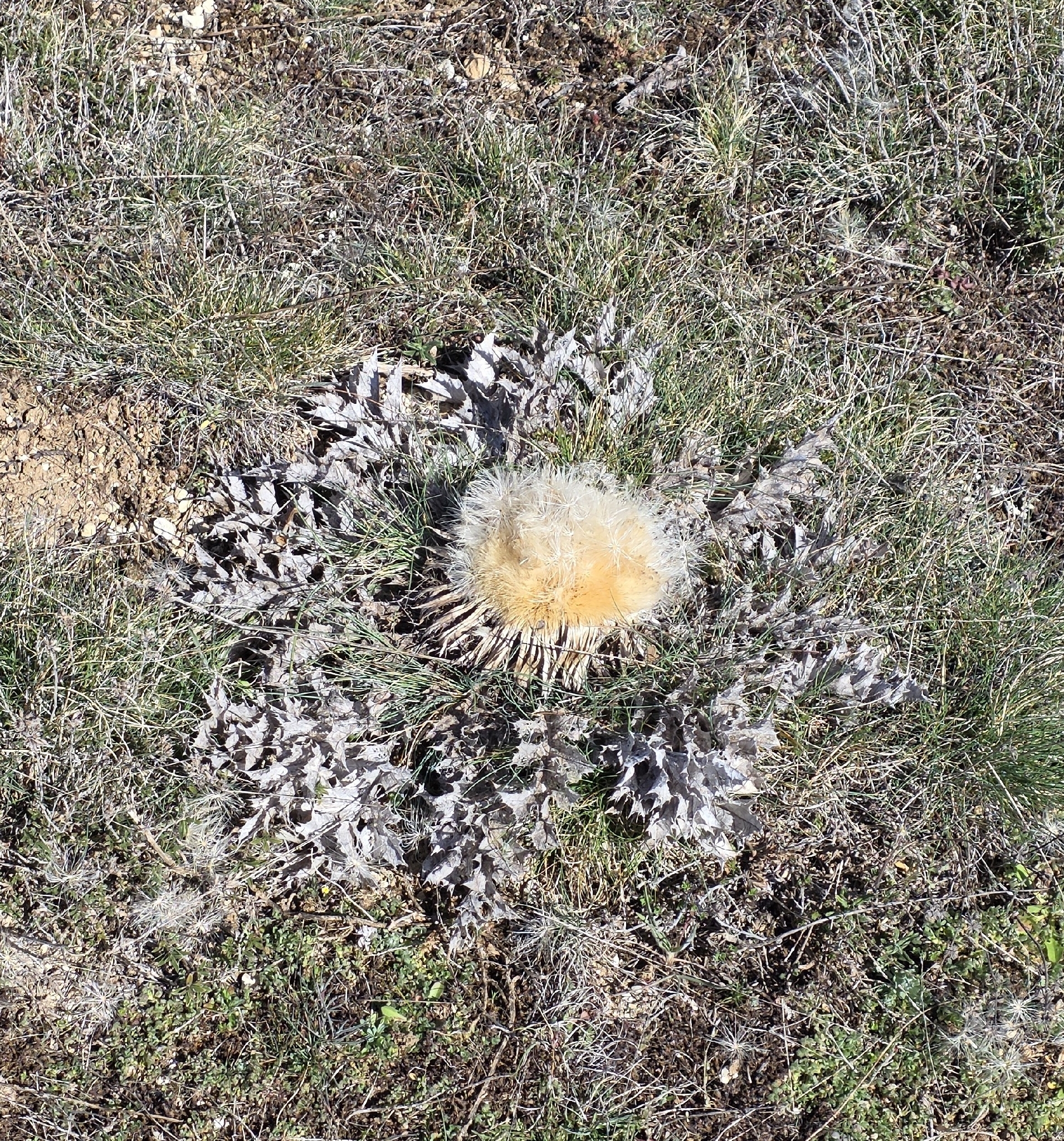
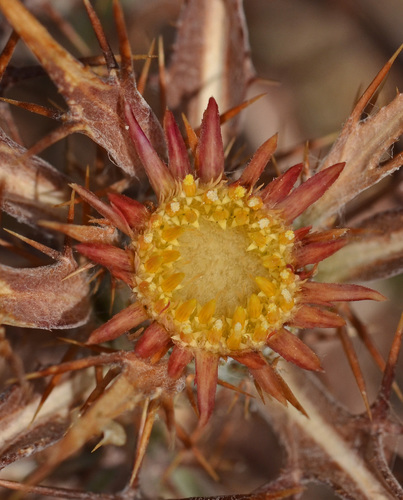
Stemless Carline Thistle (Carlina acaulis) is a striking perennial with a large, thistle-like flower head that sits directly on the ground, often surrounded by spiny leaves.

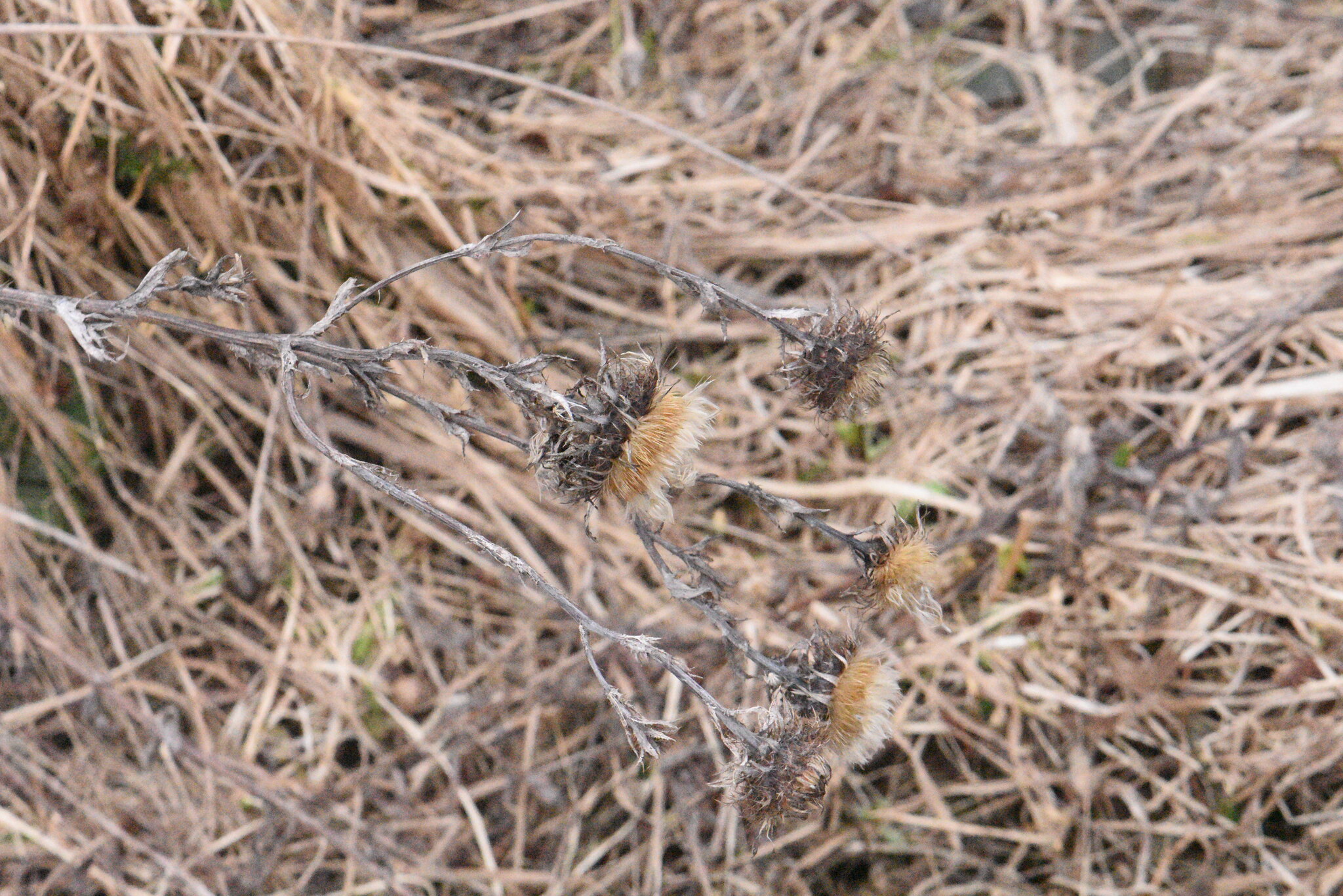
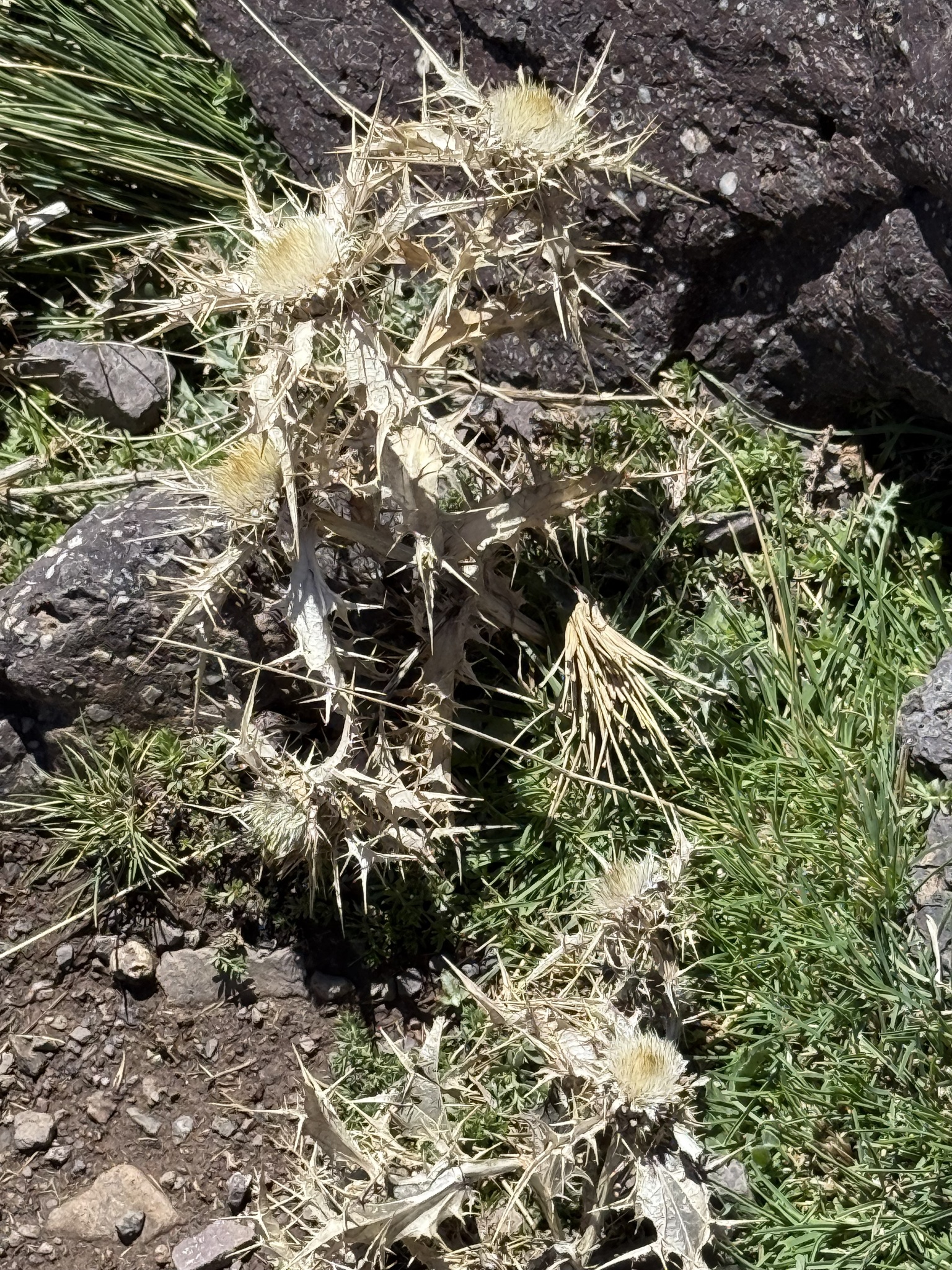
Carlina acaulis, commonly known as the Stemless Carline Thistle, is a fascinating perennial herbaceous plant native to the mountainous regions of central and southern Europe. Its scientific name, Carlina, is thought to honor Emperor Charlemagne, while acaulis refers to its characteristic stemless or very short-stemmed growth habit. This plant is notable for its striking, thistle-like appearance and its adaptation to harsh, rocky environments. The Stemless Carline Thistle typically forms a basal rosette of deeply lobed, spiny leaves that lie close to the ground. These leaves can be quite large, often reaching up to 30 centimeters in length, and are characterized by their stiff, leathery texture and prominent white veins. The most distinctive feature of Carlina acaulis is its large, solitary flower head, which emerges directly from the center of the rosette, appearing almost stemless. The flower head, which can be up to 10 centimeters in diameter, is composed of numerous ray florets that are typically white or pale yellow, often with a purplish tinge at the base. These ray florets surround a central disc of smaller, tubular florets. The entire flower head is subtended by a whorl of spiny bracts, giving it a formidable, protective appearance. After flowering, the plant produces achenes, which are small, dry fruits, each topped with a pappus, a feathery or bristly structure that aids in wind dispersal. Carlina acaulis thrives in well-drained, calcareous soils and prefers full sun exposure. It is commonly found in alpine meadows, rocky slopes, and open, dry grasslands, often at elevations ranging from 800 to 2,800 meters. Its native distribution spans from the Iberian Peninsula and the Alps eastward to the Balkans and parts of North Africa. While it is a wild species, it can be cultivated in rock gardens or xeriscape designs where conditions mimic its natural habitat. It is drought-tolerant once established and requires minimal care, making it suitable for challenging garden sites. Historically, Carlina acaulis has held some significance. The root was traditionally used in folk medicine for various ailments, although scientific validation of these uses is limited. The dried flower heads have also been used as natural air fresheners or decorative elements due to their persistent structure and attractive appearance. Ecologically, the plant provides a nectar source for pollinators and its seeds are a food source for some birds. Its robust nature and ability to colonize nutrient-poor, exposed sites highlight its resilience and adaptation to challenging environmental conditions. The plant's spiny nature serves as a defense mechanism against herbivory, a common adaptation in plants growing in exposed, resource-limited habitats.

Photograph © Udo Schmidt · CC-BY-SA

Stemless Carline Thistle Care Summary

At-a-glance light, water, soil, and growing conditions from plant data

Light

Full sun is ideal for best flowering and compact growth.

100% intensity

Prefers at least 6 hours of direct sunlight daily.

Water

Water sparingly. Allow soil to dry out between waterings. Drought tolerant.

100% intensity

Soil

Well-drained, sandy or gravelly soil. Prefers lean conditions and dislikes waterlogged soil.

50% intensity

Temperature

Prefers moderate temperatures during the growing season.

100% intensity

Hardy in USDA zones 4-8.

Habitat

Outdoor

50% intensity

Fertilizer

Fertilize sparingly, if at all. Over-fertilizing can cause weak growth.

100% intensity

A light application of balanced fertilizer in spring is sufficient.

Stemless Carline Thistle Toxicity

Safety information from plant toxicity data

Toxicity details for Stemless Carline Thistle
AttributeValue
Toxic for humansNo

0/5 intensity

Toxic for petsNo

0/5 intensity

EdibleNo

Non-toxic to pets and humans.

Stemless Carline Thistle Quick Facts

Key traits and growing stats from plant data

Plant Type
Herb
Plant Category
Flowering, Ornamental
Plant Place Type
Ground, Garden, Pot
Plant Environment
Outdoor
Lifespan
Perennials
Plant Height
0.1-0.3 m
Spread
0.3-0.5 m
Growth Rate
Slow
Dormancy
None
Leaf Color
Green
Leaf Type
Lobed, spiny
Flower Size
5-10 cm
Optimal Sunlight Lux
60000

Care guide for Stemless Carline Thistle

Watering, pruning, propagation, and repotting details from plant data

Water

Water sparingly, allowing the soil to dry out completely between waterings. It is highly drought-tolerant once established and prefers lean, dry conditions.

Pruning

Minimal pruning is required. Remove spent flower stalks after blooming to prevent self-seeding if desired. Cut back dead foliage in late winter or early spring before new growth emerges.

Propagation

Easily propagated from seed sown in autumn or early spring. Can also be propagated by division of established clumps in early spring, though this is less common.

Repotting

Repotting is generally not necessary for plants grown in the ground. For container-grown plants, repot every 2-3 years in spring into a slightly larger pot with fresh, well-draining soil.

Identify plants like this with ePlant

Snap a photo to get care tips and match similar species on the go.

Try for Free

Flowering & Fruiting Cycles

Monthly activity intensity for bloom and fruit across both hemispheres.

Northern hemisphere

Flowering & fruiting calendar

Peak bloom · AugPeak fruit · Oct
FloweringFruiting
02468JanFebMarAprMayJunJulAugSepOctNovDecActivity intensityMonths88
Southern hemisphere

Flowering & fruiting calendar

Peak bloom · AprPeak fruit · Mar
FloweringFruiting
02468JanFebMarAprMayJunJulAugSepOctNovDecActivity intensityMonths88

Stemless Carline Thistle Names & Synonyms

Common names and botanical synonyms

Common Names

  • Carline Thistle
  • Ciurul Zânelor
  • Dwarf Carline Thistle
  • Dwarf Thistle
  • Silver Thistle
  • Smooth Carlina
  • Stemless Carline
  • Stemless Carline Thistle

Synonyms

  • Chromatolepis acaulis (L.) Dulac

Stemless Carline Thistle Taxonomy

Botanical classification

Taxonomic classification of Stemless Carline Thistle
RankName
kingdomPlantae
divisionTracheophyta
classMagnoliopsida
orderAsterales
familyAsteraceae
genusCarlina
speciesCarlina acaulis

Stemless Carline Thistle FAQs

Answers based on plant encyclopedia data

How often should I water Stemless Carline Thistle?

Water sparingly. Allow the soil to dry out completely between waterings. It is very drought-tolerant once established.

What kind of soil does Carlina acaulis prefer?

It thrives in well-drained, sandy, or gravelly soil. It dislikes waterlogged conditions and prefers lean soil.

Can Stemless Carline Thistle be grown in pots?

Yes, it can be grown in pots, provided the container has excellent drainage and is filled with a suitable gritty compost mix.

When is the best time to plant Carlina acaulis seeds?

Seeds can be sown in autumn or early spring. Germination may be erratic, and stratification can sometimes improve results.

Is Carlina acaulis suitable for a rock garden?

Absolutely. Its low-growing habit, drought tolerance, and unique appearance make it an excellent choice for rock gardens and alpine settings.