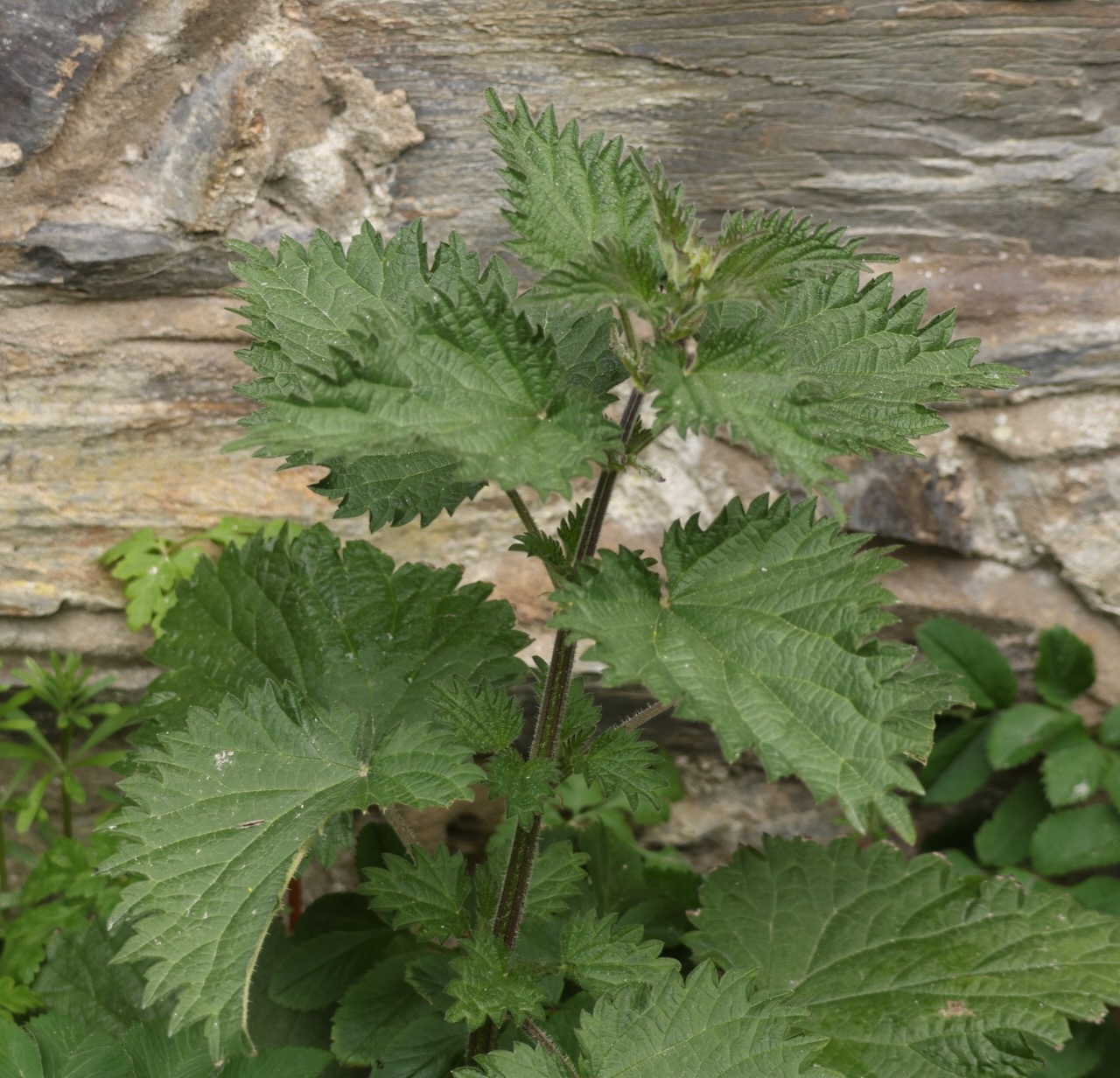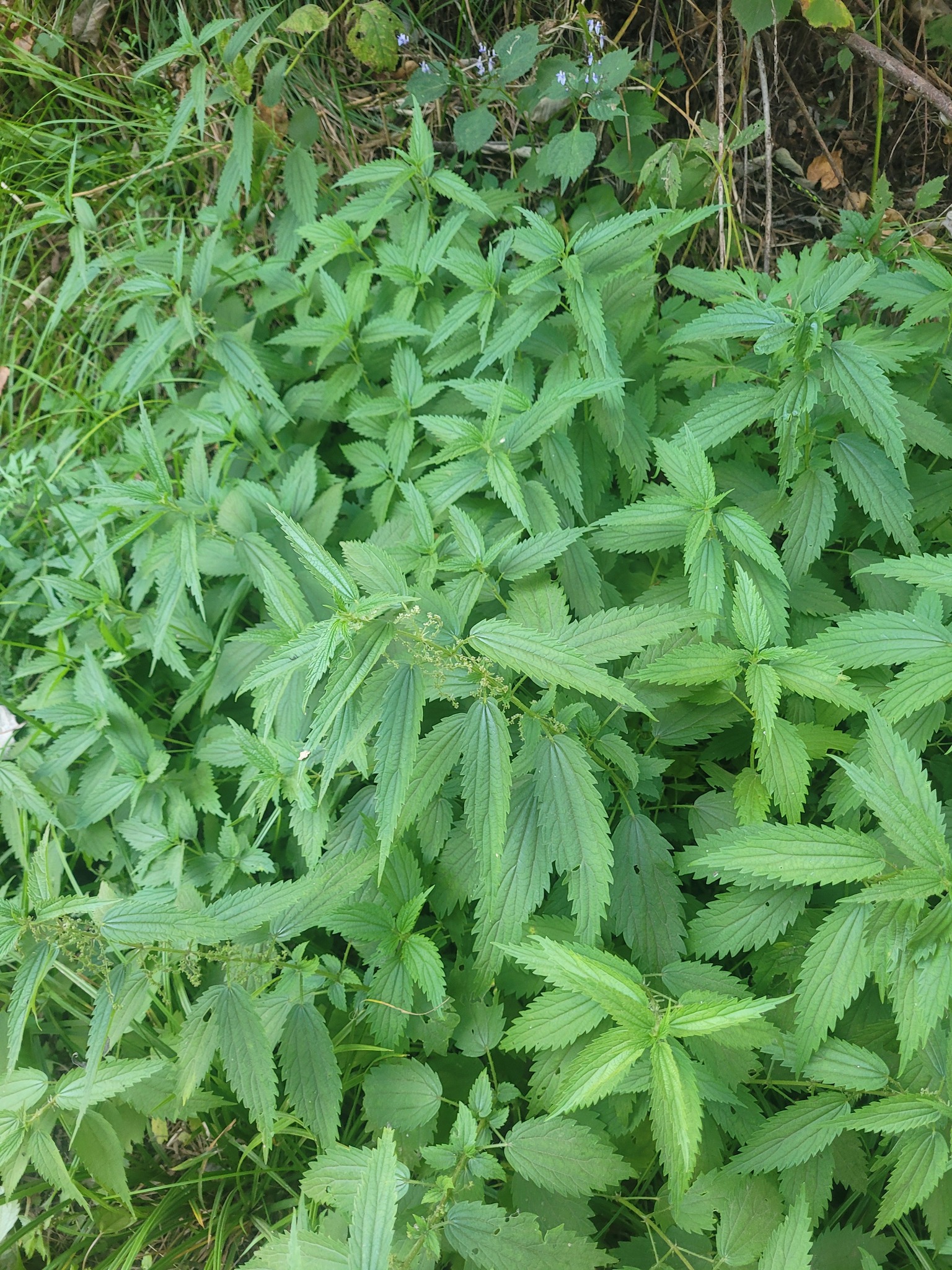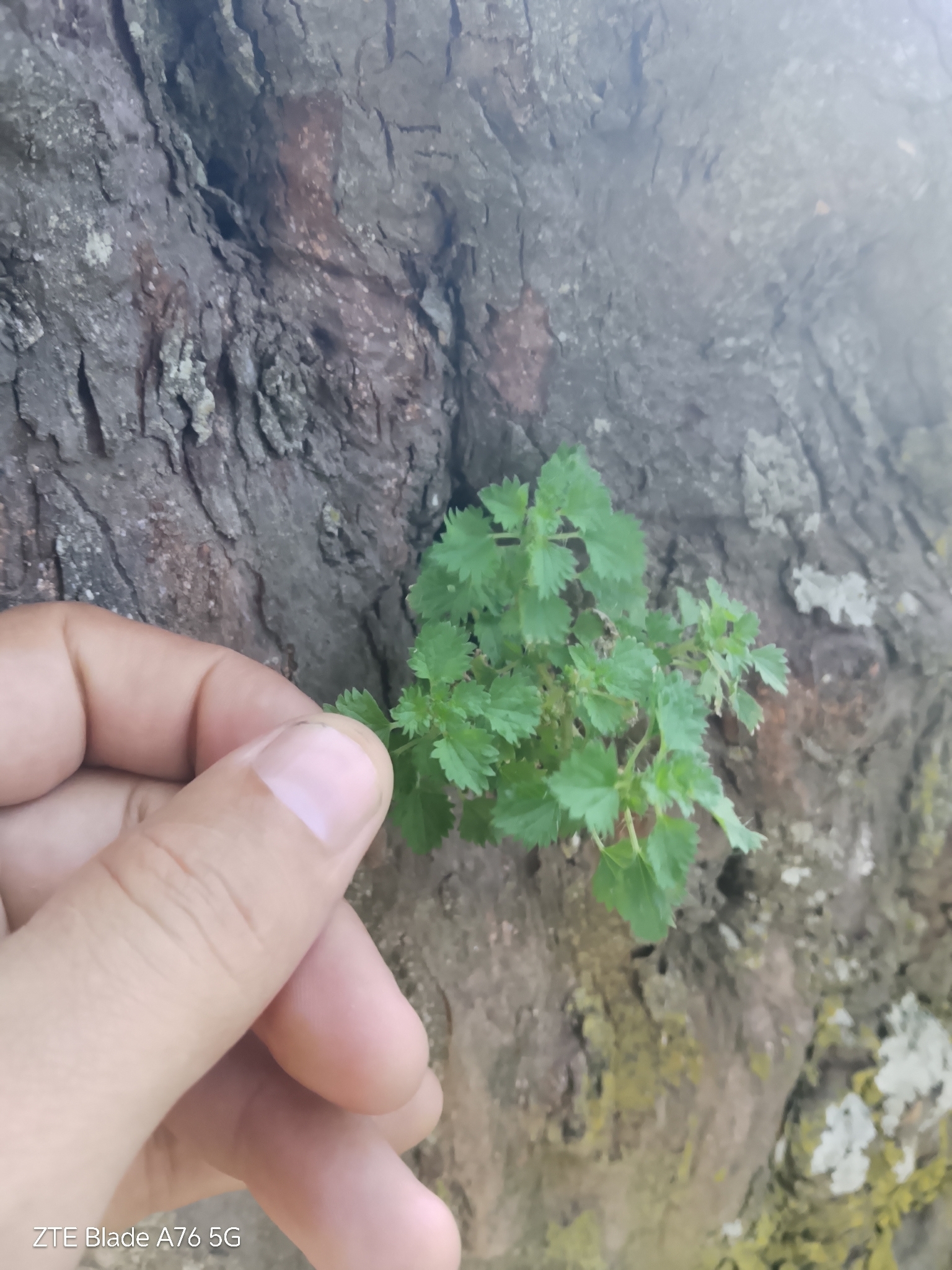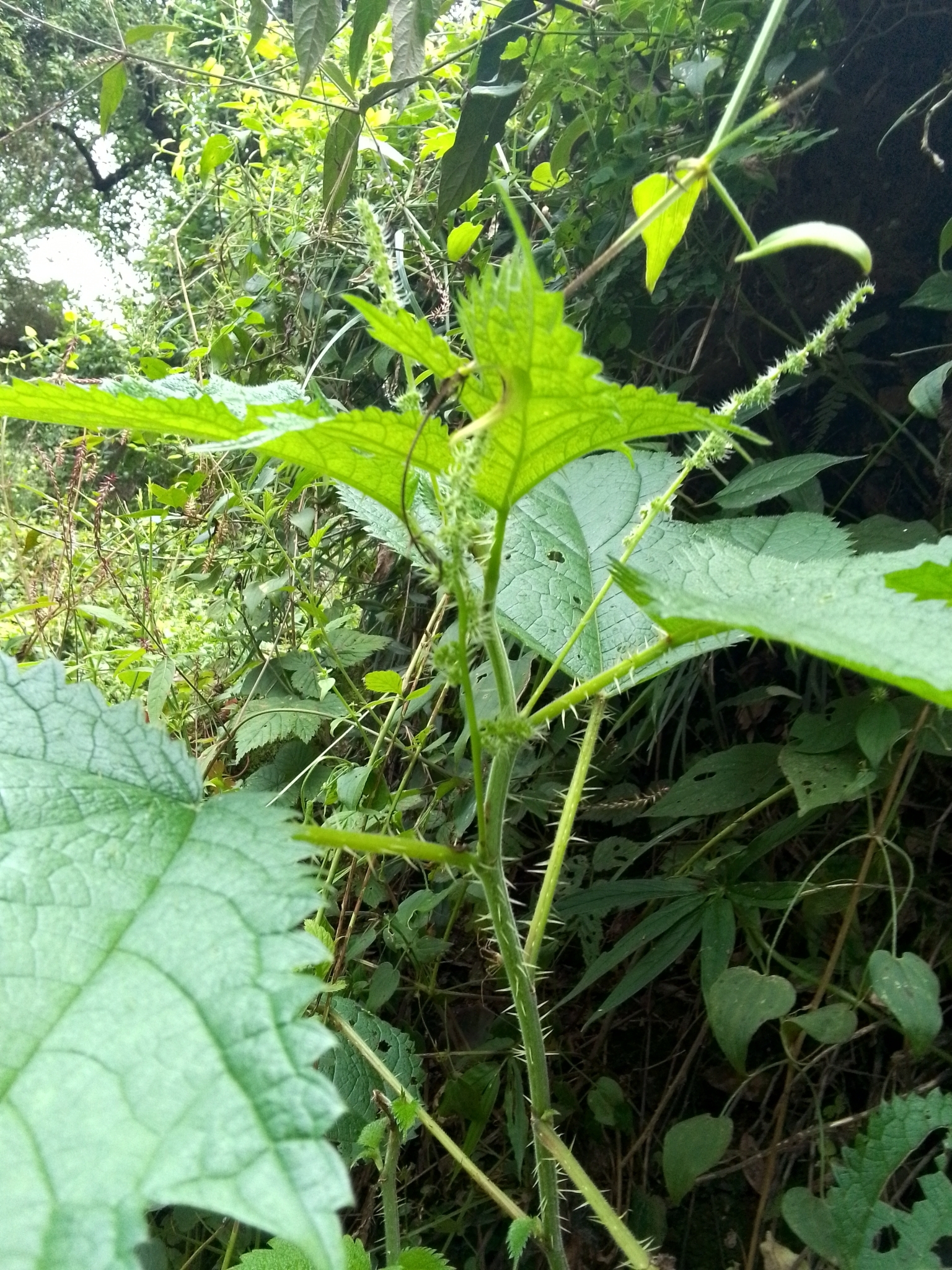
Small Nettle (Urtica urens) is an annual herbaceous plant with stinging hairs and edible young leaves, commonly found as a weed in disturbed soils.
Above information is sourced from Wikipedia
Sunlight
Prefers full sun to partial shade. Tolerates a range of light conditions.
Watering
Keep soil consistently moist, especially during active growth. Water thoroughly when the top inch of soil feels dry. Avoid waterlogging.
Soil
Prefers fertile, well-drained soil rich in organic matter. Tolerates a variety of soil types, especially disturbed or cultivated ground.
Temperature
Thrives in moderate temperatures between 15-25 °C. Tolerates cooler weather.
Habitat
Outdoor
Fertilizer
Generally does not require fertilization. Can benefit from a balanced liquid fertilizer in poor soil.
Prefers full sun to partial shade. Tolerates a range of light conditions.
Keep soil consistently moist, especially during active growth. Water thoroughly when the top inch of soil feels dry. Avoid waterlogging.
Prefers fertile, well-drained soil rich in organic matter. Tolerates a variety of soil types, especially disturbed or cultivated ground.
Thrives in moderate temperatures between 15-25 °C. Tolerates cooler weather.
Outdoor
Generally does not require fertilization. Can benefit from a balanced liquid fertilizer in poor soil.
Plant Type
Herb
Plant Category
Vegetable, Medicinal
Plant Place Type
Ground, Garden
Plant Environment
Outdoor
Lifespan
Annuals
Plant Height
0.2-0.6 m
Spread
0.2-0.5 m
Growth Rate
Fast
Dormancy
None (annual)
Leaf Color
Green
Leaf Type
Opposite, ovate to oblong
Flower Size
2-3 mm
Weed Status
Yes
Toxic for humans
No
Rating: 0/5
Toxic for pets
No
Rating: 0/5
Edible
Yes
Stinging hairs can cause skin irritation upon contact, but the plant is not toxic if ingested.