Also known as Gold Moss · Gold Moss Stonecrop · Graveyard Moss
Type: Succulent, Creeper
Sunlight: Prefers full sun to partial shade.
Water: Allow soil to dry thoroughly between waterings.
Temperature: Prefers moderate to warm temperatures.
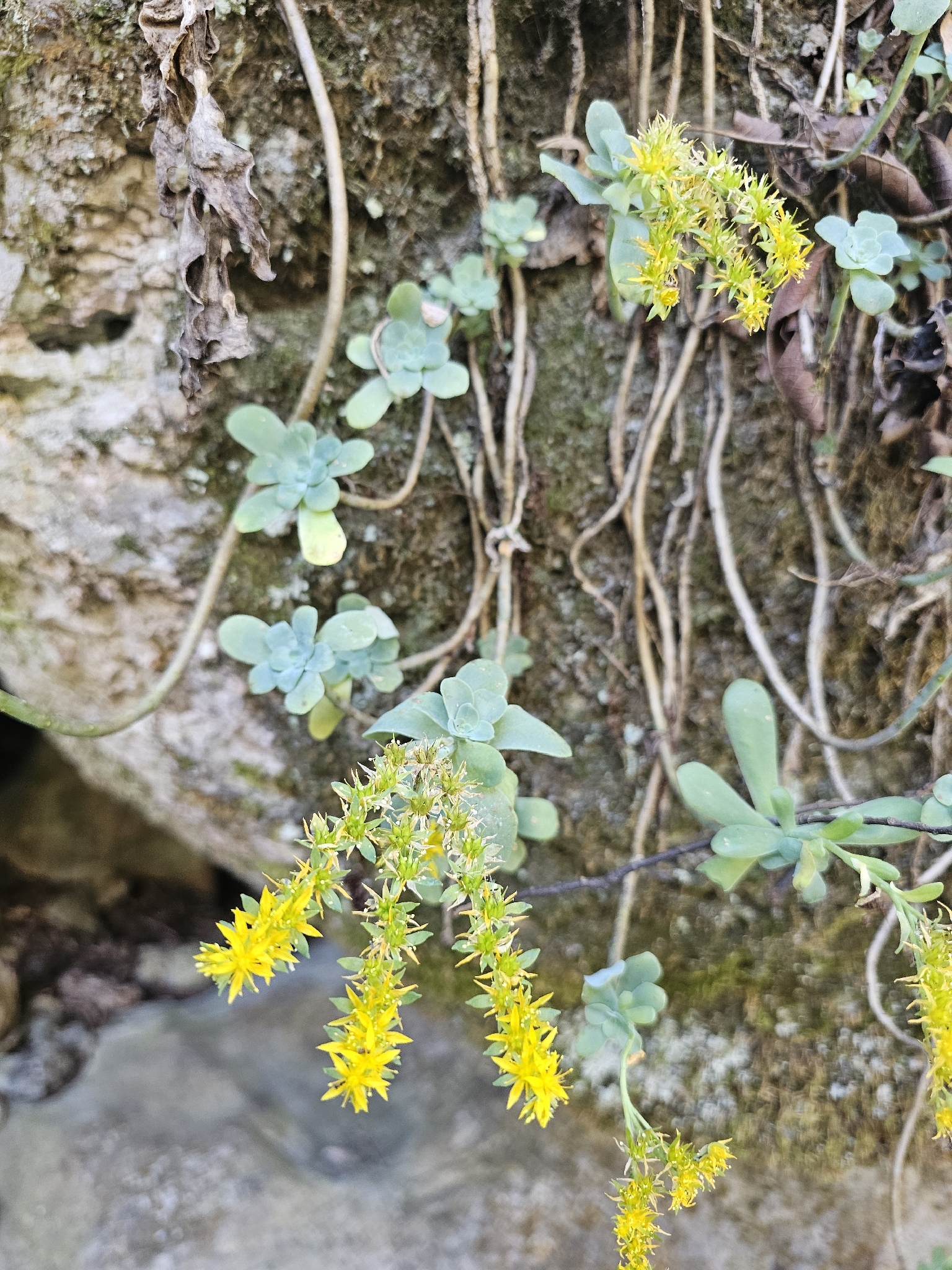
Stringy Stonecrop (Sedum sarmentosum) is a vigorous, mat-forming succulent groundcover with trailing stems and bright green, fleshy leaves. It produces star-shaped yellow
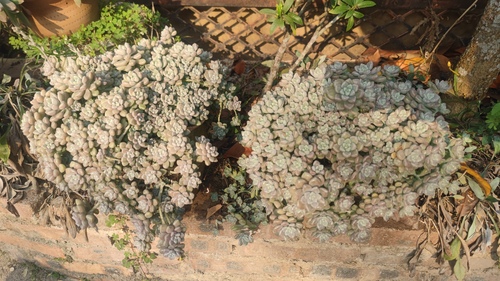
Sedum sarmentosum, commonly known as Stringy Stonecrop, is a resilient and attractive succulent that has garnered attention for its ornamental appeal and adaptability. This species belongs to the large Sedum genus, characterized by its fleshy, water-storing leaves and star-shaped flowers. Stringy Stonecrop is particularly valued for its vigorous growth habit and its ability to thrive in a variety of conditions, making it a popular choice for ground cover, rock gardens, and container plantings.
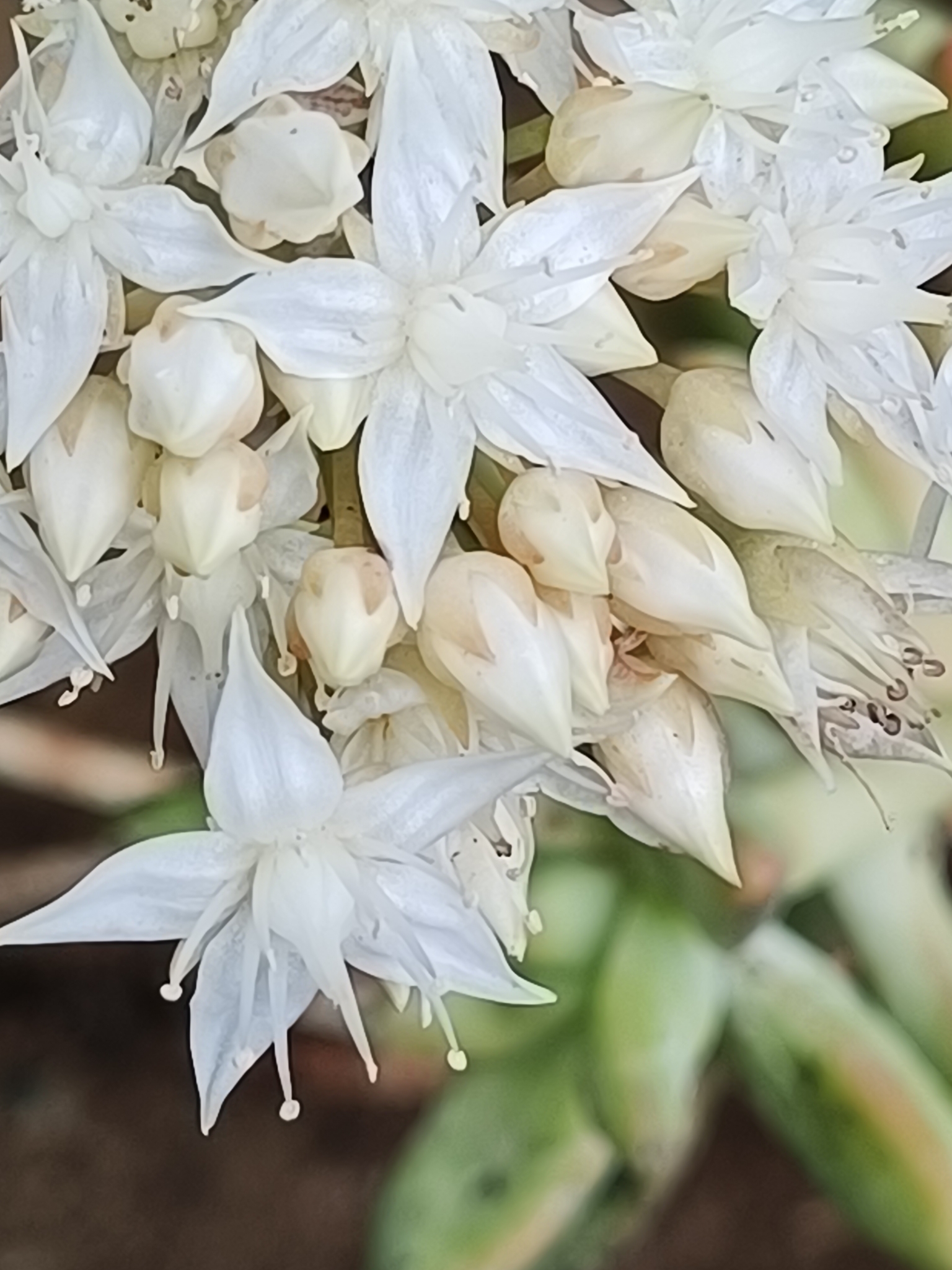
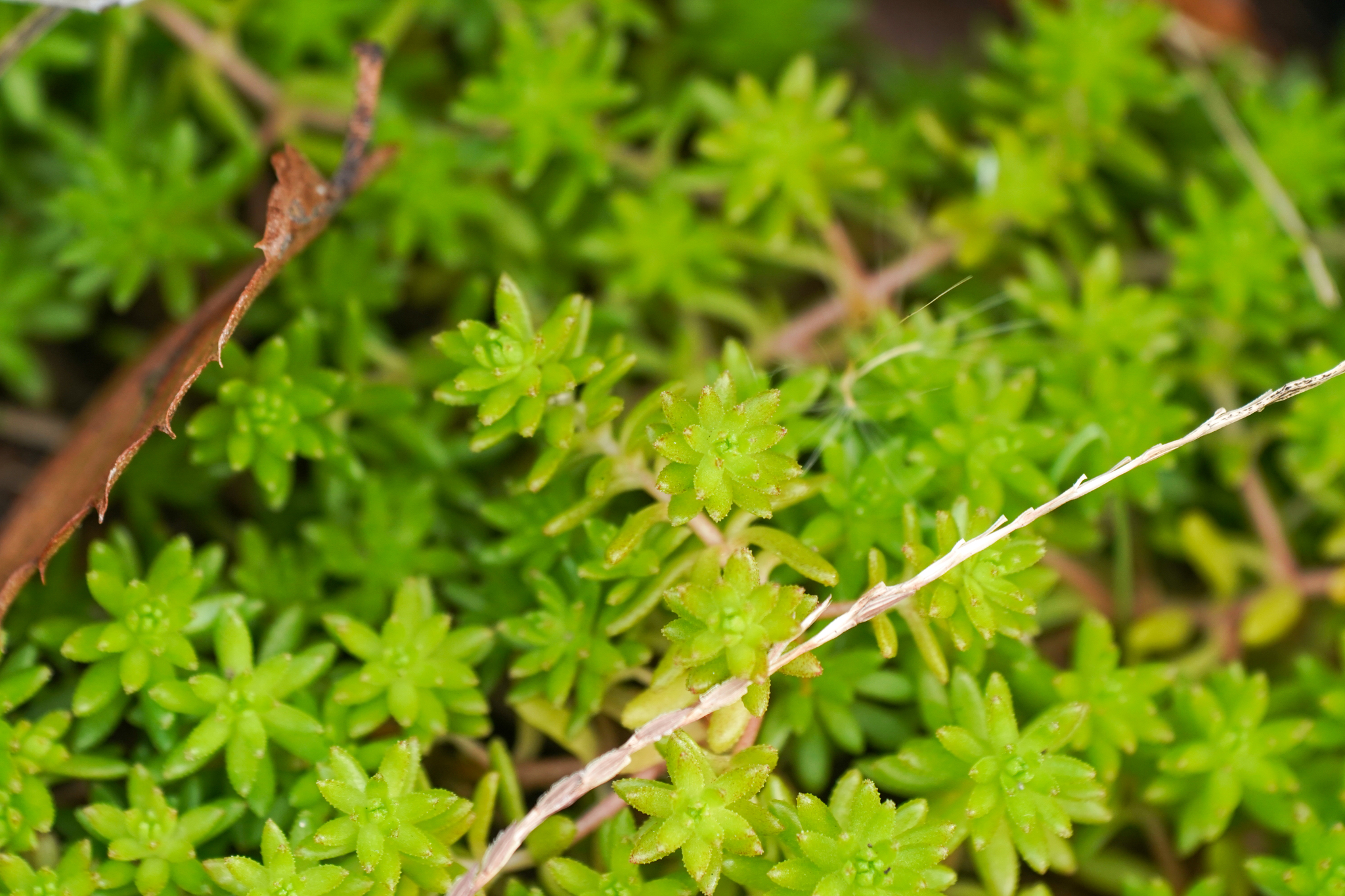
Physically, Sedum sarmentosum is a low-growing, mat-forming perennial. It spreads via slender, trailing stems, or stolons, which root readily where they touch the soil, giving rise to its common name. These stems can extend significantly, creating a dense carpet of foliage. The leaves are typically arranged in whorls along the stems, are ovate to oblong in shape, and are a vibrant green color. They are fleshy and somewhat succulent, a characteristic adaptation for water conservation. During the flowering season, which generally occurs in late spring to early summer, the plant produces clusters of bright yellow, star-shaped flowers. Each flower typically has five petals and is borne on short stalks. Following flowering, small, dehiscent capsules develop, containing numerous tiny seeds. The plant does not possess prominent bark, as it is a herbaceous perennial.
The native distribution of Sedum sarmentosum is primarily in East Asia, including regions of China and Korea. It naturally colonizes rocky slopes, open woodlands, and disturbed areas, indicating a preference for well-drained soils and sunny to partially shaded environments. In cultivation, Stringy Stonecrop is widely grown across temperate regions of the world. It is remarkably tolerant of drought once established and prefers full sun to partial shade. While it can adapt to a range of soil types, excellent drainage is paramount to prevent root rot. It is hardy in many climates, surviving cold winters and hot summers with minimal care.
While not widely recognized for significant medicinal, culinary, or economic uses, Sedum sarmentosum holds considerable ornamental importance. Its rapid ground-covering ability makes it an effective solution for erosion control on slopes and for filling in spaces in rock gardens. Its bright green foliage provides a lush backdrop for its cheerful yellow flowers, adding visual interest throughout the growing season. The succulent nature of its leaves also contributes to its low maintenance requirements, appealing to gardeners seeking plants that are both beautiful and easy to care for.
An interesting characteristic of Sedum sarmentosum is its remarkable ability to propagate vegetatively. The trailing stems readily root, allowing the plant to spread rapidly and form dense mats. This adaptation is crucial for its survival in its native habitats, enabling it to colonize new areas and establish a strong presence. The fleshy leaves are also efficient at storing water, a vital trait for a plant that often grows in exposed, dry conditions. This water storage capacity allows it to endure periods of drought, contributing to its overall resilience.
At-a-glance light, water, soil, and growing conditions from plant data
Light
Prefers full sun to partial shade.
75% intensity
Full sun promotes compact growth and flowering; some shade prevents scorching in intense heat.
Watering
Allow soil to dry thoroughly between waterings.
25% intensity
Overwatering is detrimental; less is more.
Soil
Well-drained
50% intensity
Temperature
Prefers moderate to warm temperatures.
50% intensity
Thrives in temperatures between 18-24°C. Can tolerate brief periods of cooler temperatures but protect from frost.
Fertilizer
Light feeder; fertilize sparingly.
25% intensity
A diluted balanced fertilizer once in spring/summer is sufficient. Avoid over-fertilizing.
Stringy Stonecrop Toxicity
Safety information from plant toxicity data
Toxicity details for Stringy Stonecrop
Attribute
Value
Toxic for humans
No
0/5 intensity
Toxic for pets
No
0/5 intensity
Stringy Stonecrop Quick Facts
Key traits and growing stats from plant data
Plant Type
Succulent, Creeper
Plant Place Type
Garden, Pot
Lifespan
Perennial
Plant Height
0.1-0.2 m
Spread
0.3-0.5 m
Growth Rate
Moderate
Dormancy
Semi-evergreen
Leaf Color
Green
Leaf Type
Fleshy
Flower Size
1.5-2 cm
Optimal Sunlight Lux
64500
Care guide for Stringy Stonecrop
Watering, pruning, propagation, and repotting details from plant data
Water
Water sparingly, allowing the soil to dry out completely between waterings. Overwatering is the most common cause of root rot.
In hot, dry weather, more frequent watering may be needed, but err on the side of underwatering. Reduce watering significantly in winter.
Pruning
Prune to maintain desired shape and size, or to remove dead or damaged stems. Cut back leggy growth in spring to encourage bushier, more compact foliage.
Spent flower stalks can be removed after blooming for aesthetic reasons. Can be aggressively cut back if it becomes too widespread.
Propagation
Easily propagated from stem cuttings or offsets. Take cuttings in spring or summer and allow them to callus for a few days before planting in well-draining soil. Offsets can be separated and replanted directly.
Both methods root quickly and readily in suitable conditions.
Repotting
Repot every 2-3 years, or when the plant outgrows its container. Use a well-draining potting mix, such as a cactus or succulent blend. Choose a pot with drainage holes. Repot in spring before active growth begins.
This is a vigorous grower that can quickly fill its pot.
Identify plants like this with ePlant
Snap a photo to get care tips and match similar species on the go.
Monthly activity intensity for bloom and fruit across both hemispheres.
Northern hemisphere
Flowering & fruiting calendar
Peak bloom · JulPeak fruit · Aug
FloweringFruiting
Southern hemisphere
Flowering & fruiting calendar
Peak bloom · MayPeak fruit · Jun
FloweringFruiting
Image Gallery
Photos of Stringy Stonecrop (Sedum sarmentosum)
Stringy Stonecrop Names & Synonyms
Common names and botanical synonyms
Common Names
Gold Moss
Gold Moss Stonecrop
Graveyard Moss
Orpin Sarmenteux
Runner-Producing Stonecrop
Sedum Stonecrop
Star Sedum
Stringy Stonecrop
Trailing Stonecrop
Yellow Moss
Stringy Stonecrop Taxonomy
Botanical classification
Taxonomic classification of Stringy Stonecrop
Rank
Name
kingdom
Plantae
division
Tracheophyta
class
Magnoliopsida
order
Saxifragales
family
Crassulaceae
genus
Sedum
species
Sedum sarmentosum
Stringy Stonecrop FAQs
Answers based on plant encyclopedia data
How much sun does Stringy Stonecrop need?
Stringy Stonecrop thrives in full sun to partial shade. More sun generally leads to denser growth and better flowering.
What kind of soil is best for Sedum sarmentosum?
It prefers well-draining soil, including sandy or gritty mixes. It can tolerate poor soils but needs good drainage to prevent root rot.
How often should I water Stringy Stonecrop?
Water moderately when the soil is dry to the touch. It is drought-tolerant once established and overwatering should be avoided.
Is Stringy Stonecrop invasive?
In some regions, Sedum sarmentosum can be considered invasive due to its vigorous spreading habit. It's important to check local regulations and consider its potential to spread.
How can I propagate Stringy Stonecrop?
Propagation is very easy from stem cuttings. Simply place cuttings on moist soil, and they will root readily.