Also known as Chestnut · European Chestnut · European Horse Chestnut
Category: Fruit, Ornamental
Type: Tree
Sunlight: Full sun is essential for optimal growth and nut production.
Water: Moderate, especially for young trees; drought-tolerant when mature.
Temperature: Prefers temperate climates, tolerant of a wide range from cold winters to warm summers.
Habitat: Outdoor
Sweet Chestnut (Castanea sativa) is a large, long-lived deciduous tree native to Europe and Asia Minor. It is cultivated for its edible nuts, featuring deeply furrowed ba
Castanea sativa, commonly known as the Sweet Chestnut, is a large deciduous tree of significant historical and economic importance, particularly in Europe. It is a member of the Fagaceae family, which also includes oaks and beeches. The Sweet Chestnut is renowned for its edible nuts and its durable timber, and it has been cultivated for millennia, becoming deeply integrated into the landscapes and cultures of its native and adopted regions.
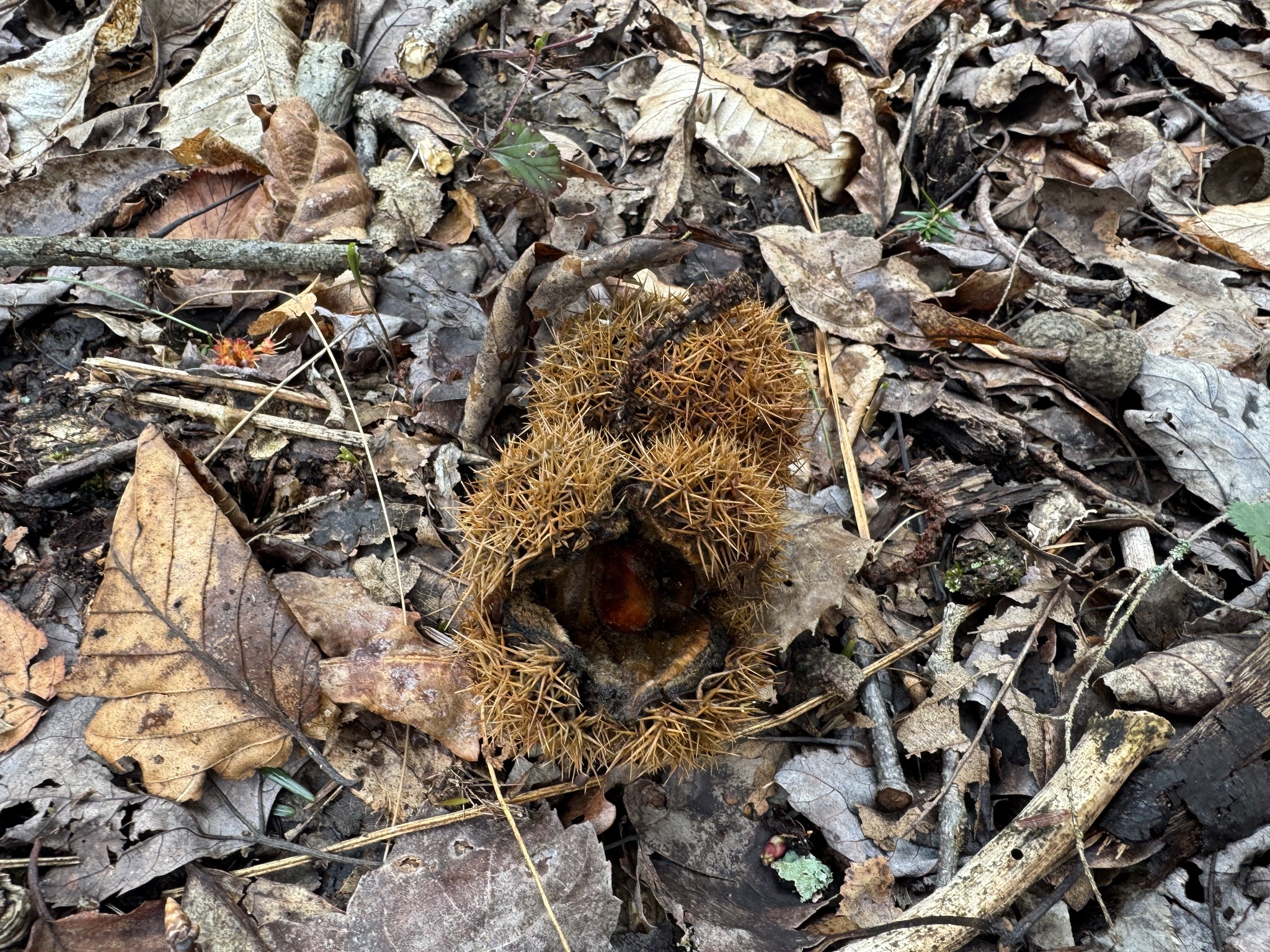
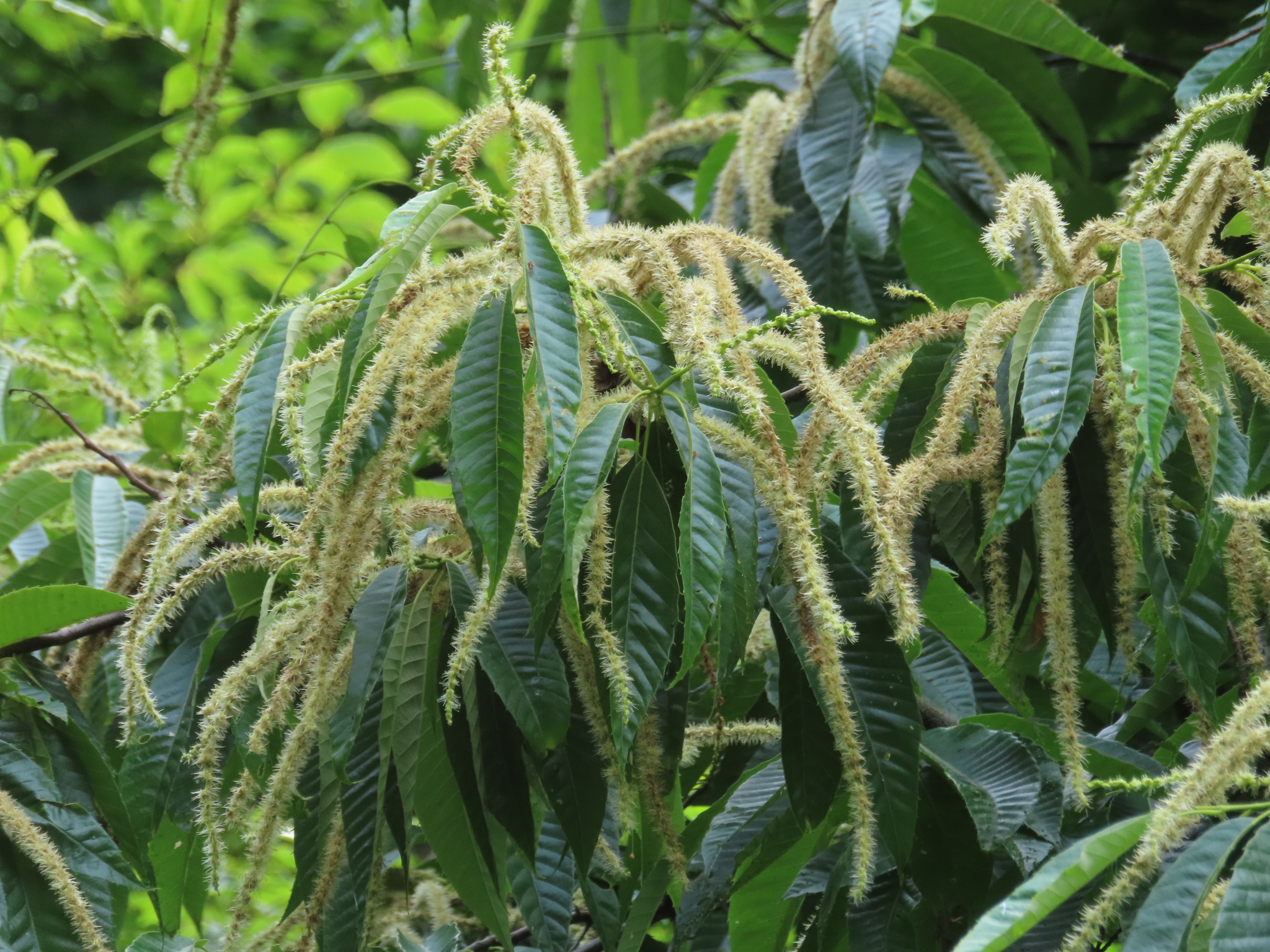
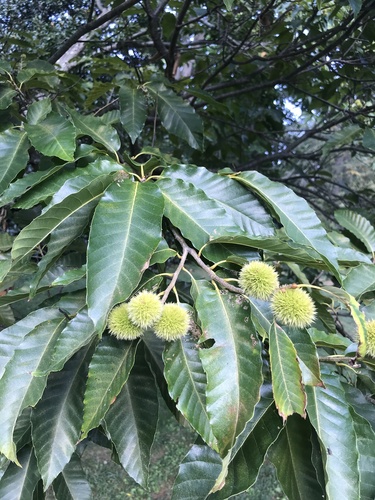
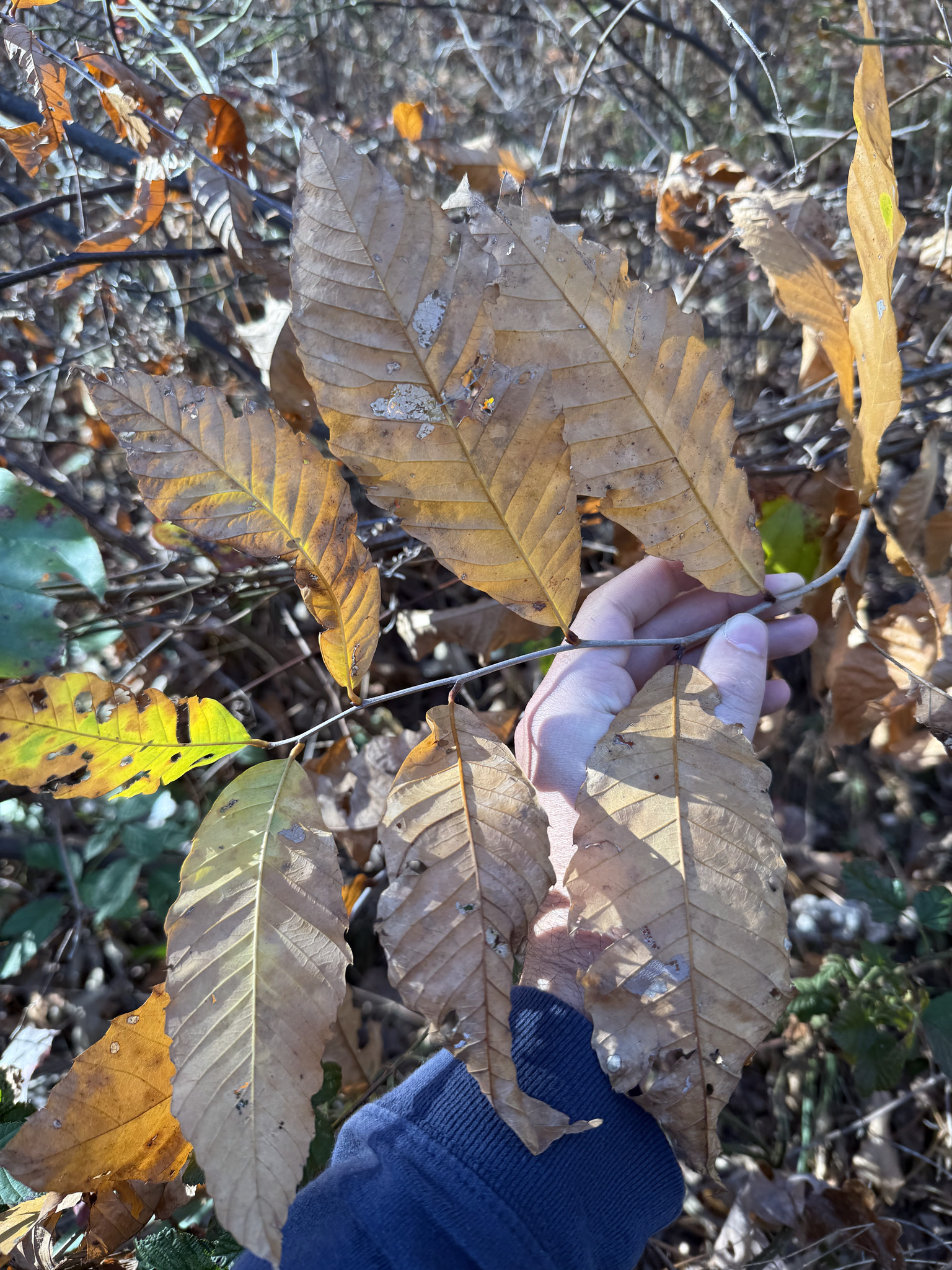
Physically, Castanea sativa is a majestic tree that can reach considerable heights, often exceeding 30 meters, with some individuals growing much larger and living for centuries. Its growth habit is typically characterized by a broad, spreading crown supported by a massive, often gnarled trunk. The bark is smooth and dark grey on young trees, becoming deeply furrowed and fissured with age, developing a distinctive corkscrew pattern in some specimens. The leaves are oblong to lanceolate, measuring between 15 and 30 centimeters in length, with serrated margins and prominent parallel veins running perpendicular to the midrib. They are arranged alternately on the branches and turn a rich golden-yellow in autumn before falling. The flowers are borne in long, pendulous catkins, typically appearing in midsummer. Male flowers are creamy white and fragrant, while the female flowers are located at the base of the catkins and develop into the characteristic fruit. The fruit is a spiny burr, which splits open when ripe to reveal one to three glossy, brown nuts, commonly referred to as chestnuts. These nuts are ovoid and flattened on one side, with a pointed tip.
The native distribution of Castanea sativa extends across Southern Europe, Asia Minor, and parts of North Africa. It thrives in temperate climates with well-drained, acidic to neutral soils. While it prefers moist conditions, it is also remarkably drought-tolerant once established, particularly in deeper soils. It is widely cultivated throughout Europe, North America, and other temperate regions for its fruit and timber.
The economic and culinary importance of the Sweet Chestnut is immense. Its nuts are a staple food source in many regions, consumed roasted, boiled, or ground into flour. This flour has been a vital foodstuff, especially in areas where grain cultivation was difficult. The timber of Castanea sativa is highly valued for its durability, resistance to decay, and attractive grain, making it suitable for furniture, fencing, and construction. Ecologically, the Sweet Chestnut plays a role in its native woodlands, providing food and habitat for various wildlife. It is also susceptible to certain diseases, most notably the blight caused by the fungus Cryphonectria parasitica, which has devastated populations in some areas.
An interesting characteristic of Castanea sativa is its longevity and the impressive size some individual trees attain. Ancient specimens are often revered and protected, serving as living monuments. The tree's ability to regenerate from coppicing, where the trunk is cut back to the ground to encourage new shoots, has also been a significant factor in its historical management for timber and fuel.
At-a-glance light, water, soil, and growing conditions from plant data
Light
Full sun is essential for optimal growth and nut production.
100% intensity
Water
Moderate, especially for young trees; drought-tolerant when mature.
50% intensity
Soil
Well-drained, acidic to neutral, fertile loam
50% intensity
Temperature
Prefers temperate climates, tolerant of a wide range from cold winters to warm summers.
70% intensity
Habitat
Outdoor
50% intensity
Fertilizer
Low to moderate; established trees rarely need fertilizing in good soil.
30% intensity
Early spring for young trees
Sweet Chestnut Toxicity
Safety information from plant toxicity data
Toxicity details for Sweet Chestnut
Attribute
Value
Toxic for humans
No
0/5 intensity
Toxic for pets
No
0/5 intensity
Edible
Yes
Sweet Chestnut Quick Facts
Key traits and growing stats from plant data
Plant Type
Tree
Plant Category
Fruit, Ornamental
Plant Place Type
Ground, Garden
Plant Environment
Outdoor
Lifespan
Perennials
Plant Height
20-35 m
Spread
10-15 m
Growth Rate
Medium to fast
Dormancy
Winter deciduous
Leaf Color
Green, Yellow, Brown
Leaf Type
Simple, oblong-lanceolate, serrated
Flower Size
10-20 cm
Optimal Sunlight Lux
75000
Care guide for Sweet Chestnut
Watering, pruning, propagation, and repotting details from plant data
Water
Sweet Chestnut trees require consistent moisture, especially during their establishment phase and dry spells. Young trees benefit from regular watering, ensuring the soil remains moist but not waterlogged.
Once established, they become more drought-tolerant due to their deep root system. However, prolonged dry periods, particularly during nut development, can reduce yields.
Monitor soil moisture and water deeply when the top few inches of soil feel dry.
Pruning
Pruning for Sweet Chestnut trees primarily involves removing dead, diseased, or damaged branches to maintain tree health and structure. This is best done in late winter or early spring before new growth begins.
For nut production, light thinning of the canopy can improve air circulation and sunlight penetration, leading to better fruit development. Avoid heavy pruning, as it can stress the tree and reduce yields.
Propagation
Sweet Chestnut trees are most commonly propagated from seeds (nuts). Collect fresh, ripe nuts in autumn, stratify them over winter, and sow them in spring.
Grafting is also a viable method, especially for propagating specific cultivars with desirable traits, ensuring genetic consistency. Budding can also be used.
Cuttings are generally difficult to root successfully, making seed or grafting the preferred methods.
Repotting
Repotting is generally not applicable for mature Sweet Chestnut trees, as they are large, long-lived trees grown in the ground.
However, young seedlings or saplings grown in containers for a short period before planting out may require repotting into larger containers as they grow.
Ensure good drainage and use a suitable, well-draining potting mix. This process should be done carefully to minimize root disturbance.
Identify plants like this with ePlant
Snap a photo to get care tips and match similar species on the go.
Monthly activity intensity for bloom and fruit across both hemispheres.
Northern hemisphere
Flowering & fruiting calendar
Peak bloom · JulPeak fruit · Oct
FloweringFruiting
Southern hemisphere
Flowering & fruiting calendar
Peak bloom · OctPeak fruit · Apr
FloweringFruiting
Image Gallery
Photos of Sweet Chestnut (Castanea sativa)
Sweet Chestnut Names & Synonyms
Common names and botanical synonyms
Common Names
Chestnut
European Chestnut
European Horse Chestnut
Not A European Horse Chestnut
Spanish Chestnut
Sweet Chestnut
بلوط
Synonyms
Castanea fastigiata Briot
Castanea prolifera (K.Koch) Hickel
Fagus castanea L.
Sweet Chestnut Taxonomy
Botanical classification
Taxonomic classification of Sweet Chestnut
Rank
Name
kingdom
Plantae
division
Tracheophyta
class
Magnoliopsida
order
Fagales
family
Fagaceae
genus
Castanea
species
Castanea sativa
Sweet Chestnut FAQs
Answers based on plant encyclopedia data
When do Sweet Chestnut trees start producing nuts?
Sweet Chestnut trees typically begin to produce nuts when they are around 5-7 years old, though significant yields usually start after 10-15 years, depending on growing conditions and cultivar.
What are the ideal growing conditions for Castanea sativa?
Sweet Chestnut thrives in full sun and prefers well-drained, slightly acidic to neutral, fertile loam soils. It requires a temperate climate with sufficient moisture, especially during establishment and nut development.
How large can a mature Sweet Chestnut tree become?
A mature Sweet Chestnut tree (Castanea sativa) can reach impressive heights of 20-35 meters, with some exceptional specimens exceeding 40 meters. Its spread can typically be 10-15 meters.
Are Sweet Chestnut trees susceptible to any specific pests or diseases?
Sweet Chestnut trees can be susceptible to chestnut blight (Cryphonectria parasitica), though Castanea sativa shows some resistance compared to American chestnut. Other issues can include ink disease and various insect pests like the chestnut weevil.
How should I prune a Sweet Chestnut tree for optimal health and nut production?
Pruning should focus on removing dead, diseased, or crossing branches in late winter or early spring. For nut production, light thinning of the canopy can improve air circulation and sunlight penetration, encouraging better fruiting.