Skip to plant details

Sweet Mock OrangePhiladelphus coronarius

Also known as European Mock-Orange · Garden Syringa · Mock-Orange

  • Category: Ornamental
  • Type: Shrub
  • Sunlight: Full Sun to Partial Shade
  • Water: Moderate
  • Temperature: Moderate

Sweet Mock Orange (Philadelphus coronarius) is a deciduous shrub prized for its fragrant, white, star-shaped flowers in late spring to early summer.

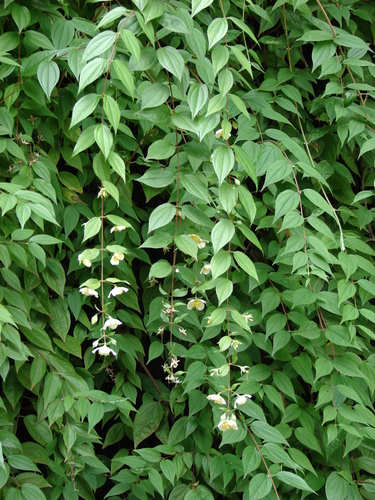
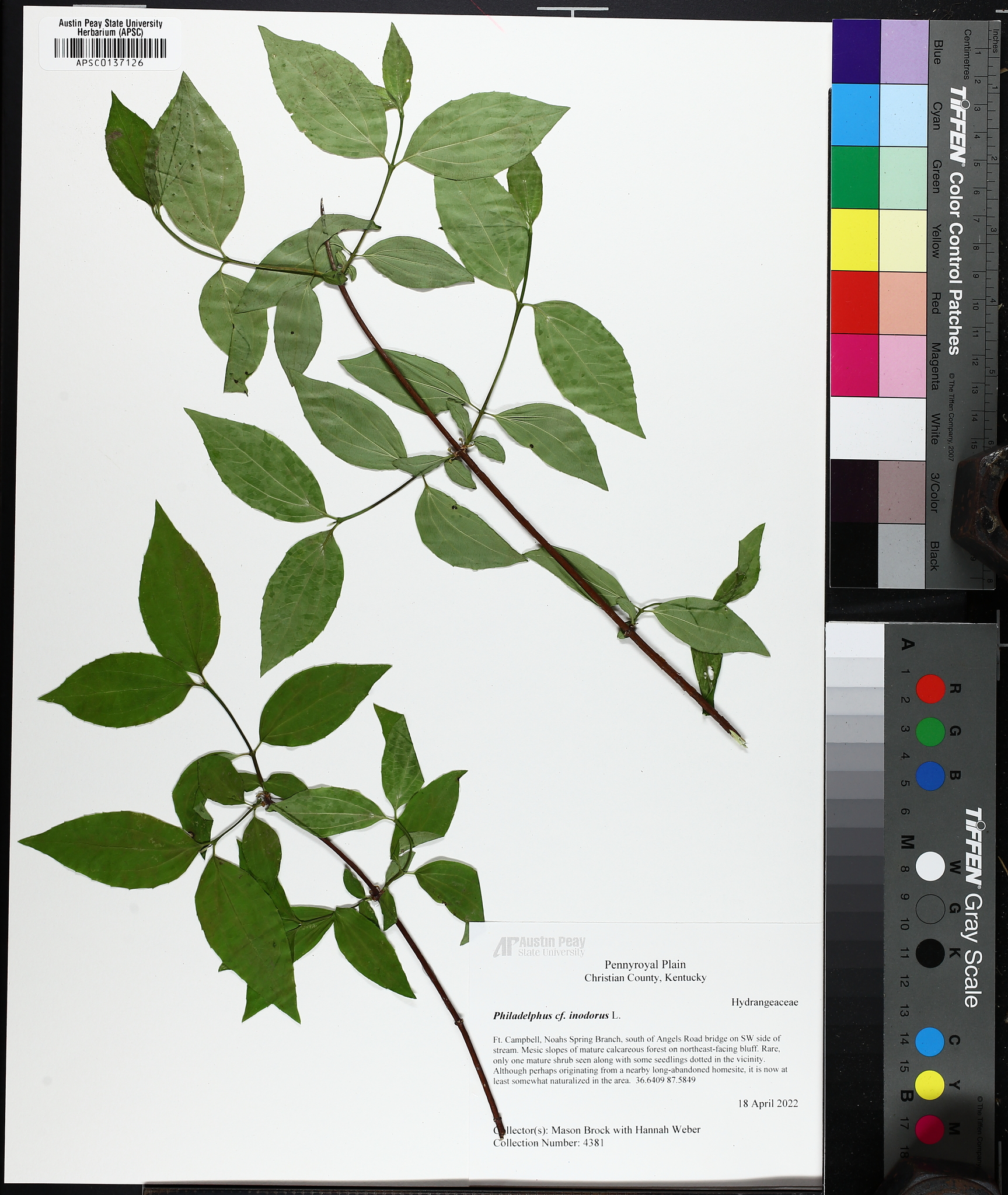
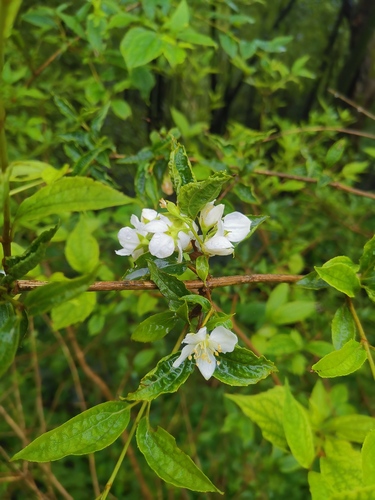
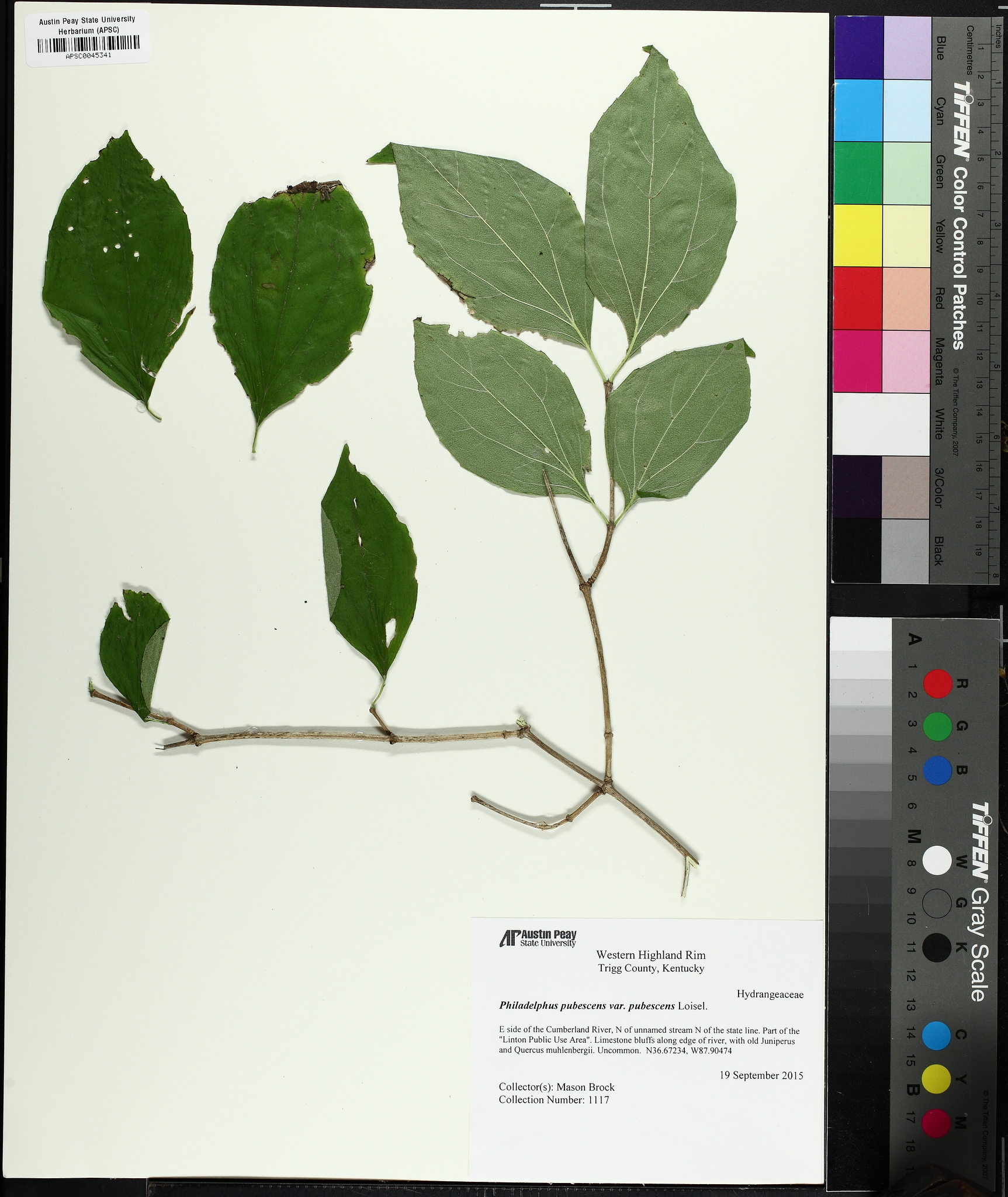
Philadelphus coronarius, commonly known as Sweet Mock Orange, is a deciduous shrub celebrated for its fragrant, white flowers and attractive foliage. It belongs to the family Hydrangeaceae, though it was formerly placed in the family Philadelphaceae. This species holds a significant place in ornamental horticulture, valued for its robust growth and profuse blooming, which often heralds the arrival of summer. The Sweet Mock Orange typically grows into a rounded, spreading shrub reaching heights and widths of 6 to 10 feet. Its growth habit is upright and arching, with numerous stems arising from the base. The leaves are opposite, simple, ovate to elliptical in shape, and measure 2 to 4 inches long. They are typically a medium to dark green color, with serrated margins and prominent venation. In autumn, the foliage may turn a dull yellow before dropping. The bark is smooth and grayish-brown on younger stems, becoming somewhat furrowed with age. The most striking feature of Philadelphus coronarius is its flowers. These are borne in clusters, usually of 5 to 9 flowers, along the previous year's growth in late spring to early summer. The individual flowers are typically 1 to 1.5 inches in diameter, with four to five pure white petals that are often slightly crinkled. They possess a strong, sweet, citrus-like fragrance, which is particularly noticeable on warm, still days. Following flowering, small, inconspicuous capsules develop, containing numerous tiny seeds. Native to southeastern Europe and southwestern Asia, Philadelphus coronarius thrives in a variety of temperate climates. It is well-suited to USDA hardiness zones 4 through 8. The plant prefers full sun to partial shade, with full sun generally promoting the most abundant flowering. It is adaptable to a range of soil types but performs best in well-drained, moderately fertile soil. While it tolerates some drought once established, regular watering, especially during dry periods, will enhance its vigor and bloom production. Sweet Mock Orange is a hardy and relatively low-maintenance shrub, making it a popular choice for landscaping. It can be used as a specimen plant, in shrub borders, hedges, or mass plantings. Pruning is best done immediately after flowering to shape the plant and remove any dead or overgrown branches, as flowering occurs on old wood. The primary importance of Philadelphus coronarius lies in its ornamental value, owing to its beautiful and fragrant flowers. Its strong scent has made it a favorite for gardens and as a cut flower. Ecologically, it provides a nectar source for pollinators. While not widely recognized for medicinal, culinary, or economic uses, its aesthetic appeal and ease of cultivation have secured its enduring popularity in gardens worldwide. An interesting characteristic is the variability in fragrance intensity among different individuals and cultivars, with some selections being more powerfully scented than others. The common name "Mock Orange" is derived from the resemblance of its fragrant flowers to those of the orange tree, though it is not related.

Photograph © Christine Czyz Lawlor

Sweet Mock Orange Care Summary

At-a-glance light, water, soil, and growing conditions from plant data

Light Requirements

Full Sun to Partial Shade

75% intensity

Prefers full sun for best flowering, but tolerates partial shade.

Watering Needs

Moderate

50% intensity

Keep soil consistently moist during the growing season, reducing in winter.

Soil

Well-drained

50% intensity

Temperature Tolerance

Moderate

50% intensity

Hardy in USDA zones 4-8, tolerates a range of typical garden temperatures.

Fertilizing

Moderate

50% intensity

Fertilize in spring with a balanced or organic feed.

Sweet Mock Orange Toxicity

Safety information from plant toxicity data

Toxicity details for Sweet Mock Orange
AttributeValue
Toxic for humansNo

0/5 intensity

Toxic for petsNo

0/5 intensity

Sweet Mock Orange Quick Facts

Key traits and growing stats from plant data

Plant Type
Shrub
Plant Category
Ornamental
Plant Place Type
Garden, Pot
Lifespan
Perennial
Plant Height
1.5-3m
Spread
1.5-3m
Growth Rate
Moderate
Dormancy
Yes
Leaf Color
Green
Leaf Type
Deciduous
Flower Size
3-5cm
Optimal Sunlight Lux
60000

Care guide for Sweet Mock Orange

Watering, pruning, propagation, and repotting details from plant data

Water

Water regularly during the growing season, especially during dry spells, ensuring the soil remains consistently moist but not waterlogged. Reduce watering in autumn and winter.

Deep watering is more beneficial than frequent shallow sprinklings to encourage strong root development.

Pruning

Prune immediately after flowering to shape the shrub and remove any dead, damaged, or crossing branches. This timing allows the plant to set buds for the following year.

To rejuvenate old, overgrown shrubs, you can undertake harder pruning over two to three seasons.

Propagation

Sweet Mock Orange is best propagated by semi-hardwood cuttings taken in mid-summer.

Select healthy shoots, remove lower leaves, and dip the cut end in rooting hormone before inserting into a moist, well-draining potting mix. Alternatively, layering in late spring or autumn can also be successful.

Repotting

Container-grown Sweet Mock Orange plants typically require repotting every 2-3 years, or when they become root-bound.

Choose a pot one size larger than the current one, using a good quality, free-draining potting compost. Repot in early spring before new growth commences.

Identify plants like this with ePlant

Snap a photo to get care tips and match similar species on the go.

Try for Free

Flowering & Fruiting Cycles

Monthly activity intensity for bloom and fruit across both hemispheres.

Northern hemisphere

Flowering & fruiting calendar

Peak bloom · JunPeak fruit · Aug
FloweringFruiting
02468JanFebMarAprMayJunJulAugSepOctNovDecActivity intensityMonths86
Southern hemisphere

Flowering & fruiting calendar

Peak bloom · SepPeak fruit · May
FloweringFruiting
02468JanFebMarAprMayJunJulAugSepOctNovDecActivity intensityMonths86

Sweet Mock Orange Names & Synonyms

Common names and botanical synonyms

Common Names

  • European Mock-Orange
  • Garden Syringa
  • Mock-Orange
  • Philadelphia Mock-Orange
  • Sweet Mock Orange
  • White Syringa

Synonyms

  • Philadelphus caucasicus Koehne
  • Philadelphus keteleeri Carrière
  • Philadelphus kochianus Koehne
  • Philadelphus nanus Mill.
  • Philadelphus pallidus Hayek ex C.K.Schneid.
  • Philadelphus primuliflorus Carrière
  • Philadelphus salicifolius K.Koch
  • Philadelphus salzmannii K.Koch
  • Philadelphus umbellatus Koehne
  • Philadelphus uniflorus Petz. & G.Kirchn.
  • Philadelphus zeyheri Schrad.
  • Syringa suaveolens Moench

Sweet Mock Orange Taxonomy

Botanical classification

Taxonomic classification of Sweet Mock Orange
RankName
kingdomPlantae
divisionTracheophyta
classMagnoliopsida
orderCornales
familyHydrangeaceae
genusPhiladelphus
speciesPhiladelphus coronarius

Sweet Mock Orange FAQs

Answers based on plant encyclopedia data

When is the best time to prune Sweet Mock Orange?

Prune Philadelphus coronarius immediately after flowering, typically in early to mid-summer. This allows the plant to set buds for the following year's blooms.

What are the soil and light requirements for Sweet Mock Orange?

Sweet Mock Orange thrives in well-drained soil and prefers full sun to partial shade. It is adaptable to a range of soil types.

How much water does Philadelphus coronarius need?

Newly planted shrubs require regular watering. Once established, it is moderately drought-tolerant but benefits from consistent moisture during dry periods.

Is Sweet Mock Orange deer resistant?

Generally, Philadelphus coronarius is considered to have some deer resistance, but hungry deer may still browse on it, especially young plants.

What is the mature size of Sweet Mock Orange?

Philadelphus coronarius typically grows to a height and spread of 2 to 3 meters.