Bitter Oleander Tree (Holarrhena pubescens) – Growing Guide, Benefits & Care | ePlant AI
Bitter Oleander (Holarrhena pubescens)
Holarrhena pubescens, commonly known as Bitter Oleander, is a large shrub or small tree native to tropical Africa and Asia, noted for its white flowers and medicinal uses.
Holarrhena pubescens, commonly known as Bitter Oleander, is a species of flowering plant in the dogbane family, Apocynaceae. This shrub or small tree is recognized for its distinctive white flowers and its presence in various ecological settings across its native range. The scientific name, Holarrhena pubescens, accurately identifies this specific taxon, distinguishing it from other plants that might share similar common names or general appearances.
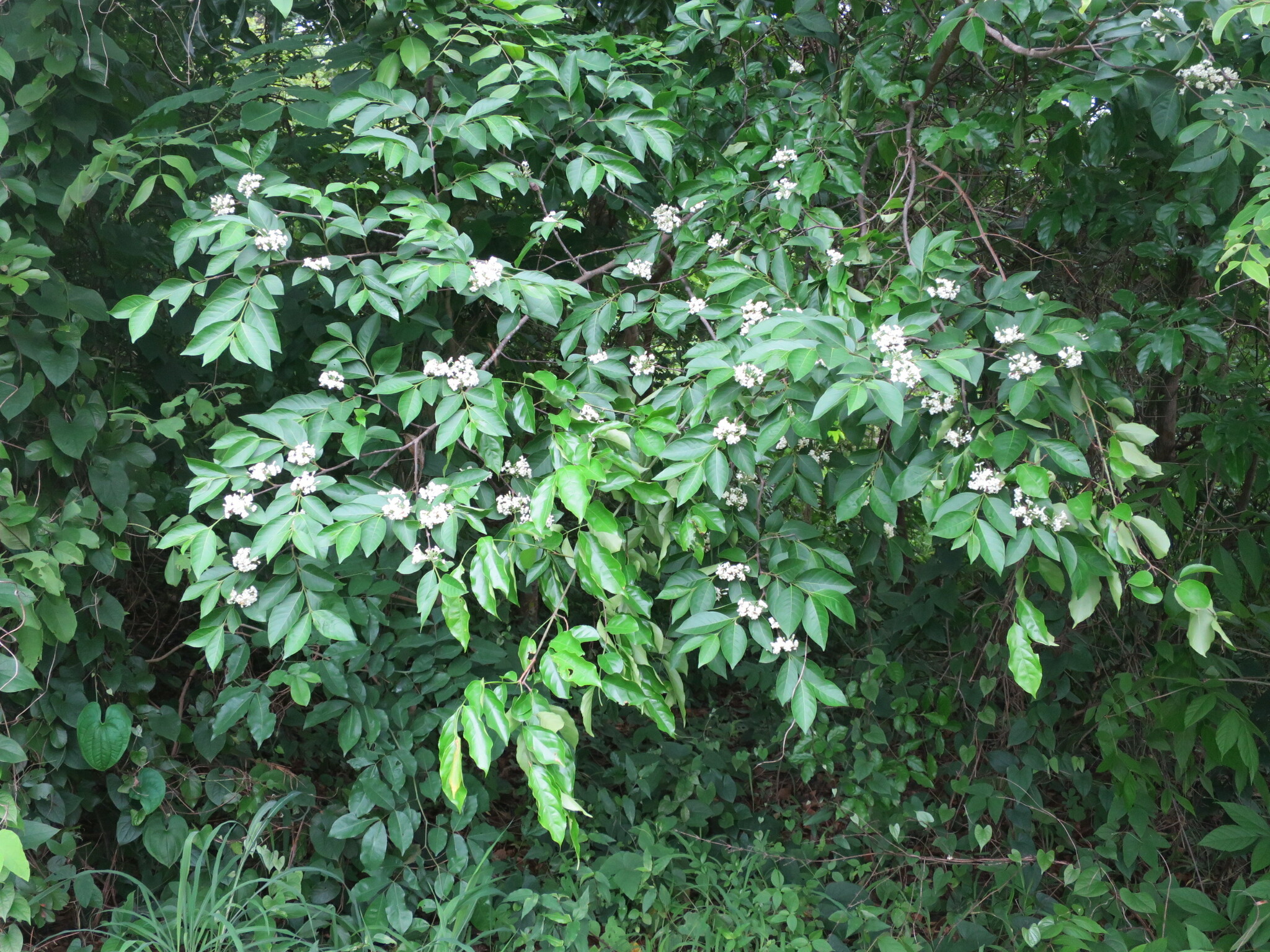
Physically, Holarrhena pubescens typically grows as a shrub or a small tree, reaching heights that can vary but are generally modest. Its growth habit is often upright. The leaves are a notable feature, being simple, opposite, and ovate to elliptic in shape, with a characteristic downy or pubescent surface, which is reflected in the specific epithet "pubescens." The plant produces showy inflorescences bearing numerous white flowers. These flowers are typically fragrant and possess a trumpet-like corolla, a common characteristic within the Apocynaceae family. Following flowering, the plant develops fruits, which are often long, slender follicles containing seeds. The bark of Holarrhena pubescens can vary in texture and color, contributing to its overall morphology.
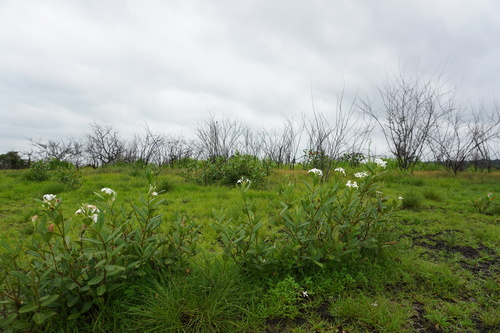
The native distribution of Holarrhena pubescens spans across tropical and subtropical regions, particularly in Asia. It is commonly found in India, Southeast Asia, and parts of Africa. This species thrives in a variety of natural habitats, often inhabiting dry deciduous forests, scrublands, and open woodlands. It prefers well-drained soils and can tolerate a range of conditions, though it generally flourishes in areas with adequate sunlight. While widely distributed in its native regions, its cultivation outside these areas is less common, primarily confined to botanical gardens or specialized collections for its ornamental value.
Holarrhena pubescens has garnered attention for its medicinal properties, with various parts of the plant historically used in traditional medicine systems. Scientific investigations have explored its chemical constituents, some of which have demonstrated biological activities. For instance, compounds isolated from the plant have been studied for their potential pharmacological effects. Beyond its medicinal uses, the plant's attractive white flowers make it a visually appealing specimen in its natural environment and potentially in horticultural settings where conditions are suitable.
An interesting characteristic of Holarrhena pubescens is its adaptation to its environment. The pubescent nature of its leaves may serve a protective function, potentially reducing water loss through transpiration or deterring herbivores. The production of numerous seeds within its fruits ensures its propagation and survival in its native ecosystems. The presence of specific alkaloids within the plant contributes to its bitter taste, hence the common name Bitter Oleander, and is often linked to its medicinal applications and potential toxicity if ingested improperly.
Well-draining soil is essential. A mix of loam and sand with good aeration is suitable.
Temperature
Ideal growing temperature is between 18-25°C.
Habitat
Outdoor, Greenhouse
Fertilizer
Feed with a balanced liquid fertilizer during the growing season.
Care Requirements
Light
Prefers full sun to partial shade.
Protect from intense afternoon sun.
Water
Water when the top inch of soil is dry.
Reduce in winter.
Soil
Well-draining soil is essential. A mix of loam and sand with good aeration is suitable.
Temperature
Ideal growing temperature is between 18-25°C.
Avoid frost.
Habitat
Outdoor, Greenhouse
Fertilizer
Feed with a balanced liquid fertilizer during the growing season.
Every 4-6 weeks.
Plant Overview
Plant Type
Shrub, Tree
Plant Category
Flowering, Medicinal, Ornamental
Plant Place Type
Ground, Garden, Pot
Plant Environment
Outdoor, Greenhouse
Lifespan
Perennials
Plant Height
3-6 m
Spread
2-4 m
Growth Rate
Moderate
Dormancy
None
Leaf Color
Green
Leaf Type
Simple
Flower Size
3-5 cm
Image Gallery
Flowering & Fruiting Cycles
Monthly activity intensity for bloom and fruit across both hemispheres.
Northern hemisphere
Flowering & fruiting calendar
Peak bloom · JunPeak fruit · Jul
FloweringFruiting
Southern hemisphere
Flowering & fruiting calendar
Peak bloom · JunPeak fruit · Jul
FloweringFruiting
Synonyms
Chonemorpha antidysenterica G.Don
Chonemorpha pubescens (Wall. ex G.Don) G.Don
Echites adglutinatus Burm.f.
Elytropus pubescens (Wall. ex G.Don) Miers
Holarrhena antidysenterica (G.Don) Wall. ex A.DC.
Holarrhena codaga G.Don
Holarrhena febrifuga Klotzsch
Holarrhena fischeri K.Schum.
Holarrhena glaberrima Markgr.
Holarrhena glabra Klotzsch
Holarrhena macrocarpa (Hassk.) Fern.-Vill.
Holarrhena malaccensis Wight
Holarrhena perrotii Spire
Holarrhena pierrei Spire
Holarrhena tettensis Klotzsch
Holarrhena villosa Aiton ex Loudon
Nerium sinense W.Hunter
Physetobasis macrocarpa Hassk.
Taxonomy
kingdomPlantae
divisionTracheophyta
classMagnoliopsida
orderGentianales
familyApocynaceae
genusHolarrhena
speciesHolarrhena pubescens
Toxicity
Toxic for humans
Yes
Rating: 5/5
Toxic for pets
Yes
Rating: 5/5
Edible
No
Additional Care Tips
Water thoroughly when the top inch of soil feels dry. Ensure good drainage to prevent root rot. Reduce watering during winter dormancy.
Prune after flowering to maintain shape and encourage bushier growth. Remove any dead or damaged branches to promote plant health and vigor.
Easily propagated from seeds sown in spring or from semi-hardwood cuttings taken during summer. Ensure cuttings have good rooting hormone.
Repot young plants annually in spring. Mature plants can be repotted every 2-3 years or when root-bound. Use a slightly larger pot with fresh potting mix.
FAQs
Is Bitter Oleander poisonous to pets?
Yes, Holarrhena pubescens is considered toxic to pets, potentially causing gastrointestinal upset or more severe symptoms if ingested.
What are the toxicity concerns for humans?
The plant contains alkaloids and is considered toxic to humans if ingested. It is not recommended for consumption.
How often should I water my Bitter Oleander?
Water thoroughly when the top inch of soil is dry. Reduce watering during the winter months when growth slows down.
What kind of soil does Bitter Oleander prefer?
It thrives in well-draining soil. A mix of loam and sand that allows for good aeration is ideal to prevent waterlogging.
When is the best time to prune Bitter Oleander?
Pruning is best done after the plant has finished flowering. This helps maintain its shape and encourages more robust growth in the next season.