Water
Water deeply when the top 5-10 cm of soil is dry. Reduce watering significantly during winter dormancy to prevent root rot. Allow the soil to dry out between waterings, especially in warmer months.
Also known as Common Terebinth · Cornicabra (spanish) · Cyprus Turpentine Tree
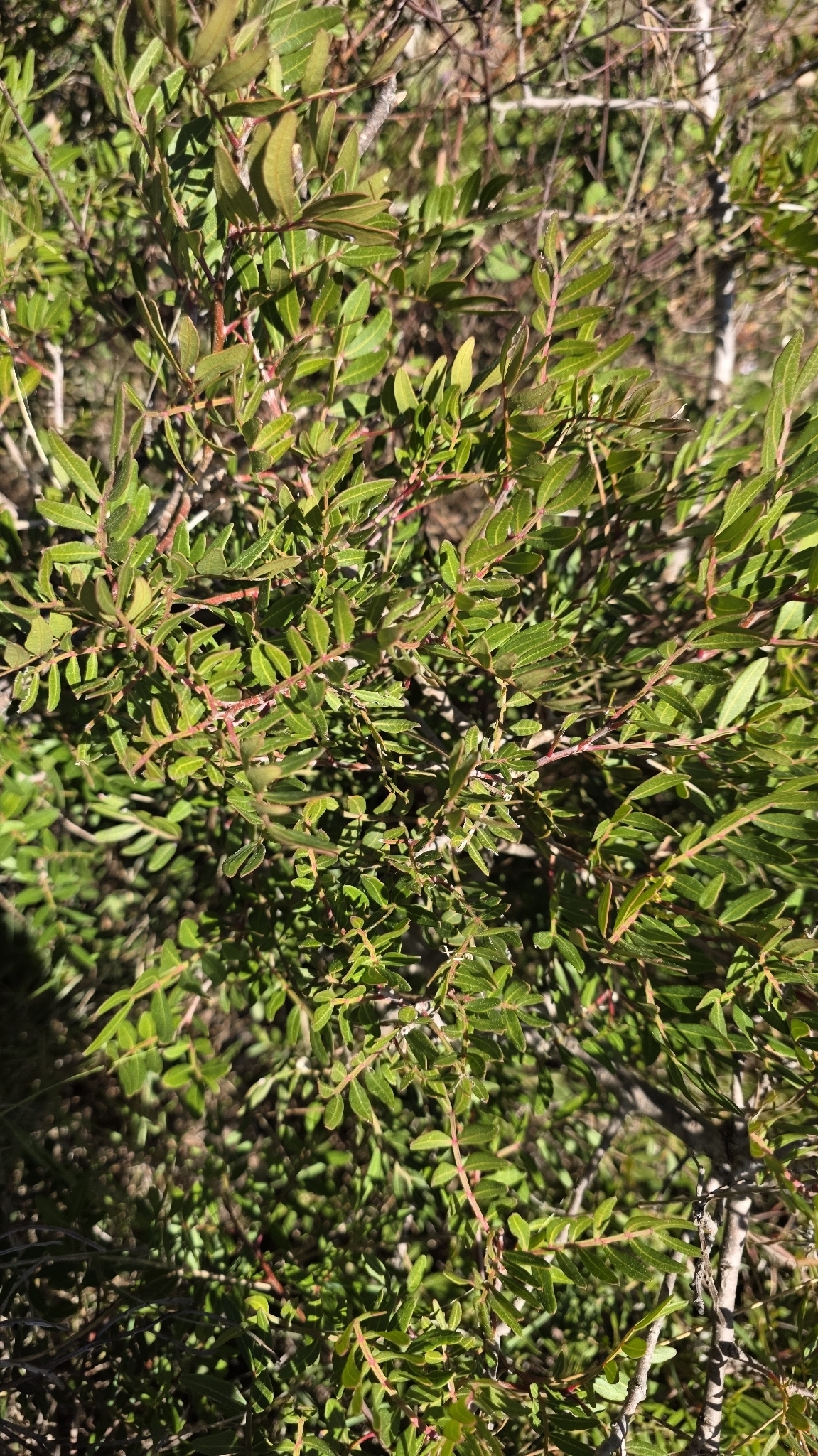
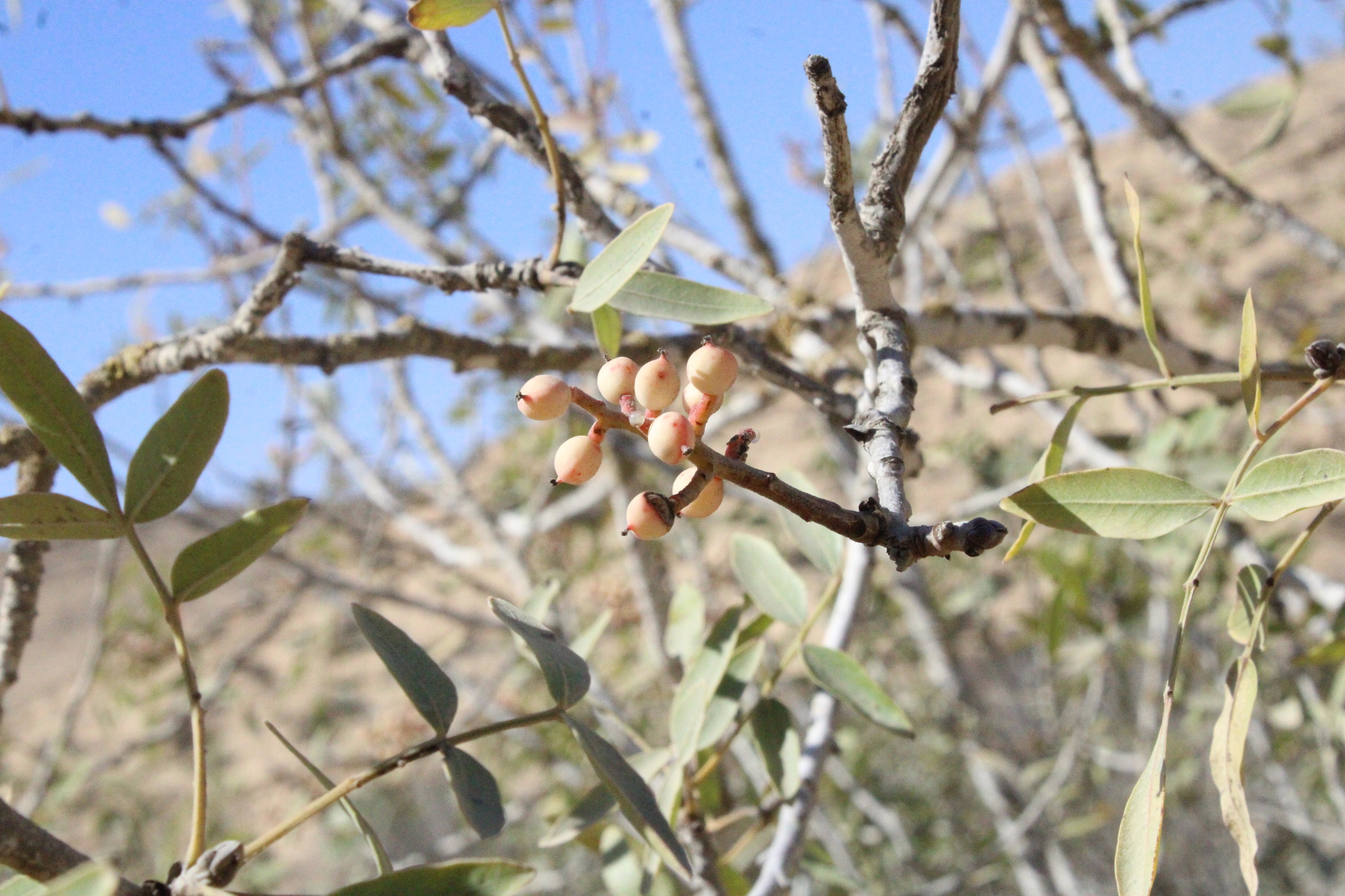
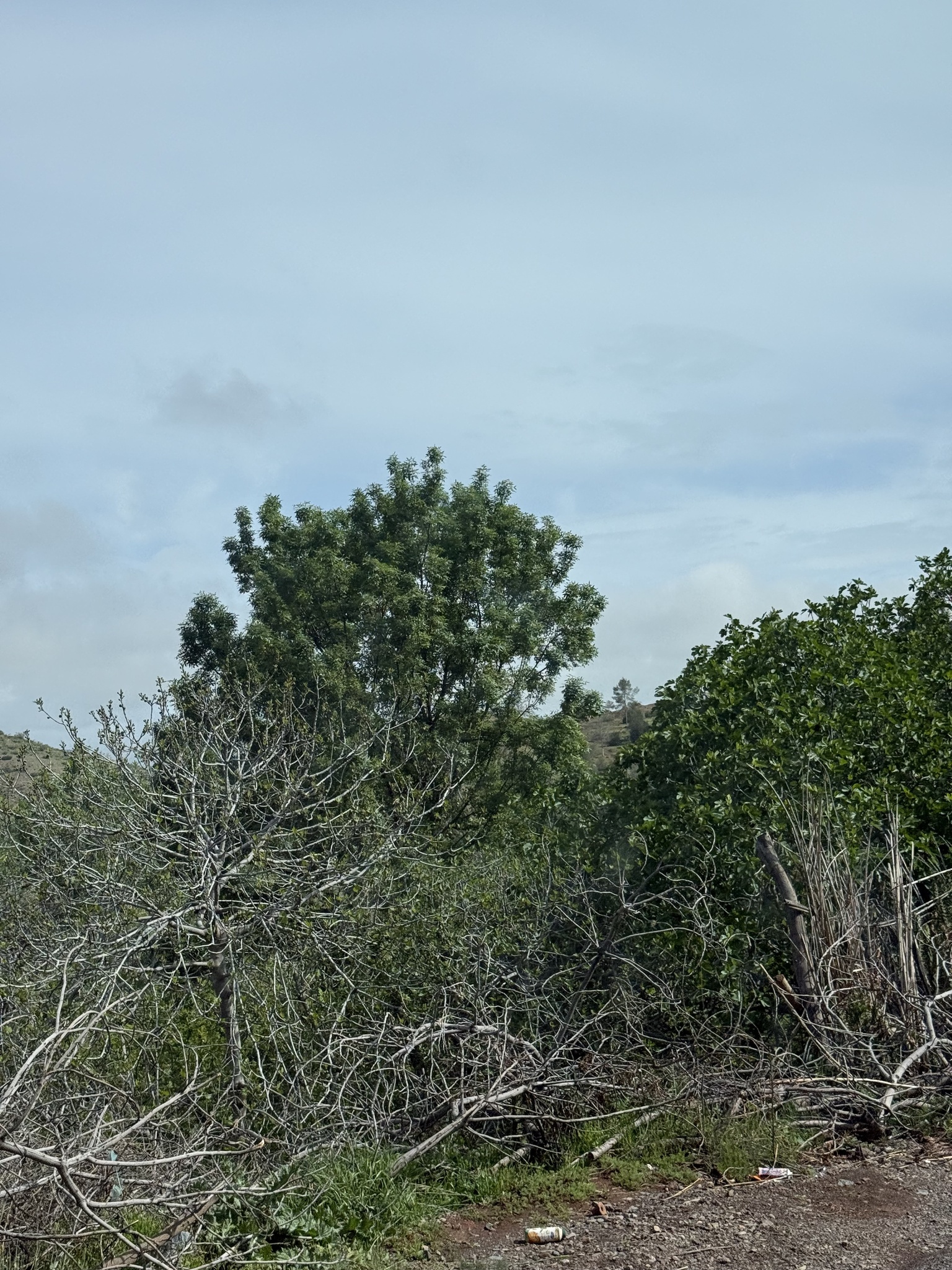
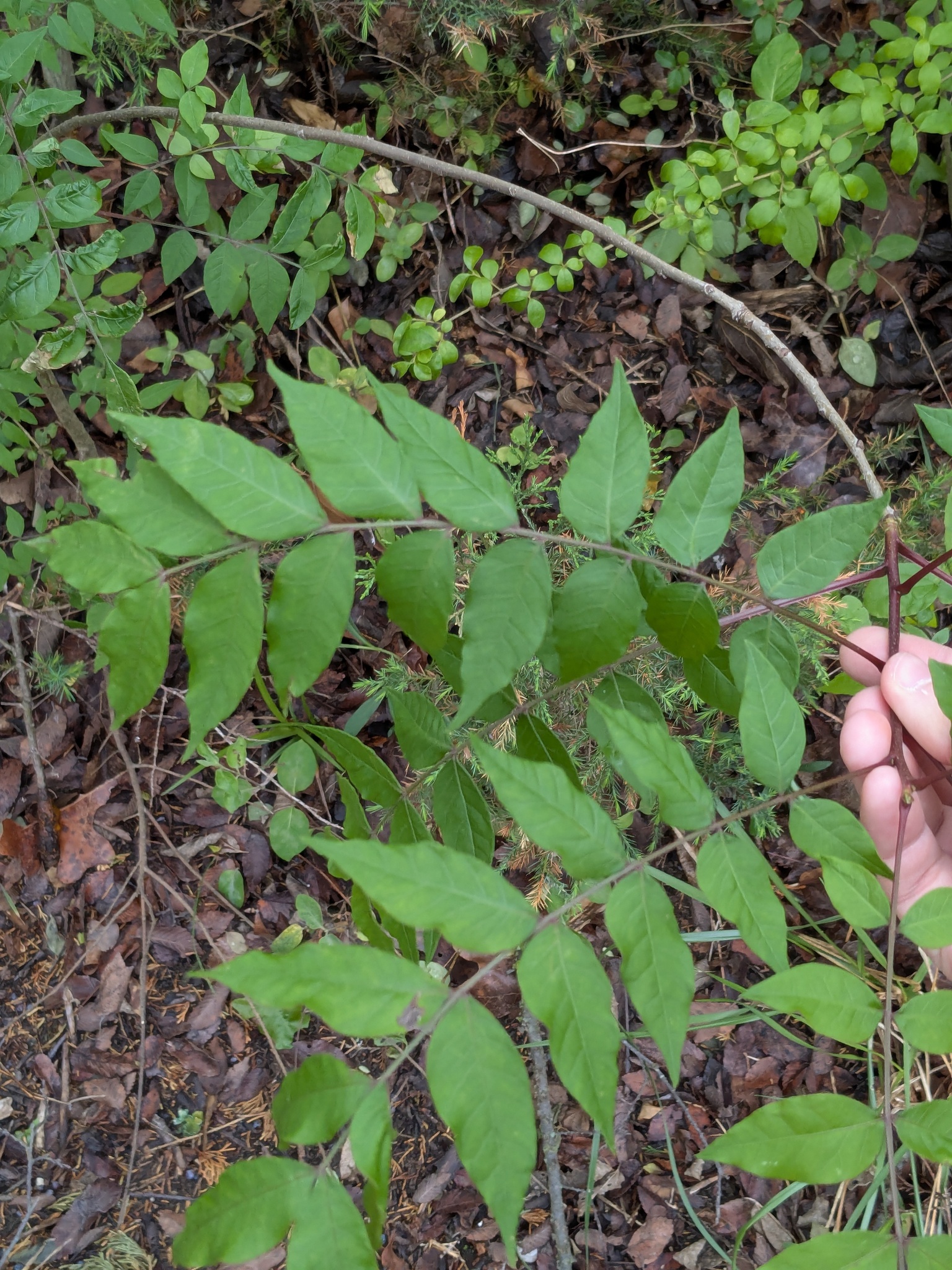
Terebinth (Pistacia terebinthus) is a deciduous shrub or small tree native to the Mediterranean region, known for its aromatic foliage and small, reddish fruits.
At-a-glance light, water, soil, and growing conditions from plant data
Full Sun
100% intensity
Prefers at least 6 hours of direct sunlight daily for optimal growth and flowering.
Drought Tolerant
25% intensity
Water deeply when the topsoil is dry; reduce in winter.
Well-drained, Sandy, Loamy, Clay
50% intensity
Moderate to High
75% intensity
Thrives in warm climates; can tolerate some frost once established but prefers mild winters.
Low Feed
25% intensity
Generally does not require fertilization, especially established plants.
Safety information from plant toxicity data
| Attribute | Value |
|---|---|
| Toxic for humans | No 0/5 intensity |
| Toxic for pets | No 0/5 intensity |
| Edible | Yes |
The fruits are edible. The resin can be an irritant or allergen for some individuals, but the plant is not generally considered poisonous upon ingestion.
Key traits and growing stats from plant data
Watering, pruning, propagation, and repotting details from plant data
Water deeply when the top 5-10 cm of soil is dry. Reduce watering significantly during winter dormancy to prevent root rot. Allow the soil to dry out between waterings, especially in warmer months.
Prune to shape the tree, remove dead or crossing branches, and maintain a desired size. Best done in late winter or early spring before new growth begins. Avoid heavy pruning, as it can stress the plant.
Propagate from seed, which may require stratification. Cuttings can also be taken from semi-hardwood in summer, but rooting can be challenging. Patience is key with terebinth propagation.
Repot only when absolutely necessary, typically every 3-5 years for young plants, or when root-bound. Use a well-draining soil mix. Choose a pot that is only slightly larger than the current one.
Identify plants like this with ePlant AI
Snap a photo to get care tips and match similar species on the go.
Monthly activity intensity for bloom and fruit across both hemispheres.
Flowering & fruiting calendar
Flowering & fruiting calendar
Photos of Terebinth (Pistacia terebinthus)
Where Terebinth (Pistacia terebinthus) is found

Density
Tap map to explore
Common names and botanical synonyms
Botanical classification
| Rank | Name |
|---|---|
| Kingdom | Plantae |
| Division | Tracheophyta |
| Class | Magnoliopsida |
| Order | Sapindales |
| Family | Anacardiaceae |
| Genus | Pistacia |
| Species | Pistacia terebinthus |
Similar in genus Pistacia
Answers based on plant encyclopedia data