Tigerwood Tree (Astronium fraxinifolium) – Benefits, Growing Guide & Care | ePlant AI
Tigerwood (Astronium fraxinifolium)
Tigerwood (Astronium fraxinifolium) is a large tropical tree valued for its striking, dark-streaked wood and attractive foliage, used for woodworking and ornamental purposes.
Astronium fraxinifolium, commonly known as Tigerwood, is a striking tree species recognized for its distinctive wood and attractive foliage. This species is a member of the Anacardiaceae family, which also includes mangoes and cashews, though it is not cultivated for edible fruits. Tigerwood is valued in its native range and increasingly in horticulture for its ornamental qualities and durable timber.
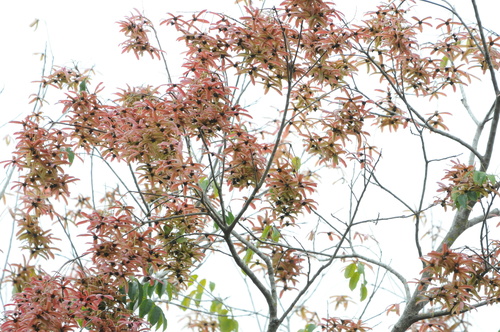
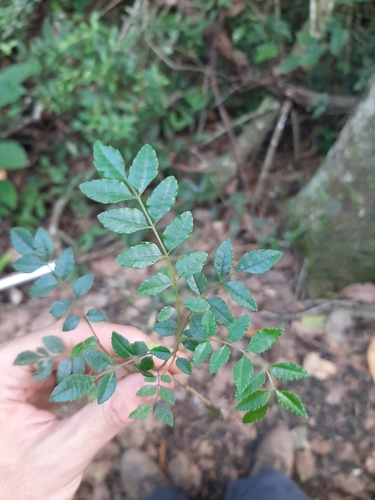
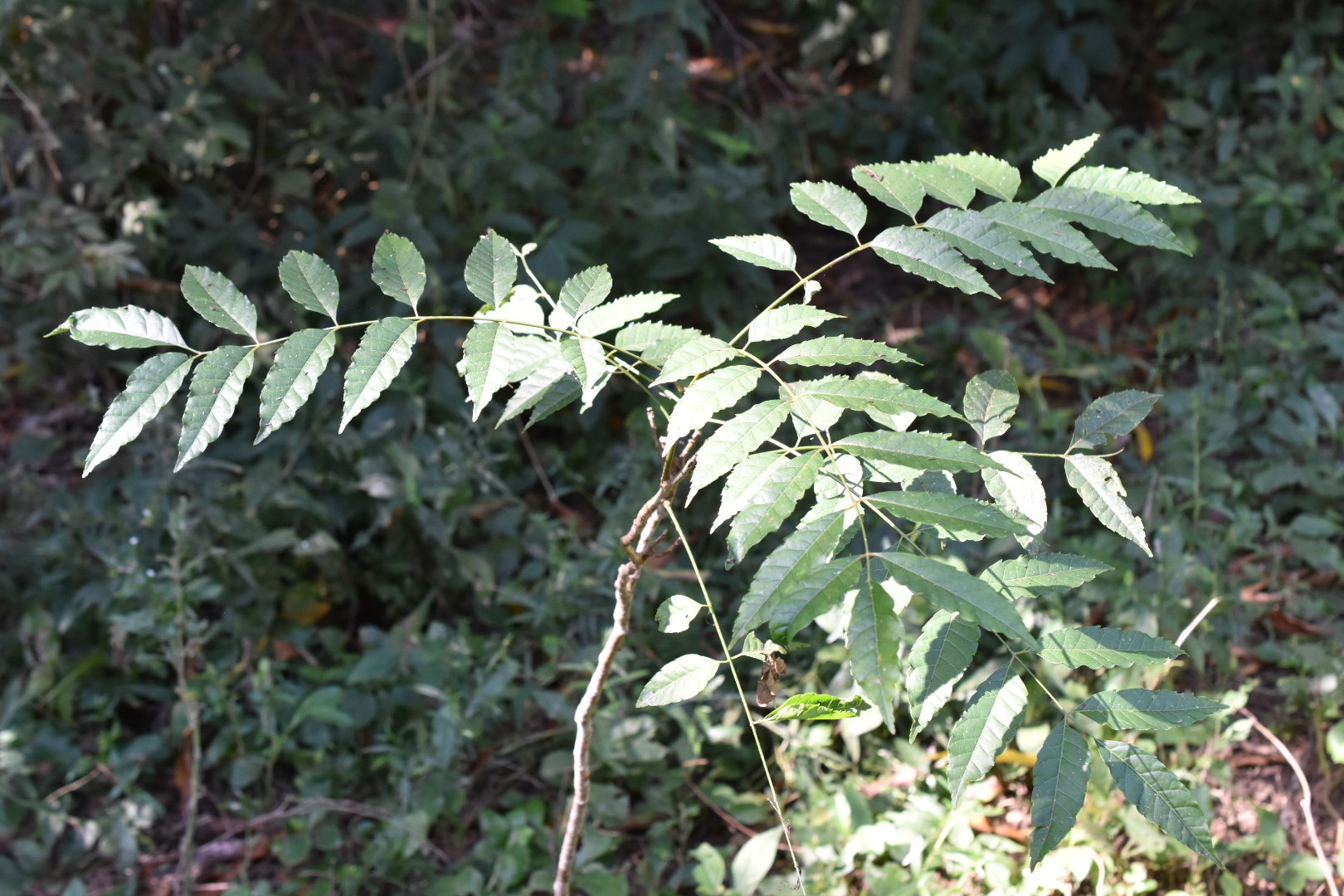
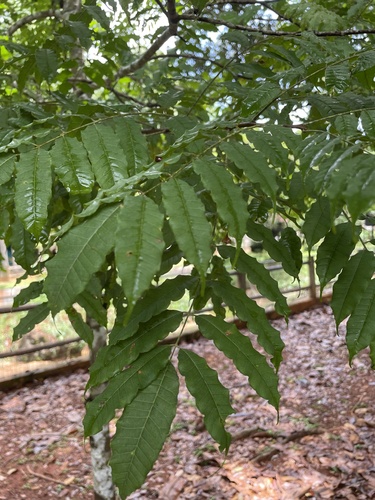
Physically, Astronium fraxinifolium is a medium to large tree, typically reaching heights of 15 to 25 meters, though it can occasionally grow taller. Its growth habit is generally upright with a dense, rounded crown. The leaves are pinnately compound, meaning they are composed of multiple leaflets arranged along a central stem. The leaflets are usually ovate to lanceolate, with serrated margins, and possess a glossy, dark green surface. The arrangement and shape of these leaves contribute to the tree's elegant appearance. During the flowering season, Astronium fraxinifolium produces inflorescences of small, inconspicuous flowers. These flowers are typically yellowish-white and are borne in panicles. Following pollination, the tree develops small, winged fruits, which aid in wind dispersal. The bark of mature trees is a notable characteristic, often described as fissured or deeply furrowed, with a grayish-brown to reddish-brown coloration, which can contribute to its common name.
The native distribution of Astronium fraxinifolium is primarily in South America, specifically in Brazil, where it is found in various forest types, including the Atlantic Forest and Cerrado biomes. It thrives in tropical and subtropical climates and prefers well-drained soils. While it is adapted to its native environment, it can also be cultivated in suitable climates outside its natural range. Successful cultivation requires adequate sunlight and protection from prolonged frost.
Economically, Astronium fraxinifolium is significant for its timber. The wood is known for its exceptional hardness, durability, and attractive, irregular dark streaks that give it a "tiger-like" appearance, hence its common name. This distinctive grain pattern makes it highly sought after for fine furniture, flooring, cabinetry, and decorative veneers. Its resistance to decay and insects further enhances its value as a construction material. Ecologically, as a component of its native forests, Tigerwood plays a role in providing habitat and contributing to the overall biodiversity of these ecosystems.
An interesting characteristic of Astronium fraxinifolium is the presence of resin canals within its wood, which contribute to its unique visual appeal and durability. The species exhibits adaptations to its native environment, such as tolerance to varying soil conditions and rainfall patterns, which are crucial for its survival and growth in diverse South American landscapes. Its ornamental appeal, coupled with its valuable timber, makes Astronium fraxinifolium a noteworthy species in both botanical and commercial contexts.
Well-draining soil, adaptable to various types but prefers loamy or sandy soils.
Temperature
Thrives in warm temperatures.
Habitat
Outdoor, Greenhouse
Fertilizer
Feed during the growing season.
Care Requirements
Light
Prefers full sun but tolerates partial shade.
Provide ample light for best growth.
Water
Water when the top soil is dry.
Avoid waterlogged conditions.
Soil
Well-draining soil, adaptable to various types but prefers loamy or sandy soils.
Temperature
Thrives in warm temperatures.
Protect from frost; ideal range 20-30°C.
Habitat
Outdoor, Greenhouse
Fertilizer
Feed during the growing season.
Use a balanced liquid fertilizer monthly.
Plant Overview
Plant Type
Tree
Plant Category
Foliage, Ornamental
Plant Place Type
Ground
Plant Environment
Outdoor, Greenhouse
Lifespan
Perennials
Plant Height
15-25 m
Spread
8-12 m
Growth Rate
Moderate
Dormancy
None
Leaf Color
Green
Leaf Type
Compound
Flower Size
0.5 cm
Image Gallery
Flowering & Fruiting Cycles
Monthly activity intensity for bloom and fruit across both hemispheres.
Northern hemisphere
Flowering & fruiting calendar
Peak bloom · JulPeak fruit · Sep
FloweringFruiting
Southern hemisphere
Flowering & fruiting calendar
Peak bloom · MayPeak fruit · Aug
FloweringFruiting
Taxonomy
kingdomPlantae
divisionTracheophyta
classMagnoliopsida
orderSapindales
familyAnacardiaceae
genusAstronium
speciesAstronium fraxinifolium
Toxicity
Toxic for humans
No
Rating: 0/5
Toxic for pets
No
Rating: 0/5
Edible
No
Additional Care Tips
Water deeply when the top few inches of soil feel dry. Avoid waterlogged conditions, as this can lead to root rot. During dry spells, increase watering frequency.
Prune to shape the tree, remove dead or damaged branches, and maintain a desired structure. Best done in late winter or early spring before new growth begins.
Easily propagated from seeds sown in spring. Cuttings can also be taken from semi-hardwood in summer, though germination from seed is more common.
Young trees may require repotting every 2-3 years into a slightly larger container. Mature trees in the ground generally do not need repotting.
FAQs
What is the mature size of Astronium fraxinifolium?
Astronium fraxinifolium typically reaches a height of 15-25 meters with a spread of 8-12 meters, forming a large, spreading canopy.
Does Tigerwood require special soil conditions?
Tigerwood is adaptable to various soil types but prefers well-draining, loamy or sandy soils. It does not tolerate waterlogged conditions.
Is Astronium fraxinifolium poisonous to pets or humans?
Astronium fraxinifolium is not considered poisonous to pets or humans. However, it is always best to prevent ingestion of any plant material.
How often should I water Tigerwood?
Water Tigerwood deeply when the top few inches of soil are dry. Reduce watering in cooler months and avoid overwatering, which can cause root rot.
What is the best way to propagate Astronium fraxinifolium?
The most common and effective method for propagating Astronium fraxinifolium is by sowing seeds in spring. Cuttings can also be taken from semi-hardwood in summer.