Skip to plant details

ChayoteSicyos edulis

Also known as Alligator Pear · Chayotte · Chocho

  • Category: Fruit
  • Type: Vine
  • Sunlight: Full sun
  • Water: Consistent moisture
  • Temperature: Warm

Chayote (Sicyos edulis) is a vigorous, trailing vine producing edible fruits, tubers, and leaves. It thrives in warm climates and is a nutritious addition to the garden.

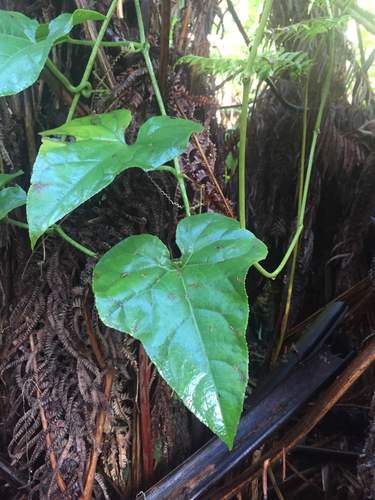
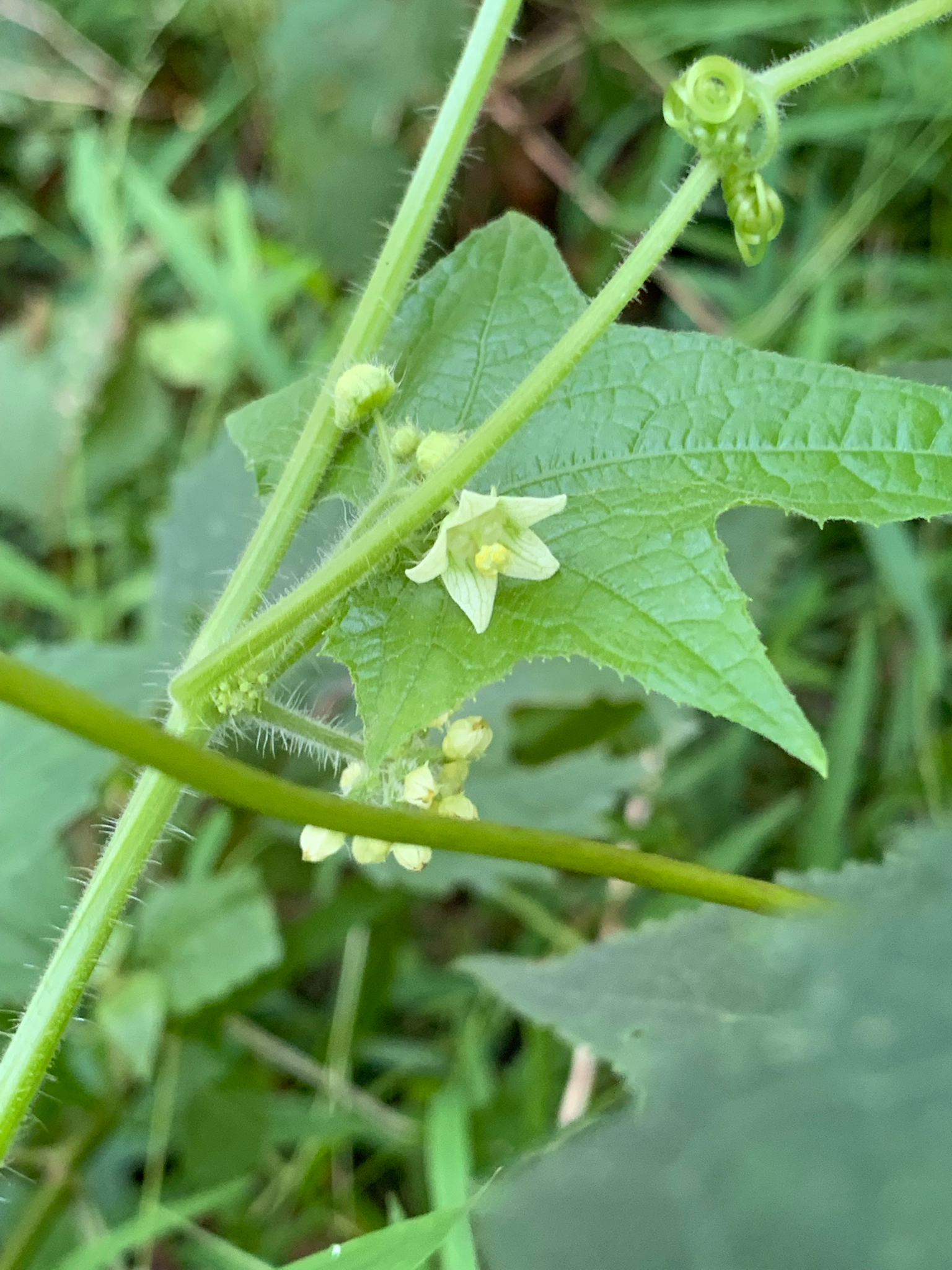
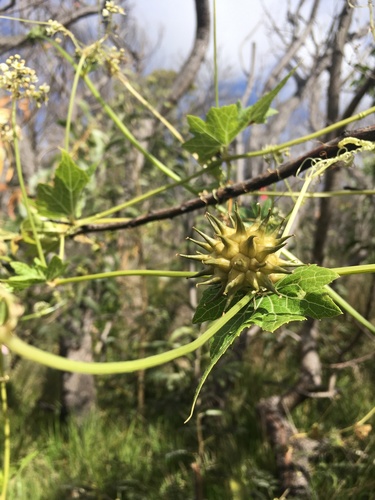
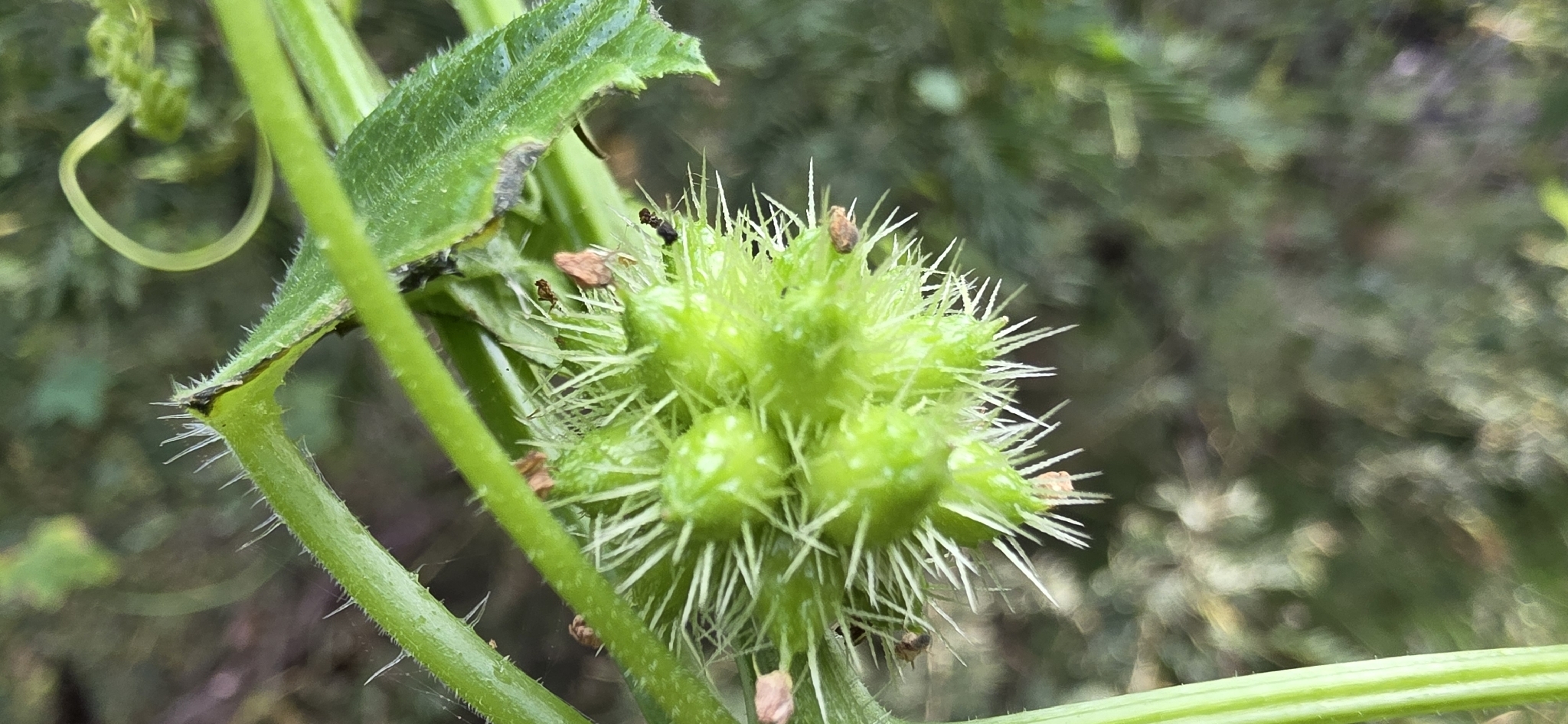
Sicyos edulis, commonly known as chayote, is a vigorous, perennial vine belonging to the Cucurbitaceae family. This plant holds significant importance primarily as a food crop, valued for its edible fruit and, in some regions, its tender shoots and starchy roots. Its widespread cultivation and culinary use have made it a staple in many tropical and subtropical cuisines. The growth habit of Sicyos edulis is that of a climbing vine, capable of reaching considerable lengths, often extending over fences, trellises, or other supporting structures. The stems are typically angular and somewhat hairy. Its leaves are large, palmately lobed, and heart-shaped, with a rough texture. These leaves are arranged alternately along the stem. The plant produces tendrils, which are slender, coiling structures that aid in its climbing ability. The flowers are unisexual, with male and female flowers borne on the same plant, a characteristic known as monoecy. The male flowers are typically borne in elongated racemes, while the female flowers are solitary or in small clusters. The fruit, which is the most commonly consumed part, is a pear-shaped or ovate berry, typically green or white, with a smooth or slightly ribbed surface. The flesh of the fruit is pale and firm, with a single, large, white seed at its center. The bark is not a particularly distinguishing feature of this vine. Sicyos edulis is native to Mexico and Central America, where it thrives in tropical and subtropical climates. It prefers well-drained soils and requires ample sunlight for optimal growth and fruit production. While it is a perennial in its native, frost-free regions, it is often grown as an annual in areas with colder winters. Cultivation requirements generally include providing a sturdy support system for the vine and ensuring consistent moisture, particularly during dry periods. The primary importance of Sicyos edulis lies in its agricultural and culinary value. The fruit is a nutritious vegetable, low in calories and a good source of vitamin C, folate, and fiber. It can be eaten raw, cooked in various dishes, or pickled. The young shoots and leaves are also edible and are consumed as a leafy green vegetable in some cultures. The starchy root is edible in some varieties, though less commonly consumed than the fruit. Beyond its food uses, Sicyos edulis has some ornamental appeal due to its vigorous growth and attractive foliage, though it is not typically cultivated for purely ornamental purposes. An interesting characteristic of Sicyos edulis is its ability to produce a substantial amount of edible biomass from a single plant. The vine's rapid growth and prolific fruiting make it an efficient crop in suitable environments. The seed within the fruit remains viable and is the primary means of propagation. The plant's adaptability to various soil types and its relative ease of cultivation contribute to its widespread presence in agricultural landscapes across tropical and subtropical regions.

Photograph © 葉子 · CC0

Chayote Care Summary

At-a-glance light, water, soil, and growing conditions from plant data

Light

Full sun

100% intensity

Prefers at least 6-8 hours of direct sunlight daily for best growth and fruiting.

Water

Consistent moisture

75% intensity

Water deeply when the top 2-3 cm of soil is dry. Avoid waterlogging.

Soil

Well-drained, fertile

50% intensity

Temperature

Warm

75% intensity

Thrives in warm temperatures, ideal range is 20-30°C. Sensitive to frost.

Fertilizer

Regular feeding

75% intensity

Feed with a balanced fertilizer every 6-8 weeks, higher in phosphorus during fruiting.

Chayote Toxicity

Safety information from plant toxicity data

Toxicity details for Chayote
AttributeValue
Toxic for humansNo

0/5 intensity

Toxic for petsNo

0/5 intensity

EdibleYes

None

Chayote Quick Facts

Key traits and growing stats from plant data

Plant Type
Vine
Plant Category
Fruit
Plant Place Type
Garden, Pot
Lifespan
Perennial
Plant Height
3-10 m
Spread
3-6 m
Growth Rate
Fast
Dormancy
None
Leaf Color
Green
Leaf Type
Lobed
Flower Size
1-3 cm
Optimal Sunlight Lux
60000

Care guide for Chayote

Watering, pruning, propagation, and repotting details from plant data

Water

Chayote thrives with consistent moisture. Water deeply when the top 2-3 cm of soil feels dry, especially during dry periods or fruiting. Avoid waterlogged conditions, which can lead to root rot.

In hot climates, more frequent watering may be necessary to maintain optimal soil hydration.

Pruning

Pruning is primarily for managing growth and improving air circulation. Remove dead, diseased, or damaged stems.

As the plant is a vigorous vine, you can prune to shape it and keep it from overgrowing its support structure. Heavy pruning is best done in late winter or early spring.

Propagation

Chayote is typically propagated from its own fruit. Place a mature fruit with the stem end down in well-draining soil, burying about half of it. Keep the soil consistently moist and warm.

Germination usually occurs within 2-4 weeks.

Repotting

Chayote seedlings are usually transplanted outdoors after the danger of frost has passed and soil temperatures are warm. Once established, they are perennial vines but are often grown as annuals in cooler climates.

Repotting mature plants is generally not practical due to their size.

Identify plants like this with ePlant

Snap a photo to get care tips and match similar species on the go.

Try for Free

Flowering & Fruiting Cycles

Monthly activity intensity for bloom and fruit across both hemispheres.

Northern hemisphere

Flowering & fruiting calendar

Peak bloom · JulPeak fruit · Aug
FloweringFruiting
02468JanFebMarAprMayJunJulAugSepOctNovDecActivity intensityMonths1010
Southern hemisphere

Flowering & fruiting calendar

Peak bloom · DecPeak fruit · Jan
FloweringFruiting
02468JanFebMarAprMayJunJulAugSepOctNovDecActivity intensityMonths1010

Chayote Names & Synonyms

Common names and botanical synonyms

Common Names

  • Alligator Pear
  • Chayote
  • Chayotte
  • Chocho
  • Christophene
  • Waluh Jepang

Synonyms

  • Chayota edulis (Jacq.) Jacq.
  • Sechium americanum Poir.
  • Sechium edule (Jacq.) Sw.

Chayote Taxonomy

Botanical classification

Taxonomic classification of Chayote
RankName
kingdomPlantae
divisionTracheophyta
classMagnoliopsida
orderCucurbitales
familyCucurbitaceae
genusSicyos
speciesSicyos edulis

Chayote FAQs

Answers based on plant encyclopedia data

What is the best way to grow chayote?

Chayote thrives in warm climates with full sun. It requires fertile, well-drained soil and a strong support structure like a trellis or fence due to its vigorous vining habit. Consistent watering is important.

When is the best time to harvest chayote?

Chayote fruits are typically harvested when they reach a mature size, usually between 60 to 120 days after flowering, depending on the variety and climate. They are best picked before they become too hard.

How should chayote fruits be stored?

Chayote fruits can be stored in a cool, dark place for several weeks. For longer storage, they can be refrigerated. Avoid storing them with ripening fruits as this can hasten spoilage.

Can chayote be grown in pots?

Yes, chayote can be grown in large pots or containers, provided they are spacious enough to accommodate the root system and have a sturdy support for the vine to climb.

What are the common pests and diseases affecting chayote?

Chayote can be susceptible to common cucurbit pests like squash bugs, cucumber beetles, and aphids. Fungal diseases like powdery mildew can also occur, especially in humid conditions.