White Bladderflower (Araujia sericifera) is a fast-growing perennial vine known for its fragrant white flowers and distinctive bladder-like fruits. It is considered an in
Araujia sericifera, commonly known as Moth Vine, is a vigorous climbing plant native to South America, specifically Argentina, Brazil, Paraguay, and Uruguay. It is a member of the Apocynaceae family, which also includes many popular ornamental plants like oleanders and periwinkles. The plant's significance often lies in its striking appearance and its ecological interactions, though it is also recognized for its invasive potential in some regions outside its native range.
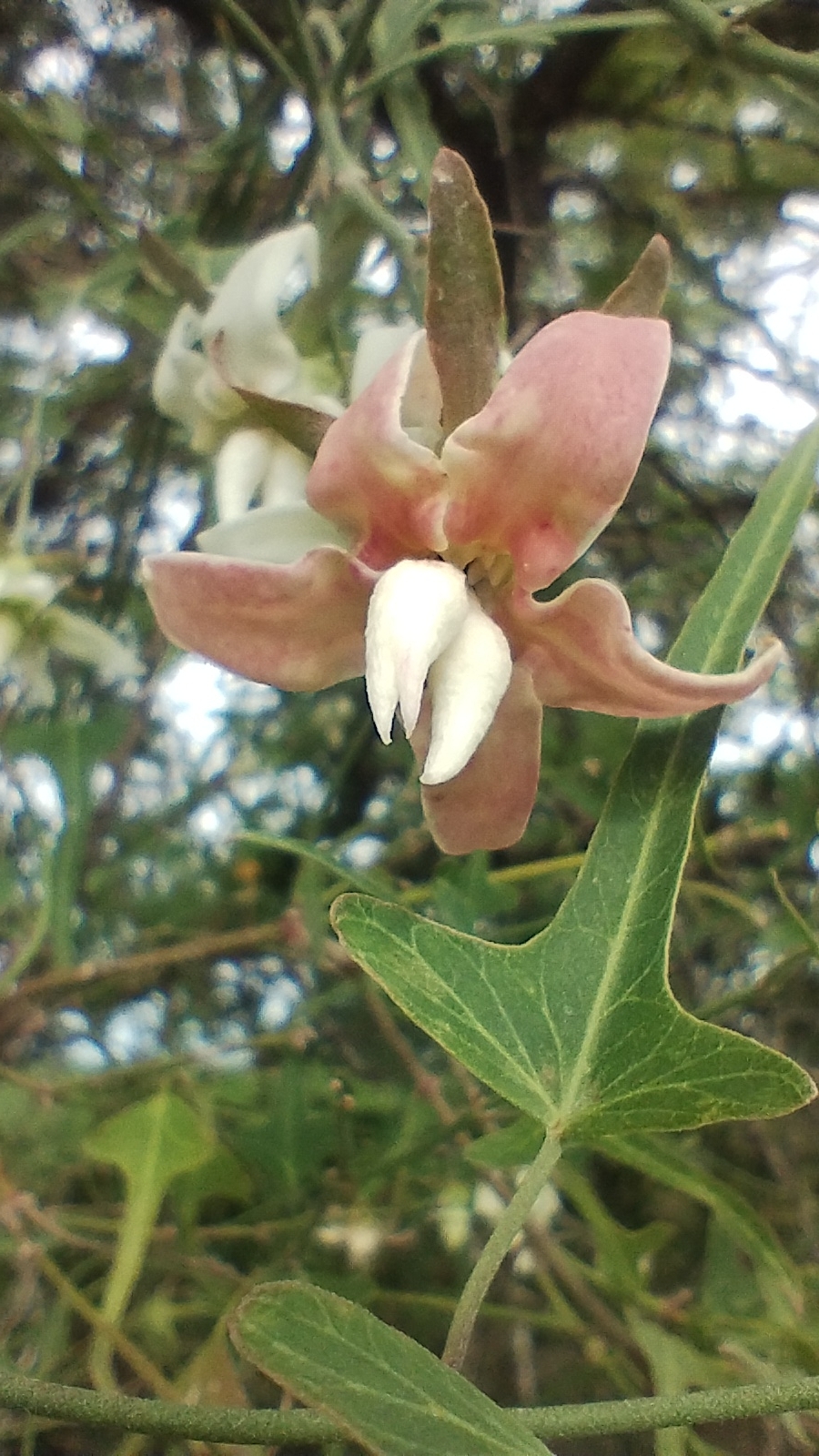
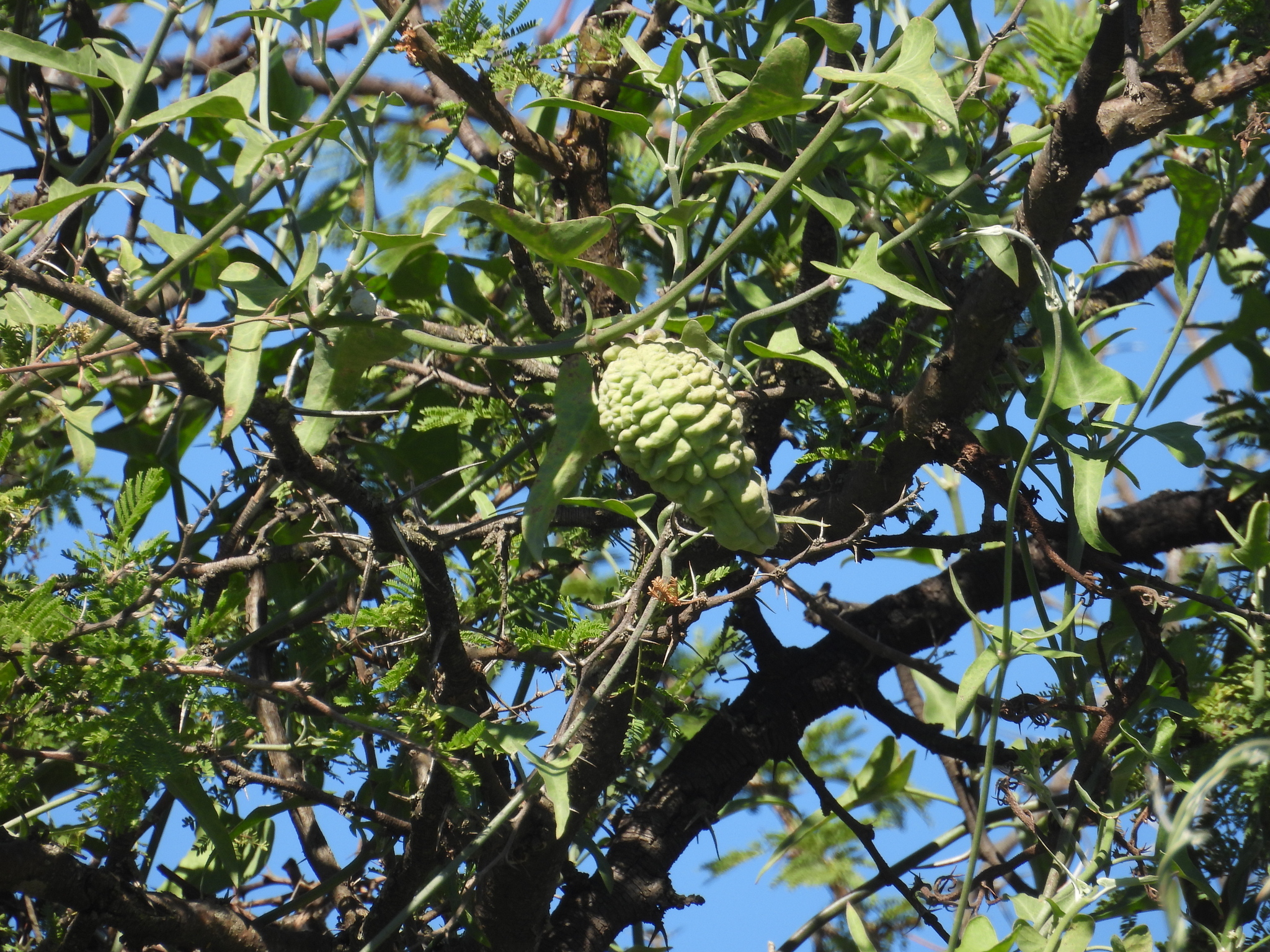
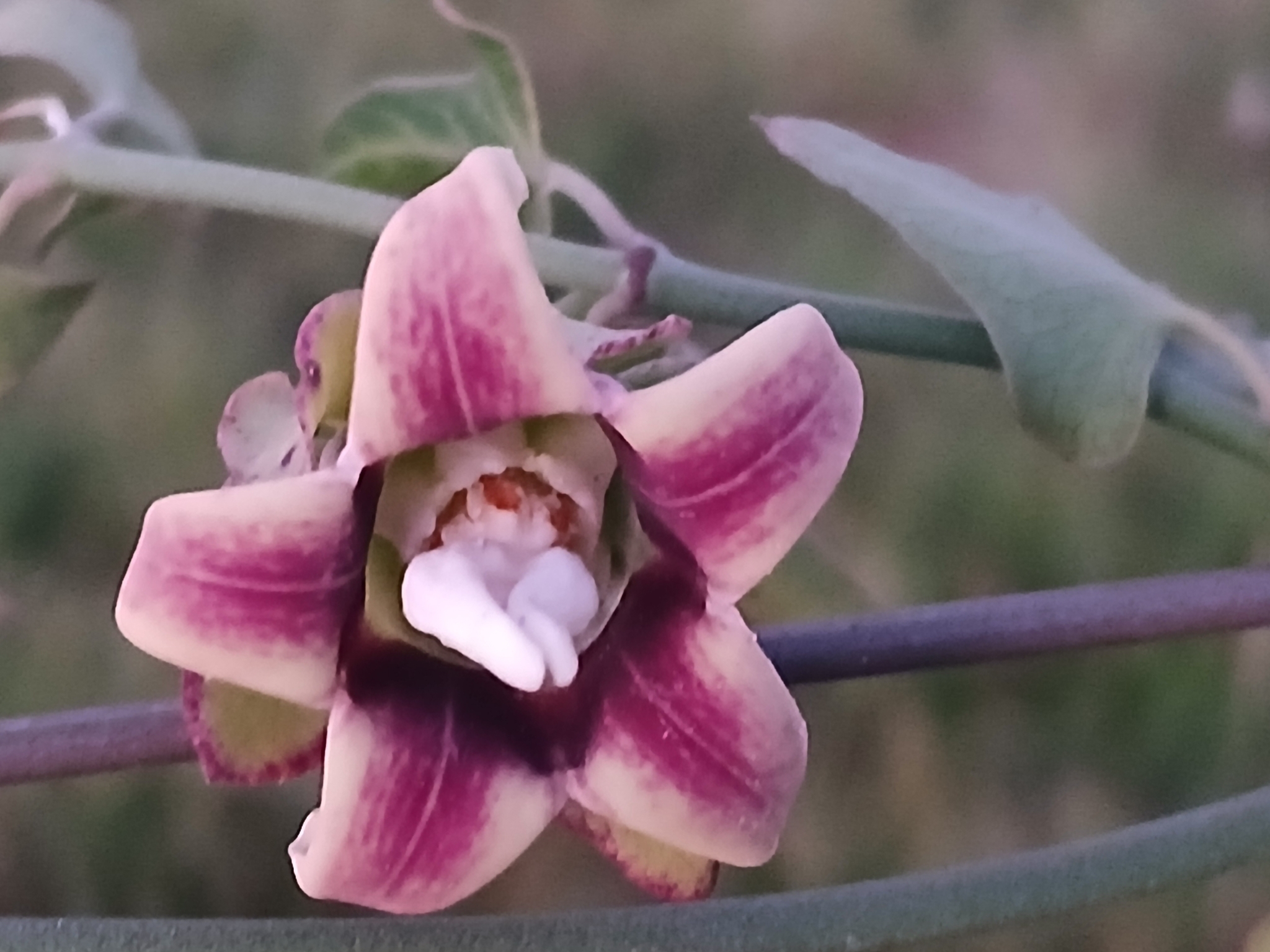
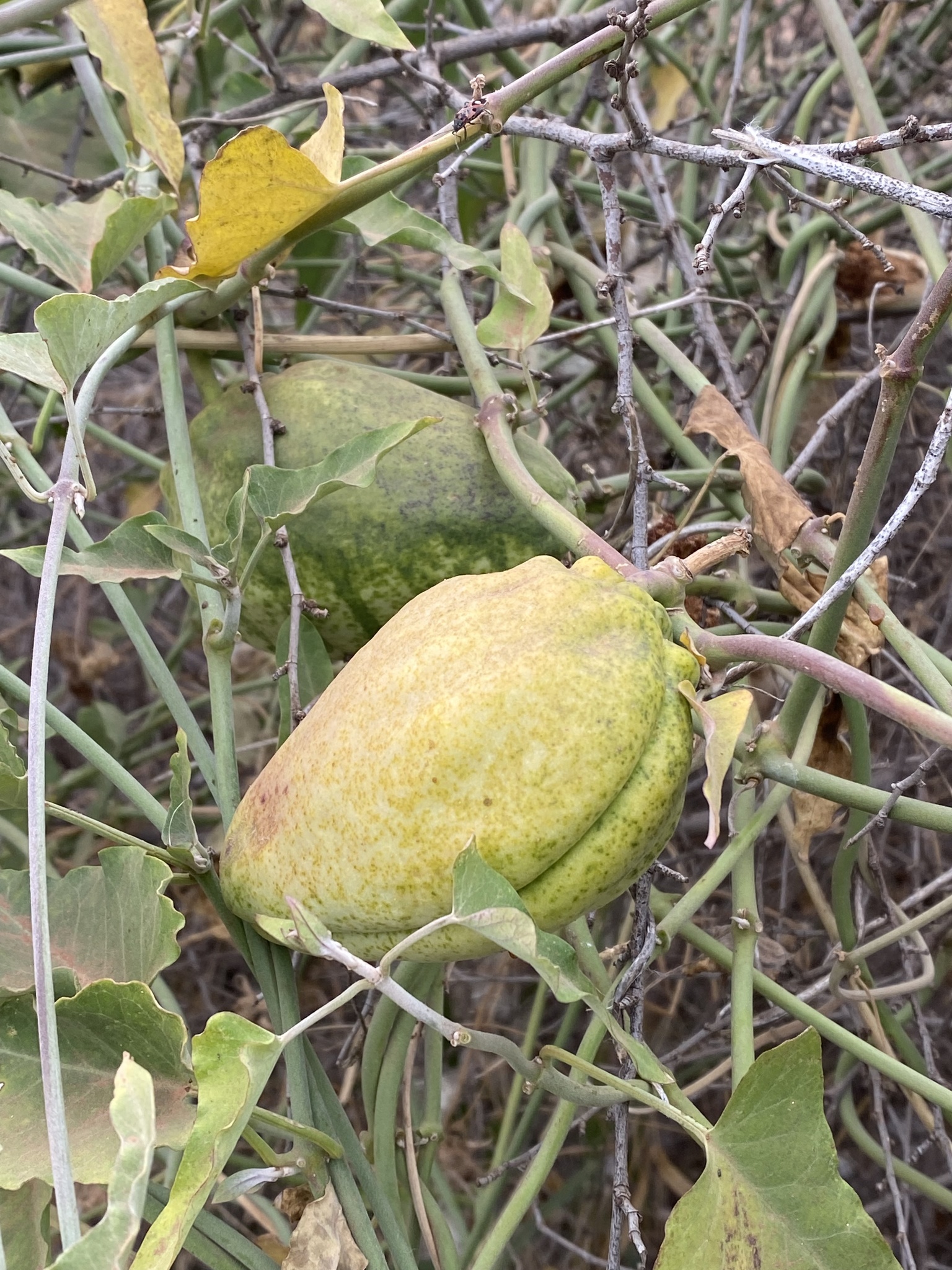
Physically, Araujia sericifera is characterized by its twining stems that can reach considerable lengths, often extending over fences, walls, and other vegetation. The leaves are opposite, ovate to broadly ovate, and typically measure 5-10 cm long and 3-6 cm wide. They are dark green and somewhat leathery in texture, with a paler underside. The plant produces attractive, fragrant flowers, usually white or pale pink, with a distinctive star shape and a prominent corona. These flowers are typically borne in clusters and are most fragrant at night, attracting nocturnal pollinators. Following pollination, the plant develops large, spindle-shaped, leathery fruits, often referred to as pods. These pods can be 8-15 cm long and contain numerous seeds. When mature, the pods split open to release a mass of silky white floss attached to the seeds, aiding in wind dispersal. The bark of older stems is typically smooth and greyish.
In its native habitat, Araujia sericifera thrives in a variety of environments, including open woodlands, savannas, and disturbed areas. It prefers well-drained soils and can tolerate a range of conditions, including full sun to partial shade. While it is cultivated in many parts of the world, its adaptability and rapid growth have led to it becoming an invasive species in some non-native regions, where it can outcompete native flora.
Ecologically, the Moth Vine plays a role in its native ecosystem by providing nectar for nocturnal insects. Its flowers are particularly attractive to moths, hence its common name. The silky seeds are dispersed by wind, allowing it to colonize new areas. In regions where it is considered invasive, it can form dense monocultures, smothering other plants and reducing biodiversity. Ornamentally, its attractive flowers and vigorous growth have led to its use in gardens, though its invasive tendencies necessitate careful consideration and management. There is limited scientifically documented evidence regarding significant medicinal, culinary, or economic uses for this species.
An interesting characteristic of Araujia sericifera is the milky latex sap it produces when cut or damaged. This sap can be irritating to skin and eyes, and it is also known to be toxic if ingested. The plant's ability to rapidly colonize disturbed sites and its effective seed dispersal mechanism are key adaptations that contribute to its success as a widespread species, both within and beyond its native range.
At-a-glance light, water, soil, and growing conditions from plant data
Light
Full sun to partial shade.
100% intensity
Water
Water moderately, drought-tolerant once established.
100% intensity
Soil
Well-drained, fertile soil. Adaptable to various soil types including sandy or clayey.
50% intensity
Temperature
Warm temperatures, frost-sensitive.
100% intensity
Habitat
Outdoor
50% intensity
Fertilizer
Sparingly, if at all.
100% intensity
Moth Vine Toxicity
Safety information from plant toxicity data
Toxicity details for Moth Vine
Attribute
Value
Toxic for humans
Yes
5/5 intensity
Toxic for pets
Yes
5/5 intensity
Edible
No
All parts of the plant, especially the milky sap, are toxic and can cause skin irritation and gastrointestinal upset if ingested.
Moth Vine Quick Facts
Key traits and growing stats from plant data
Plant Type
Vine
Plant Category
Ornamental
Plant Place Type
Ground, Garden
Plant Environment
Outdoor
Lifespan
Perennials
Plant Height
5-10 m
Spread
2-5 m
Growth Rate
Fast
Dormancy
Deciduous in cold climates, evergreen in warm climates
Leaf Color
Dark Green
Leaf Type
Simple, ovate to lanceolate
Flower Size
2-3 cm
Optimal Sunlight Lux
60000
Weed Status
Yes
Care guide for Moth Vine
Watering, pruning, propagation, and repotting details from plant data
Water
Water moderately during active growth, especially in dry periods, but allow the topsoil to dry out between applications. Reduce watering significantly in cooler months or if the plant enters dormancy.
Established plants are quite drought-tolerant.
Pruning
Prune to control its vigorous growth, especially to prevent it from smothering other plants or structures. Remove dead, damaged, or unwanted stems throughout the year.
Hard pruning can be done in late winter or early spring to manage size.
Propagation
Propagate Araujia sericifera primarily from seeds, which are readily produced and dispersed by wind. Cuttings can also be taken from semi-hardwood stems during warmer months, rooting them in a moist, well-drained medium with bottom heat.
Repotting
Repotting is generally not applicable as this is typically an outdoor, in-ground vine. If grown in a large container, repot only when root-bound, moving to a slightly larger pot with fresh, well-draining potting mix in spring.
Identify plants like this with ePlant
Snap a photo to get care tips and match similar species on the go.
Monthly activity intensity for bloom and fruit across both hemispheres.
Northern hemisphere
Flowering & fruiting calendar
Peak bloom · JulPeak fruit · Aug
FloweringFruiting
Southern hemisphere
Flowering & fruiting calendar
Peak bloom · JanPeak fruit · Dec
FloweringFruiting
Image Gallery
Photos of Moth Vine (Araujia sericifera)
Moth Vine Names & Synonyms
Common names and botanical synonyms
Common Names
Arejishi
Bladder Vine
Bladder-Flower
Cape-Dandelion
Cruel Vine
Cruelplant
Glehold Plant
Milkweed
Moth Vine
Moth-Catcher
Mothcatcher Vine
Mothkiller Vine
Mothplant
Mothvine
Mouth-Vine
Peruvian-Creeper
Poor Man's Stephanotis
Strangle-Hold-Plant
Stranglehold Plant
Wax Creeper
White Bladder Flower
White Bladderflower
White Moth Plant
White Mothplant
White Mothvine
Synonyms
Apocynum volubine Vell.
Araujia albens (Mart.) G.Don
Araujia calycina Decne.
Araujia hortorum E.Fourn.
Araujia undulata Vis.
Physianthus albens Mart.
Moth Vine Taxonomy
Botanical classification
Taxonomic classification of Moth Vine
Rank
Name
kingdom
Plantae
division
Tracheophyta
class
Magnoliopsida
order
Gentianales
family
Apocynaceae
genus
Araujia
species
Araujia sericifera
Moth Vine FAQs
Answers based on plant encyclopedia data
Is Araujia sericifera considered an invasive plant?
Yes, Araujia sericifera, commonly known as White Bladderflower or Moth Plant, is widely recognized as an invasive weed in many parts of the world, including Australia, New Zealand, and California, where it outcompetes native vegetation.
What are the common names for Araujia sericifera?
The most common names for Araujia sericifera in English are White Bladderflower and Moth Plant. It is also sometimes referred to as Cruel Plant due to its flowers trapping insects.
Is the White Bladderflower plant poisonous to humans or pets?
Yes, all parts of Araujia sericifera are considered toxic. The milky sap can cause skin irritation, and ingestion by humans or pets can lead to gastrointestinal upset and other adverse reactions. It is not edible.
How can I manage or remove Araujia sericifera from my garden?
Management typically involves manual removal of seedlings and young plants, cutting mature vines at the base, and carefully applying herbicides to cut stems or foliage. Always wear protective gloves when handling due to the toxic sap.
What do the flowers and fruits of Araujia sericifera look like?
Araujia sericifera produces fragrant, bell-shaped flowers, typically white or sometimes tinged with pink or purple, about 2-3 cm in diameter. Its distinctive fruits are large, green, bladder-like pods that mature to brown and split open to release numerous seeds with silky plumes.