Skip to plant details

Symphytum OrientaleSymphytum orientale

Also known as Comfrey · Eastern Comfrey · Soft Comfrey

  • Category: Ornamental, Foliage
  • Type: Herb
  • Sunlight: Full Sun to Partial Shade
  • Water: Regular
  • Temperature: Hardy

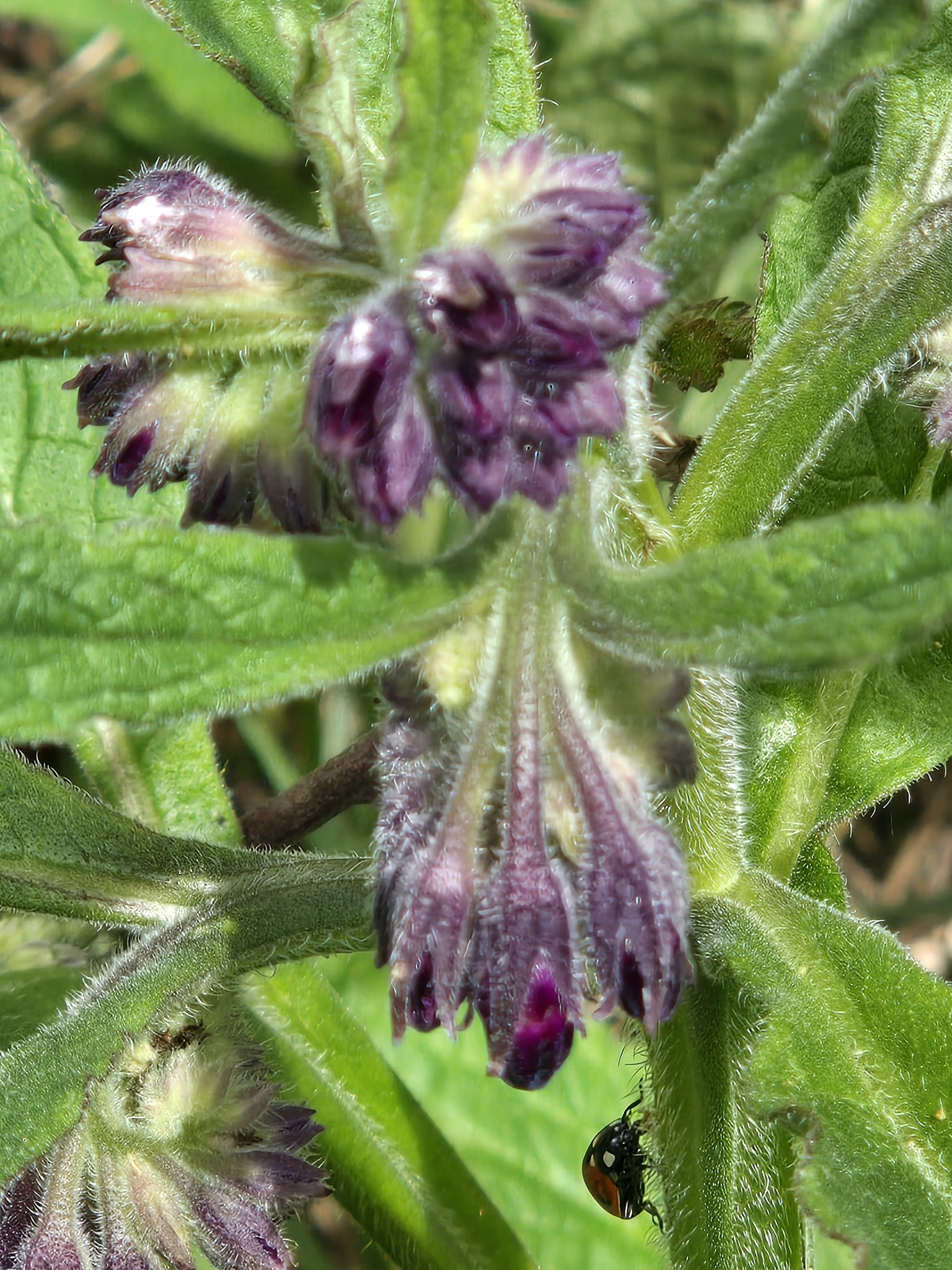
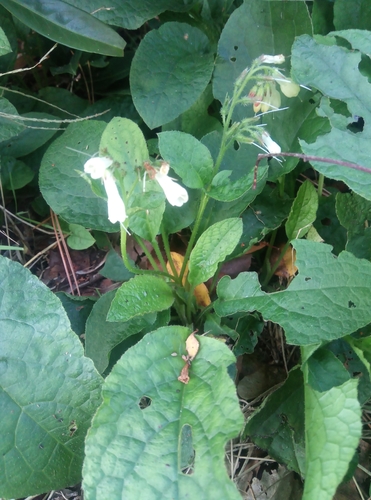
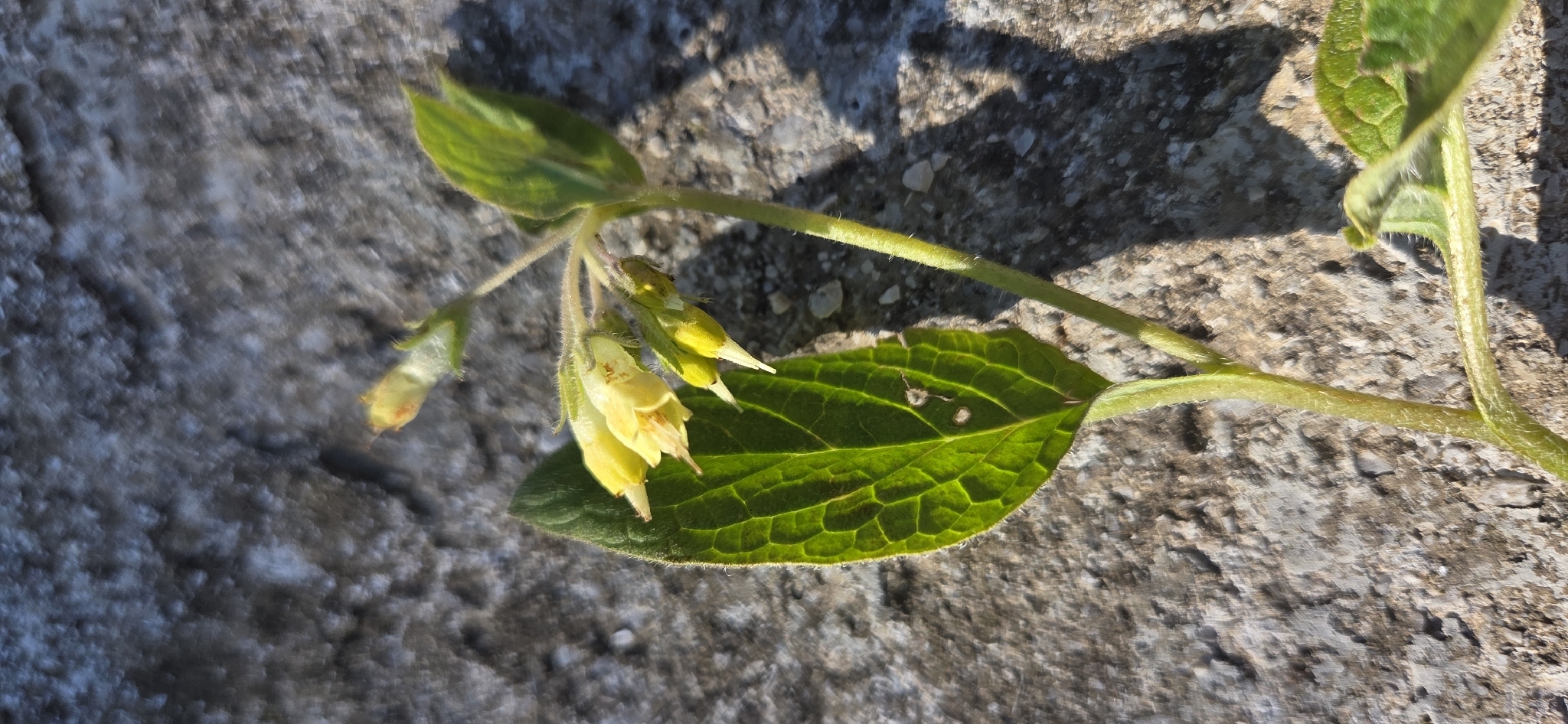
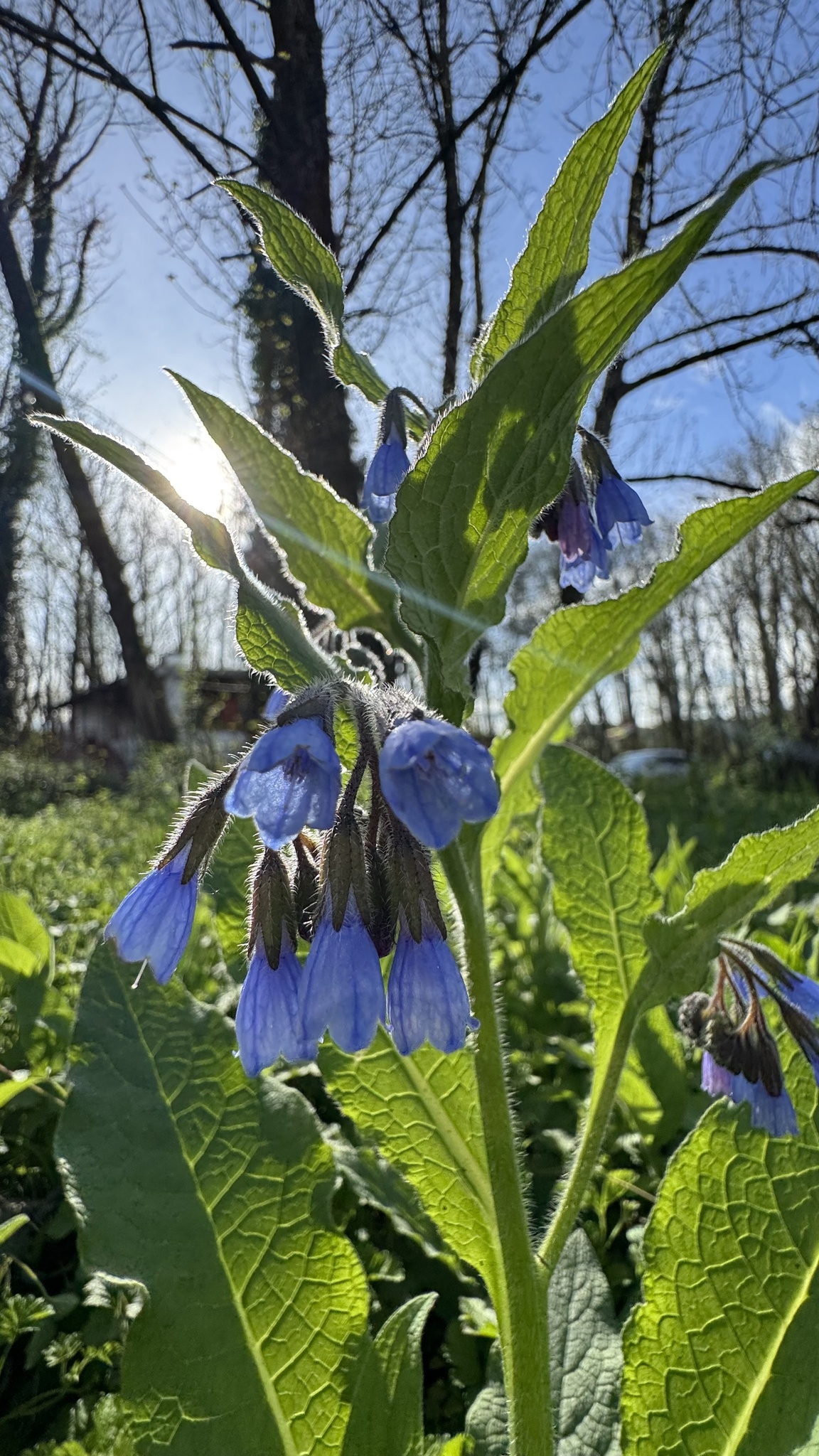
Symphytum orientale, a robust perennial, features hairy foliage and clusters of white to pale pink flowers. It's known for its vigorous growth.

Symphytum orientale is a herbaceous perennial plant belonging to the Boraginaceae family, commonly known as comfrey. While many species within the Symphytum genus are widely recognized for their historical medicinal uses, Symphytum orientale is a distinct species with its own specific characteristics and distribution. It is a robust plant that typically forms clumps of upright stems, reaching a mature height of approximately 60 to 100 centimeters. The plant's growth habit is bushy and spreading, making it a substantial presence in the garden. The leaves of Symphytum orientale are a prominent feature, being large, ovate to lanceolate, and covered in coarse hairs, giving them a somewhat rough texture. They are arranged alternately along the stems, with the lower leaves being significantly larger and often possessing winged petioles that decurrent down the stem. This decurrent nature is a characteristic that can aid in species identification. During the flowering season, which typically occurs from late spring through summer, Symphytum orientale produces clusters of bell-shaped flowers. These flowers are usually a pale blue to lilac color, though variations can occur. After flowering, the plant develops small, nutlet-like fruits, which are typically dark brown to black when mature and contain the seeds for reproduction. Symphytum orientale is native to a specific geographical region, primarily found in parts of southeastern Europe and southwestern Asia, including countries like Turkey and Greece. Its natural habitat often includes open woodlands, meadows, and disturbed ground, where it thrives in well-drained soils. While it can tolerate a range of soil types, it prefers moist, fertile conditions. In cultivation, Symphytum orientale is generally considered an easy-to-grow plant, adaptable to various garden settings. It prefers full sun to partial shade and benefits from consistent moisture, especially during dry periods. It is also known for its hardiness and ability to withstand cold winters. Historically, various Symphytum species have been utilized for their perceived medicinal properties, particularly due to compounds like allantoin, which is believed to promote cell proliferation and wound healing. However, it is crucial to note that the medicinal use of Symphytum species, including Symphytum orientale, requires caution and is often subject to regulatory restrictions due to potential toxicity, particularly liver toxicity associated with pyrrolizidine alkaloids. Scientific research continues to explore the biochemical composition and potential applications of these plants, but definitive and widely accepted uses for Symphytum orientale in modern medicine are not extensively documented or recommended for self-treatment. Ornamentally, Symphytum orientale can be an attractive addition to borders and wild gardens, providing lush foliage and attractive blooms. Its vigorous growth and ability to attract pollinators also contribute to its ecological interest.

Photograph © Alex drennan · CC-BY-NC-ND

Symphytum Orientale Care Summary

At-a-glance light, water, soil, and growing conditions from plant data

Light

Full Sun to Partial Shade

50% intensity

Thrives in sunny locations but tolerates some shade.

Watering

Regular

50% intensity

Keep soil consistently moist during growing season, reduce in winter.

Soil

Well-drained, fertile

50% intensity

Temperature

Hardy

25% intensity

Prefers moderate temperatures; tolerates frost.

Fertilizer

Light

25% intensity

Feed sparingly in spring with a balanced fertilizer.

Symphytum Orientale Quick Facts

Key traits and growing stats from plant data

Plant Type
Herb
Plant Category
Ornamental, Foliage
Plant Place Type
Garden, Pot
Lifespan
Perennial
Plant Height
0.6-1.2 m
Spread
0.6-1.0 m
Growth Rate
Fast
Dormancy
Yes
Leaf Color
Green
Leaf Type
Hairy
Flower Size
1-1.5 cm
Optimal Sunlight Lux
60000

Care guide for Symphytum Orientale

Watering, pruning, propagation, and repotting details from plant data

Water

Symphytum orientale prefers consistently moist soil, especially during its active growth period. Water thoroughly when the top 2-3 cm of soil feels dry.

Reduce watering in autumn and winter when the plant becomes dormant. Avoid waterlogging, as this can lead to root rot.

Pruning

After flowering, deadhead spent blooms to prevent seed formation and encourage a tidier appearance. Cut back the entire plant to the ground in late autumn or early spring before new growth emerges.

This rejuvenates the plant and helps manage its spread.

Propagation

Symphytum orientale can be easily propagated by division of established clumps in early spring or autumn. It also readily self-seeds. Seeds can be sown in autumn or spring in a cold frame or directly in the garden.

Root cuttings can also be taken in spring.

Repotting

Repotting is generally only necessary for container-grown plants, typically every 2-3 years. Do this in early spring before new growth begins. Choose a pot only slightly larger than the current one.

Refresh the potting mix with fresh, well-draining compost.

Identify plants like this with ePlant

Snap a photo to get care tips and match similar species on the go.

Try for Free

Flowering & Fruiting Cycles

Monthly activity intensity for bloom and fruit across both hemispheres.

Northern hemisphere

Flowering & fruiting calendar

Peak bloom · MayPeak fruit · Jul
FloweringFruiting
02468JanFebMarAprMayJunJulAugSepOctNovDecActivity intensityMonths88
Southern hemisphere

Flowering & fruiting calendar

Peak bloom · NovPeak fruit · Dec
FloweringFruiting
02468JanFebMarAprMayJunJulAugSepOctNovDecActivity intensityMonths77

Symphytum Orientale Names & Synonyms

Common names and botanical synonyms

Common Names

  • Comfrey
  • Eastern Comfrey
  • Soft Comfrey
  • White Comfrey

Synonyms

  • Symphytum jacquinianum Tausch
  • Symphytum violaceum Gaterau

Symphytum Orientale Taxonomy

Botanical classification

Taxonomic classification of Symphytum Orientale
RankName
kingdomPlantae
divisionTracheophyta
classMagnoliopsida
orderBoraginales
familyBoraginaceae
genusSymphytum
speciesSymphytum orientale

Symphytum Orientale FAQs

Answers based on plant encyclopedia data

What are the soil and light requirements for Symphytum orientale?

Symphytum orientale prefers well-drained soil and can tolerate a range of light conditions, from full sun to partial shade. It is quite adaptable.

How large does Symphytum orientale grow?

Symphytum orientale can grow to a height and spread of approximately 60 to 90 centimeters, forming a substantial clump.

Is Symphytum orientale invasive?

While not typically considered invasive, Symphytum orientale can spread vigorously and may naturalize in favorable conditions. It is best to plant it where its spread can be managed.

When does Symphytum orientale bloom?

Symphytum orientale typically blooms from late spring through early summer, producing clusters of white to pale pink, bell-shaped flowers.

How should I propagate Symphytum orientale?

Symphytum orientale can be easily propagated by division of its rootstock in early spring or autumn. It can also be grown from seed.