Water
Water regularly when the top 2-3 cm of soil is dry. Avoid overwatering, as this can lead to root rot. Ensure good drainage in pots and garden beds. Reduce watering during winter months when the plant is less active.
Also known as White Easter-Bonnets · White Easterbonnets · Woolly Daisy
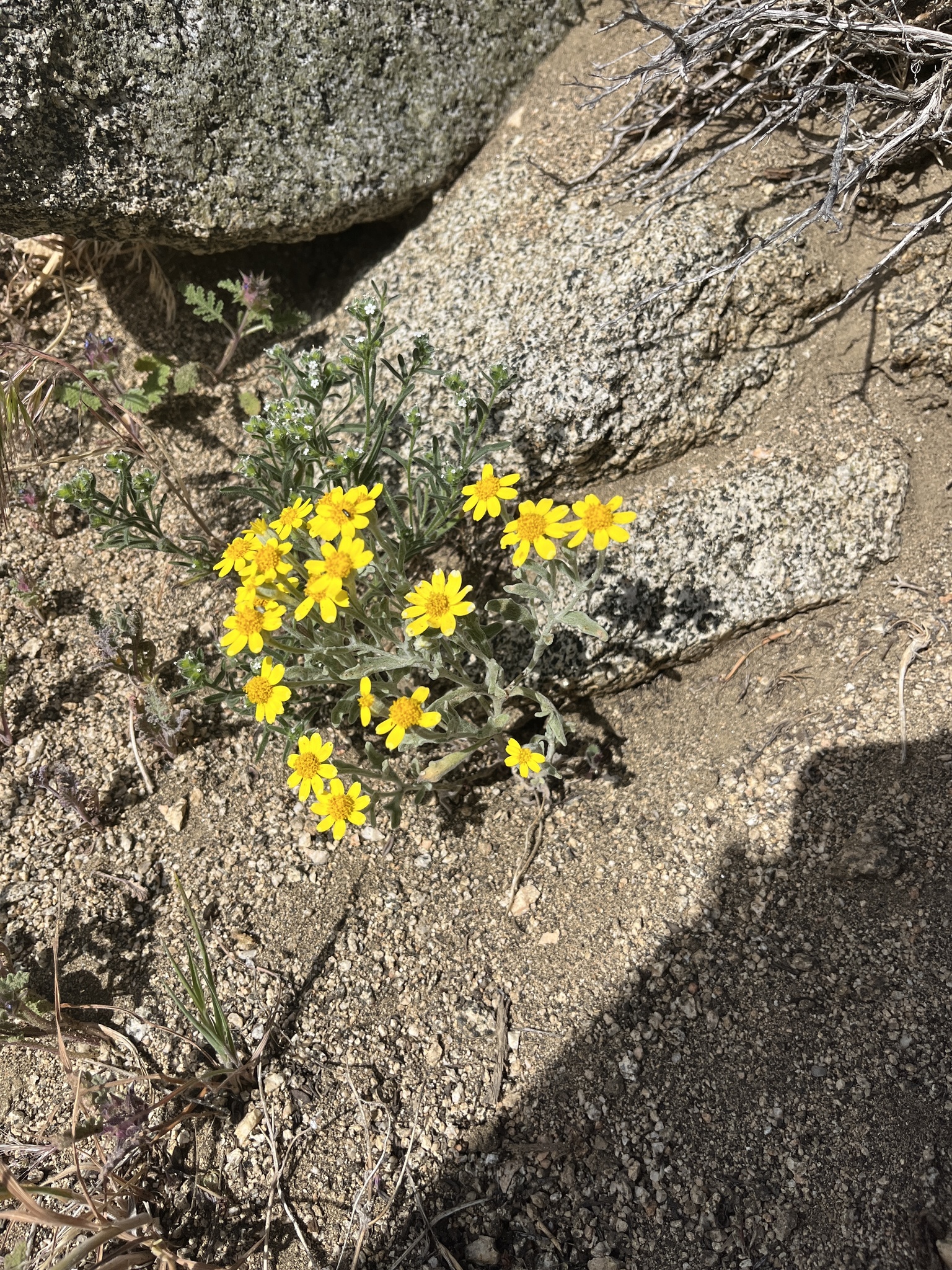
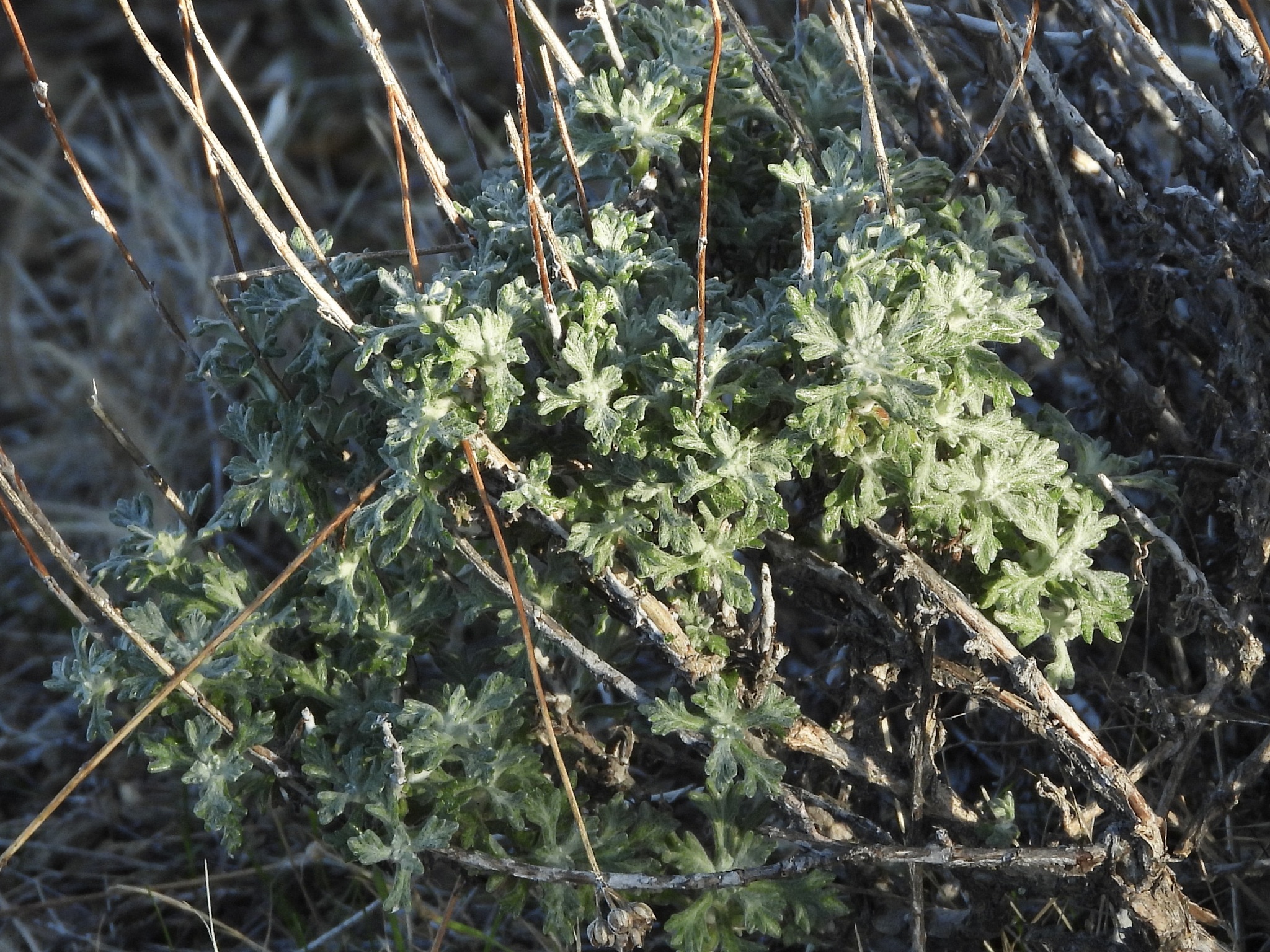
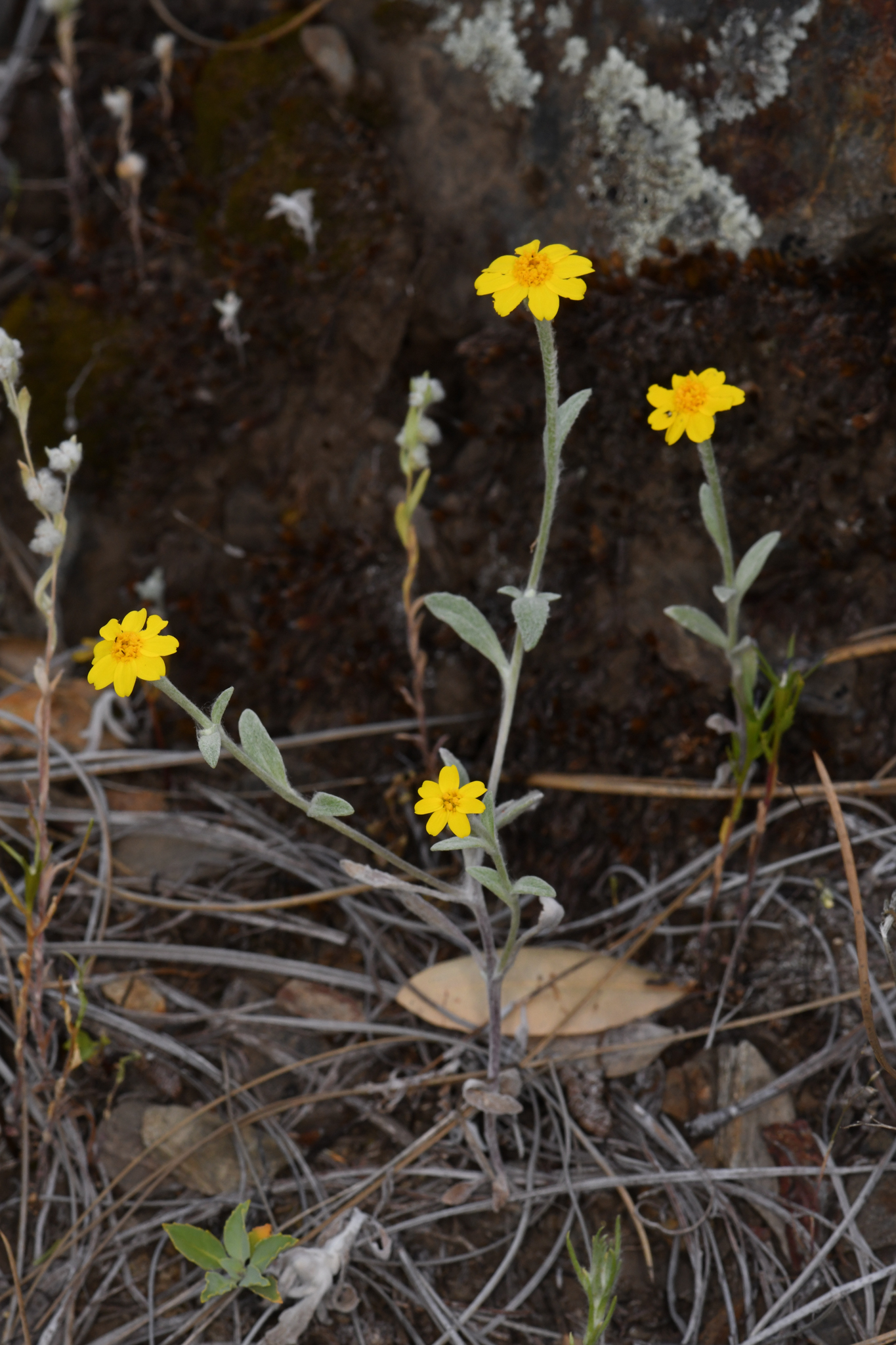
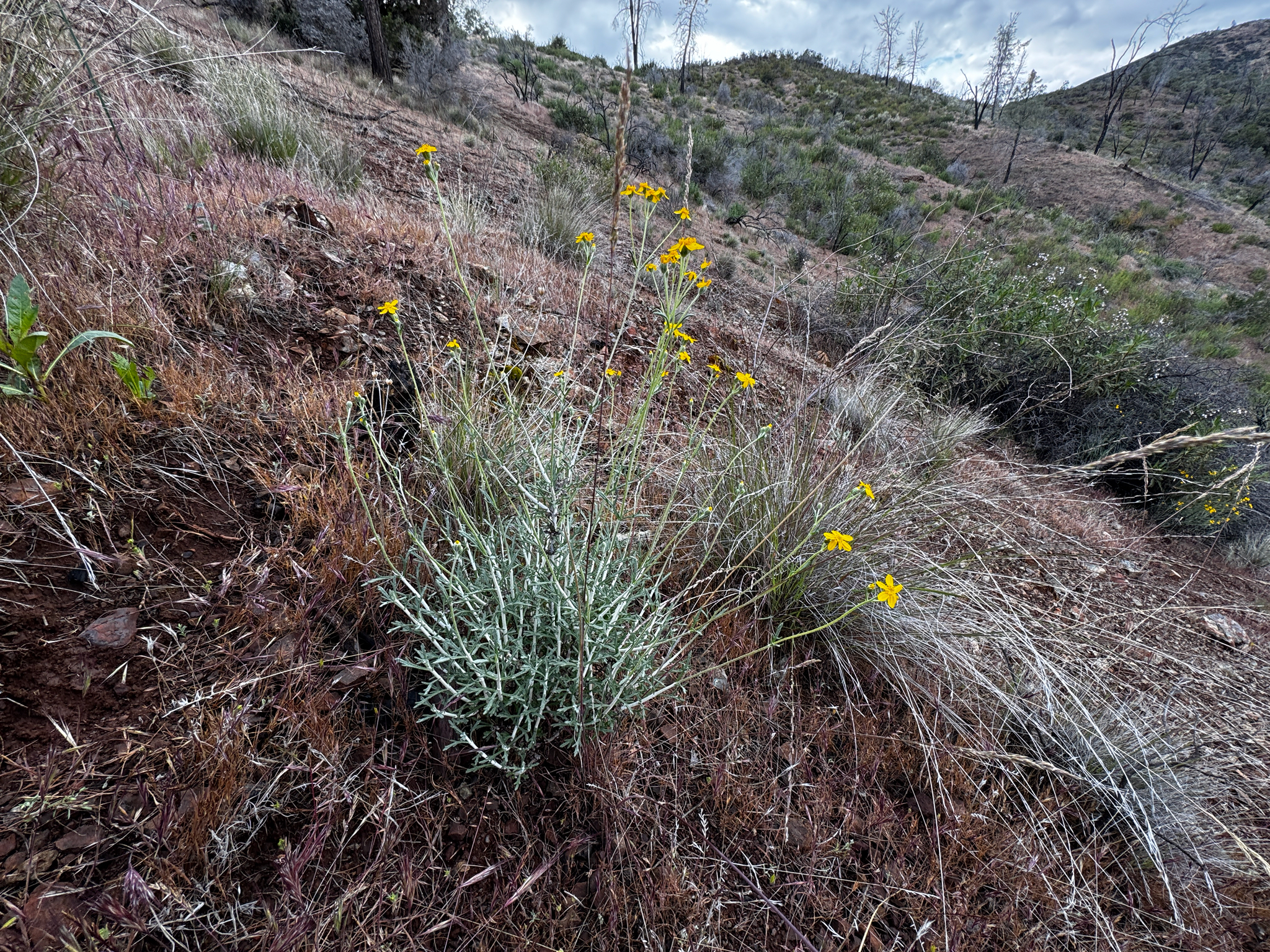
Eriophyllum lanosum, the White Woolly Daisy, is a charming native perennial with silvery foliage and prolific white daisy-like flowers, ideal for dry, sunny locations.
At-a-glance light, water, soil, and growing conditions from plant data
Full Sun
100% intensity
Prefers at least 6 hours of direct sunlight daily.
Moderate
50% intensity
Allow soil to dry slightly between waterings; provide good drainage.
Well-drained soil
50% intensity
Moderate
50% intensity
Prefers average room temperatures (18-24°C) and is moderately cold-hardy.
Low
25% intensity
Feed sparingly in spring and mid-summer with a balanced liquid fertilizer.
Key traits and growing stats from plant data
Watering, pruning, propagation, and repotting details from plant data
Water regularly when the top 2-3 cm of soil is dry. Avoid overwatering, as this can lead to root rot. Ensure good drainage in pots and garden beds. Reduce watering during winter months when the plant is less active.
Prune back by about one-third after flowering to encourage bushier growth and a more compact shape. Deadhead spent blooms to prolong flowering and maintain a tidy appearance.
Prune out any dead or damaged stems as needed.
Propagate by stem cuttings taken in late spring or early summer. Root cuttings in a well-draining potting mix. Alternatively, sow seeds in early spring, either indoors or directly outdoors after the last frost.
Repot container-grown plants every 2-3 years in spring, or when they become root-bound. Use a well-draining potting mix. Choose a pot that is only slightly larger than the current one to avoid overwatering issues.
Identify plants like this with ePlant AI
Snap a photo to get care tips and match similar species on the go.
Monthly activity intensity for bloom and fruit across both hemispheres.
Flowering & fruiting calendar
Flowering & fruiting calendar
Photos of White Woolly Daisy (Eriophyllum lanosum)
Where White Woolly Daisy (Eriophyllum lanosum) is found

Density
Tap map to explore
Common names and botanical synonyms
Botanical classification
| Rank | Name |
|---|---|
| Kingdom | Plantae |
| Division | Tracheophyta |
| Class | Magnoliopsida |
| Order | Asterales |
| Family | Asteraceae |
| Genus | Eriophyllum |
| Species | Eriophyllum lanosum |
Similar in genus Eriophyllum
Answers based on plant encyclopedia data