White Wallrocket (Diplotaxis erucoides) – Care, Growing Guide & Benefits | ePlant AI
White Wallrocket (Diplotaxis erucoides)
White Wallrocket (Diplotaxis erucoides) is an annual herb with a pungent aroma, often found in disturbed soils and rocky areas. It produces small, white, cross-shaped flowers.
Diplotaxis erucoides, commonly known as White Wallrocket, is a herbaceous annual or biennial plant belonging to the Brassicaceae family, which also includes familiar vegetables like cabbage and mustard. This species is recognized for its delicate white flowers and its presence in disturbed habitats, often found along roadsides, in waste areas, and on rocky outcrops. Its botanical name, Diplotaxis, refers to the two rows of seeds within the silicles, a characteristic feature of the genus.
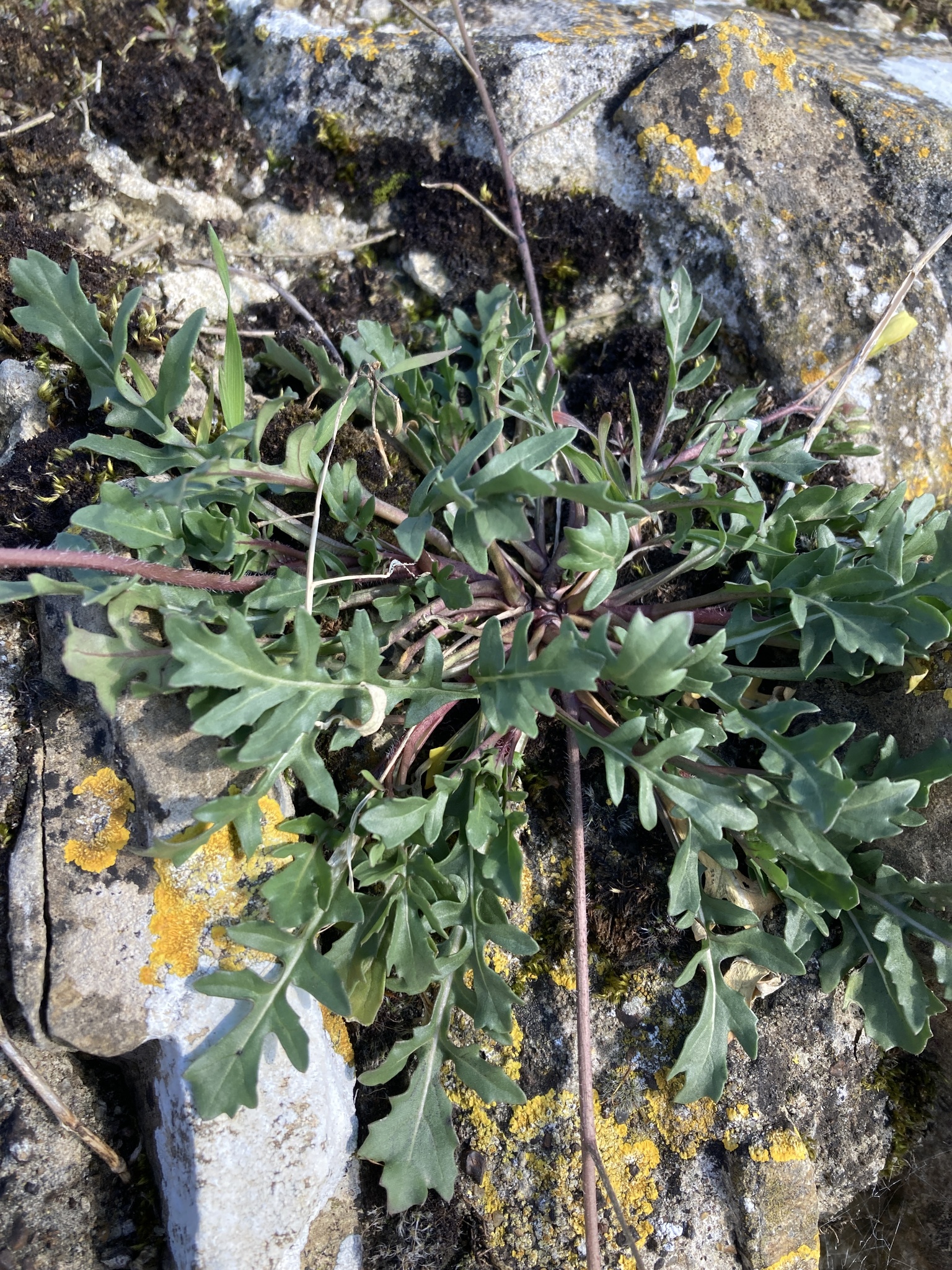
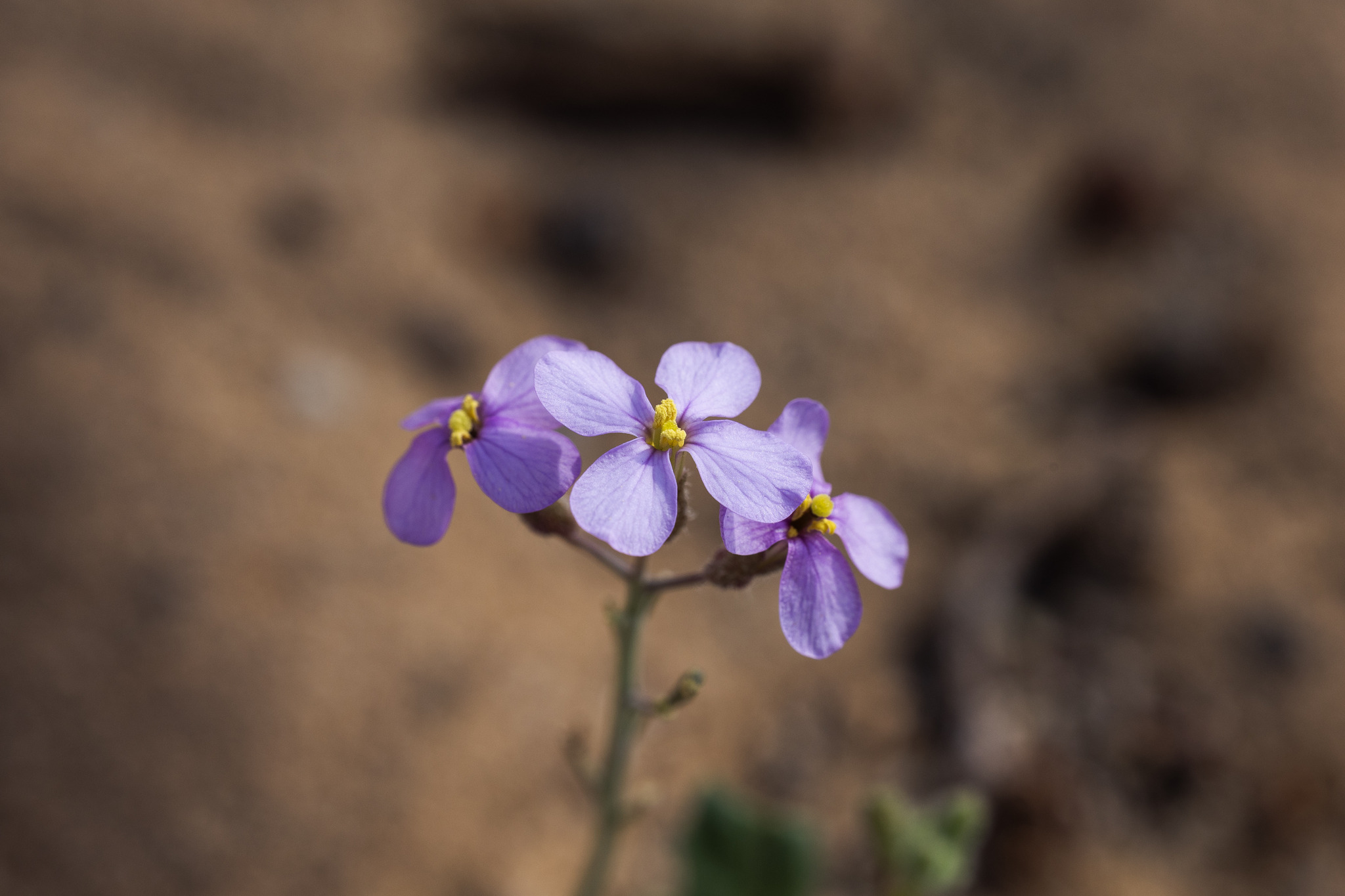
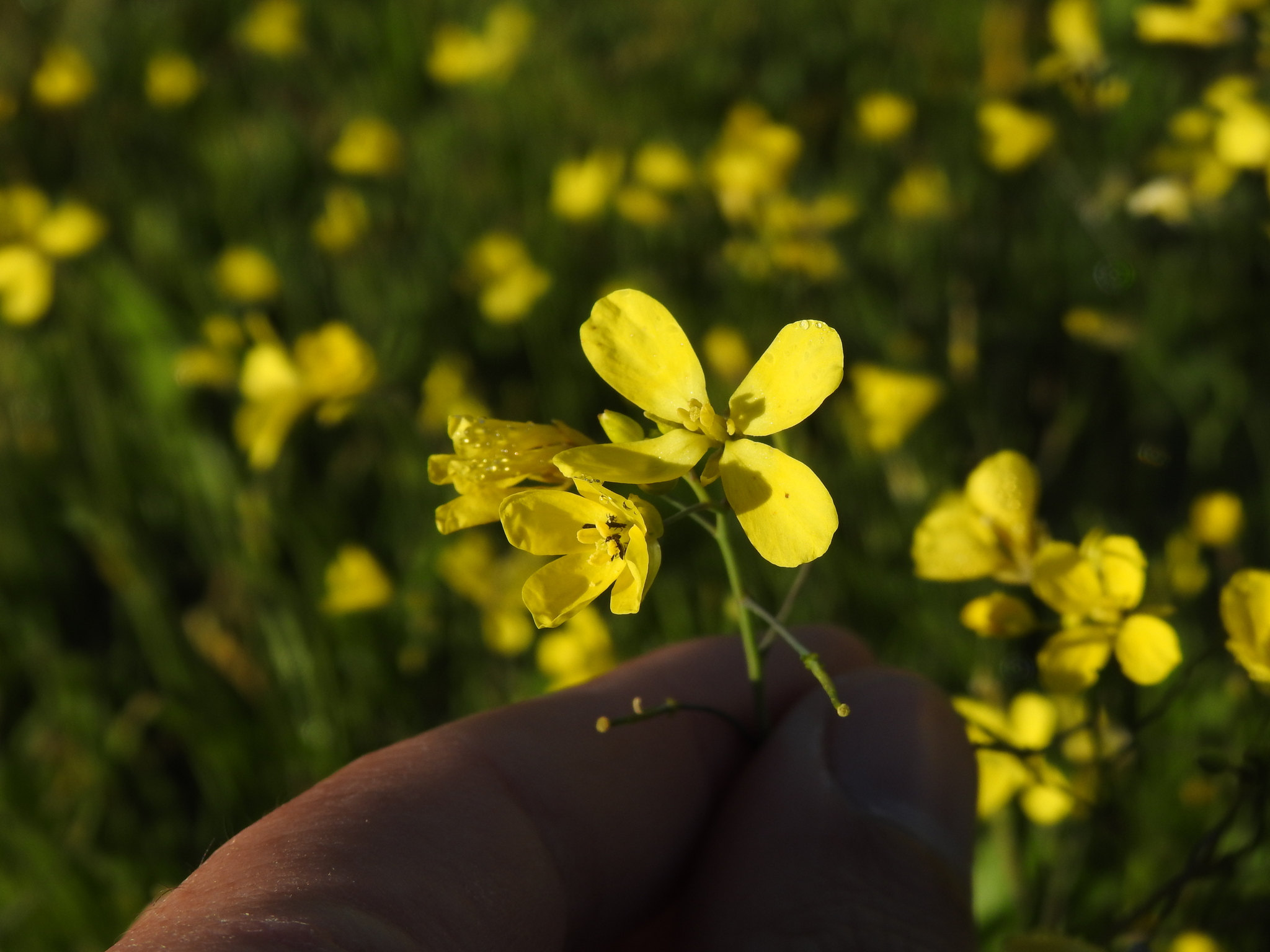
Physically, Diplotaxis erucoides typically grows to a height of 20 to 60 centimeters, though it can occasionally reach up to 100 centimeters. The plant exhibits a branching growth habit, with erect or ascending stems that are often sparsely hairy. Its leaves are primarily basal, forming a rosette, and are deeply lobed or pinnately divided, with the lobes often toothed. The stem leaves are usually smaller and less divided, becoming progressively reduced towards the apex. The most striking feature of White Wallrocket is its inflorescence, which is a raceme bearing numerous small, four-petaled white flowers. Each flower measures approximately 1 to 1.5 centimeters in diameter and possesses a distinct cruciform shape, typical of the Brassicaceae family. Following flowering, the plant produces silicles, which are small, flattened, indehiscent or tardily dehiscent fruits containing numerous small, ovoid seeds. The seeds are typically reddish-brown.
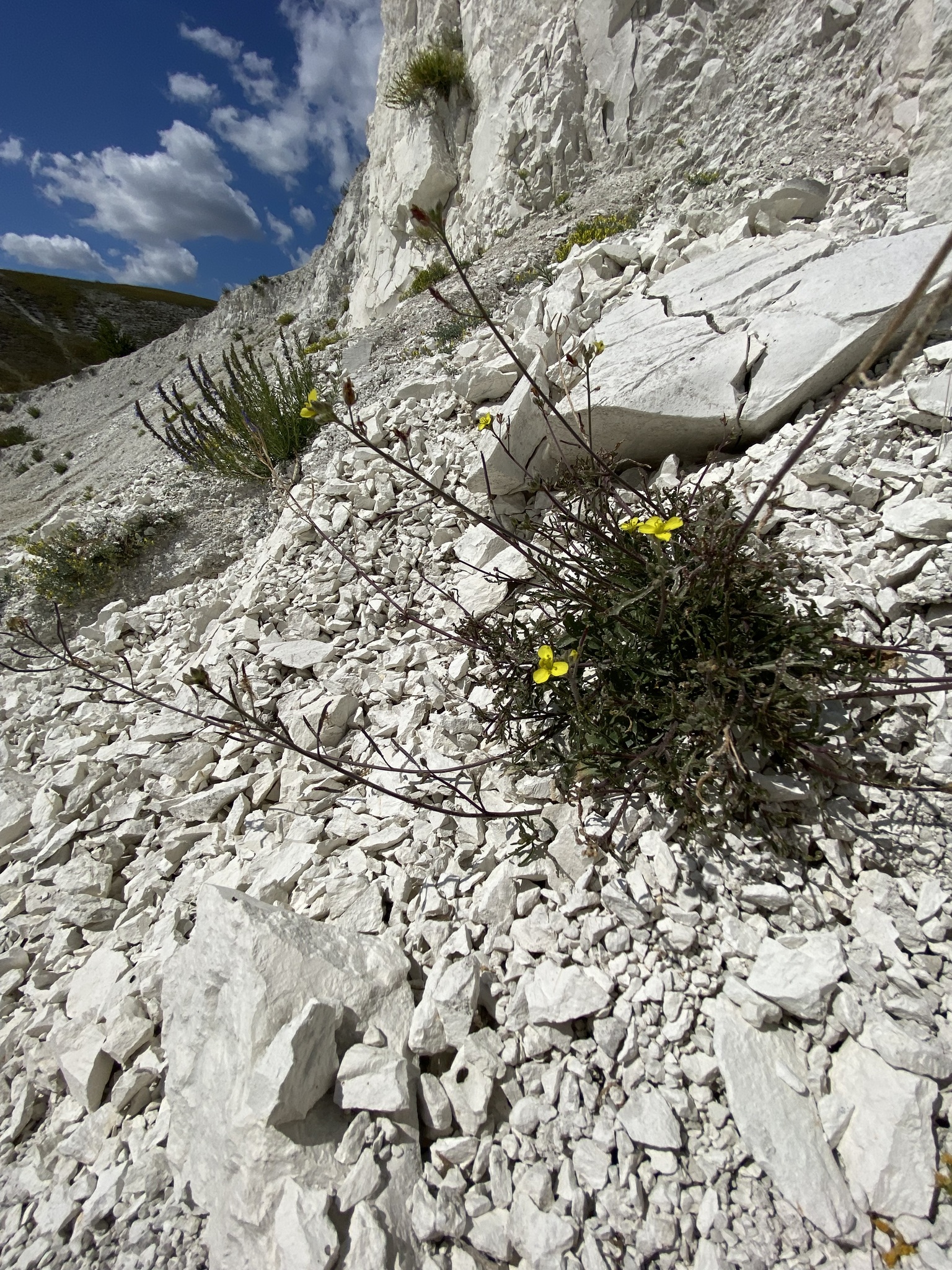
The native distribution of Diplotaxis erucoides is primarily around the Mediterranean region, extending into parts of Western Europe and North Africa. It thrives in a variety of habitats, preferring well-drained soils and often colonizing areas with sparse vegetation or recent soil disturbance. It is commonly found on calcareous soils, in ruderal environments, and along coastal areas. While not widely cultivated as a garden plant, its adaptability to poor soils and its ability to naturalize make it a common sight in its native range. It can tolerate a range of light conditions, from full sun to partial shade.
Historically and ecologically, Diplotaxis erucoides plays a role in its native ecosystems as a pioneer species, colonizing bare ground and contributing to soil stabilization. While not a primary agricultural crop, its close relatives are important food sources, and some species within the Diplotaxis genus have been explored for their potential as oilseed crops. There is limited documented evidence of significant medicinal, culinary, or economic importance specifically attributed to Diplotaxis erucoides in established scientific literature. Its primary significance lies in its botanical characteristics and its ecological role in disturbed landscapes. An interesting adaptation of White Wallrocket is its ability to germinate and grow rapidly in disturbed soils, allowing it to quickly establish itself before other, more competitive plants can colonize the area. This rapid growth and seed production contribute to its success in colonizing ephemeral habitats.
Well-drained soil. Tolerates poor, rocky, or sandy soils.
Temperature
Ideal growing temperature is between 15-25°C.
Habitat
Outdoor
Fertilizer
Requires minimal fertilization.
Care Requirements
Light
Prefers full sun but tolerates partial shade.
Adaptable to various light conditions.
Water
Keep soil consistently moist but not waterlogged.
Water regularly, especially during dry spells.
Soil
Well-drained soil. Tolerates poor, rocky, or sandy soils.
Temperature
Ideal growing temperature is between 15-25°C.
Can tolerate cooler temperatures for germination and growth.
Habitat
Outdoor
Fertilizer
Requires minimal fertilization.
Light feeding in spring if soil is poor.
Plant Overview
Plant Type
Herb
Plant Category
Vegetable
Plant Place Type
Ground
Plant Environment
Outdoor
Lifespan
Annuals
Plant Height
0.2-0.6 m
Spread
0.1-0.3 m
Growth Rate
Fast
Leaf Color
Green
Leaf Type
Lobed, pinnately divided
Flower Size
1-2 cm
Weed Status
Yes
Image Gallery
Flowering & Fruiting Cycles
Monthly activity intensity for bloom and fruit across both hemispheres.
Northern hemisphere
Flowering & fruiting calendar
Peak bloom · JunPeak fruit · Jul
FloweringFruiting
Southern hemisphere
Flowering & fruiting calendar
Peak bloom · AprPeak fruit · Apr
FloweringFruiting
Synonyms
Crucifera erucoides (L.) E.H.L.Krause
Erucastrum erucoides (L.) Calest.
Euzomum erucoides (L.) Spach
Raphanus erucoides (L.) Crantz
Sinapis erucoides L.
Sisymbrium erucoides (L.) Desf.
Taxonomy
kingdomPlantae
divisionTracheophyta
classMagnoliopsida
orderBrassicales
familyBrassicaceae
genusDiplotaxis
speciesDiplotaxis erucoides
Toxicity
Toxic for humans
No
Rating: 0/5
Toxic for pets
No
Rating: 0/5
Edible
Yes
Non-toxic. Leaves and flowers are edible.
Additional Care Tips
Water regularly, keeping the soil consistently moist but not waterlogged. Reduce watering in cooler weather or if rainfall is sufficient. Ensure good drainage to prevent root rot.
Pruning is generally not required for this annual. Deadheading can prevent self-seeding if unwanted. If grown for continuous harvest, light trimming of outer leaves encourages new growth.
Easily grown from seed sown directly into the garden in spring or autumn. Seeds germinate quickly. Can also be propagated by cuttings, though less common for this annual species.
Not applicable as it is typically grown as an annual. If grown in pots and overwintered, repot in fresh potting mix in early spring before new growth begins.
FAQs
Is White Wallrocket edible?
Yes, the leaves and flowers of White Wallrocket (Diplotaxis erucoides) are edible and have a pungent, peppery flavor similar to arugula.
How do I grow White Wallrocket?
Sow seeds directly outdoors in spring or autumn in well-drained soil. It prefers full sun but tolerates partial shade and grows quickly.
Does White Wallrocket need a lot of water?
It prefers consistently moist soil but should not be waterlogged. Regular watering is important, especially during dry periods.
Is White Wallrocket considered a weed?
Yes, White Wallrocket is often considered a weed, especially in agricultural settings and disturbed areas, due to its rapid growth and self-seeding habit.
What are the benefits of growing White Wallrocket?
It can be grown as a salad green for its edible leaves and flowers. It is also a fast-growing plant that can add greenery to gardens quickly.