Ceiba Insignis Tree (Ceiba insignis) – Care, Benefits & Growing Guide | ePlant AI
Ceiba Insignis (Ceiba insignis)
Ceiba insignis is a deciduous tree native to South America, known for its striking bottle-shaped trunk and large, showy flowers.
Ceiba insignis is a striking tree species belonging to the Malvaceae family, notable for its distinctive appearance and ecological role in its native environment. This species is recognized for its contribution to the biodiversity of the regions where it naturally occurs.
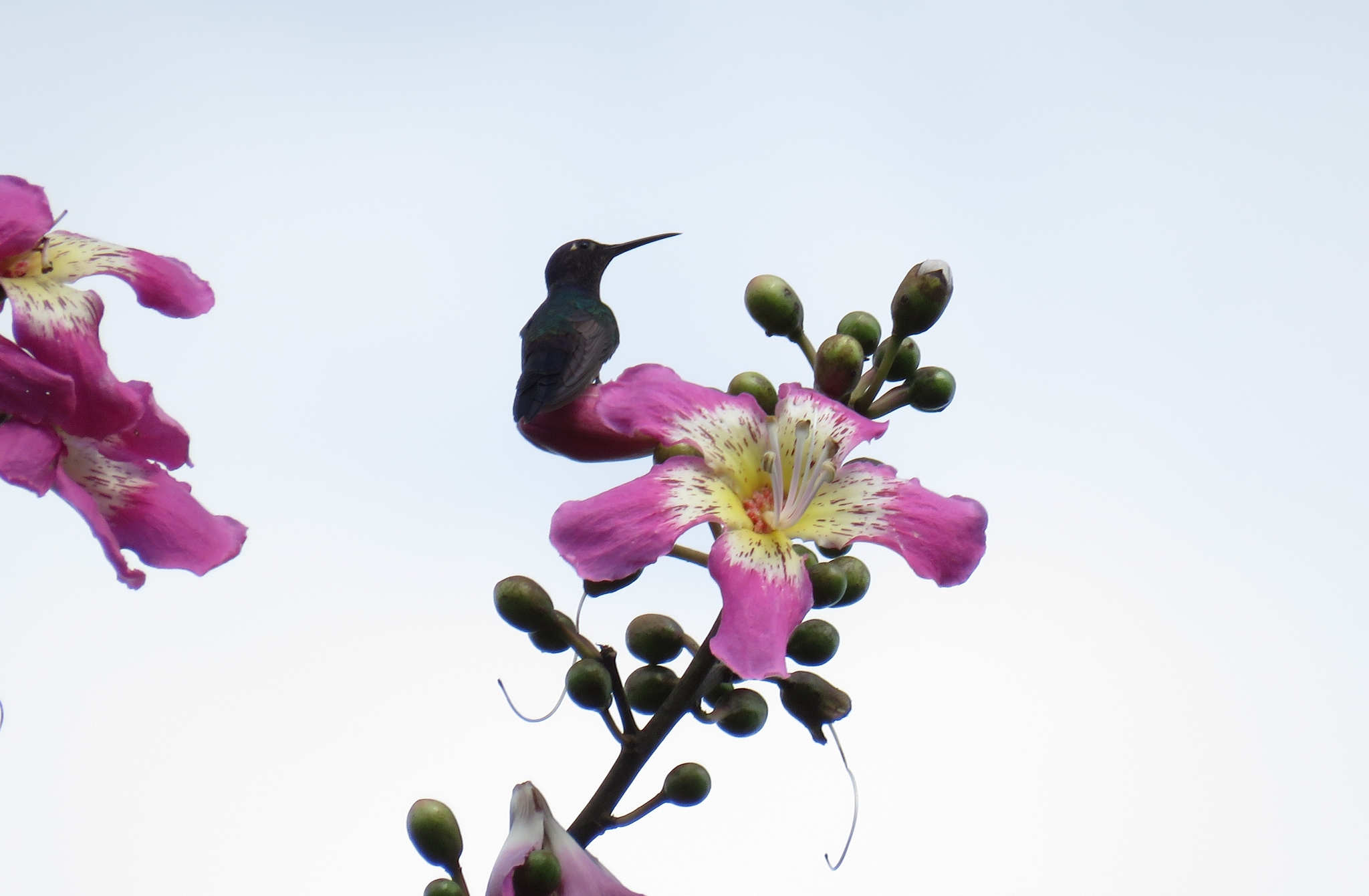
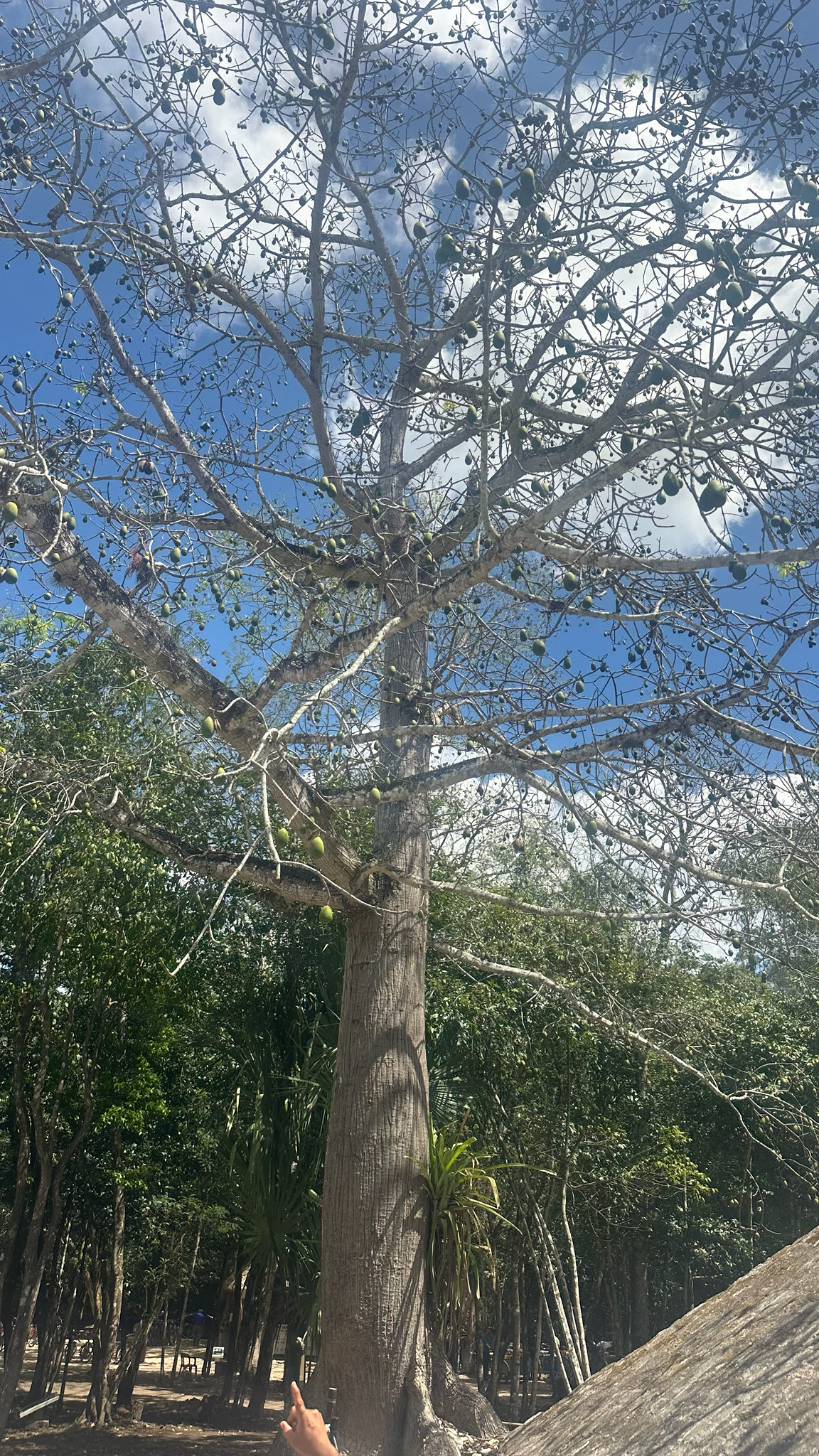
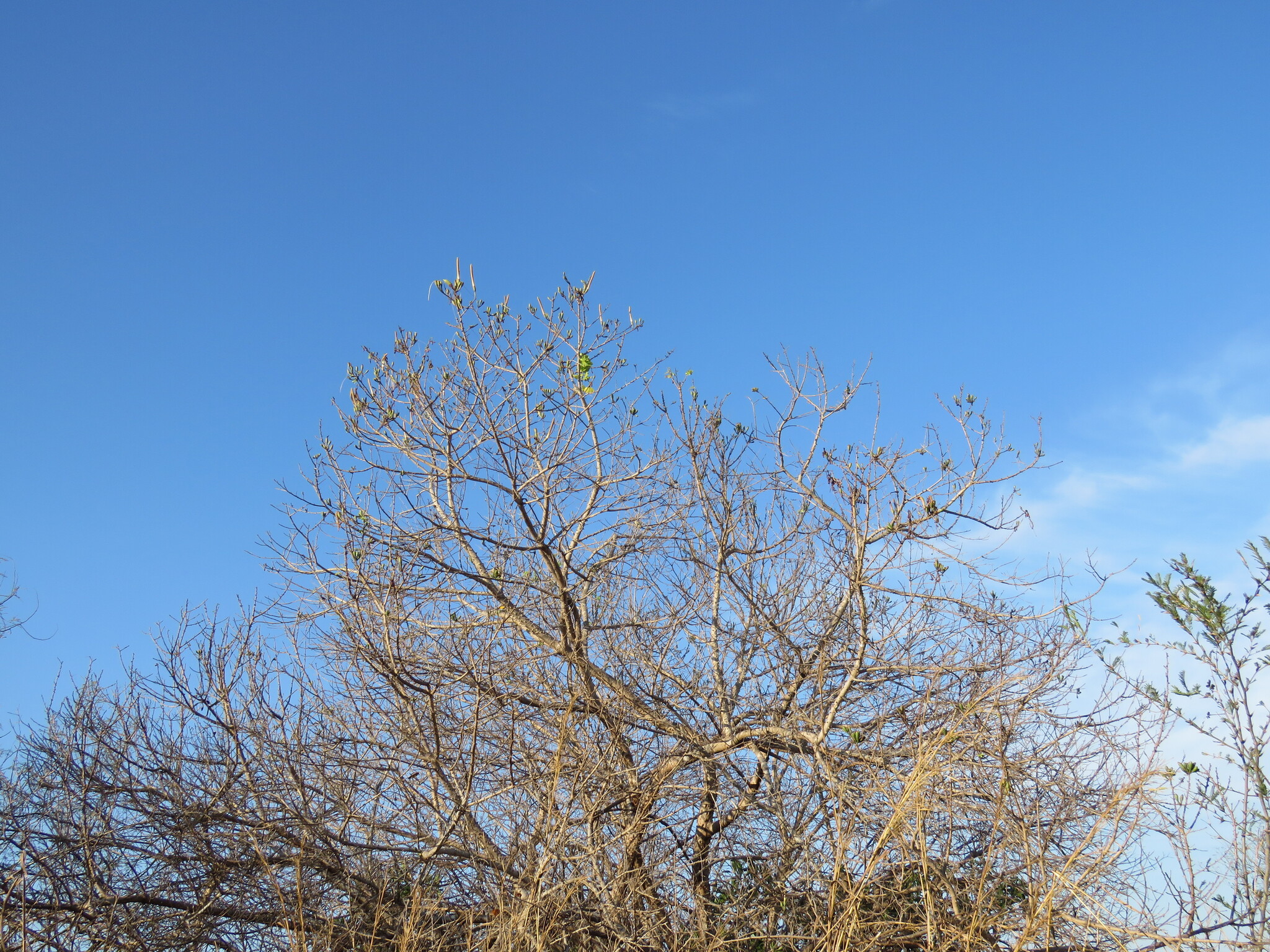
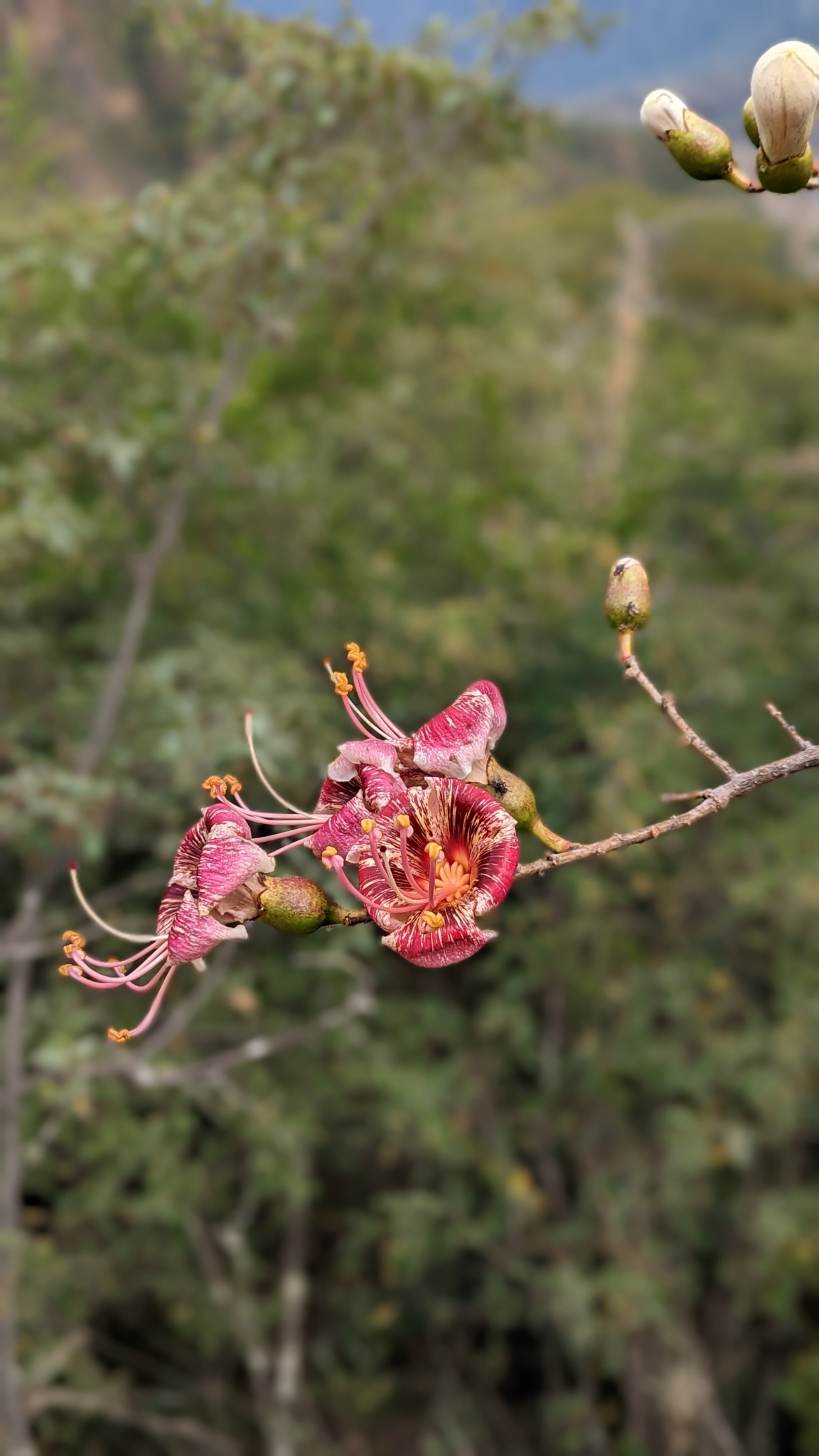
Physically, Ceiba insignis is a deciduous tree that can reach considerable heights, often growing to over 20 meters tall. Its growth habit is typically upright, with a trunk that can be quite broad. A characteristic feature of many Ceiba species, and often present in Ceiba insignis, is a smooth, often greenish or grayish bark, which can sometimes be armed with conical spines, particularly when the tree is young. The leaves are palmately compound, meaning several leaflets radiate from a single point, resembling the fingers of a hand. These leaflets are typically lanceolate to ovate in shape and can be quite large, contributing to the tree's substantial canopy. The flowers of Ceiba insignis are a significant ornamental feature. They are often large and showy, with petals that can range in color from white to pale pink or yellow, and are typically borne in clusters. Following flowering, the tree produces fruits, which are usually capsules. These capsules mature and split open to release seeds, which are often embedded in a mass of fluffy, cotton-like fiber, a characteristic shared with other members of the genus Ceiba, famously exemplified by Ceiba pentandra.
The native distribution of Ceiba insignis is primarily in South America, where it is found in specific ecological niches. It typically inhabits tropical and subtropical dry forests and woodlands, often thriving in areas with distinct wet and dry seasons. Its natural habitat is characterized by well-drained soils and a climate that can tolerate periods of drought. While its natural range is specific, Ceiba insignis can be cultivated in suitable climates, requiring warm temperatures, ample sunlight, and well-draining soil to flourish. It is generally considered a drought-tolerant species once established.
Ceiba insignis holds ecological importance within its native ecosystems, providing habitat and resources for local fauna. While not widely cultivated for specific economic purposes, its ornamental value is recognized, particularly in botanical gardens and for landscaping in appropriate climates where its impressive stature and attractive flowers can be appreciated. Scientifically documented medicinal, culinary, or widespread economic uses are not prominently established for this particular species, with research focusing more on its botanical characteristics and ecological context.
An interesting adaptation observed in some Ceiba species, and potentially relevant to Ceiba insignis, is the production of kapok fiber from its seeds. This lightweight, buoyant fiber has historically been used for stuffing pillows, upholstery, and life preservers. The ability of the seeds to be dispersed by wind, aided by this fluffy fiber, is a key mechanism for the species' propagation in its natural environment. The tree's deciduous nature is also an adaptation to survive dry periods, allowing it to conserve water and nutrients.
Water when the top inch of soil is dry. Reduce in cooler months.
Soil
Well-draining soil is crucial. A mix of loam, sand, and compost works well. Slightly acidic to neutral pH is tolerated.
Temperature
Ideal growing range is 18-25 °C.
Habitat
Outdoor, Greenhouse
Fertilizer
Feed with balanced liquid fertilizer during the growing season.
Care Requirements
Light
Prefers full sun to partial shade.
Afternoon shade beneficial in hot climates.
Water
Water when the top inch of soil is dry. Reduce in cooler months.
Avoid waterlogged conditions.
Soil
Well-draining soil is crucial. A mix of loam, sand, and compost works well. Slightly acidic to neutral pH is tolerated.
Temperature
Ideal growing range is 18-25 °C.
Can tolerate brief dips but sensitive to frost.
Habitat
Outdoor, Greenhouse
Fertilizer
Feed with balanced liquid fertilizer during the growing season.
Every 4-6 weeks, reduce in winter.
Plant Overview
Plant Type
Tree
Plant Category
Flowering, Ornamental
Plant Place Type
Ground, Garden, Pot
Plant Environment
Outdoor, Greenhouse
Lifespan
Perennials
Plant Height
10-15 m
Spread
5-8 m
Growth Rate
Moderate
Dormancy
Deciduous
Leaf Color
Green
Leaf Type
Compound, palmate
Flower Size
10-12 cm
Optimal Sunlight Lux
75000
Image Gallery
Flowering & Fruiting Cycles
Monthly activity intensity for bloom and fruit across both hemispheres.
Northern hemisphere
Flowering & fruiting calendar
Peak bloom · JulPeak fruit · Sep
FloweringFruiting
Southern hemisphere
Flowering & fruiting calendar
Peak bloom · JunPeak fruit · Oct
FloweringFruiting
Synonyms
Ceiba integrifolia (Ulbr.) Ravenna
Ceiba mythica Ravenna
Chorisia insignis Kunth
Chorisia integrifolia Ulbr.
Taxonomy
kingdomPlantae
divisionTracheophyta
classMagnoliopsida
orderMalvales
familyMalvaceae
genusCeiba
speciesCeiba insignis
Toxicity
Toxic for humans
No
Rating: 0/5
Toxic for pets
No
Rating: 0/5
Edible
No
Additional Care Tips
Water thoroughly when the top inch of soil is dry. Reduce watering in cooler months. Avoid waterlogged conditions, which can lead to root rot.
Prune to shape the tree and remove dead or crossing branches. Heavy pruning is best done in late winter or early spring before new growth begins.
Easily propagated from seeds sown in spring. Cuttings can also be taken, but germination from seed is more common and successful.
Young plants may need repotting annually or every two years. Mature trees are best left undisturbed. Use a well-draining potting mix.
FAQs
What is the ideal soil for Ceiba insignis?
Ceiba insignis thrives in well-draining soil, such as a mix of loam, sand, and compost. It prefers slightly acidic to neutral pH and cannot tolerate waterlogged conditions.
How often should I water Ceiba insignis?
Water thoroughly when the top inch of soil feels dry. Reduce watering during cooler months. Ensure good drainage to prevent root rot, as it dislikes consistently wet feet.
When does Ceiba insignis bloom?
Ceiba insignis typically blooms in late winter to spring, producing large, showy flowers that are often pink or red.
Can Ceiba insignis be grown in a pot?
Yes, young Ceiba insignis can be grown in pots, but they will eventually require a large container or planting in the ground as they mature into substantial trees.
Why is the trunk of Ceiba insignis bottle-shaped?
The swollen, bottle-shaped trunk is an adaptation for storing water, allowing the tree to survive in arid or seasonally dry environments.