Whitebuttons (Anacyclus clavatus) – Care, Benefits & Growing Guide | ePlant AI
Whitebuttons (Anacyclus clavatus)
Anacyclus clavatus, commonly known as Whitebuttons, is a low-growing herbaceous plant with daisy-like white flowers and yellow centers, native to Mediterranean regions.
Anacyclus clavatus, commonly known as Whitebuttons, is a herbaceous perennial plant recognized for its distinctive daisy-like flowers. This species belongs to the Asteraceae family, a large and diverse group of flowering plants. Its scientific name, Anacyclus clavatus, serves as the definitive identifier, distinguishing it precisely within the botanical world. The plant's significance lies primarily in its horticultural appeal and its role within its native ecosystems.
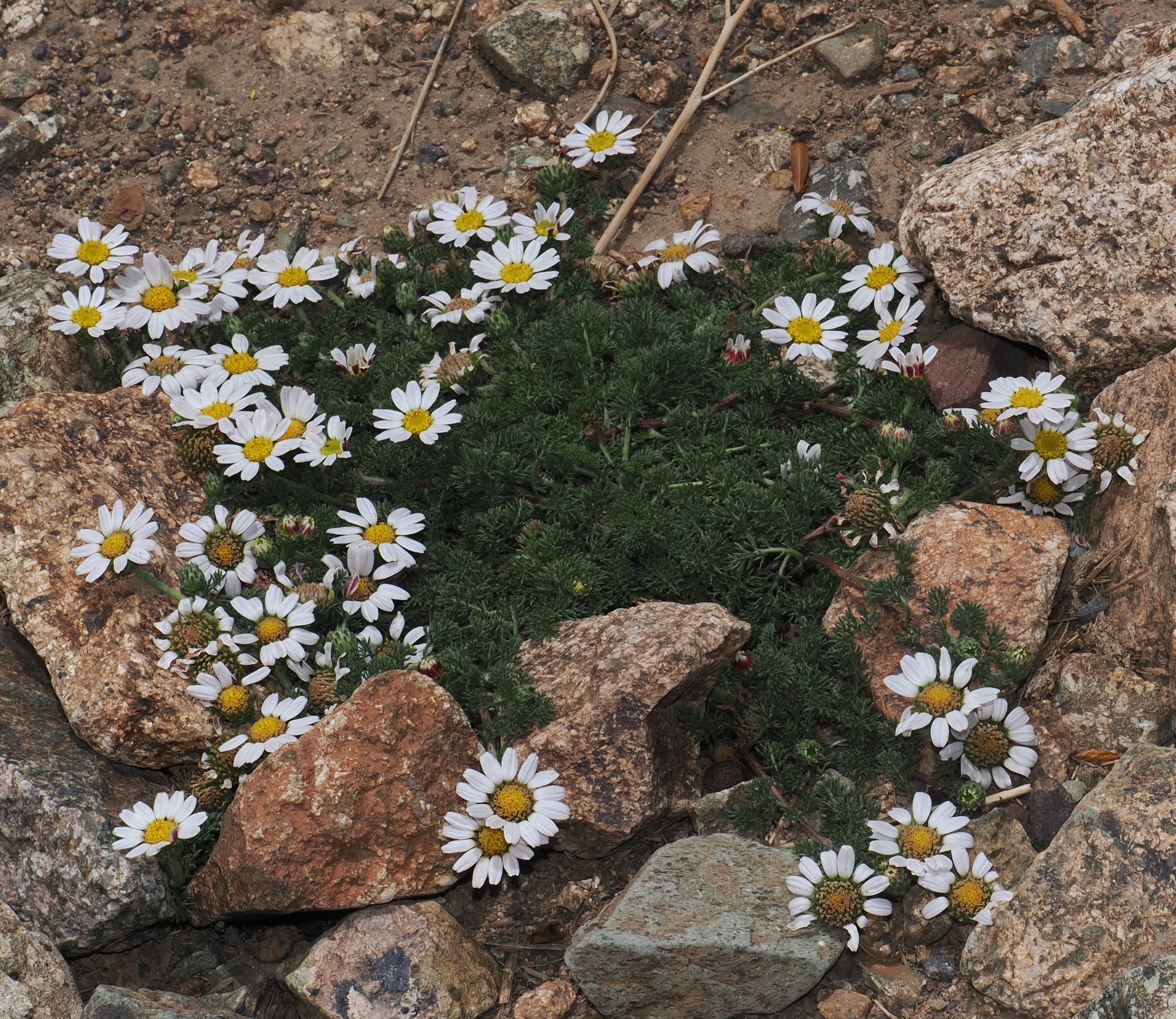
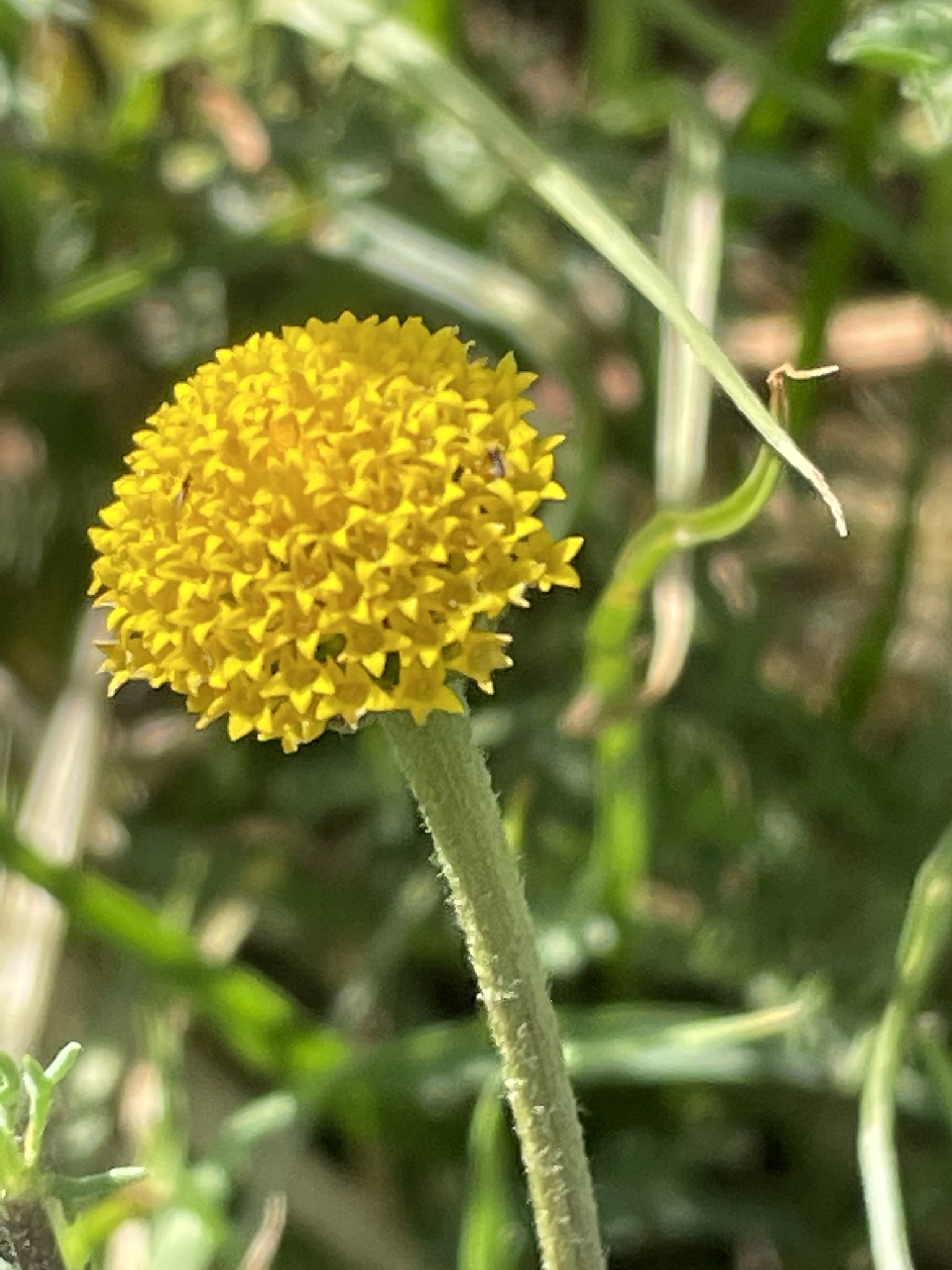
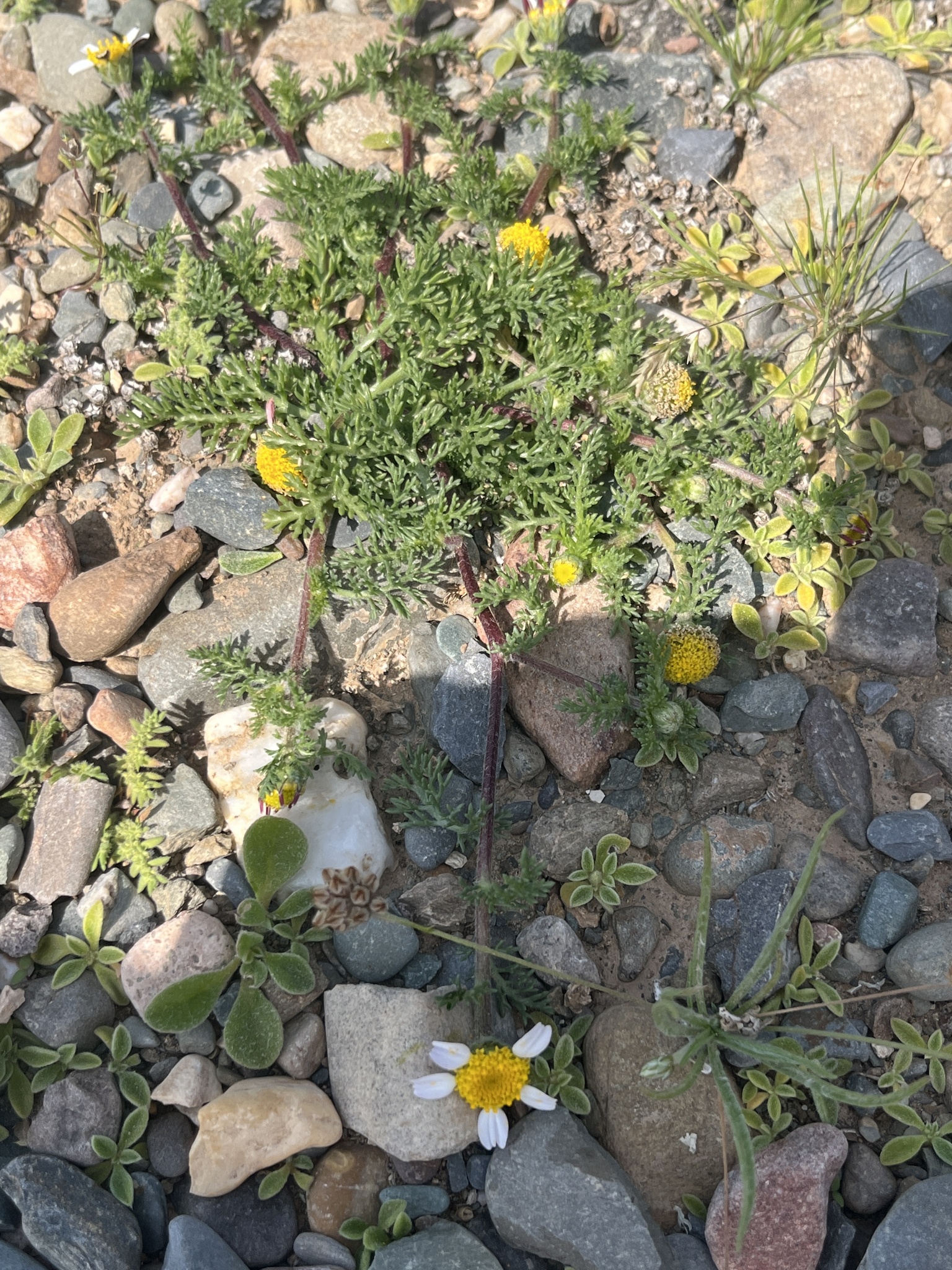
Physically, Anacyclus clavatus typically presents a low-growing, spreading habit. It forms a mat of finely divided, feathery leaves that are usually green to grey-green in color. The leaves are arranged alternately along the stems and contribute to the plant's overall delicate appearance. The most striking feature of Anacyclus clavatus is its inflorescence. The flower heads are solitary, borne on slender stalks that rise above the foliage. Each flower head resembles a small daisy, typically measuring between 1.5 to 2.5 centimeters in diameter. The ray florets, which form the white "petals," are usually pure white and often have a slightly reflexed or downward-pointing orientation. The central disc florets are typically yellow, forming a prominent button-like center, which gives rise to its common name. Following flowering, the plant produces small, achene-type fruits, characteristic of the Asteraceae family, though these are not a primary ornamental feature.
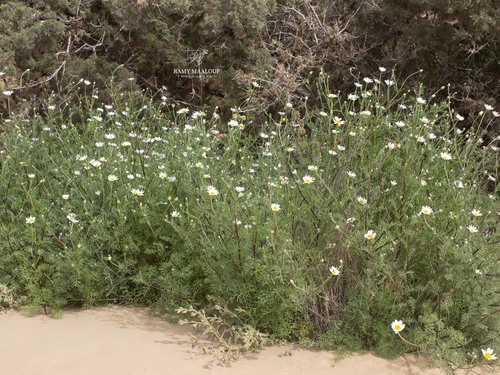
The native distribution of Anacyclus clavatus is primarily concentrated in the western Mediterranean region, including parts of Spain, Portugal, and Morocco. It thrives in arid and semi-arid environments, commonly found in dry grasslands, open scrublands, and on rocky slopes. Its natural habitat often features well-drained soils and exposure to full sun. In cultivation, Anacyclus clavatus is well-suited to similar conditions. It prefers well-drained, sandy or gravelly soils and requires ample sunlight to produce abundant blooms. It is generally drought-tolerant once established and can be a valuable addition to rock gardens, alpine beds, or as a groundcover in sunny, dry locations. Its ability to withstand arid conditions makes it a resilient choice for xeriscaping.
While not widely recognized for significant medicinal, culinary, or economic uses, Anacyclus clavatus holds horticultural value as an ornamental plant. Its charming flowers and low-growing habit make it an attractive choice for gardeners seeking low-maintenance, drought-tolerant species. Ecologically, it contributes to the biodiversity of its native Mediterranean habitats, providing a food source for certain insects. An interesting characteristic of Anacyclus clavatus is its ability to reseed itself in suitable conditions, allowing for natural propagation. The finely divided leaves are an adaptation to reduce water loss in its dry native environment, a common trait among Mediterranean flora. The plant's resilience and attractive floral display contribute to its appeal among plant enthusiasts.
Water moderately, allowing soil to dry slightly between waterings.
Soil
Well-draining soil is essential. Tolerates sandy or rocky soils.
Temperature
Thrives in moderate temperatures.
Habitat
Outdoor
Fertilizer
Feed monthly during growing season with diluted balanced fertilizer.
Care Requirements
Light
Prefers full sun but tolerates partial shade.
Afternoon shade beneficial in hot climates.
Water
Water moderately, allowing soil to dry slightly between waterings.
Reduce in cooler months.
Soil
Well-draining soil is essential. Tolerates sandy or rocky soils.
Temperature
Thrives in moderate temperatures.
Ideal range 15-25°C.
Habitat
Outdoor
Fertilizer
Feed monthly during growing season with diluted balanced fertilizer.
Avoid over-fertilization.
Plant Overview
Plant Type
Herb
Plant Category
Flowering, Ornamental
Plant Place Type
Ground, Garden
Plant Environment
Outdoor
Lifespan
Annuals
Plant Height
0.1-0.3 m
Spread
0.2-0.4 m
Growth Rate
Moderate
Leaf Color
Green
Leaf Type
Feathery, finely divided
Flower Size
2-3 cm
Image Gallery
Flowering & Fruiting Cycles
Monthly activity intensity for bloom and fruit across both hemispheres.
Northern hemisphere
Flowering & fruiting calendar
Peak bloom · JunPeak fruit · Jul
FloweringFruiting
Southern hemisphere
Flowering & fruiting calendar
Peak bloom · JulPeak fruit · Jul
FloweringFruiting
Synonyms
Achillea biaristata Spreng.
Anacyclus aristulatus Link ex Nyman
Anacyclus candolii Nyman
Anacyclus capillifolius Maire
Anacyclus divaricatus Cav. ex Steud.
Anacyclus mucronulatus Steud.
Anacyclus pubescens Brot. ex Link
Anacyclus tomentosus DC.
Anthemis australis Willd.
Anthemis biaristata DC.
Anthemis clavata Desf.
Anthemis pubescens Willd.
Anthemis tubaeformis Guss.
Chamaemelum incrassatum Hoffmanns.
Taxonomy
kingdomPlantae
divisionTracheophyta
classMagnoliopsida
orderAsterales
familyAsteraceae
genusAnacyclus
speciesAnacyclus clavatus
Toxicity
Toxic for humans
No
Rating: 0/5
Toxic for pets
No
Rating: 0/5
Edible
No
Additional Care Tips
Water moderately during the growing season, ensuring good drainage. Allow the top inch of soil to dry out between waterings. Reduce watering in cooler months.
Deadhead spent flowers to encourage more blooms and maintain a tidy appearance. Trim back leggy growth in late summer to promote bushiness.
Easily grown from seed sown in spring or autumn. Can also be propagated by division of clumps in spring.
If grown in pots, repot annually in spring into fresh potting mix to refresh the soil and provide more space as needed.
FAQs
How often should I water Anacyclus clavatus?
Water moderately during the growing season, allowing the top inch of soil to dry out between waterings. Reduce watering in cooler months.
What kind of soil does Whitebuttons prefer?
Anacyclus clavatus thrives in well-draining soil. It tolerates sandy or rocky conditions, making it suitable for rock gardens.
Can Anacyclus clavatus be grown in pots?
Yes, Whitebuttons can be grown in pots. Ensure the pot has drainage holes and use a well-draining potting mix. Repot annually in spring.
When is the best time to plant Anacyclus clavatus seeds?
Seeds can be sown in spring or autumn. Spring sowing allows for germination and establishment before summer heat.
Does Anacyclus clavatus need pruning?
Deadheading spent flowers encourages more blooms and maintains a tidy appearance. Trimming leggy growth in late summer promotes bushiness.