Widowsfrill (Silene stellata) – Care, Benefits & Growing Guide | ePlant AI
Widowsfrill (Silene stellata)
Starry Campion
Widowsfrill
Silene stellata, or Widowsfrill, is a perennial herb with star-shaped white flowers blooming in summer, attracting pollinators. It reaches 0.6-1.2m in height and spread.
Silene stellata, commonly known as Widowsfrill, is a captivating perennial wildflower native to eastern and central North America. This species is recognized for its delicate yet striking appearance, making it a valuable addition to native plant gardens and a subject of interest for those studying North American flora. Its presence in natural landscapes contributes to biodiversity and provides habitat for various organisms.
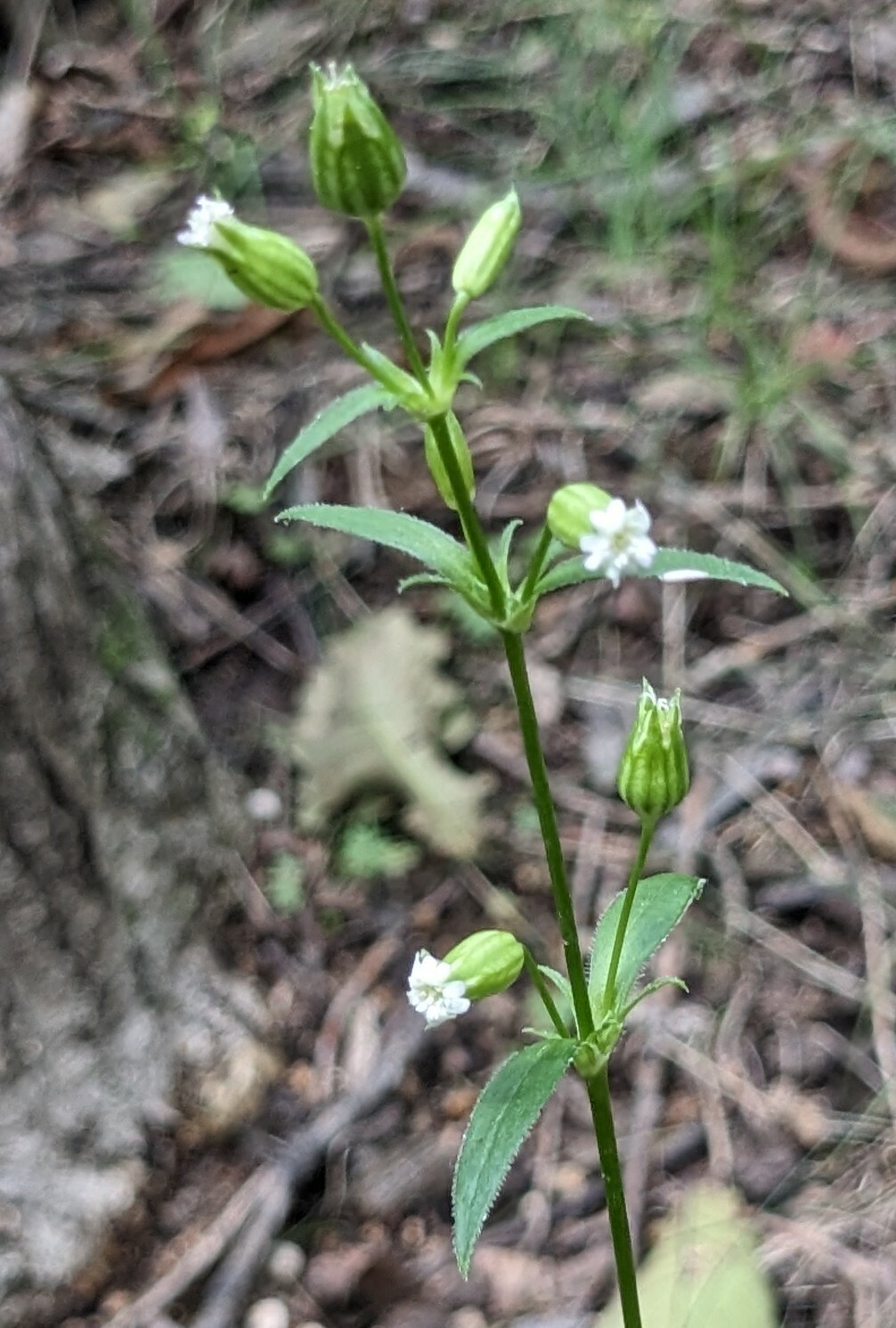
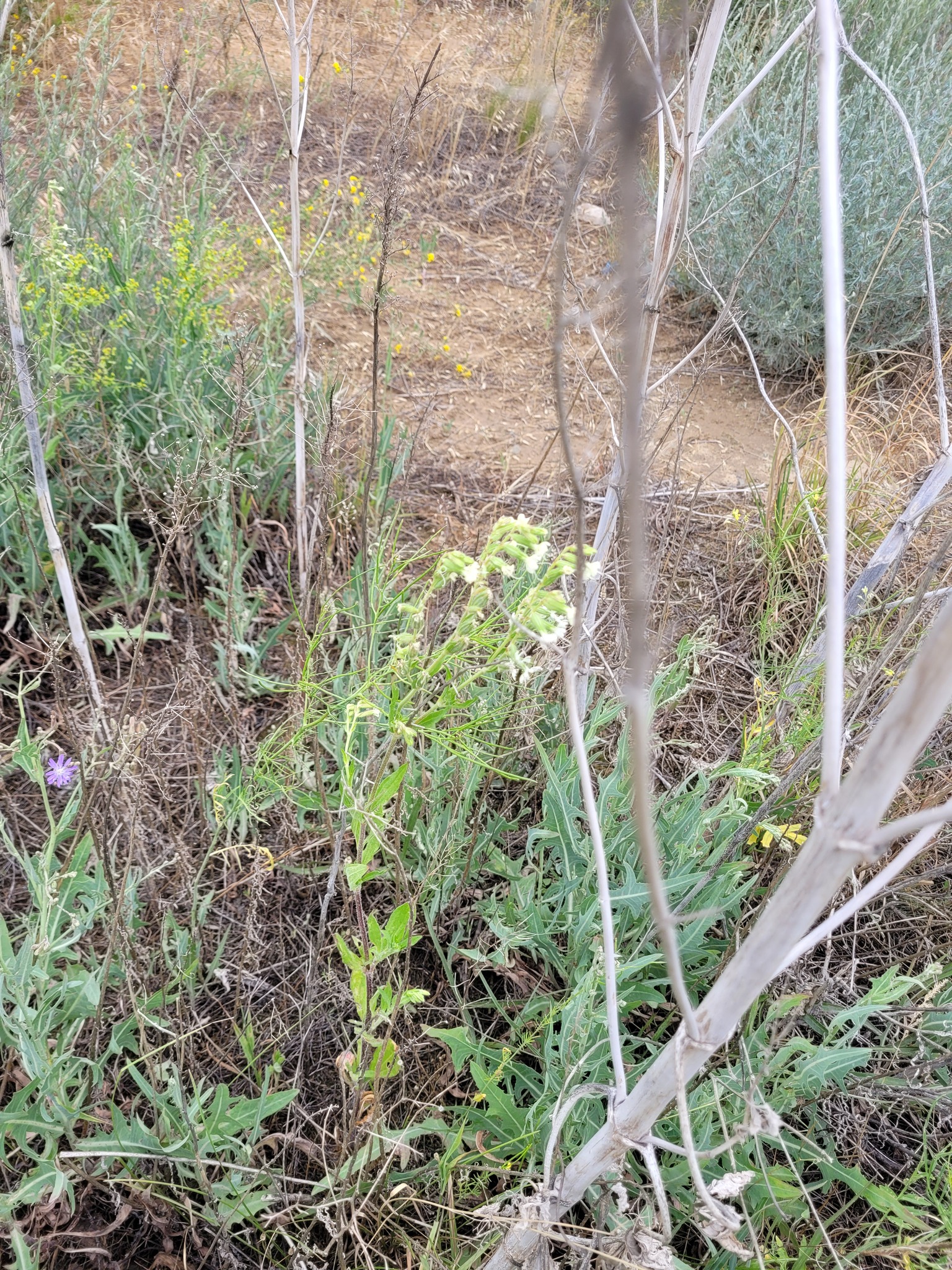
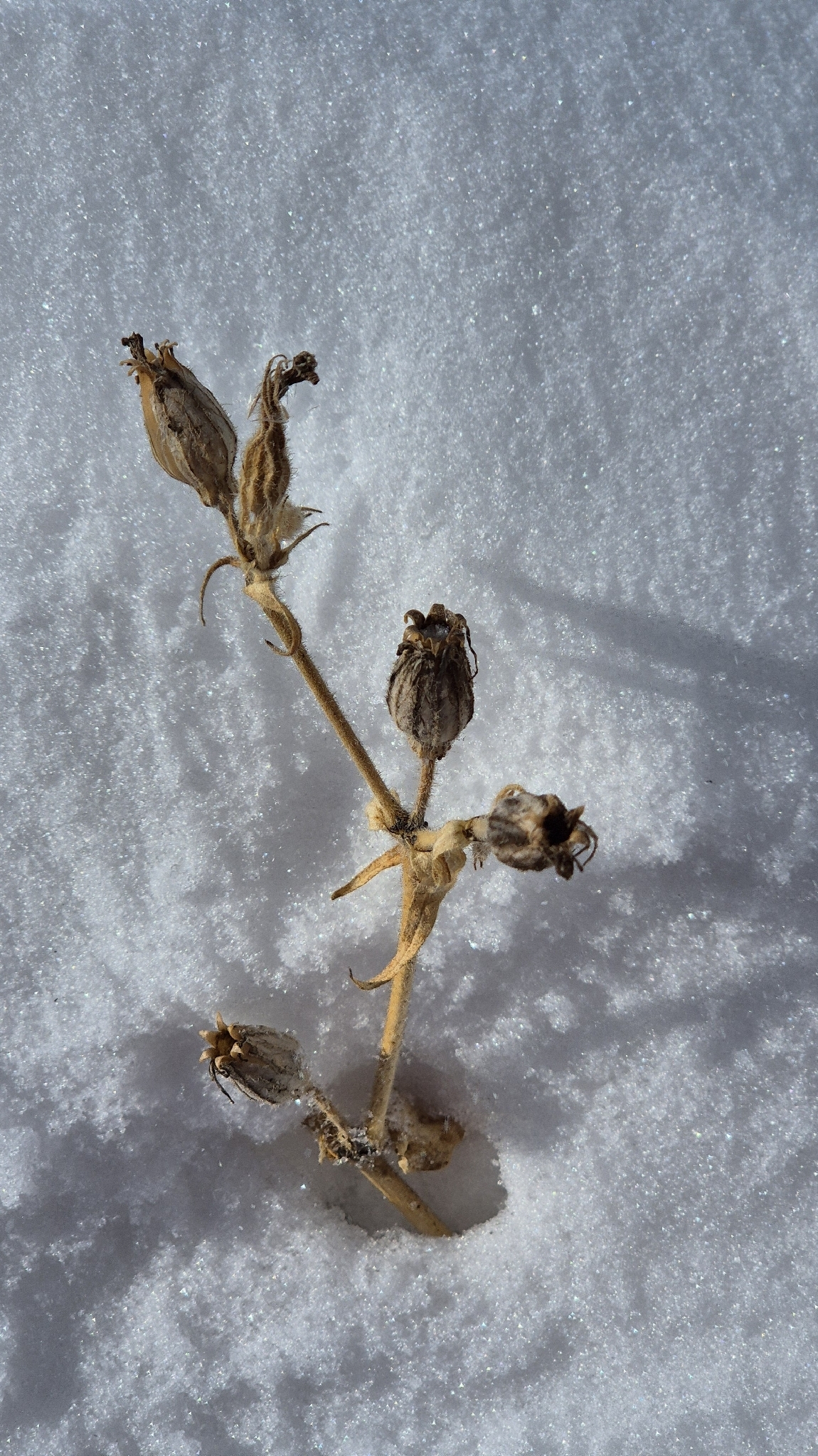
The growth habit of Silene stellata is typically upright and clumping, reaching a mature height of approximately 1 to 3 feet. The stems are slender and often branched, supporting a profusion of leaves. The leaves are arranged oppositely along the stem, are lanceolate to ovate in shape, and can be smooth or slightly hairy. The most distinctive feature of Widowsfrill is its ethereal flowers. These are typically white, star-shaped, and possess deeply divided petals that give them a frilly or fringed appearance, hence the common name. Each flower is borne on a slender pedicel, and they often bloom in clusters at the top of the stems. The blooming period generally occurs from late spring through summer, providing a sustained display of delicate beauty. Following flowering, the plant produces small, ovoid capsules that contain numerous tiny, dark seeds. The root system is typically fibrous.
Silene stellata thrives in a variety of natural habitats, often found in open woodlands, savannas, prairies, and along the edges of forests. It prefers well-drained soils, which can range from sandy to loamy, and tolerates a range of light conditions from full sun to partial shade. In cultivation, it performs best in similar conditions, requiring adequate moisture but avoiding waterlogged soils. Its adaptability to different soil types and light levels makes it a versatile plant for ecological restoration projects and ornamental plantings.
The ecological significance of Silene stellata lies in its role as a nectar source for various pollinators, including bees and butterflies, during its blooming season. Its seeds also provide a food source for certain small birds. While not widely cultivated for agricultural or economic purposes, its ornamental value is considerable, particularly for gardeners seeking to attract wildlife and incorporate native species into their landscapes. There is no established scientific documentation supporting medicinal, culinary, or significant economic uses for Silene stellata.
An interesting characteristic of Silene stellata is the unique structure of its petals, which are deeply incised, creating a delicate, almost lace-like effect. This adaptation may play a role in attracting specific pollinators or in thermoregulation. The plant's ability to thrive in a range of conditions, from sunny prairies to dappled woodland shade, highlights its resilience and adaptability within its native range. The precise timing of its flowering also aligns with the activity periods of many native insect species, underscoring its integrated role in the ecosystem.
Prefers at least 6 hours of direct sunlight daily.
Water
Keep soil consistently moist.
Water regularly, especially during dry spells.
Soil
Well-draining soil, adaptable to various types.
Temperature
Prefers moderate temperatures.
Ideal range is 15-25 °C.
Habitat
Outdoor
Fertilizer
Feed in spring.
Use a balanced, slow-release fertilizer.
Plant Overview
Plant Type
Herb
Plant Category
Flowering, Ornamental
Plant Place Type
Ground, Garden, Pot
Plant Environment
Outdoor
Lifespan
Perennials
Plant Height
0.6-1.2 m
Spread
0.6-1.2 m
Growth Rate
Moderate
Dormancy
Deciduous
Leaf Color
Green
Leaf Type
Ovate to lanceolate
Flower Size
2-3 cm
Image Gallery
Flowering & Fruiting Cycles
Monthly activity intensity for bloom and fruit across both hemispheres.
Northern hemisphere
Flowering & fruiting calendar
Peak bloom · AugPeak fruit · Sep
FloweringFruiting
Southern hemisphere
Flowering & fruiting calendar
Peak bloom · JunPeak fruit · Aug
FloweringFruiting
Synonyms
Cucubalus stellatus L.
Evactoma stellata (L.) Raf.
Silene scabrella (Nieuwl.) G.N.Jones
Viscago stellata (L.) Rchb.
Taxonomy
kingdomPlantae
divisionTracheophyta
classMagnoliopsida
orderCaryophyllales
familyCaryophyllaceae
genusSilene
speciesSilene stellata
Toxicity
Toxic for humans
No
Rating: 0/5
Toxic for pets
No
Rating: 0/5
Edible
No
Additional Care Tips
Water consistently, especially during dry periods, to maintain evenly moist soil. Reduce watering in winter.
Deadhead spent flowers to encourage reblooming and maintain a tidy appearance. Cut back dead foliage in late autumn or early spring.
Propagate by seed sown in autumn or spring, or by division of clumps in early spring. Stem cuttings can also be taken in summer.
Repot container-grown plants every 2-3 years in spring, using fresh potting mix. Ensure the new pot has adequate drainage.
FAQs
How often should I water Silene stellata?
Water Silene stellata regularly to keep the soil consistently moist, especially during dry periods. Reduce watering in winter when the plant is dormant.
What kind of soil does Widowsfrill prefer?
Widowsfrill thrives in well-draining soil. It is adaptable to various soil types but performs best in soil that is not waterlogged.
Can Silene stellata be grown in containers?
Yes, Silene stellata can be grown successfully in containers. Ensure the pot has good drainage and use a quality potting mix.
When is the best time to prune Silene stellata?
Deadhead spent flowers to encourage more blooms. Cut back any dead or dying foliage in late autumn or early spring before new growth begins.
Does Silene stellata attract pollinators?
Yes, the star-shaped white flowers of Silene stellata are known to attract bees, butterflies, and other beneficial pollinators to the garden.