Skip to plant details

Wine RaspberryRubus phoenicolasius

Also known as Black Raspberry · Brandywine Raspberry · Hairy Bramble

  • Category: Fruit
  • Type: Shrub, Vine
  • Sunlight: Full Sun
  • Water: Consistent Moisture
  • Temperature: Adaptable

Wine Raspberry (Rubus phoenicolasius) is an ornamental shrub with attractive red stems and edible, tart berries, thriving in full sun to partial shade.

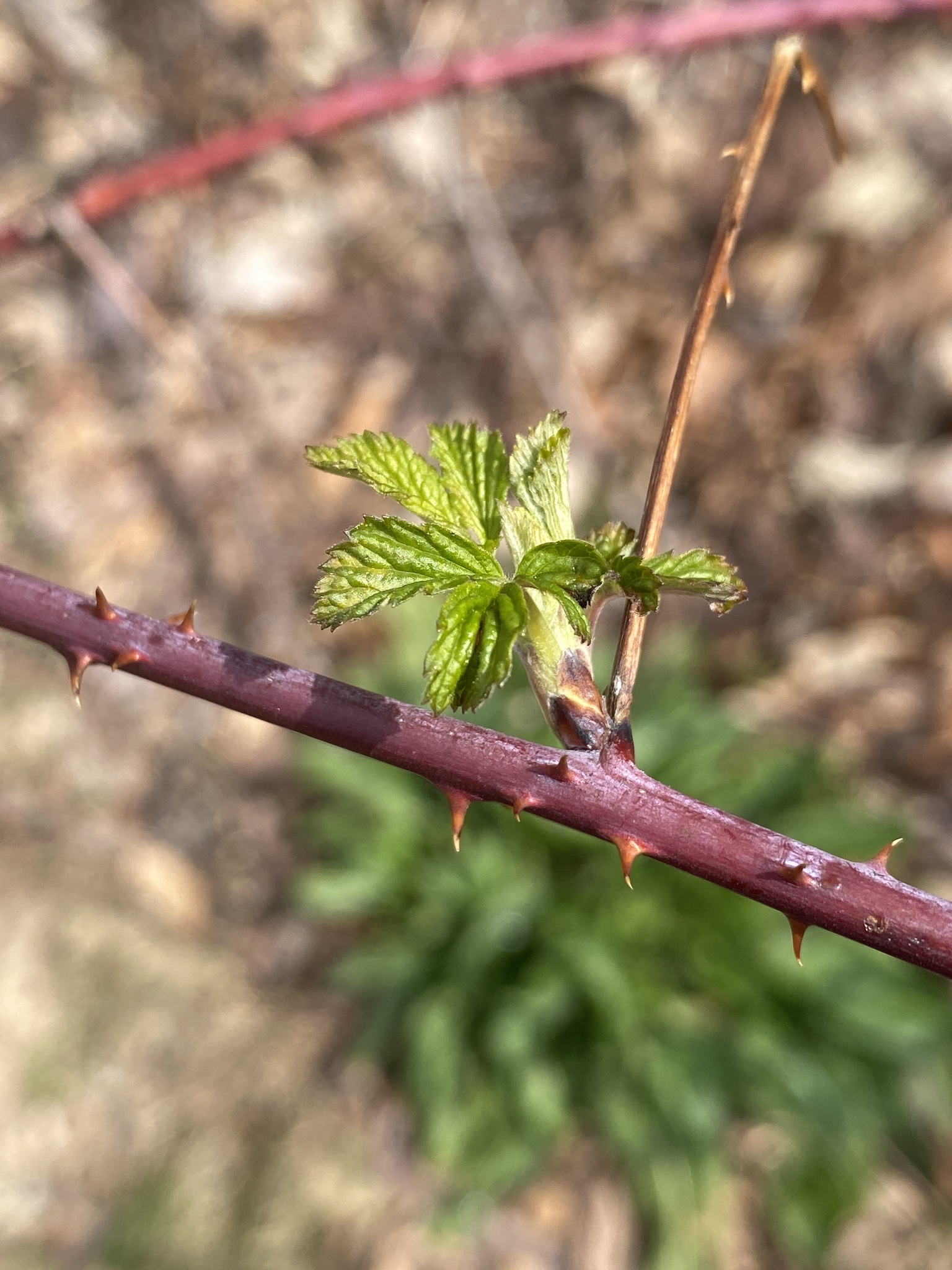
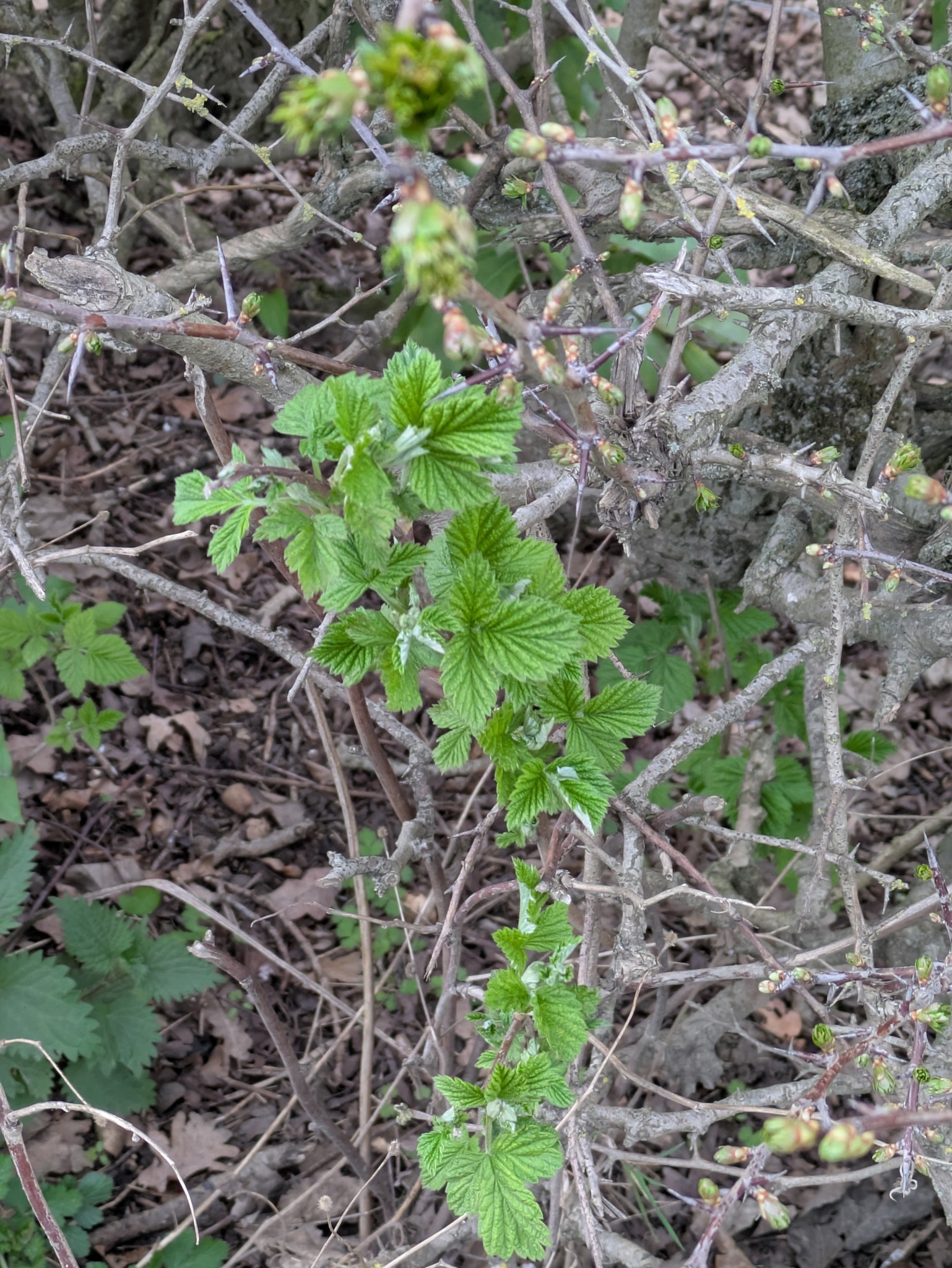
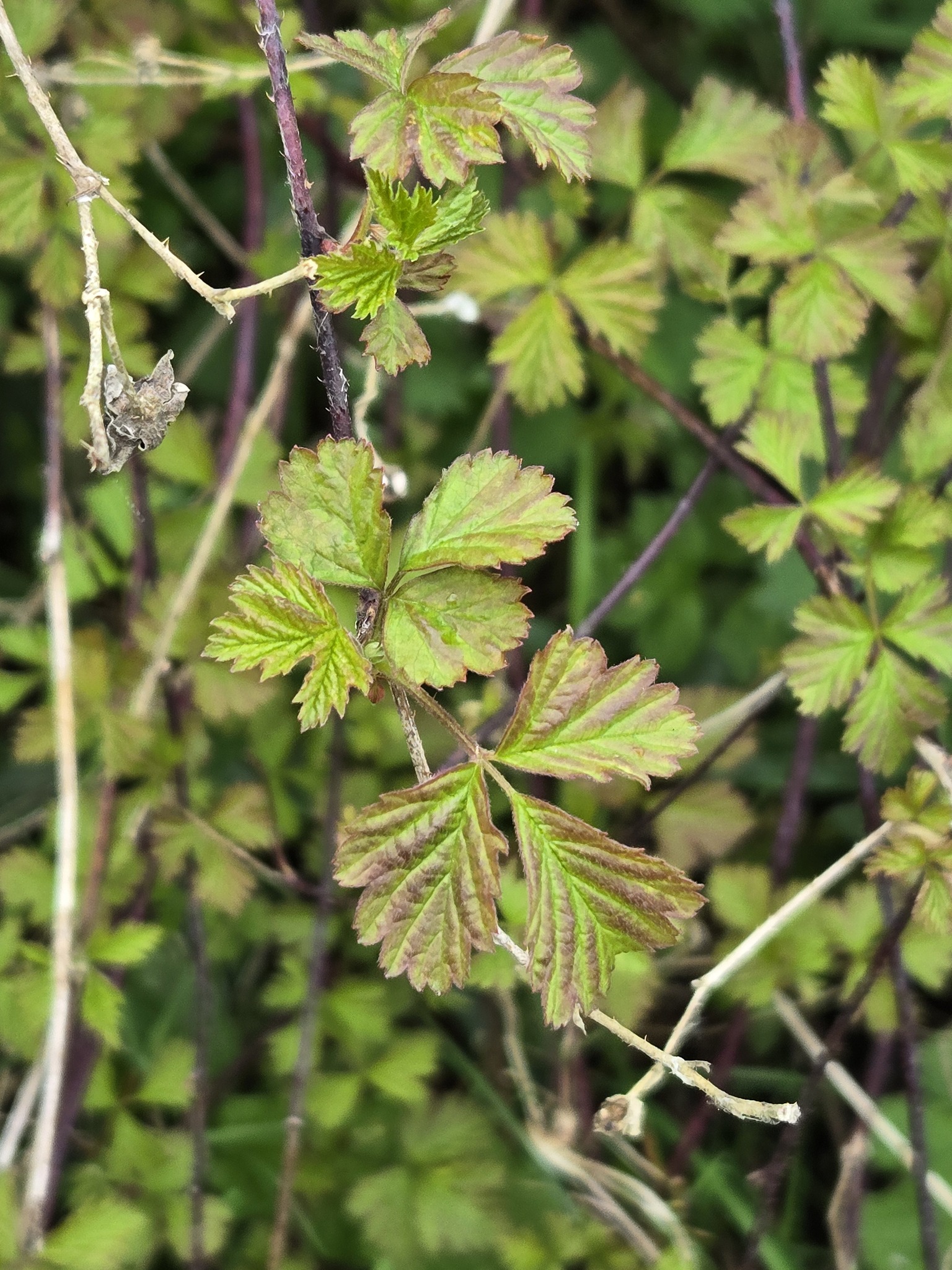
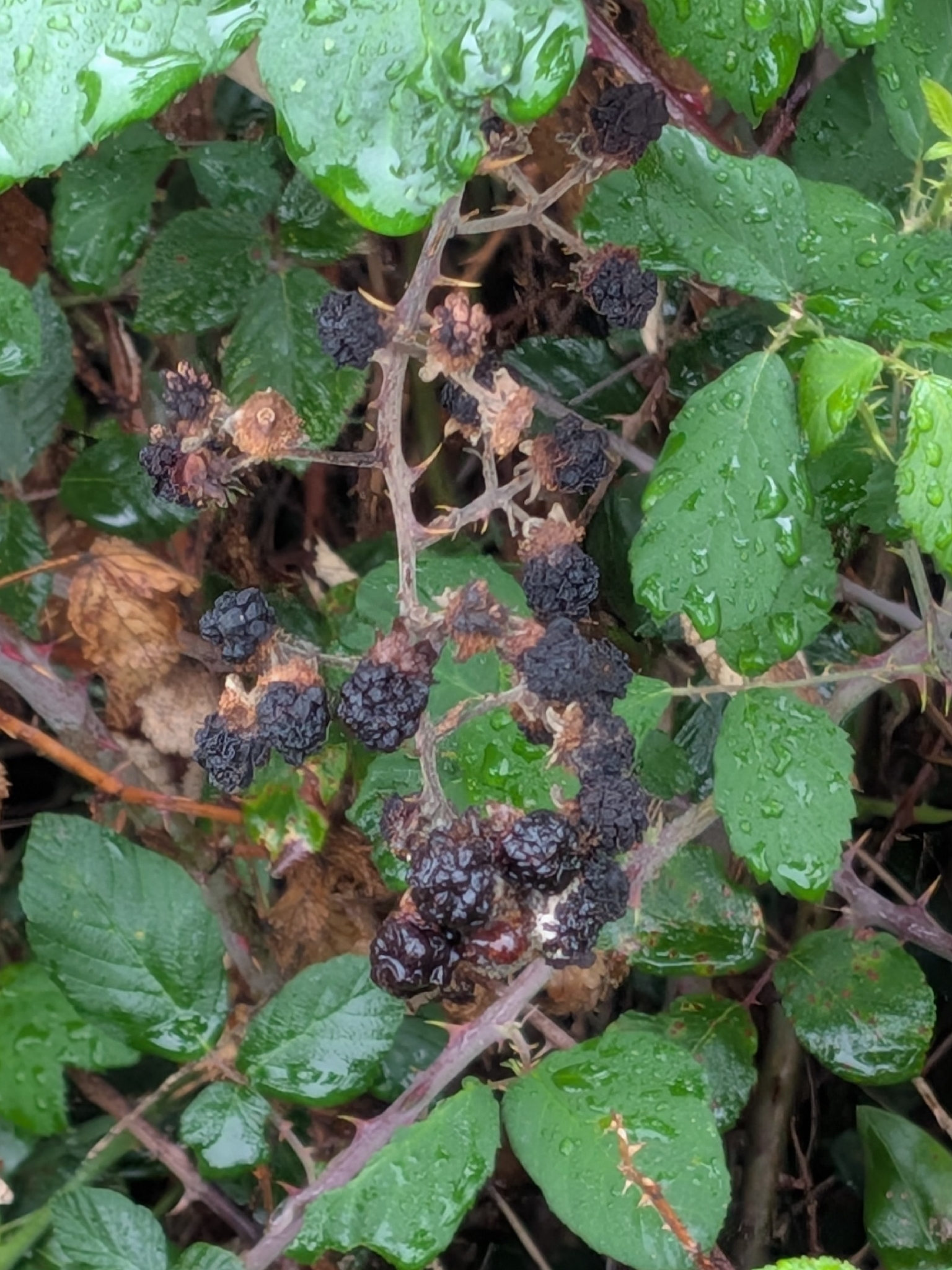
Rubus phoenicolasius, commonly known as the Wine Raspberry, is a species of raspberry native to East Asia. It is a deciduous shrub that forms dense thickets, making it a valuable plant for naturalizing areas and providing habitat for wildlife. Its distinctive reddish, bristly stems and attractive foliage contribute to its ornamental appeal in landscape settings. The growth habit of Rubus phoenicolasius is characterized by arching, biennial canes that can reach lengths of 2 to 3 meters. These canes are covered in numerous glandular hairs and prickles, which are typically reddish-purple, giving the plant its common name. The leaves are compound, usually trifoliate or pinnately compound with three to five leaflets. The leaflets are ovate to broadly ovate, with serrated margins and a pointed apex. The upper surface of the leaf is typically dark green, while the underside is paler and may be covered in fine hairs. In late spring or early summer, the plant produces clusters of small, white to pale pink flowers. These flowers are typically borne in terminal panicles or racemes. Following flowering, Rubus phoenicolasius develops its characteristic fruit. The berries are small, globose to ovoid, and a vibrant reddish-orange to deep red color when ripe. They are composed of numerous drupelets, typical of the Rubus genus. The fruit is known for its tart flavor, which has led to its use in jams, jellies, and wines, hence the common name "Wine Raspberry." The plant is well-adapted to a range of soil types, preferring well-drained, fertile soil and full sun to partial shade. It is hardy and can tolerate a variety of climatic conditions. The native distribution of Rubus phoenicolasius encompasses parts of China, Japan, Korea, and the Russian Far East. It typically thrives in open woodlands, forest edges, and along stream banks, often colonizing disturbed areas. While not widely cultivated for commercial fruit production, it is appreciated in horticulture for its ornamental qualities and its ability to naturalize. The plant's dense growth provides effective erosion control on slopes. Ecologically, the berries offer a food source for birds and small mammals, and the thorny canes offer shelter. Its unique bristly stems and vibrant fruit make it a visually interesting addition to a garden, particularly in informal or naturalistic designs.

Photograph © Ken Oeser

Wine Raspberry Care Summary

At-a-glance light, water, soil, and growing conditions from plant data

Light

Full Sun

75% intensity

Prefers at least 6-8 hours of direct sunlight daily for best fruiting.

Watering

Consistent Moisture

50% intensity

Keep soil evenly moist, avoiding drought and waterlogging.

Soil

Loam, Sandy Loam, Clay Loam

50% intensity

Temperature

Adaptable

50% intensity

Hardy in USDA zones 4-8; prefers cooler temperatures for optimal growth and fruiting.

Fertilizer

Moderate

50% intensity

Feed in spring and after harvest with a balanced fertilizer.

Wine Raspberry Toxicity

Safety information from plant toxicity data

Toxicity details for Wine Raspberry
AttributeValue
Toxic for humansNo

0/5 intensity

Toxic for petsNo

0/5 intensity

EdibleYes

None

Wine Raspberry Quick Facts

Key traits and growing stats from plant data

Plant Type
Shrub, Vine
Plant Category
Fruit
Plant Place Type
Garden, Pot
Lifespan
Perennial
Plant Height
1.5-2.5 m
Spread
1.5-2.5 m
Growth Rate
Fast
Dormancy
Yes
Leaf Color
Green
Leaf Type
Compound
Flower Size
0.5-1 cm
Optimal Sunlight Lux
60000

Care guide for Wine Raspberry

Watering, pruning, propagation, and repotting details from plant data

Water

Wine raspberries prefer consistent moisture. Water deeply when the top 2-3 cm of soil feels dry, especially during fruiting. Avoid waterlogged conditions, which can lead to root rot.

Mulching helps retain soil moisture and suppress weeds.

Pruning

Prune to remove dead, diseased, or weak canes. After fruiting, cut out old floricanes (canes that bore fruit this year) at the base.

In late winter or early spring, thin primocanes (new canes) to the strongest 6-8 per plant, shortening them slightly if overcrowded.

Propagation

Wine raspberries are easily propagated from basal shoots (suckers) that arise from the parent plant's base. Dig up these young shoots in late winter or early spring, ensuring they have some roots attached.

Alternatively, softwood cuttings can be taken in early summer.

Repotting

Established plants are rarely repotted. If grown in containers, repot every 2-3 years into a slightly larger pot with fresh potting mix, typically in late winter or early spring before active growth begins.

Ensure good drainage.

Identify plants like this with ePlant

Snap a photo to get care tips and match similar species on the go.

Try for Free

Flowering & Fruiting Cycles

Monthly activity intensity for bloom and fruit across both hemispheres.

Northern hemisphere

Flowering & fruiting calendar

Peak bloom · JunPeak fruit · Aug
FloweringFruiting
02468JanFebMarAprMayJunJulAugSepOctNovDecActivity intensityMonths99
Southern hemisphere

Flowering & fruiting calendar

Peak bloom · JunPeak fruit · Aug
FloweringFruiting
02468JanFebMarAprMayJunJulAugSepOctNovDecActivity intensityMonths99

Wine Raspberry Names & Synonyms

Common names and botanical synonyms

Common Names

  • Black Raspberry
  • Brandywine Raspberry
  • Hairy Bramble
  • Japanese Raspberry
  • Japanese Wine Berry
  • Japanese Wineberry
  • Purple-Hair Bramble
  • Purple-Leaf Blackberry
  • Raspberry
  • Wine Bramble
  • Wine Raspberry
  • Wineberry

Wine Raspberry Taxonomy

Botanical classification

Taxonomic classification of Wine Raspberry
RankName
kingdomPlantae
divisionTracheophyta
classMagnoliopsida
orderRosales
familyRosaceae
genusRubus
speciesRubus phoenicolasius

Wine Raspberry FAQs

Answers based on plant encyclopedia data

What are the ideal growing conditions for Wine Raspberry?

Wine Raspberry prefers full sun to partial shade and well-drained soil. It is adaptable to various soil types but thrives in moist, fertile conditions.

How should Wine Raspberry be pruned?

Pruning is typically done in late winter or early spring before new growth begins. Remove dead, damaged, or crossing canes to maintain plant health and structure.

Are the berries of Rubus phoenicolasius edible?

Yes, the berries are edible and are often used in jams, jellies, and wines, though they can be tart.

Does Wine Raspberry spread aggressively?

While it can spread via suckers, it is generally not considered aggressively invasive, especially when managed with occasional pruning.

What is the typical size of a Wine Raspberry plant?

Wine Raspberry typically grows to a height and spread of 1.5 to 2.5 meters.