Skip to plant details

Wood Meadow-GrassPoa nemoralis

Also known as Eurasian Woodland Bluegrass · Forest Bluegrass · Wood Blue-Grass

  • Category: Ornamental
  • Type: Grass
  • Sunlight: Partial Shade to Full Shade
  • Water: Moderate
  • Temperature: Cool to Moderate

Wood Meadow-grass (Poa nemoralis) is a perennial grass often found in woodlands and shady areas, forming loose tufts.

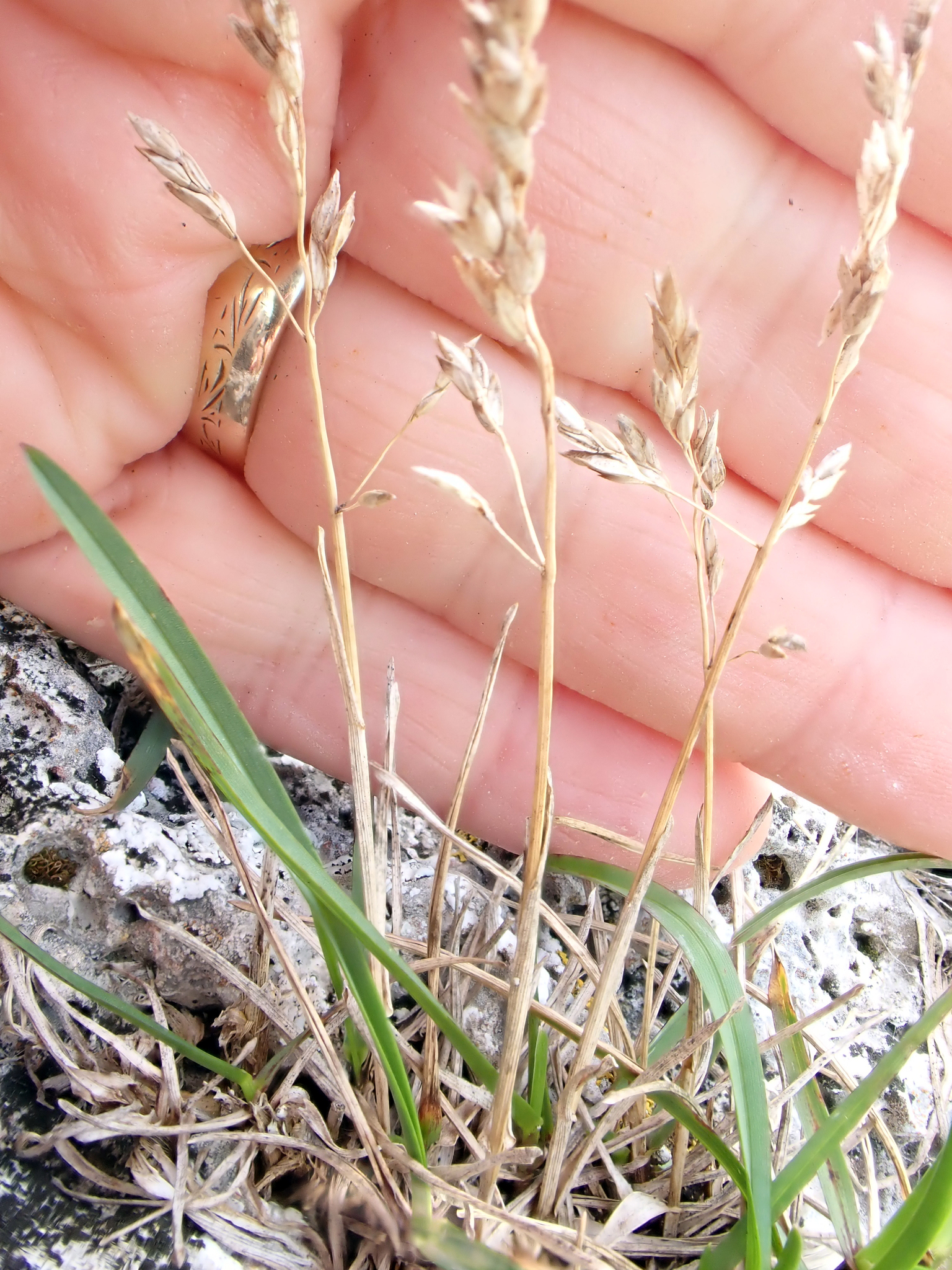
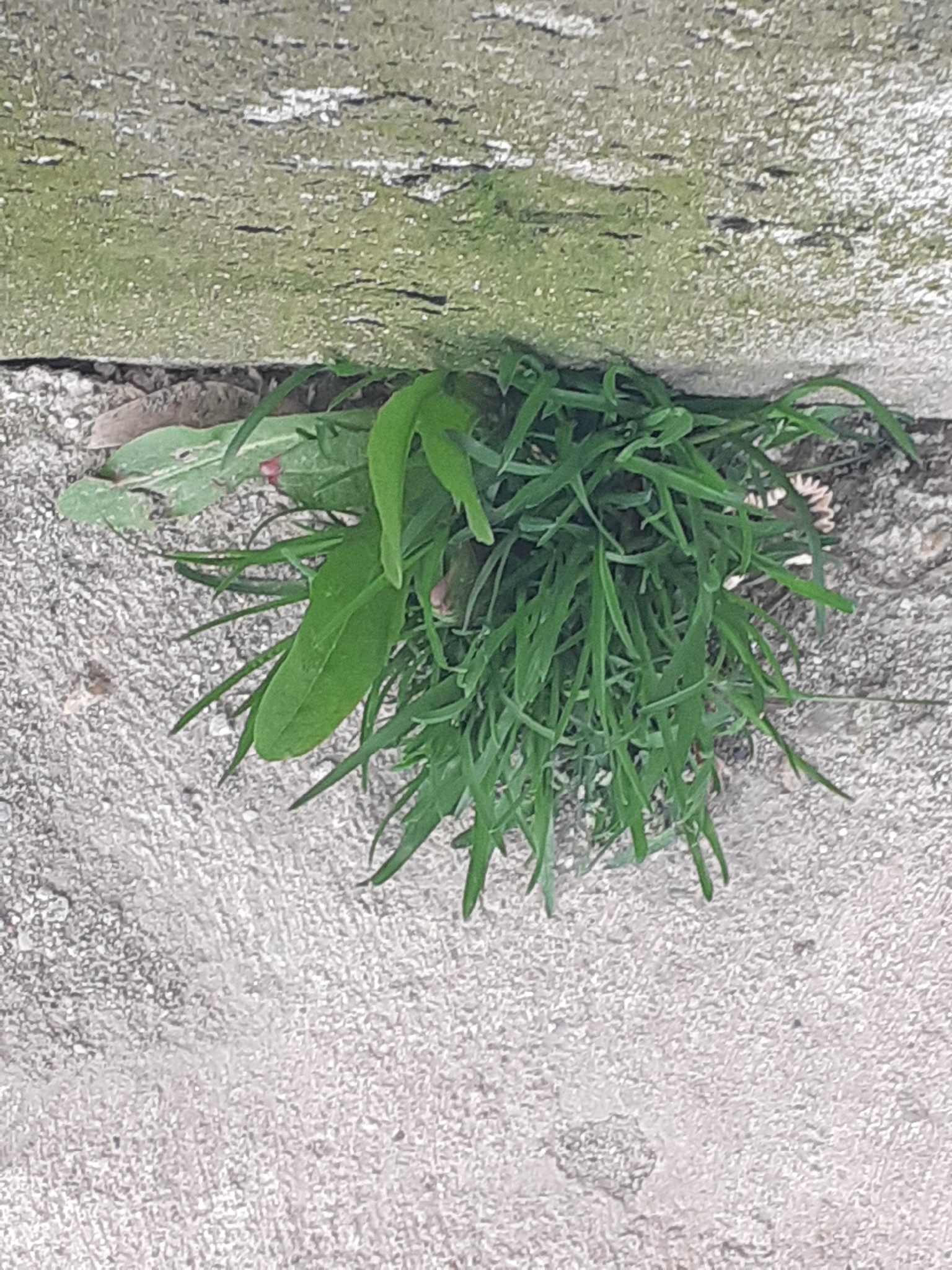
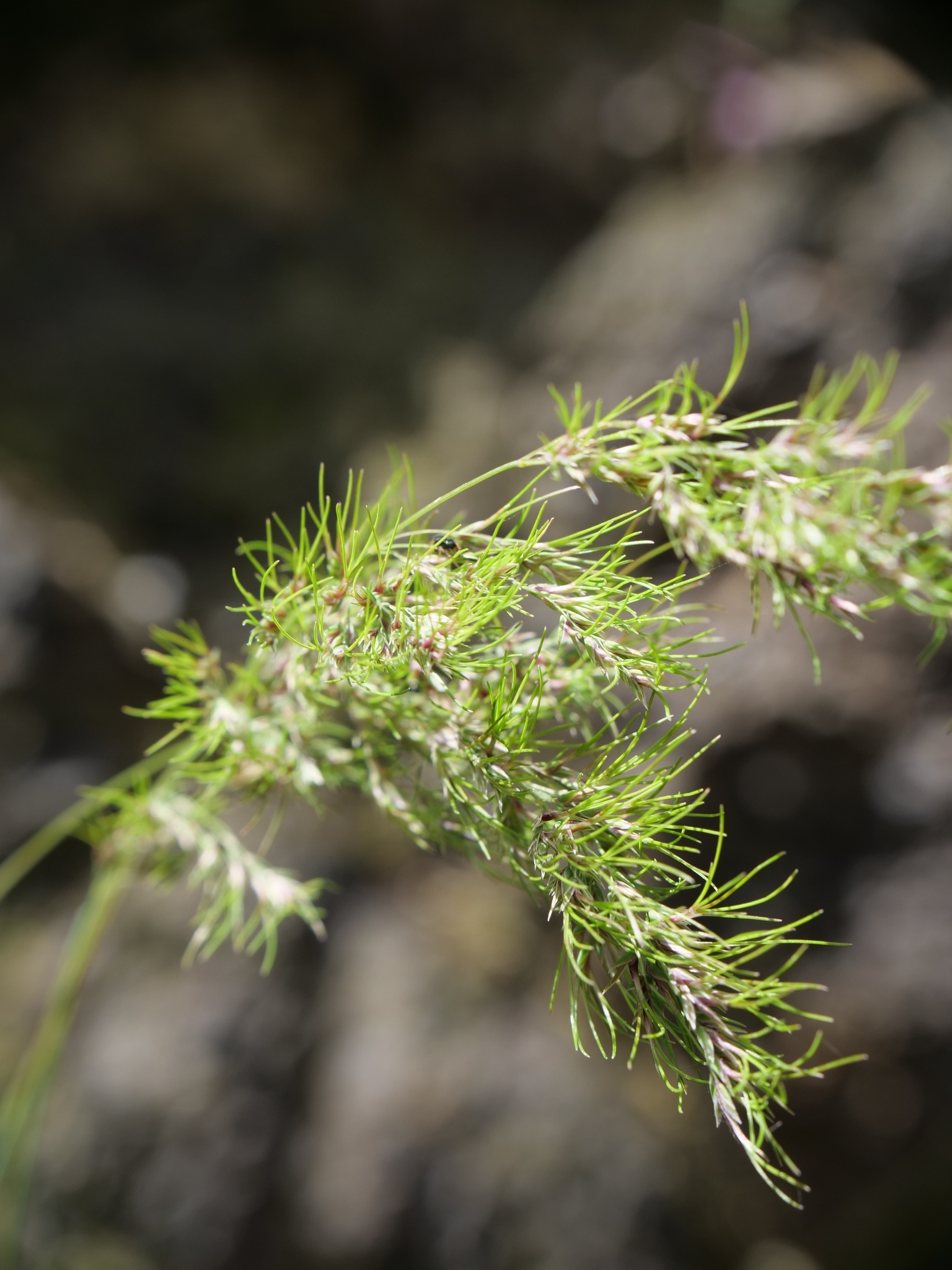
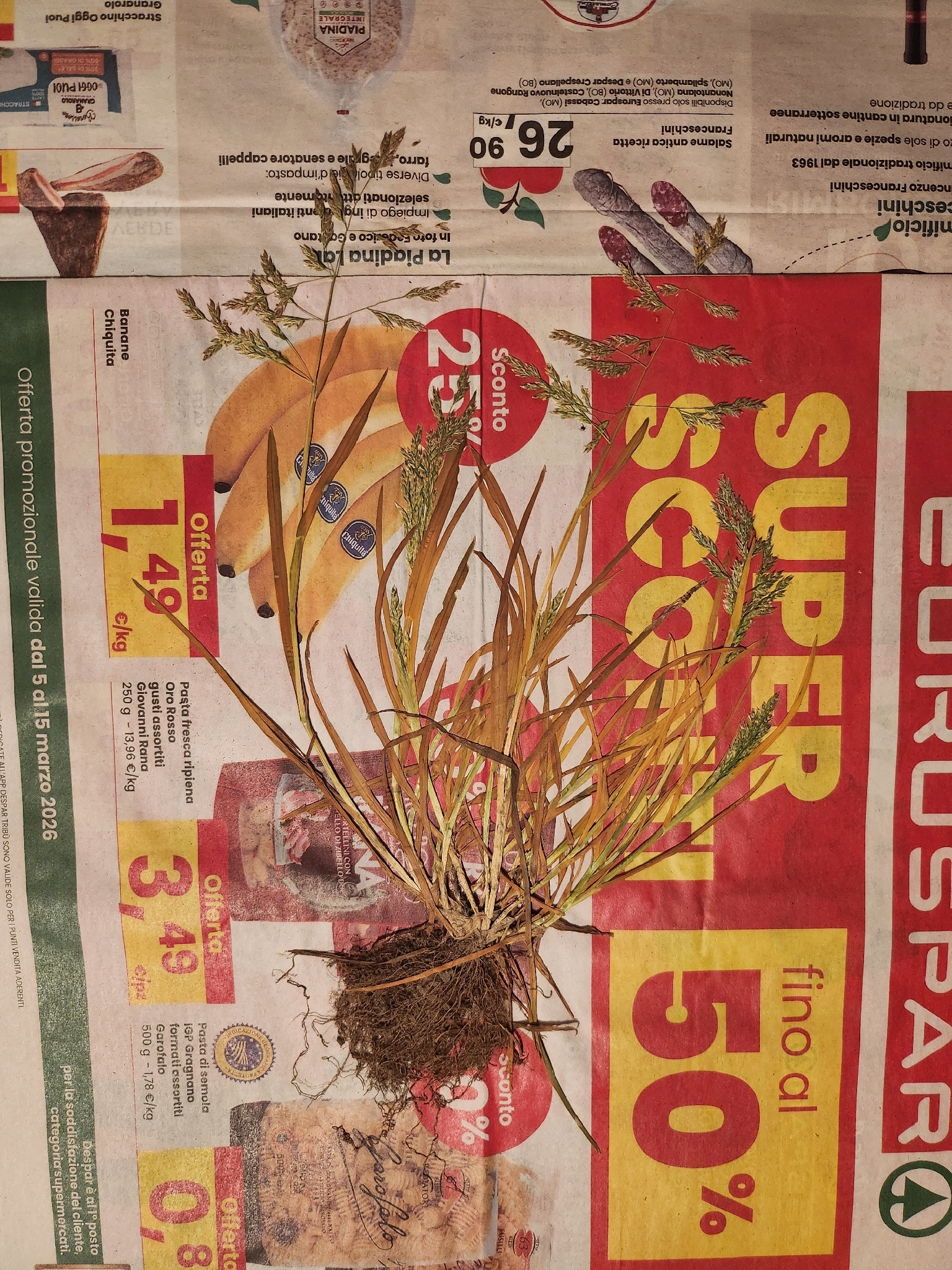
Poa nemoralis, commonly known as Wood Meadow-grass, is a perennial grass species native to Europe and Asia. It is a component of various grassland and woodland ecosystems, often found in shaded or semi-shaded environments. This grass is recognized for its ability to thrive in conditions where many other grasses struggle, making it an interesting subject for ecological and horticultural study. Physically, Poa nemoralis is a slender, tufted grass that typically reaches a height of 30 to 80 centimeters. Its growth habit is clumping, forming loose tussocks. The leaves are relatively narrow, usually 2 to 4 millimeters wide, and are a bright green color. They are flat for most of their length, tapering to a fine point. The ligule, the membrane at the base of the leaf blade where it joins the sheath, is notably long and pointed, a key characteristic for identification. The inflorescence is an open panicle, which is typically loose and spreading, often appearing somewhat pyramidal. The spikelets are small, usually containing two to four florets, and are green or purplish in color. The glumes are unequal in length, and the lemmas are typically awnless or have a very short awn. The caryopsis, or grain, is small and oblong. Wood Meadow-grass is native to a wide range of habitats across Europe and temperate Asia. It is commonly found in woodlands, forest edges, hedgerows, and shaded areas of meadows and pastures. It prefers well-drained soils that are often rich in organic matter and can tolerate a range of soil pH. While it is adapted to shaded conditions, it can also grow in more open, sunny locations if moisture is adequate. In cultivation, it is best suited to partial shade and moist, fertile soils. It is not typically a primary agricultural crop but can be a component of amenity or conservation seed mixes for shaded areas. Ecologically, Poa nemoralis plays a role in its native ecosystems by providing ground cover and contributing to the biodiversity of understory vegetation in woodlands. Its ability to grow in shade allows it to colonize areas that might otherwise be sparsely vegetated. While not widely cultivated for specific economic purposes, its presence in natural landscapes is significant. There is no established record of its use in traditional medicine, culinary applications, or significant economic exploitation. An interesting characteristic of Poa nemoralis is its shade tolerance, which distinguishes it from many other meadow-grass species that prefer full sun. This adaptation allows it to thrive in the understory of deciduous forests, where light levels are reduced for much of the year. The open structure of its panicle and its relatively small seeds are adaptations that likely aid in its dispersal within its preferred habitats. Its perennial nature ensures its persistence in these environments year after year.

Photograph © Alexander Baransky · CC-BY-NC

Wood Meadow-Grass Care Summary

At-a-glance light, water, soil, and growing conditions from plant data

Light

Partial Shade to Full Shade

50% intensity

Thrives in shaded or semi-shaded conditions, tolerates some sun if kept moist.

Water

Moderate

50% intensity

Keep soil consistently moist during growing season, reduce in winter.

Soil

Well-drained

50% intensity

Temperature

Cool to Moderate

50% intensity

Prefers cooler temperatures; hardy in USDA zones 4-8. Avoid extreme heat.

Fertilizer

Low

25% intensity

Fertilize sparingly in spring with a balanced, slow-release fertilizer.

Wood Meadow-Grass Quick Facts

Key traits and growing stats from plant data

Plant Type
Grass
Plant Category
Ornamental
Plant Place Type
Garden
Lifespan
Perennial
Plant Height
0.3-0.8 m
Spread
0.3-0.5 m
Growth Rate
Moderate
Dormancy
Semi-evergreen
Leaf Color
Green
Leaf Type
Linear
Optimal Sunlight Lux
1500

Care guide for Wood Meadow-Grass

Watering, pruning, propagation, and repotting details from plant data

Water

Water Wood Meadow-grass regularly during its active growing season, especially when young or during dry spells. Aim to keep the soil consistently moist but not waterlogged.

Reduce watering in autumn and winter as growth slows down. Good drainage is essential to prevent root rot.

Pruning

Prune Wood Meadow-grass in late autumn or early spring before new growth begins. Cut back the dead or faded foliage to tidy the plant and encourage fresh growth.

Remove any yellowing or damaged leaves throughout the season as needed.

Propagation

Propagate Wood Meadow-grass by dividing established clumps in spring or autumn. Sow seeds in autumn or early spring in a cool, moist environment. Stratification may be beneficial for seed germination.

Division is the most common and easiest method.

Repotting

Repotting is generally not a concern for established clumps of Wood Meadow-grass as it is often grown in borders or naturalistic settings. If grown in a container, repot every 2-3 years in spring to refresh the soil and provide more space.

Identify plants like this with ePlant

Snap a photo to get care tips and match similar species on the go.

Try for Free

Flowering & Fruiting Cycles

Monthly activity intensity for bloom and fruit across both hemispheres.

Northern hemisphere

Flowering & fruiting calendar

Peak bloom · JunPeak fruit · Jul
FloweringFruiting
02468JanFebMarAprMayJunJulAugSepOctNovDecActivity intensityMonths99
Southern hemisphere

Flowering & fruiting calendar

Peak bloom · JunPeak fruit · Jul
FloweringFruiting
02468JanFebMarAprMayJunJulAugSepOctNovDecActivity intensityMonths99

Wood Meadow-Grass Names & Synonyms

Common names and botanical synonyms

Common Names

  • Eurasian Woodland Bluegrass
  • Forest Bluegrass
  • Wood Blue-Grass
  • Wood Bluegrass
  • Wood Meadow Grass
  • Wood Meadow-Grass
  • Wood Meadowgrass
  • Wood Poa
  • Woodland Bluegrass
  • Woods Bluegrass

Synonyms

  • Agrestis alba (L.) Lunell
  • Agrostis alba L.
  • Aira elodes Brign.
  • Catabrosa elodes (Brign.) Roem. & Schult.
  • Catabrosa helodes Roem. & Schult.
  • Decandolia alba (L.) T.Bastard
  • Eragrostis tenuis Steud.
  • Festuca depauperata Bertol.
  • Milium album (L.) Lag.
  • Paneion nemorale (L.) Lunell
  • Poa acmocalyx Keng f. & L.Liu
  • Poa adjarica (Sommier & Levier) A.P.Khokhr.
  • Poa alexeenkoi (Tzvelev) Czerep.
  • Poa asperula Steud.
  • Poa caespitosa Poir.
  • Poa cinerea Vill.
  • Poa debilis Thuill.
  • Poa firmula (Gaudin) Gray
  • Poa glaucantha Schleich. ex Gaudin
  • Poa glaucescens Roth
  • Poa gracilescens Schrad.
  • Poa hypanica Prokudin
  • Poa juncea Suter
  • Poa juncoides Gaudin
  • Poa kumgansanii Ohwi
  • Poa lapponica Prokudin
  • Poa miliacea DC.
  • Poa muralis Honck.
  • Poa parnellii Bab.
  • Poa pilipes Keng f. ex Shan Chen
  • Poa polymorpha Wibel
  • Poa scheuchzeri Suter
  • Poa scopulorum Butters & Abbe
  • Poa subpolaris Kuvaev
  • Poa tenuis Clairv.
  • Poa tormentuosa Butters & Abbe
  • Vilfa alba (L.) P.Beauv.

Wood Meadow-Grass Taxonomy

Botanical classification

Taxonomic classification of Wood Meadow-Grass
RankName
kingdomPlantae
divisionTracheophyta
classLiliopsida
orderPoales
familyPoaceae
genusPoa
speciesPoa nemoralis

Wood Meadow-Grass FAQs

Answers based on plant encyclopedia data

What are the preferred growing conditions for Poa nemoralis?

Poa nemoralis thrives in partial to full shade and prefers moist, well-drained soils. It is tolerant of a range of soil types but performs best in loamy conditions.

How tall does Wood Meadow-grass typically grow?

Wood Meadow-grass usually reaches a height of 30 to 80 centimeters, with flower stalks extending slightly higher.

Is Poa nemoralis a good choice for lawns?

While it can grow in shady lawn areas, Poa nemoralis typically forms a less dense turf compared to more common lawn grasses and may not be ideal for high-traffic areas.

When does Poa nemoralis flower?

Flowering typically occurs from June to August, producing slender, open panicles.

Does Poa nemoralis spread aggressively?

Poa nemoralis spreads by rhizomes and tillers, but it is generally not considered highly aggressive. Its spread is often moderated by its preference for shade and specific soil conditions.