Grevillea Lanigera (Grevillea lanigera) – Care, Growing Guide & Benefits | ePlant AI
Grevillea Lanigera (Grevillea lanigera)
Grevillea lanigera, commonly known as Spider Net Grevillea, is a low-growing, spreading shrub native to Australia, noted for its attractive pinkish-red flowers.
Grevillea lanigera, commonly known as Grevillea lanigera, is a captivating evergreen shrub native to southeastern Australia. This species is a popular choice in horticulture due to its attractive foliage and vibrant floral displays, contributing significantly to native plant landscapes and gardens. Its significance lies in its ecological role within its native habitat and its ornamental value, offering a hardy and visually appealing addition to diverse garden settings.
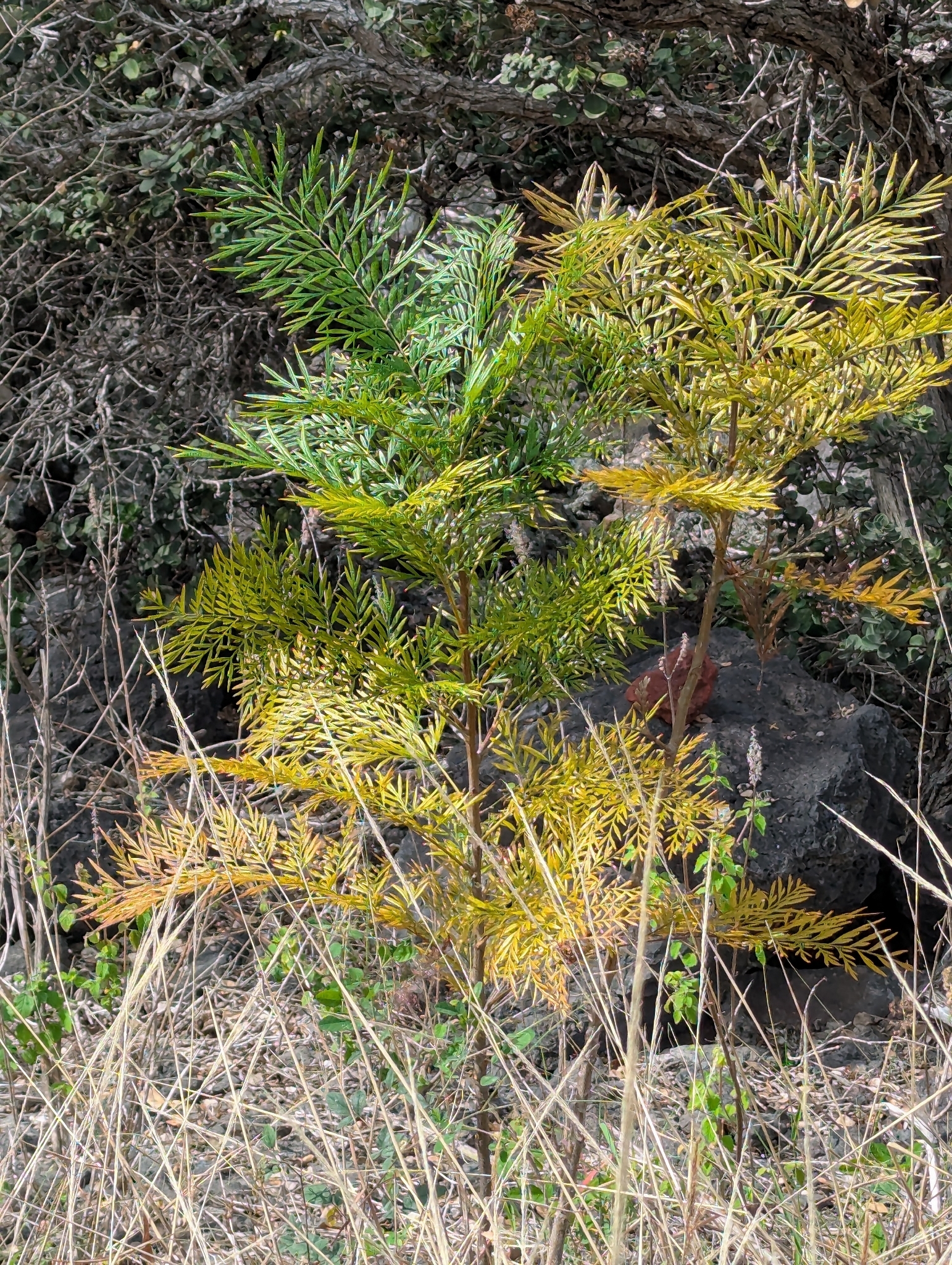
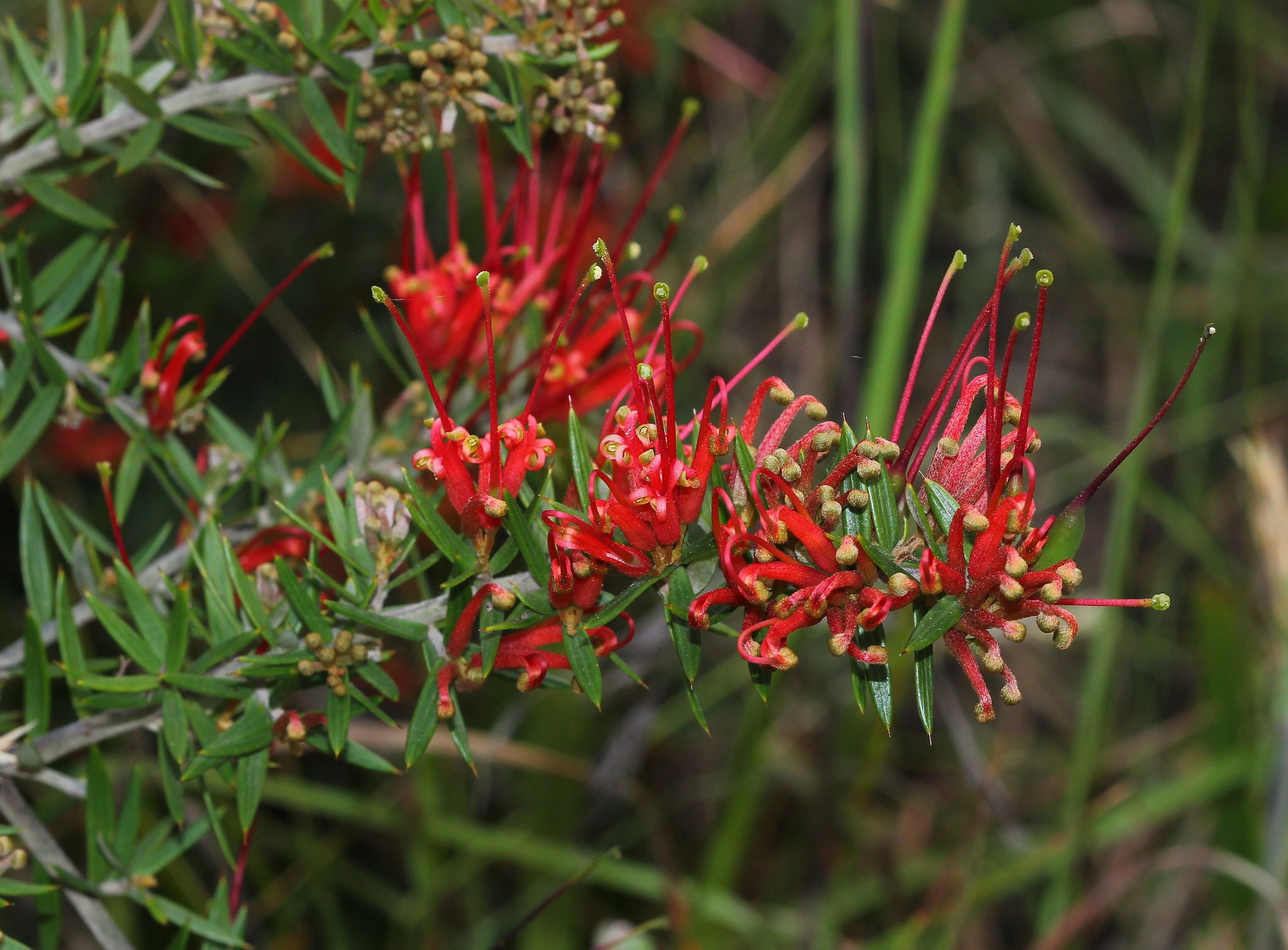
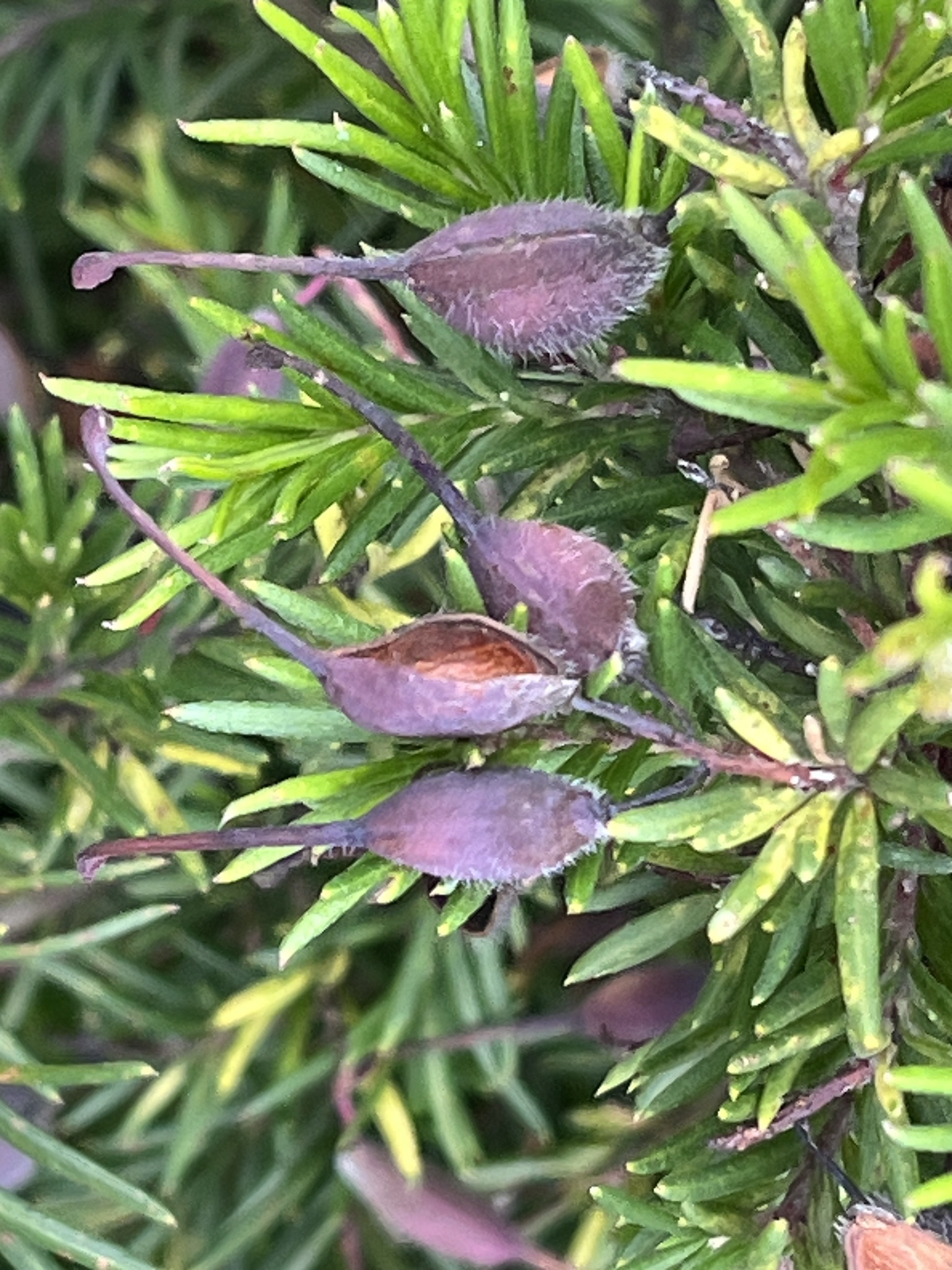
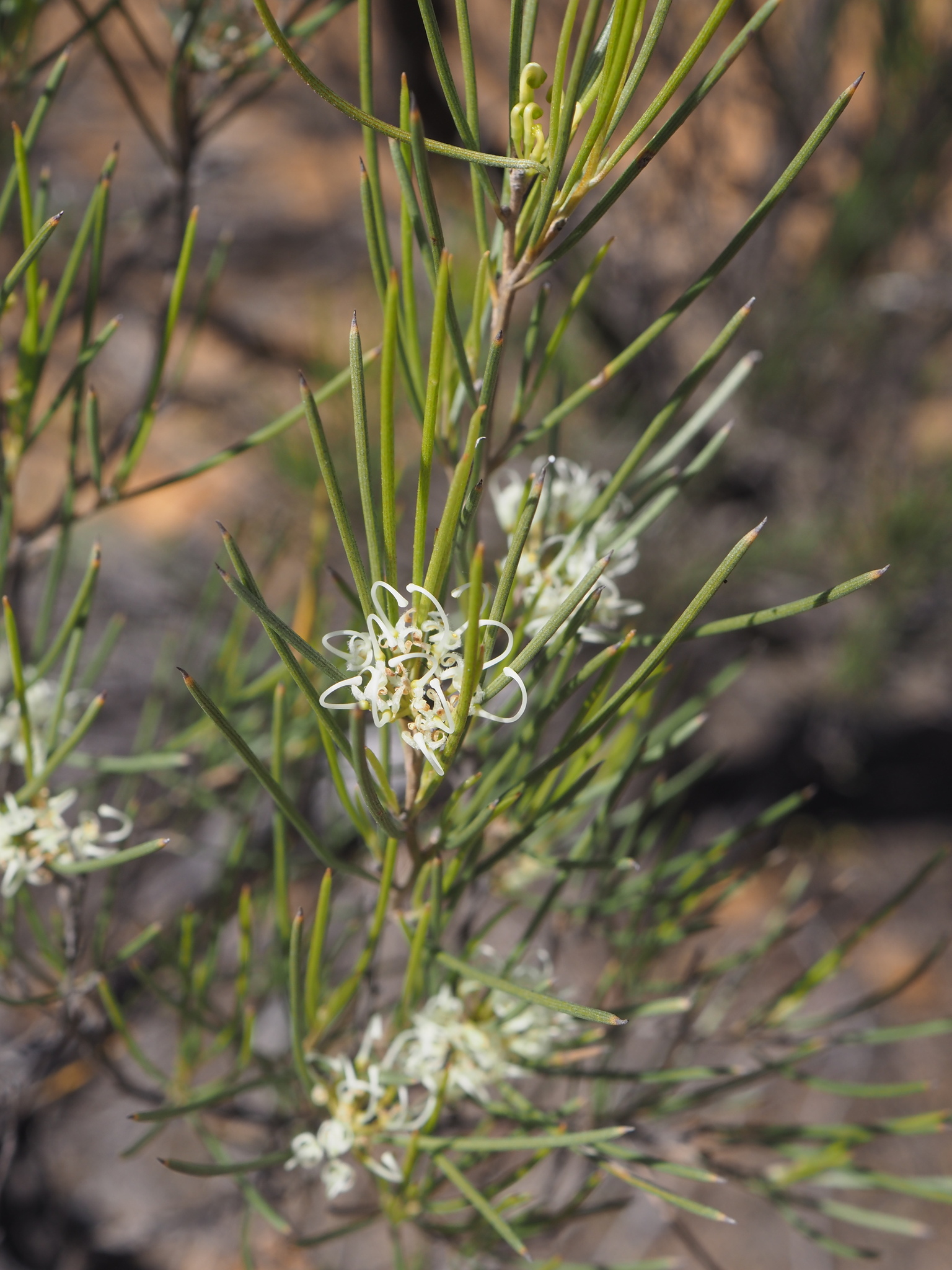
Physically, Grevillea lanigera typically presents as a low-growing, spreading shrub, often reaching a height of 0.5 to 1.5 meters with a spread of 1 to 3 meters. Its growth habit can vary, with some forms being more prostrate and others more upright, depending on the specific subspecies or cultivar and environmental conditions. The leaves are a prominent feature, being linear to lanceolate in shape, typically 1 to 3 centimeters long, and often toothed or lobed along the margins. They are usually arranged alternately along the stems and are covered in fine, woolly hairs, which gives the plant its specific epithet "lanigera," meaning woolly. The flowers are borne in dense clusters, usually at the ends of branches, and are a striking feature of the plant. They are typically red, pink, or cream-colored, with a distinctive spider-like appearance characteristic of the Grevillea genus. Each flower consists of four tepals that are fused at the base and recurve to reveal prominent stamens and a style. Flowering usually occurs from winter through spring, providing a valuable nectar source for native fauna. The fruit is a small, woody follicle, typically containing one or two seeds, though these are rarely conspicuous. The bark is generally smooth and grey on younger stems, becoming rougher with age.
The native distribution of Grevillea lanigera is primarily concentrated in the coastal and sub-coastal regions of New South Wales and Victoria, Australia. It thrives in a variety of natural habitats, including heathlands, woodlands, and sandy coastal areas, often growing in well-drained soils. In cultivation, Grevillea lanigera is adaptable and performs best in well-drained soils, preferring a sunny to partly shaded position. It is known for its drought tolerance once established and its ability to withstand a range of temperatures, making it suitable for many temperate climates. It is relatively low-maintenance, requiring minimal pruning to maintain its shape and encourage flowering.
Grevillea lanigera holds ecological importance as a food source for nectar-feeding birds and insects within its native range. Its dense foliage also provides habitat and shelter for small animals. Ornamentally, it is highly valued for its year-round appeal, with its attractive foliage and profuse flowering. It is frequently used in landscaping for groundcover, rockeries, and as a feature shrub. Scientifically supported information regarding medicinal, culinary, or significant economic uses for Grevillea lanigera is not widely established or documented.
An interesting characteristic of Grevillea lanigera is its adaptation to nutrient-poor soils, a common trait among many Australian native plants. The woolly hairs on its leaves may serve to reduce water loss through transpiration and protect against intense sunlight. The intricate structure of its flowers is specifically adapted for pollination by birds, which are attracted to the nectar produced within the floral tubes.
Water moderately, allowing soil to dry between waterings.
Soil
Well-drained soil is crucial. Prefers sandy or loamy soils, tolerates poor drainage poorly.
Temperature
Thrives in mild to warm temperatures.
Habitat
Outdoor
Fertilizer
Use a low-phosphorus fertilizer formulated for native plants.
Care Requirements
Light
Prefers full sun to partial shade.
At least 6 hours of direct sunlight is ideal for flowering.
Water
Water moderately, allowing soil to dry between waterings.
Reduce watering in winter.
Soil
Well-drained soil is crucial. Prefers sandy or loamy soils, tolerates poor drainage poorly.
Temperature
Thrives in mild to warm temperatures.
Tolerates light frost once established.
Habitat
Outdoor
Fertilizer
Use a low-phosphorus fertilizer formulated for native plants.
Fertilize sparingly in spring.
Plant Overview
Plant Type
Shrub
Plant Category
Flowering, Ornamental
Plant Place Type
Groundcover, Garden, Pot
Plant Environment
Outdoor
Lifespan
Perennials
Plant Height
0.3-1 m
Spread
1-3 m
Growth Rate
Moderate
Dormancy
None
Leaf Color
Green
Leaf Type
Linear to lanceolate
Flower Size
1-2 cm
Image Gallery
Flowering & Fruiting Cycles
Monthly activity intensity for bloom and fruit across both hemispheres.
Northern hemisphere
Flowering & fruiting calendar
Peak bloom · JulPeak fruit · Jul
FloweringFruiting
Southern hemisphere
Flowering & fruiting calendar
Peak bloom · JunPeak fruit · Jun
FloweringFruiting
Synonyms
Grevillea ericifolia R.Br.
Grevillea scabrella Meisn.
Hakea ericifolia (R.Br.) Christenh. & Byng
Taxonomy
kingdomPlantae
divisionTracheophyta
classMagnoliopsida
orderProteales
familyProteaceae
genusGrevillea
speciesGrevillea lanigera
Toxicity
Toxic for humans
No
Rating: 0/5
Toxic for pets
No
Rating: 0/5
Edible
No
Additional Care Tips
Water moderately during establishment and dry periods. Allow soil to dry out between waterings. Drought tolerant once established.
Prune lightly after flowering to maintain shape and encourage bushier growth. Remove any dead or damaged branches at any time of year.
Easily propagated from semi-hardwood cuttings taken in summer or autumn. Can also be grown from seed, but germination can be slow and erratic.
Repot container-grown plants every 2-3 years in spring, using a well-draining potting mix. Avoid disturbing the root ball excessively.
FAQs
How often should I water Grevillea lanigera?
Water moderately during the growing season, allowing the soil to dry slightly between waterings. Reduce watering significantly in winter. Drought tolerant once established.
What kind of soil does Grevillea lanigera prefer?
It requires well-drained soil. Sandy or loamy soils are ideal. Avoid heavy clay soils or areas with poor drainage, as this can lead to root rot.
When is the best time to prune Grevillea lanigera?
Prune lightly after flowering to maintain its shape and encourage a bushier habit. Remove any dead or damaged branches at any time of year.
Can Grevillea lanigera be grown in a pot?
Yes, it can be grown in pots, provided they have excellent drainage. Use a well-draining potting mix and repot every 2-3 years.
Does Grevillea lanigera attract wildlife?
Yes, its nectar-rich flowers are attractive to native birds, bees, and other beneficial insects, making it a great addition to wildlife gardens.