
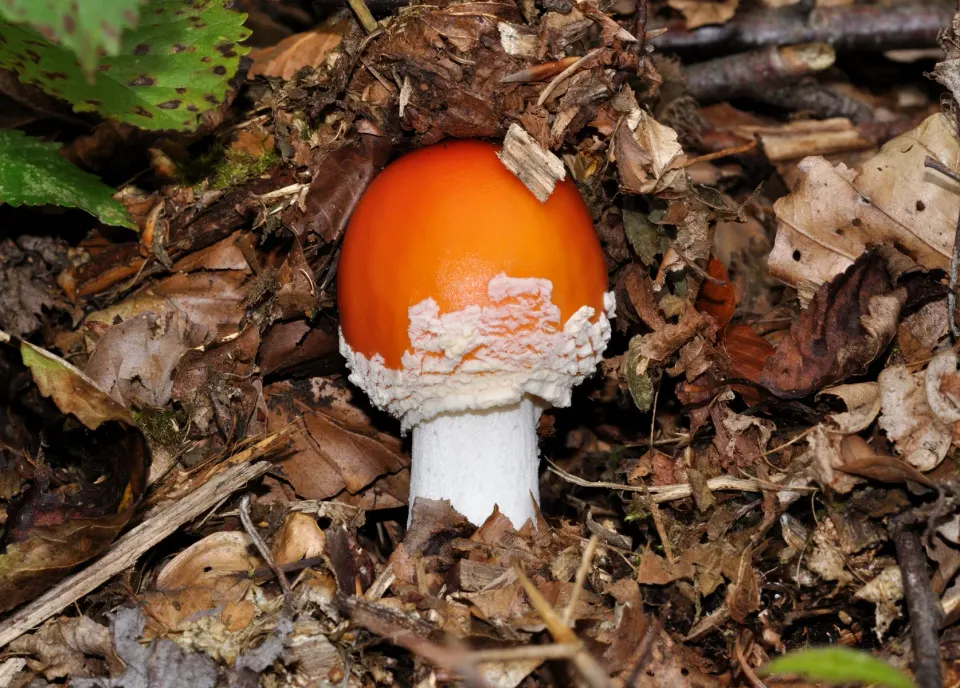
Take a Clear Photo
Photograph the cap, underside, stem and base in natural light. A second angle can reveal details hidden in the first picture.
Upload a clear mushroom picture to explore possible species, scientific names, key identification features, habitat, growing season and similar-looking fungi.
Use a sharp image showing the cap, underside, stem and base when possible.
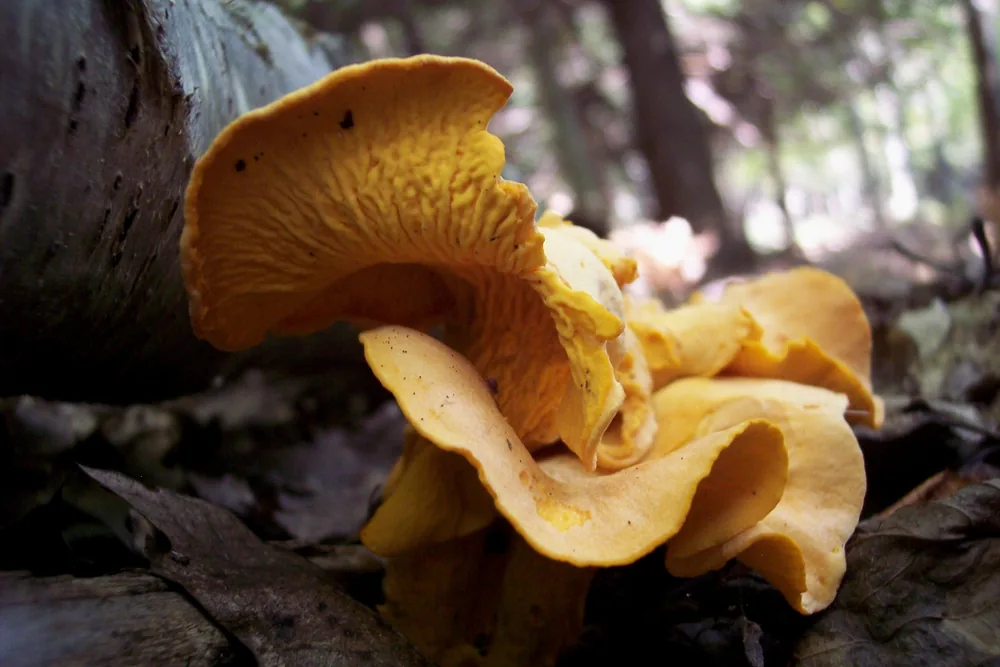
Cantharellus cibarius
Explore sample mushrooms
Simple photo identification
Use a clear photo, include the most useful visible structures and compare the suggested results with the mushroom you found.
Photograph the cap, underside, stem and base in natural light. A second angle can reveal details hidden in the first picture.
Select a mushroom image from your device or take a new picture. The tool analyses visible characteristics in the photo.
Review names, visible features, habitat and look-alikes. Treat every result as a suggestion rather than confirmed identification.
Better identification photos
A mushroom picture is more useful when it shows the structures used to compare species-not only the colour of the cap.
What mushroom is this?
Colour can change with age, moisture and lighting. A stronger mushroom ID uses several visible and environmental clues together.
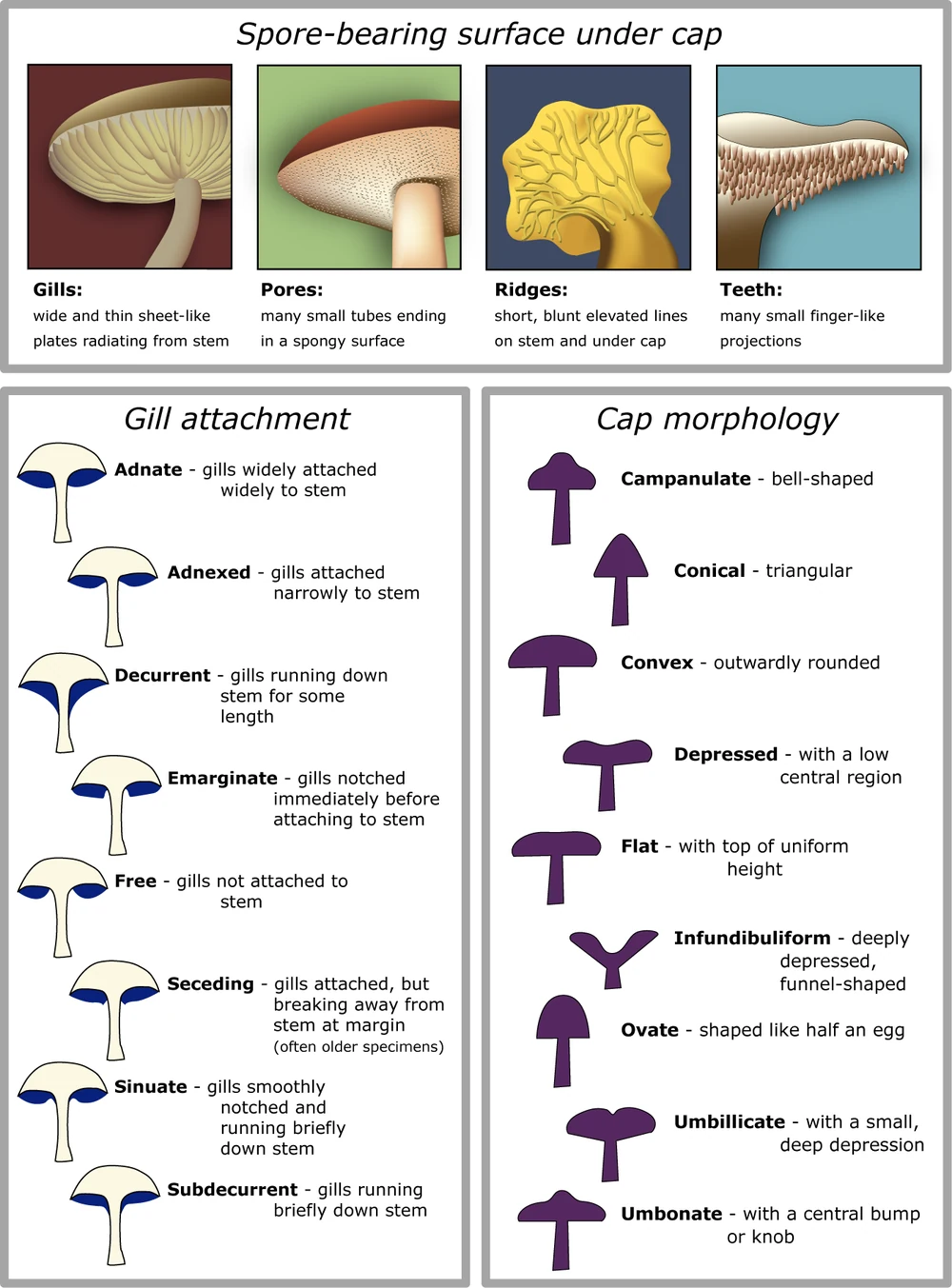
Convex, flat, bell-shaped or funnel-like.
Gills, pores, ridges, teeth or a smooth surface.
Thickness, texture, ring, bulb or cup-like structure.
Surface colour and visible changes after damage.
Grass, soil, dead wood, living trees or leaf litter.
When and where the mushroom was photographed.
Visual mushroom guide
Start with the broad form and underside structure, then use the photo identifier to explore possible species within that group.
Compare true gills with blunt, forked or decurrent ridges.
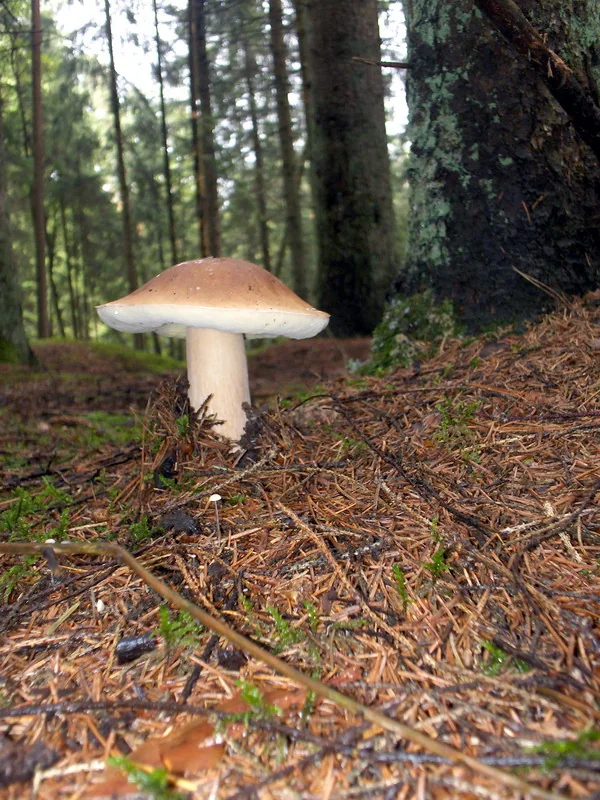
Often recognised by a sponge-like pore surface beneath the cap.
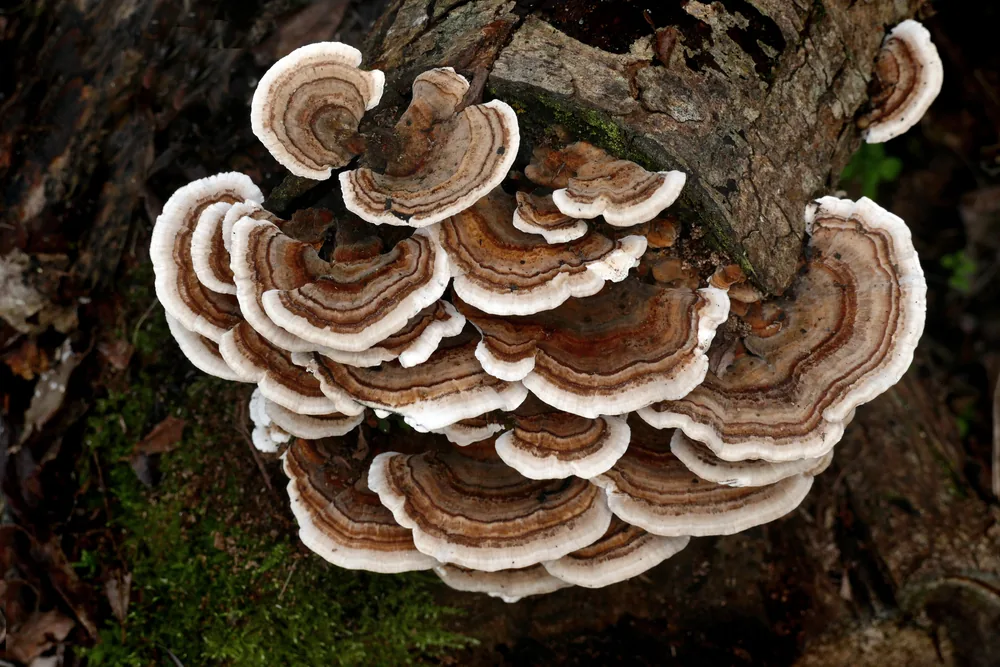
Shelf-like fruiting bodies commonly found on trunks and dead wood.
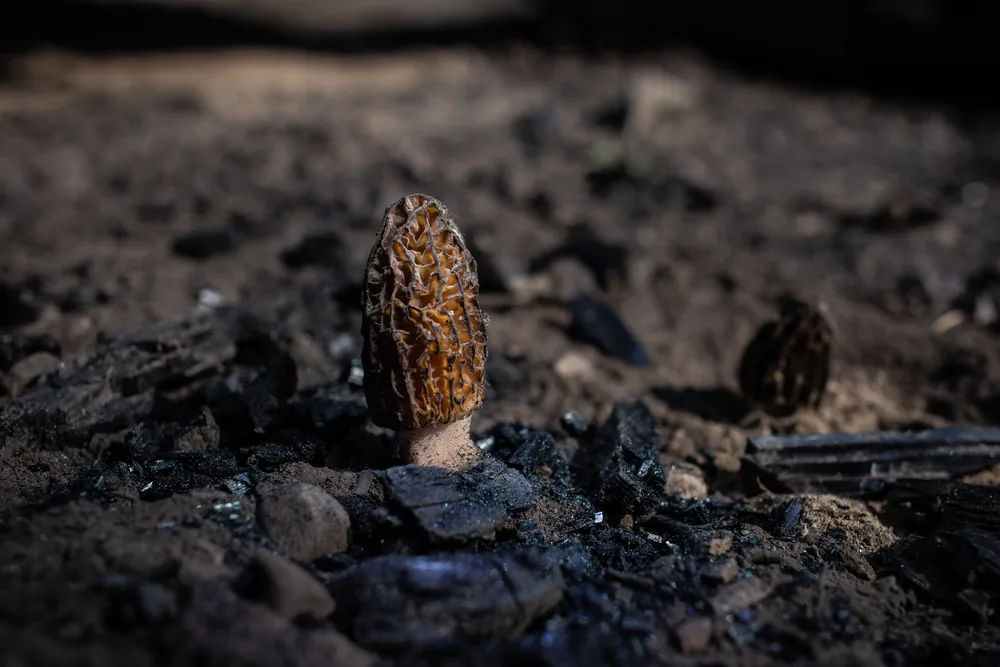
Distinctive pitted caps, yet still important to compare with false morels.
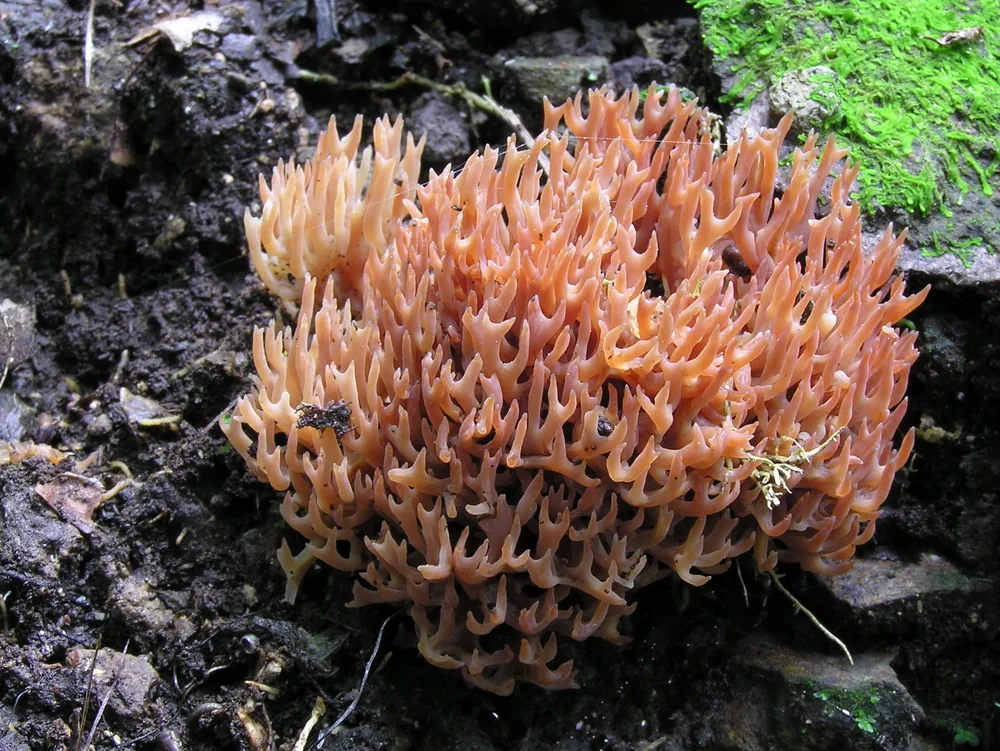
Branched, club-like forms that may resemble underwater coral.
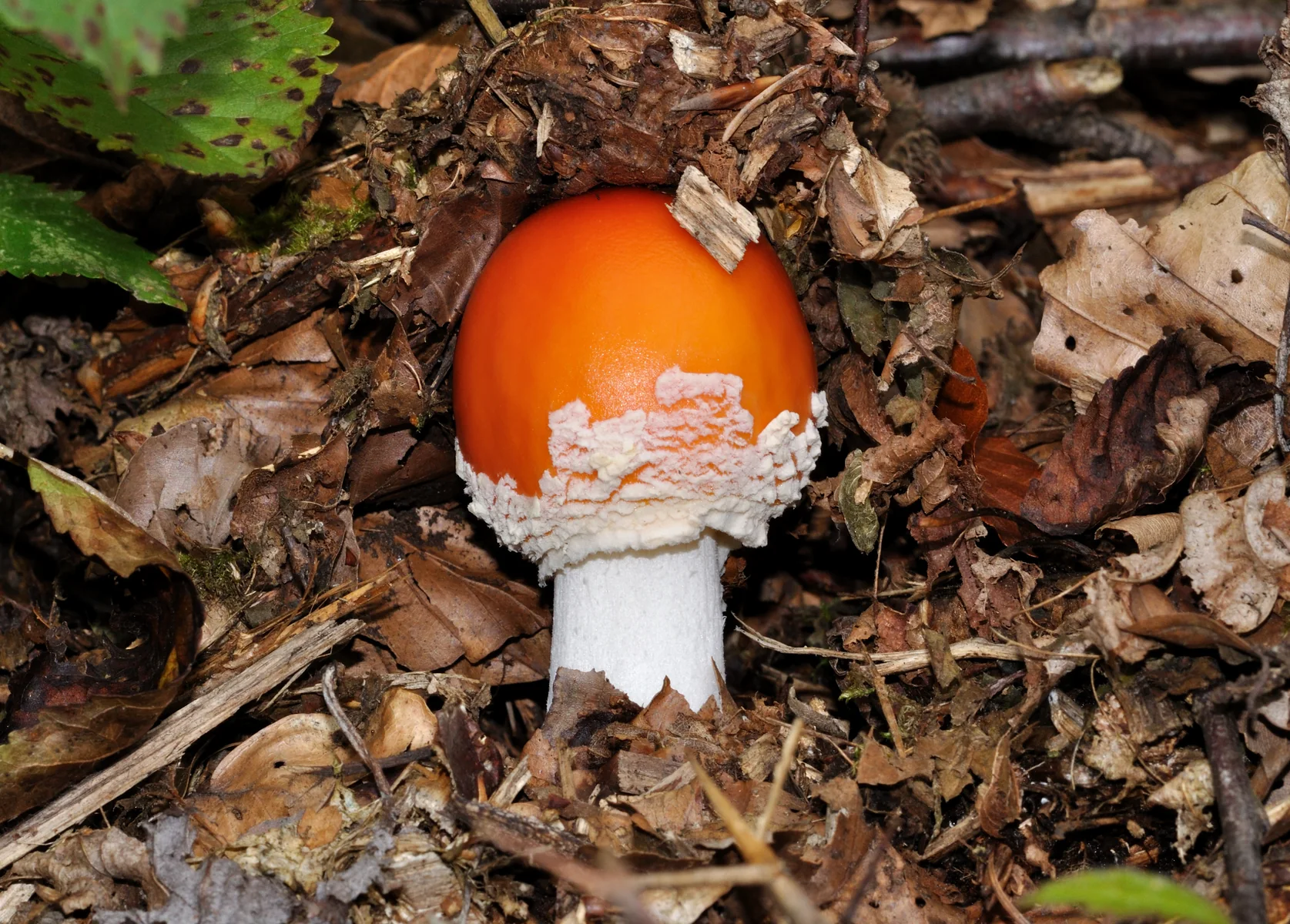
Cap remnants, rings and stem-base structures can be important clues.
Identification by habitat
Habitat does not confirm a species, but it can help narrow the range of possible mushroom and fungus matches.
Include the grass condition, growth pattern and whether mushrooms form clusters, lines or rings.
Explore lawn mushroom identificationPhotograph nearby tree species, moss, needles and leaf litter to provide useful habitat context.
Identify a woodland mushroomShow both a close-up and a wider image of the trunk, stump, branch or decaying wood.
Explore tree fungus identificationOpen grassland, grazing history and nearby vegetation may help distinguish likely groups.
View the field mushroom guideMulch, compost, raised beds and recently disturbed soil can support different fungal communities.
Scan a garden mushroomLook for layered shelves, pores, colour bands, texture and whether the fungus is annual or persistent.
Identify wood-growing fungiPossible result details
The result should give users useful comparison information rather than only displaying one name.
Common names, scientific names and more than one visual suggestion when features overlap.
Cap, underside, stem, ring, base, texture, growth pattern and other visible clues.
Common substrates and environments where the possible species is usually reported.
General seasonal information that can be compared with the date of your observation.
Similar mushrooms and visible differences worth checking before accepting a suggested match.
Clear uncertainty labels and reminders that online identification cannot confirm edibility.
Mushroom look-alikes
Two mushrooms can share a cap colour or general shape while differing in the underside, stem base, habitat or internal structure.
No photo-based tool can examine every feature required for a confirmed mushroom identification. Some poisonous mushrooms closely resemble edible species.
Trust & safety
This page explains how to photograph mushrooms for comparison, what ePlant AI can and cannot do, and where to find authoritative safety resources. It is educational software documentation - not a medical or foraging diagnosis.
Ready to identify your photo?
Upload a clear picture and compare possible names, visible features, habitat and look-alikes with ePlant AI.
Upload a Mushroom PhotoMushroom identification questions
Clear answers about photo quality, fungi identification, possible matches and safety limitations.
Upload a clear image that shows the entire mushroom. Include the cap, underside, stem and base whenever possible. The tool can compare visible characteristics and suggest possible mushroom or fungus matches with supporting information.
The browser-based tool is designed to be available online without requiring an immediate app download. Any scan limits or optional premium features should be stated clearly beside the upload area.
Photograph the top of the cap, the gills, pores, ridges or teeth underneath, the full stem, any ring, the stem base and the surrounding habitat. A second image from another angle often improves the comparison.
No. A visual result must never be treated as confirmation that a wild mushroom is edible. Toxic species can resemble edible species, and important characteristics may not be visible in a photograph.
It can suggest possible matches for visible shelf fungi, bracket fungi and other fruiting bodies. Include a close-up plus a wider photograph showing the tree, branch, stump or decaying wood.
Many mushroom species share similar colours, forms and growth patterns. Displaying alternatives helps users compare visible features, season and habitat instead of treating one result as a guaranteed answer.
Yes, a clear photo can help suggest possible lawn mushroom groups. Also show the grass, soil, growth pattern and nearby trees. A dedicated lawn mushroom guide can provide additional context.
Fungus refers to the entire organism, much of which may exist as a network called mycelium. A mushroom is a visible fruiting body produced by some fungi. Not every fungus produces a typical cap-and-stem mushroom.
Related tools