
Photograph the problem
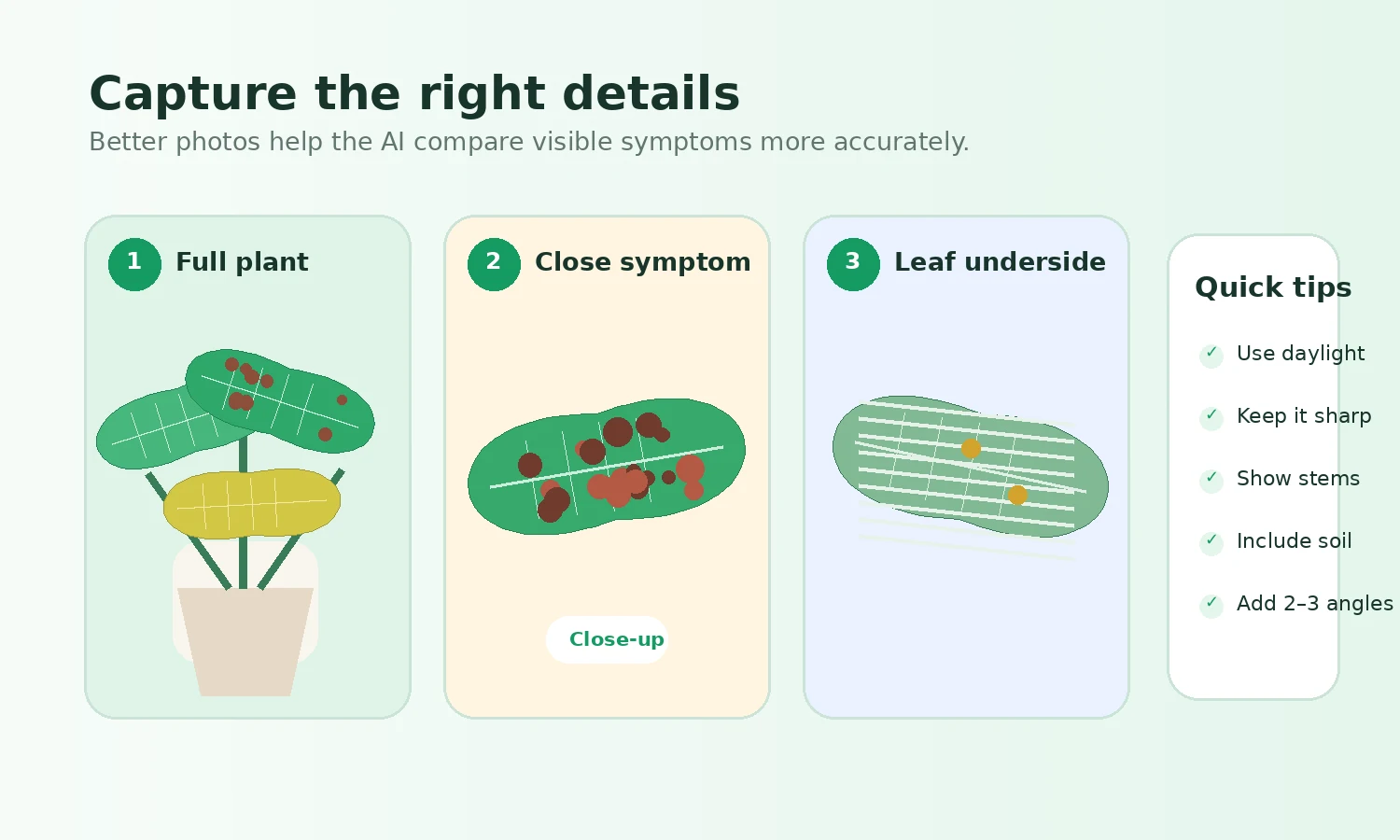
Take a clear image of the full plant and a close-up of affected leaves, stems, flowers, fruit or soil.
Upload or capture a photo of your sick plant to identify possible diseases, pests, nutrient deficiencies and care problems. Get likely causes, treatment steps and prevention guidance in seconds.
Add clear shots of the whole plant, close-up symptoms, and underside or soil for the best match.
0 of 3 photos selected
Exactly 3 photos required · JPG, PNG or WebP · Maximum 10 MB each0 of 3 photos selected
Exactly 3 photos · JPG, PNG or WebP · Max 10 MB each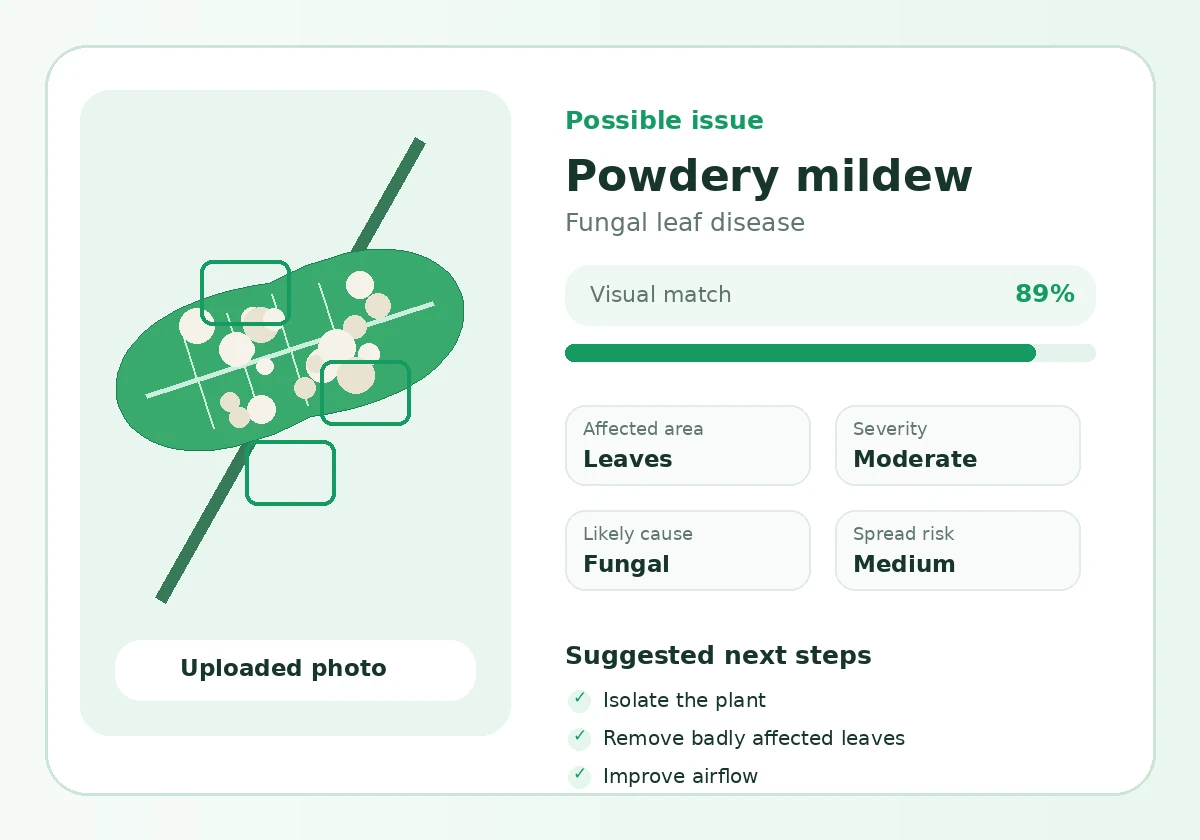
Clear, practical results
ePlant AI reviews visible symptoms and presents a possible issue, related causes and practical next steps. Because several plant problems can look alike, the result may include alternative matches rather than forcing one uncertain answer.
A plant disease identifier examines visible signs such as leaf spots, yellowing, white growth, wilting, holes and distorted leaves. ePlant AI compares these details with possible diseases, pest damage, nutrient deficiencies, watering problems and environmental stress.
Simple photo diagnosis
Capture the visible problem, upload it securely and compare the possible causes with treatment and prevention guidance.
Take a clear image of the full plant and a close-up of affected leaves, stems, flowers, fruit or soil.
The tool reviews visible symptoms and compares diseases, pests, deficiencies and plant care problems.
Explore likely causes, immediate actions, treatment guidance and ways to prevent the problem returning.
Better photo, better comparison
A single distant photo may hide the details needed to distinguish disease from care stress. When possible, submit several useful angles.
More than plant diseases
The online plant diagnosis can consider infectious disease, pest damage, nutrient imbalance and environmental care problems.
Powdery mildew, rust, leaf spot, root rot and other fungus-related symptoms.
Possible blights, cankers, soft rots and bacterial leaf spots.
Mosaic colouring, distorted leaves, unusual patterns and stunted growth.
Aphids, mites, scale, whiteflies and visible chewing or sucking damage.
Possible nitrogen, iron, magnesium, potassium and related imbalances.
Overwatering, underwatering, drainage stress and inconsistent moisture.
Sunburn, low light, heat stress, cold injury and sudden exposure changes.
Compaction, root damage, poor aeration, soil mould and pot drainage problems.
Visual symptom guide
These common symptoms can have several causes. Upload a photo to compare the visible pattern with possible plant health problems.
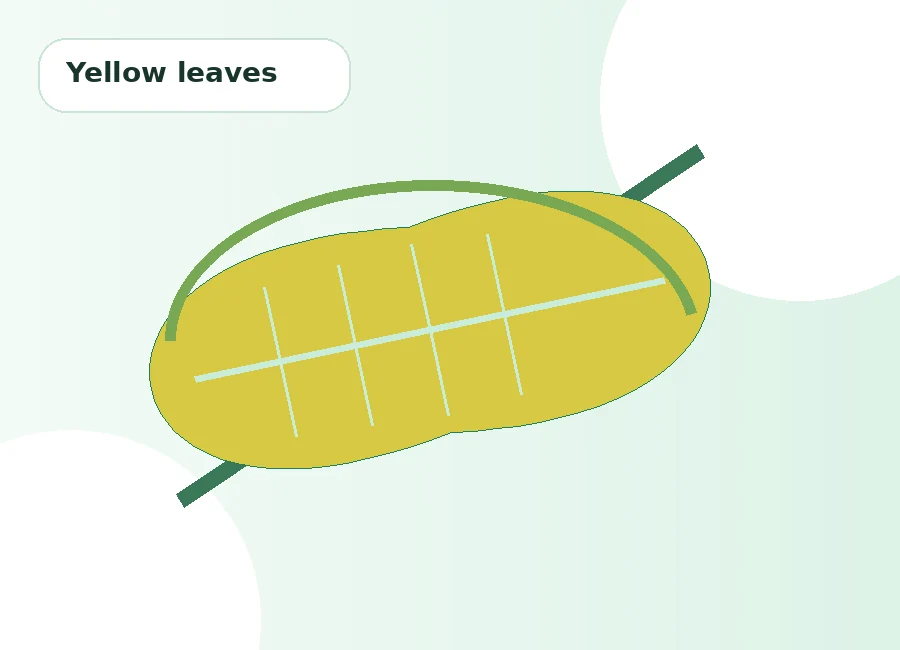
May relate to watering, poor drainage, roots, nutrients, light or natural ageing.
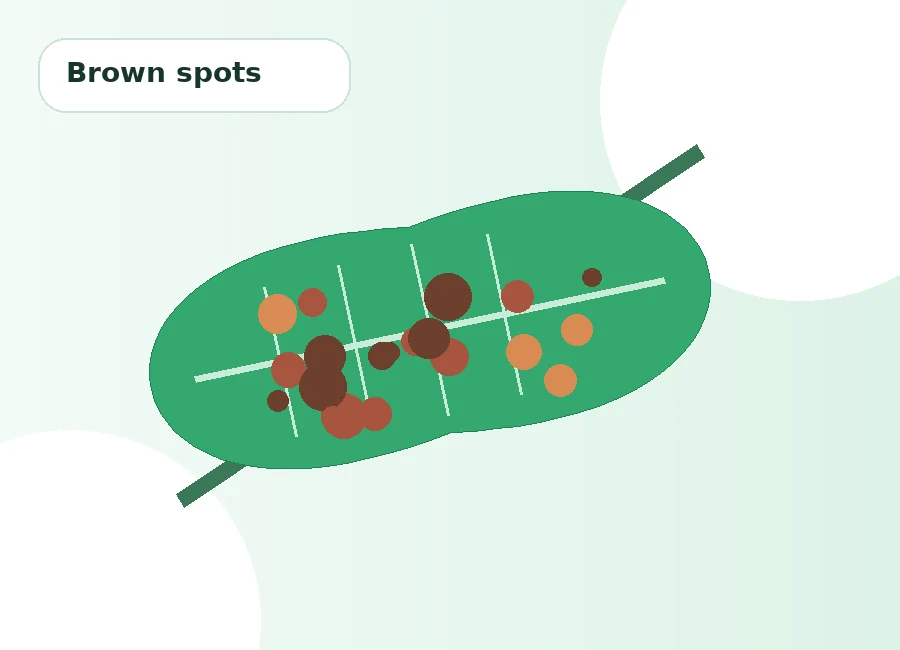
Can be associated with infection, sun damage, pest injury or water stress.
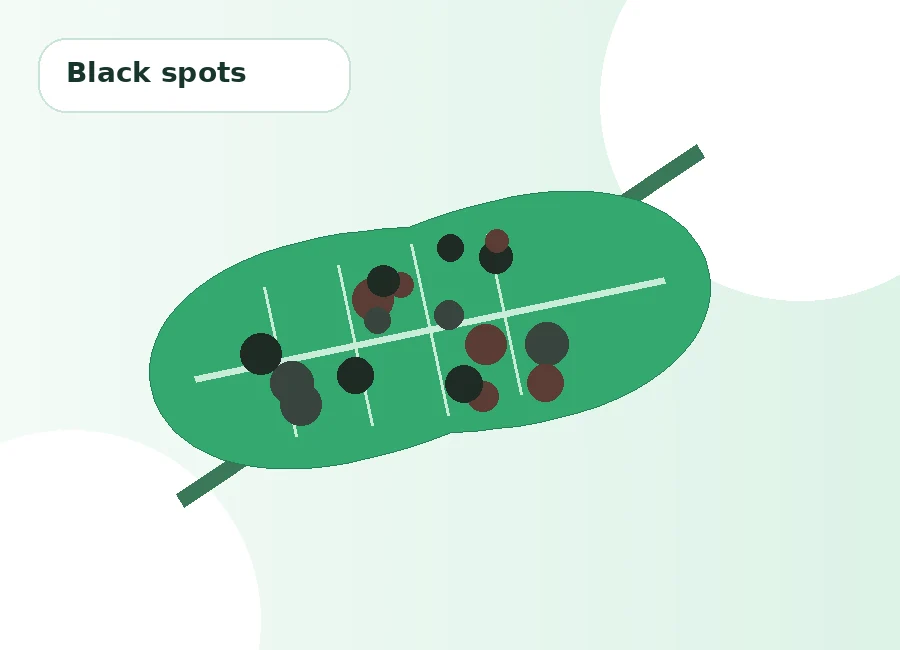
Dark lesions may indicate damaged tissue, fungal disease or bacterial problems.
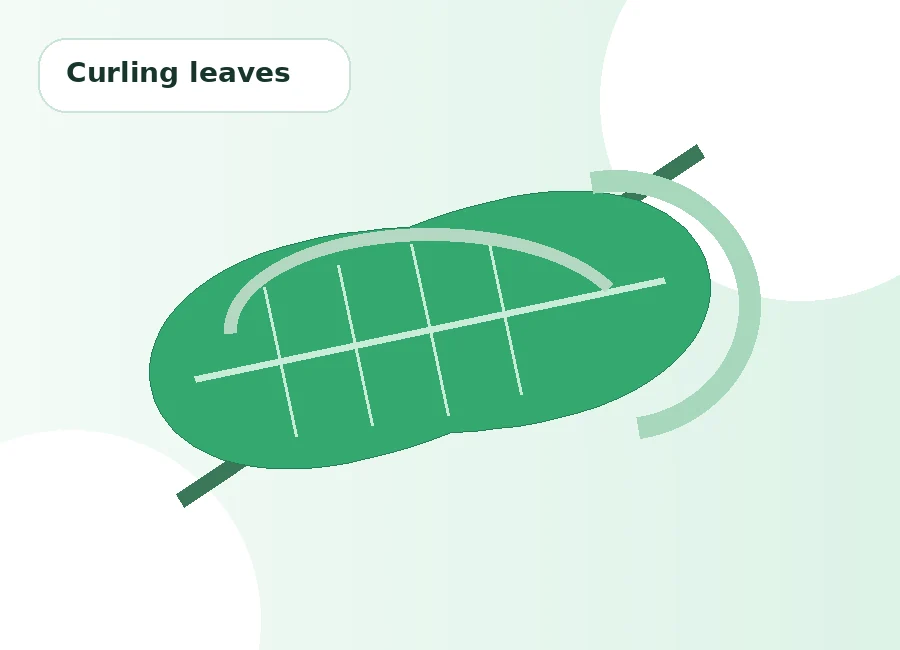
Often connected with pests, watering problems, heat, humidity or disease.
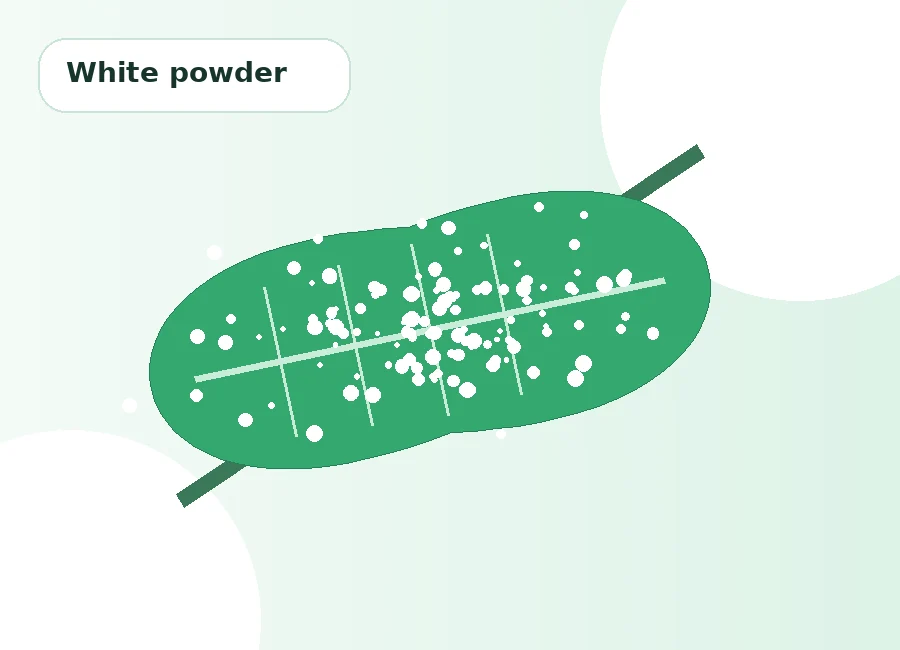
A powdery surface can resemble fungal growth, residue or pest-related material.
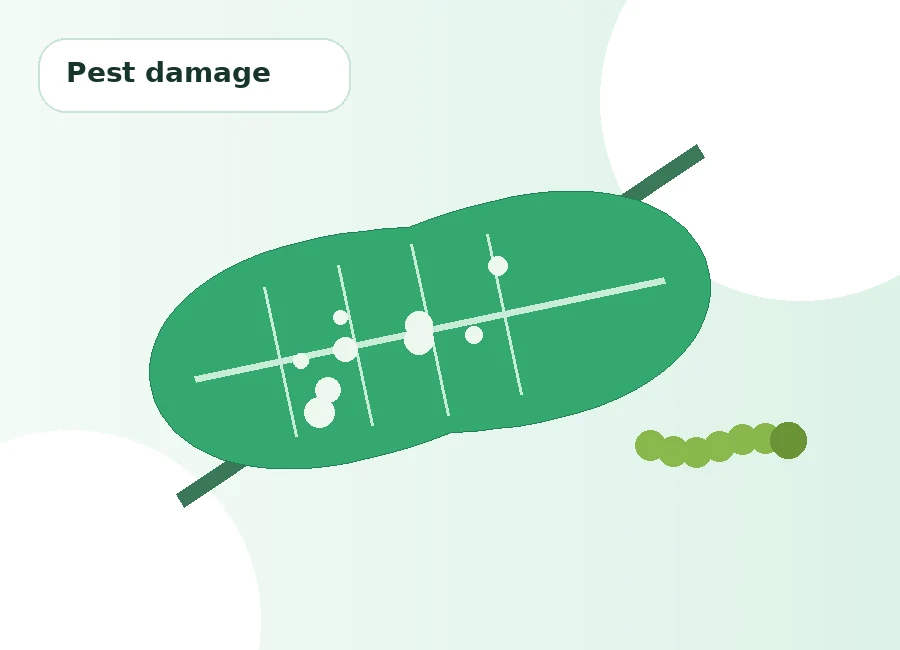
Missing tissue, trails and clusters may point to insects, mites, slugs or snails.
Actionable care guidance
A useful plant diagnosis should explain what to do next—not only name a possible problem. Treatment guidance should be adapted to the issue, plant type and severity.
Transparent and responsible
Photo-based diagnosis can quickly compare visible symptoms, but several problems may look almost identical. A responsible result communicates uncertainty and considers alternative causes.
Explore common problems
Build a complete plant-health picture by comparing symptoms, causes, treatment and prevention information.
Indoor plant doctor
Use the online plant doctor for common indoor plants as well as garden plants, flowers, vegetables, trees and crops. Capture both the overall plant and the affected tissue to provide better context.
Connected ePlant AI tools
Identify the plant first, diagnose health problems, recognise insects and explore detailed plant information.
Identify plants, flowers and trees from a photo.
Identify a plant →Identify insects, garden visitors and plant pests.
Identify an insect →Explore plant profiles, care guides and health topics.
Explore plants →Continue plant care and diagnosis on the go.
Get the app →Plant diagnosis questions
Quick answers about diagnosing plant diseases and care problems from photos.
Upload a clear photo of the affected plant, especially the leaves, stems, flowers, fruit or soil showing visible symptoms. ePlant AI compares the image with possible plant diseases, pest damage, nutrient deficiencies and environmental stress. The result should be treated as a likely match rather than a laboratory-confirmed diagnosis.
The online plant diagnosis tool on this page is designed to be free to try without creating an account. Additional plant care and identification features may also be available through the ePlant AI mobile application.
AI can analyse visible symptoms such as spots, yellowing, wilting, curling, holes, mould-like growth and damaged tissue. Similar problems can look alike, so the diagnosis also depends on image quality, the plant species, the affected area and environmental context.
Include one photo of the full plant, one close-up of the damaged area and another angle showing the leaf underside, stem or soil. Clear natural light and sharp focus help the system compare visible details more effectively.
Yes. The diagnosis can consider common pest damage, nutrient deficiencies, watering stress, light problems and infectious plant diseases. The result may show several possible causes when the visible symptoms overlap.
Yellow leaves can be associated with overwatering, underwatering, poor drainage, root stress, low light, nutrient deficiencies or natural ageing. Uploading the entire plant and the affected leaves gives the diagnosis more useful context.
The tool can compare visible brown or black spots with possible fungal, bacterial, pest-related and environmental causes. Photograph the spots closely and include the surrounding healthy tissue so their shape, edges and distribution remain visible.
Root rot may be suggested when the photo and symptoms support it, but roots and drainage conditions are often hidden. Include images of the roots, lower stem and soil when safe to do so, along with information about watering and pot drainage.
Yes. You can use it for common indoor plants such as monstera, pothos, peace lily, snake plant, philodendron, orchids and succulents, as well as many outdoor garden plants.
Many plant problems share the same visible symptoms. Yellow leaves, for example, may result from watering, roots, nutrients, light or disease. Showing alternatives is more responsible than presenting one uncertain photo match as a confirmed diagnosis.
Use bright natural light, avoid filters, keep the image sharp and submit several useful angles. Photograph the full plant, the damaged area, the leaf underside, the stem and the soil when relevant. Accurate plant identification and environmental details can also improve the result.
Upload a clear photo to identify possible diseases, pests, deficiencies and care problems.