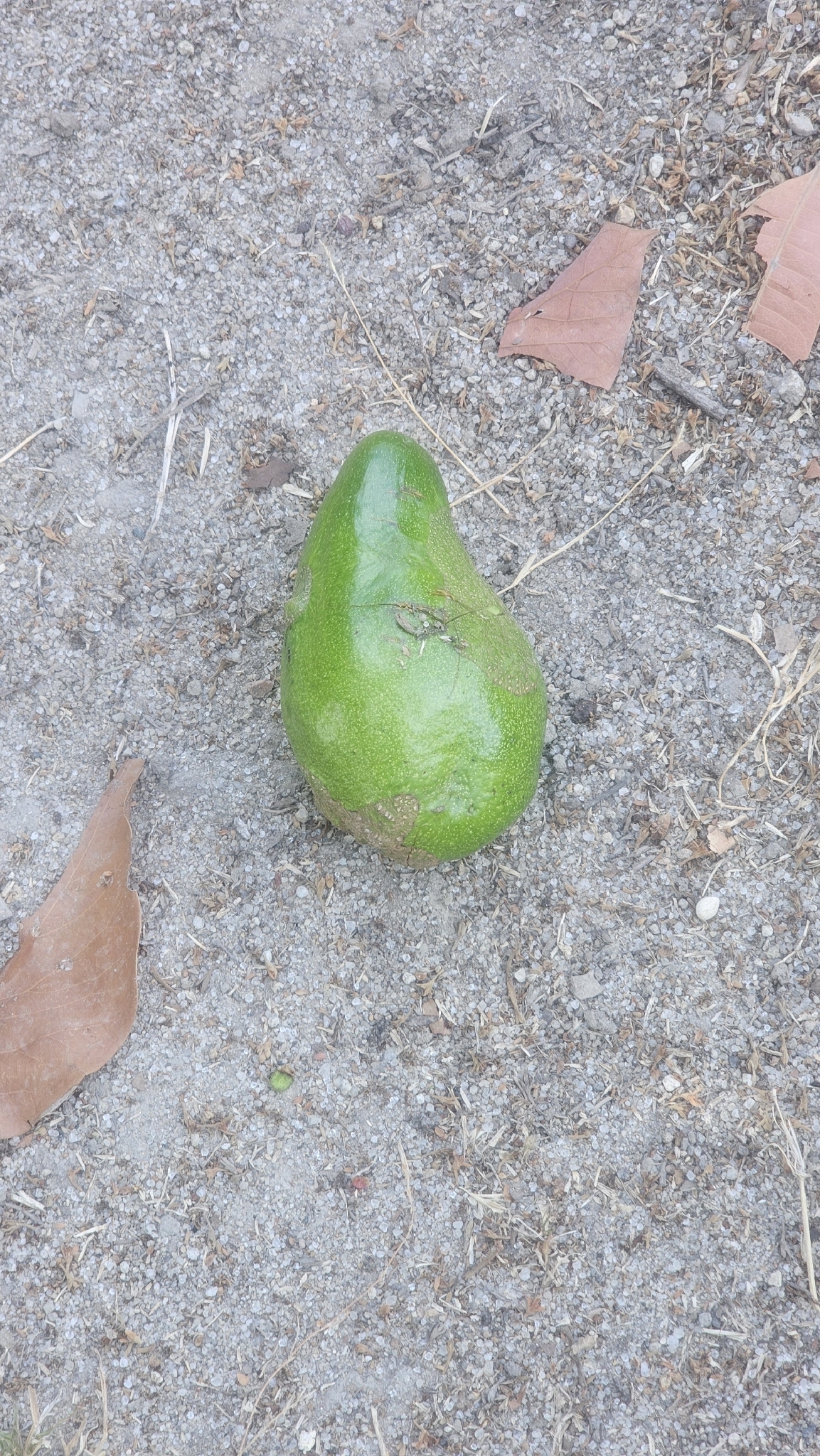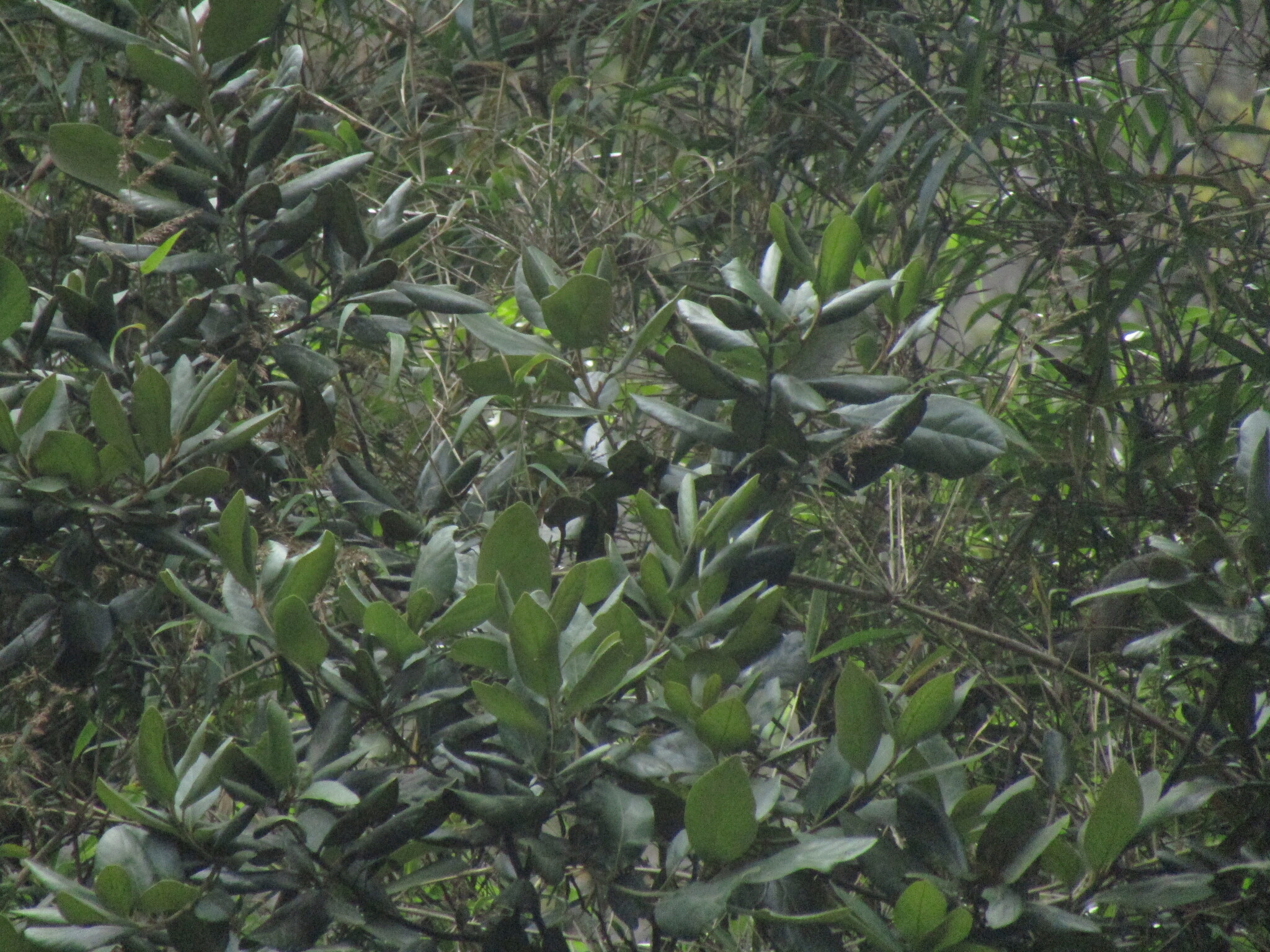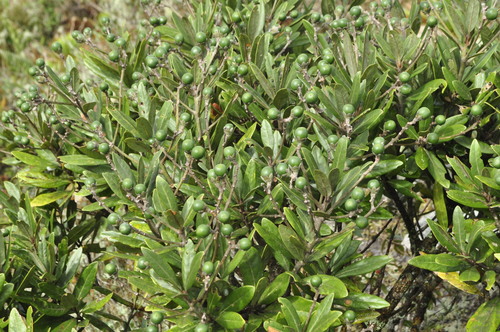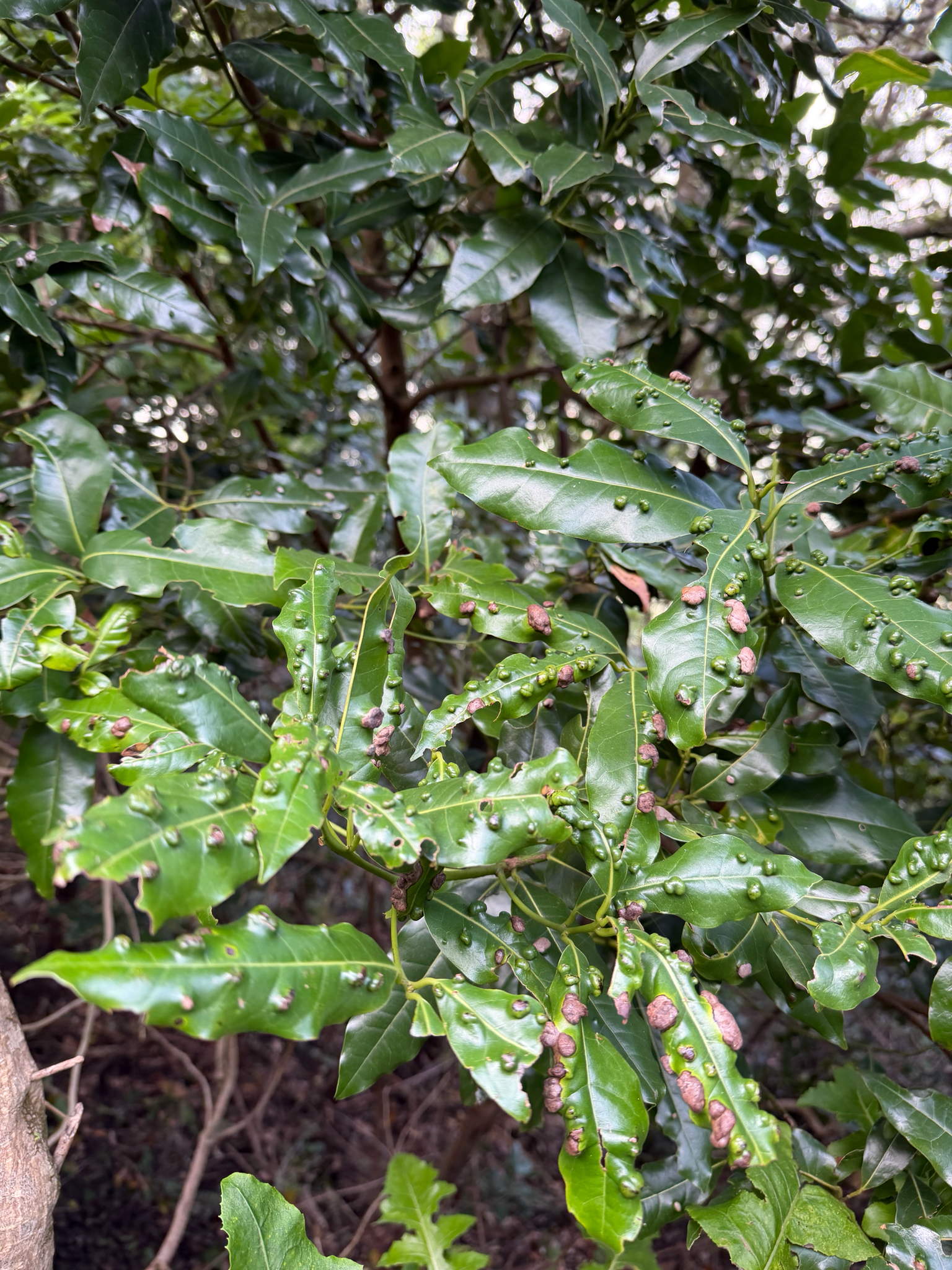
Persea caerulea is a large evergreen tree native to the Americas, known for its dense foliage and occasional small, edible fruits.
Above information is sourced from Wikipedia
Sunlight
Prefers full sun to partial shade.
Watering
Keep soil consistently moist but not waterlogged.
Soil
Adaptable to various soil types, but prefers well-drained, fertile loam.
Temperature
Thrives in temperatures between 18-25 °C.
Habitat
Outdoor
Fertilizer
Feed with a balanced, slow-release fertilizer in spring and mid-summer.
Prefers full sun to partial shade.
Afternoon shade beneficial in hot climates.
Keep soil consistently moist but not waterlogged.
Reduce watering slightly in cooler months.
Adaptable to various soil types, but prefers well-drained, fertile loam.
Thrives in temperatures between 18-25 °C.
Can tolerate brief cooler periods.
Outdoor
Feed with a balanced, slow-release fertilizer in spring and mid-summer.
Avoid over-fertilizing.
Plant Type
Tree
Plant Category
Foliage, Fruit
Plant Place Type
Ground
Plant Environment
Outdoor
Lifespan
Perennials
Plant Height
15-30 m
Spread
10-20 m
Growth Rate
Moderate
Dormancy
None
Leaf Color
Green
Leaf Type
Simple, alternate, ovate to elliptic
Flower Size
0.5-1 cm
Monthly activity intensity for bloom and fruit across both hemispheres.
Flowering & fruiting calendar
Toxic for humans
No
Rating: 0/5
Toxic for pets
No
Rating: 0/5
Edible
Yes