Water
Keep the soil consistently moist, especially during warmer months and active growth. Water thoroughly when the top inch of soil feels dry. Avoid waterlogging, which can lead to root rot.
Reduce watering frequency in the dormant period.
Also known as Aconite-Leaf Buttercup · Aconite-Leaved Ranunculus · Bachelor's Buttons
Safety note: This plant may be toxic to humans and pets. See toxicity details.
Ranunculus aconitifolius, the Aconite-leaved Buttercup, is a clump-forming perennial with deeply divided, palmately lobed leaves and bright white, multi-petaled flowers i
At-a-glance light, water, soil, and growing conditions from plant data
Partial Shade
50% intensity
Prefers dappled shade or morning sun with afternoon shade, especially in hotter climates. Full sun can scorch the leaves.
Consistent Moisture
50% intensity
Maintain evenly moist soil, allowing the top layer to dry slightly between waterings. Ensure good drainage to prevent root rot.
Moist, well-drained
50% intensity
Cool to Moderate
50% intensity
Thrives in cooler temperatures, ideally between 15-20°C. Protect from extreme heat and frost.
Light Feeding
25% intensity
Apply a balanced liquid fertilizer diluted by half in spring. Avoid over-fertilizing, which can reduce flowering.
Safety information from plant toxicity data
| Attribute | Value |
|---|---|
| Toxic for humans | Yes 3/5 intensity |
| Toxic for pets | Yes 3/5 intensity |
| Edible | No |
Contains ranunculin, which can cause gastrointestinal upset and skin irritation.
Key traits and growing stats from plant data
Watering, pruning, propagation, and repotting details from plant data
Keep the soil consistently moist, especially during warmer months and active growth. Water thoroughly when the top inch of soil feels dry. Avoid waterlogging, which can lead to root rot.
Reduce watering frequency in the dormant period.
Deadhead spent flowers to encourage further blooming and prevent seed formation. After flowering, trim back the foliage to tidy the plant and allow for better air circulation.
Cut back to the ground in late fall after foliage dies back naturally.
Divide established clumps in early spring or fall. Carefully separate the root ball into sections, ensuring each piece has healthy roots and at least one bud. Replant immediately into well-draining soil and water gently.
Repot container-grown plants every 2-3 years in early spring or fall. Choose a pot slightly larger than the current one with fresh, well-draining potting mix.
Ensure the crown of the plant is at or slightly above soil level.
Identify plants like this with ePlant AI
Snap a photo to get care tips and match similar species on the go.
Monthly activity intensity for bloom and fruit across both hemispheres.
Flowering & fruiting calendar
Flowering & fruiting calendar
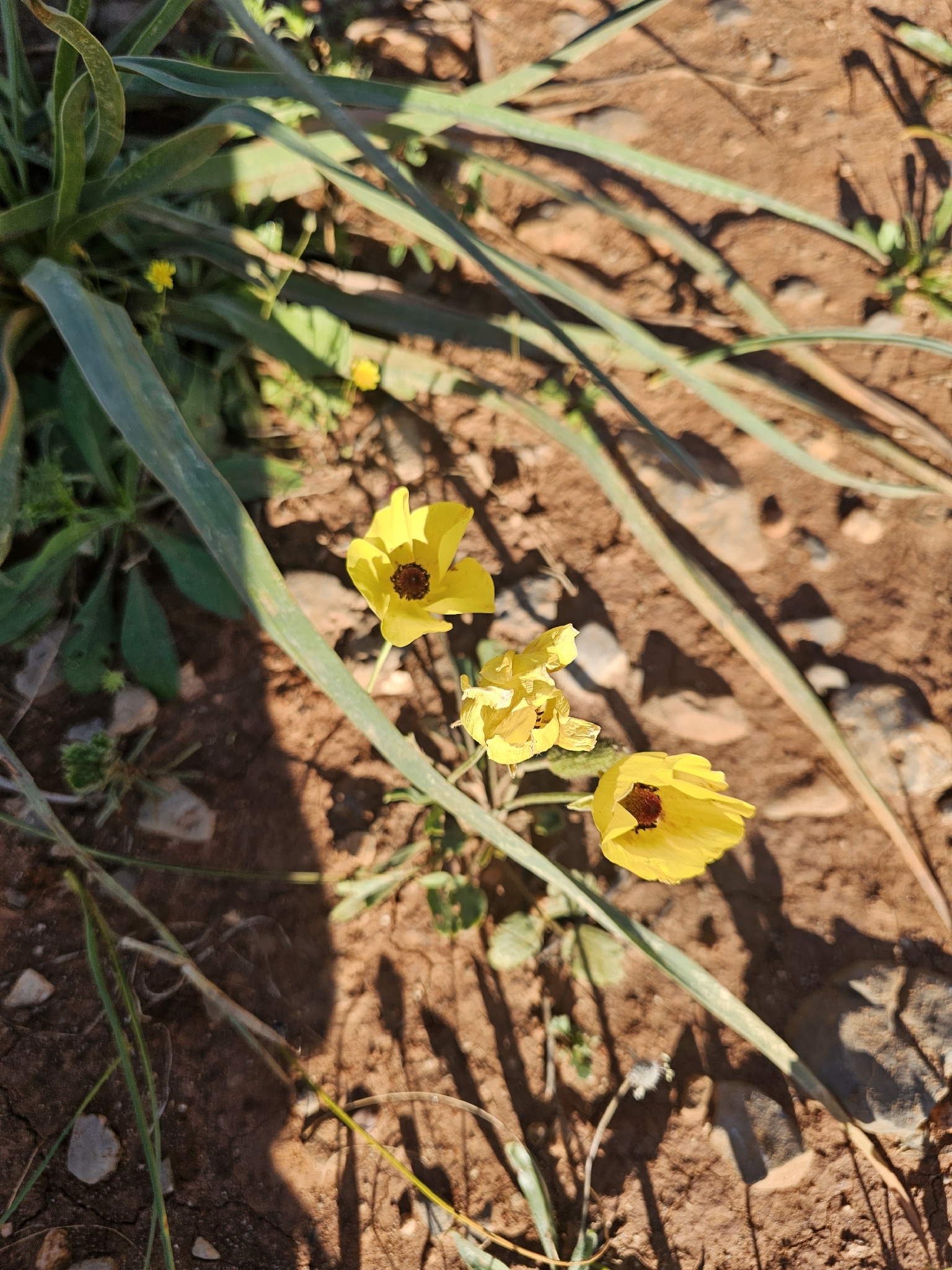
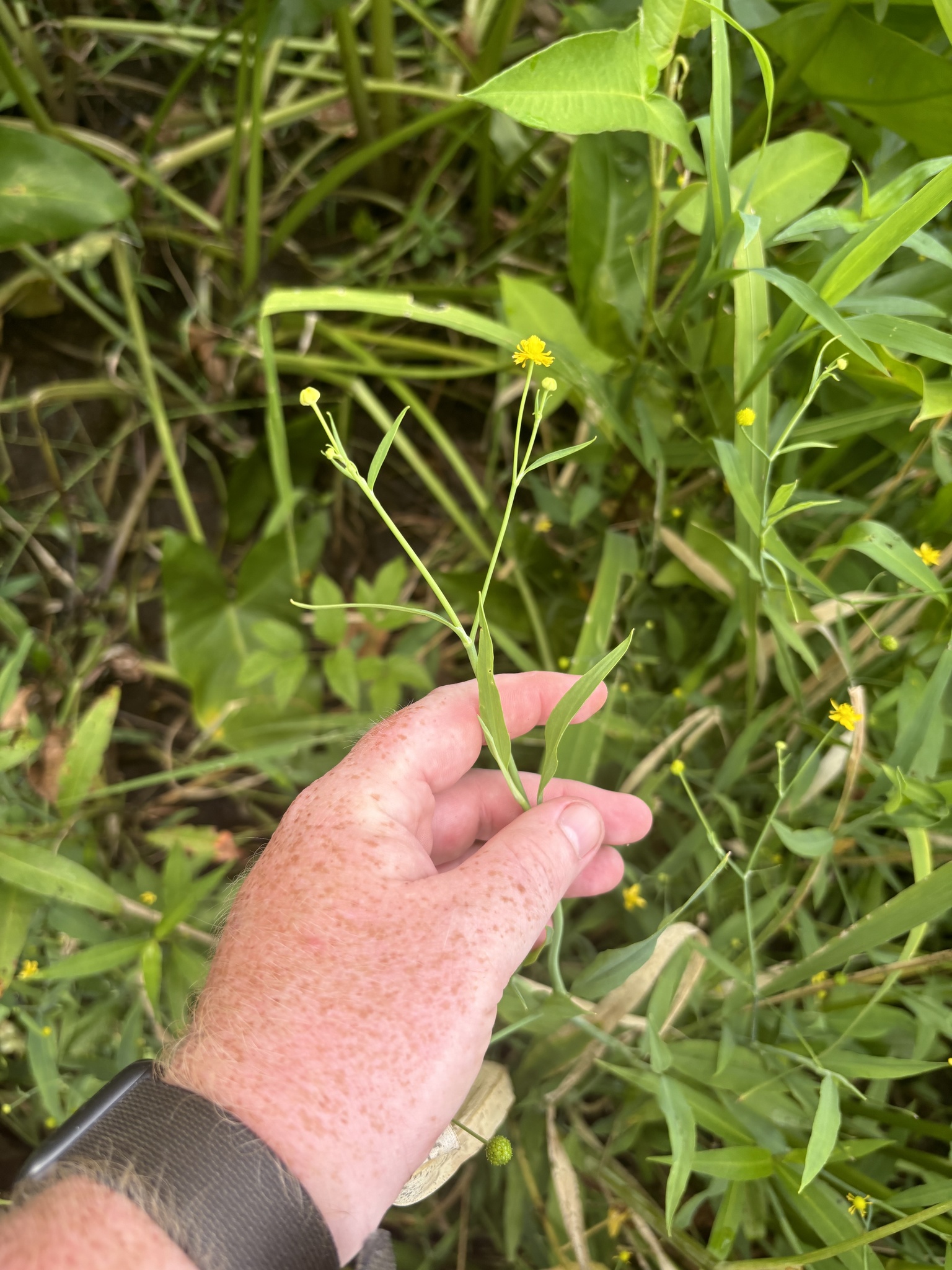
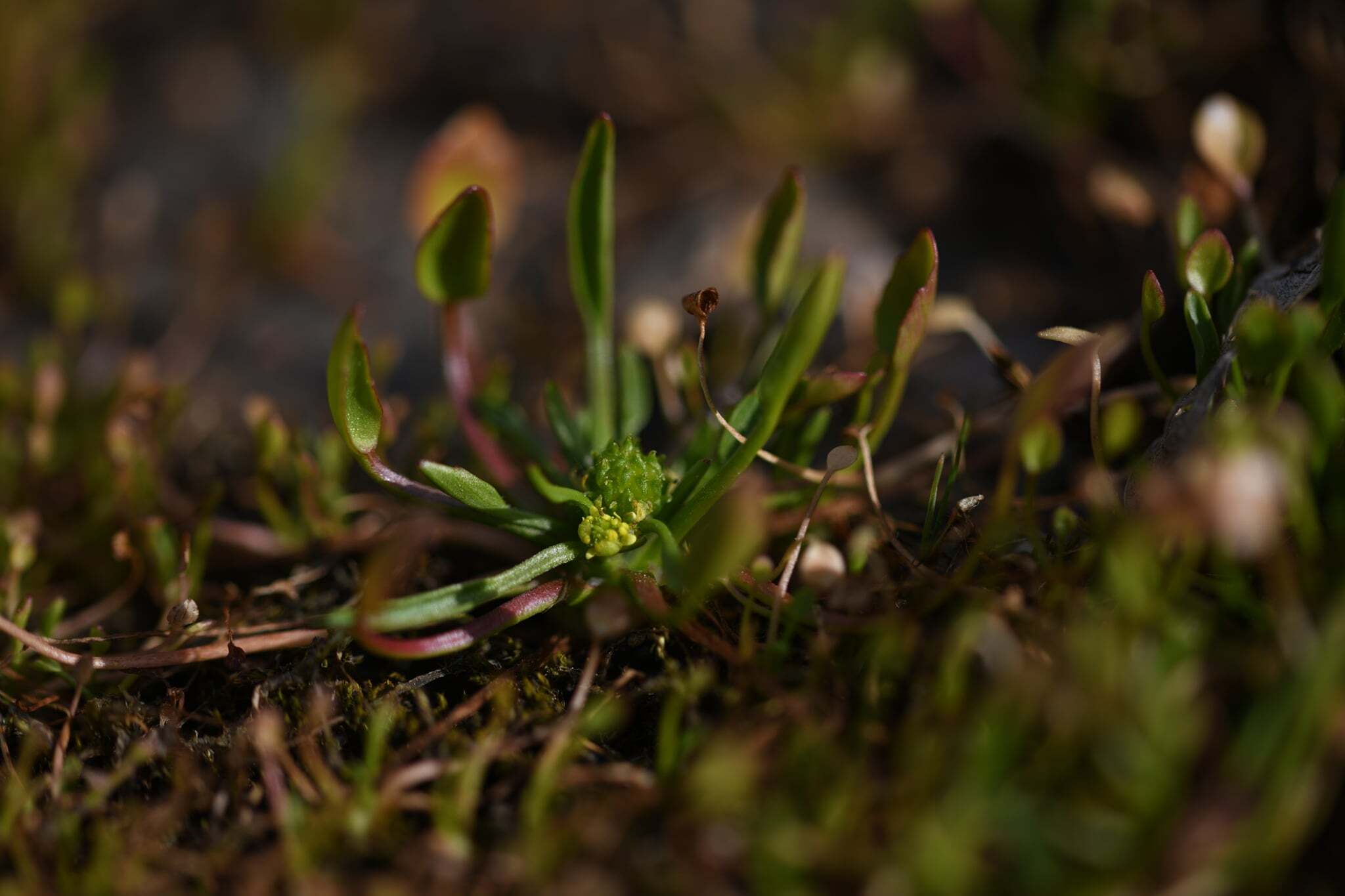
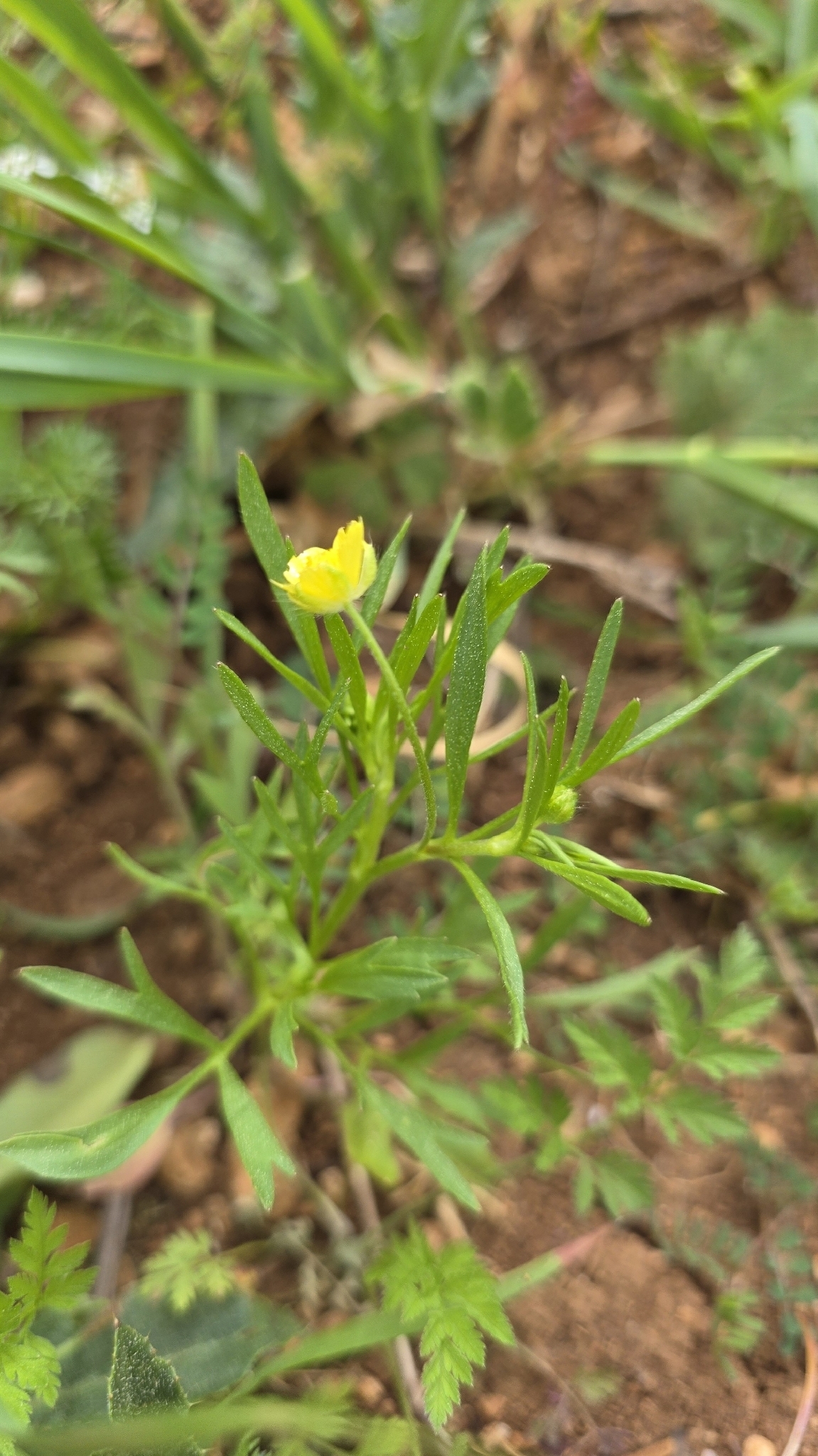
Photos of Aconite-Leaved Buttercup (Ranunculus aconitifolius)
Common names and botanical synonyms
Botanical classification
| Rank | Name |
|---|---|
| Kingdom | Plantae |
| Division | Tracheophyta |
| Class | Magnoliopsida |
| Order | Ranunculales |
| Family | Ranunculaceae |
| Genus | Ranunculus |
| Species | Ranunculus aconitifolius |
Similar in genus Ranunculus
Answers based on plant encyclopedia data