Water
Water thoroughly when the top 2-3 cm of soil feels dry. Reduce watering in winter to prevent waterlogged roots. Ensure good drainage to avoid root rot, a common issue with Ficus species.
Allow the soil to dry slightly between waterings.
Also known as African Fig · African Fig Tree · Kachere
Safety note: This plant may be toxic to humans and pets. See toxicity details.
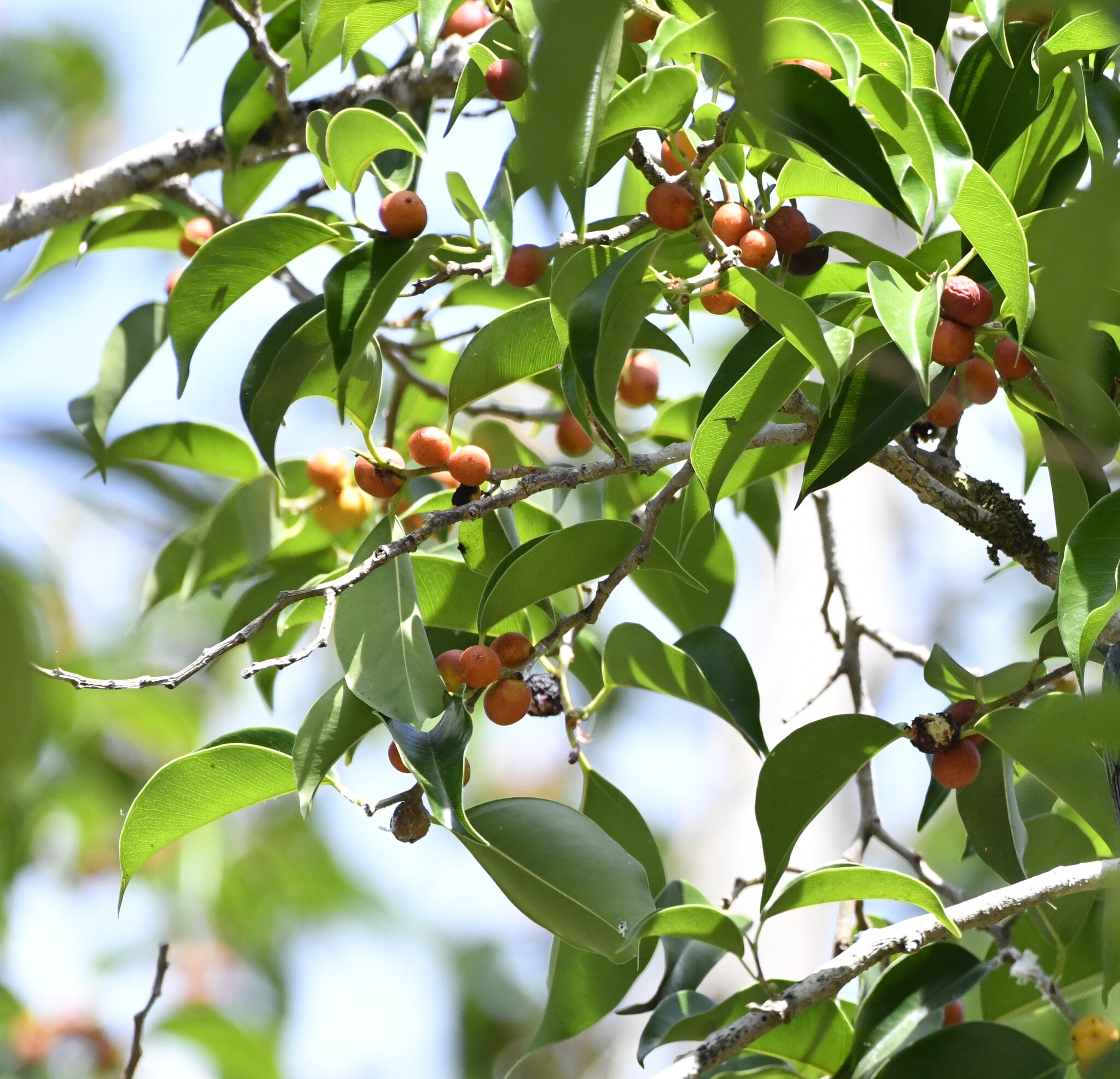
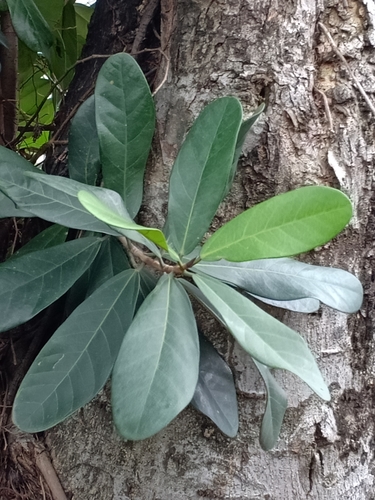
Ficus cyathistipula, a striking African fig, features glossy, leathery leaves and distinctive, cup-shaped bracts at the leaf axils.
At-a-glance light, water, soil, and growing conditions from plant data
Bright, indirect light.
75% intensity
Tolerates some shade, but prefers bright conditions for optimal growth. Avoid direct, intense sunlight which can scorch leaves.
Keep moist, but not waterlogged.
50% intensity
Allow the top 2-3 cm of soil to dry out between waterings.
Well-draining, loamy soil
50% intensity
Average room temperatures.
50% intensity
Ideal temperatures range from 18-24°C. Avoid placing near cold drafts or heat sources, as sudden temperature fluctuations can cause leaf drop.
Moderate feeding during growing season.
50% intensity
Apply a balanced liquid fertilizer diluted to half strength every 2-4 weeks from spring to autumn. Do not fertilize in winter.
Safety information from plant toxicity data
| Attribute | Value |
|---|---|
| Toxic for humans | Yes 3/5 intensity |
| Toxic for pets | Yes 3/5 intensity |
| Edible | No |
All parts of the plant can cause mild irritation or gastrointestinal upset if ingested due to ficin and psoralens.
Key traits and growing stats from plant data
Watering, pruning, propagation, and repotting details from plant data
Water thoroughly when the top 2-3 cm of soil feels dry. Reduce watering in winter to prevent waterlogged roots. Ensure good drainage to avoid root rot, a common issue with Ficus species.
Allow the soil to dry slightly between waterings.
Prune in late winter or early spring to maintain shape and remove any dead or overgrown branches. Use sharp, clean secateurs. Ficus cyathistipula can become quite large, so regular pruning helps manage its size indoors.
Pinch back new growth to encourage bushiness.
Propagate from stem cuttings, typically 10-15 cm long, taken in spring or summer. Remove lower leaves and dip the cut end in rooting hormone.
Plant in moist, well-draining potting mix and cover with a plastic bag to maintain humidity. Roots usually form in 4-6 weeks.
Repot every 2-3 years or when the plant becomes root-bound. Use a slightly larger pot with fresh, well-draining potting soil. Spring is the ideal time for repotting. Handle the roots gently to minimize stress.
Water lightly after repotting.
Identify plants like this with ePlant AI
Snap a photo to get care tips and match similar species on the go.
Monthly activity intensity for bloom and fruit across both hemispheres.
Flowering & fruiting calendar
Flowering & fruiting calendar
Photos of Ficus Cyathistipula (Ficus cyathistipula)
Where Ficus Cyathistipula (Ficus cyathistipula) is found

Density
Tap map to explore
Common names and botanical synonyms
Botanical classification
| Rank | Name |
|---|---|
| Kingdom | Plantae |
| Division | Tracheophyta |
| Class | Magnoliopsida |
| Order | Rosales |
| Family | Moraceae |
| Genus | Ficus |
| Species | Ficus cyathistipula |
Similar in genus Ficus
Answers based on plant encyclopedia data