Water
Keep the soil consistently moist but not waterlogged. Water when the top 1-2 cm of soil feels dry to the touch. Reduce watering slightly during winter months to prevent root rot.
Avoid getting water on the leaves to prevent fungal issues.
Also known as African Violet · Blue African Violet · Purple Violet
Streptocarpus ionanthus is a striking herbaceous perennial known for its vibrant, trumpet-shaped flowers. It thrives in well-drained soil and partial shade.
At-a-glance light, water, soil, and growing conditions from plant data
Bright, Indirect Light
75% intensity
Prefers filtered light; avoid direct sun which can scorch leaves.
Consistent Moisture
75% intensity
Water when the top inch of soil is dry. Avoid waterlogging.
Well-draining, peat-based mix
50% intensity
Average Room Temperature
50% intensity
Ideal range is 18-24°C. Avoid cold drafts and sudden temperature fluctuations.
Regular Feeding During Growth
50% intensity
Use a balanced liquid fertilizer diluted to half strength monthly in spring/summer.
Safety information from plant toxicity data
| Attribute | Value |
|---|---|
| Toxic for humans | No 0/5 intensity |
| Toxic for pets | No 0/5 intensity |
| Edible | No |
None
Key traits and growing stats from plant data
Watering, pruning, propagation, and repotting details from plant data
Keep the soil consistently moist but not waterlogged. Water when the top 1-2 cm of soil feels dry to the touch. Reduce watering slightly during winter months to prevent root rot.
Avoid getting water on the leaves to prevent fungal issues.
Remove spent flower stalks and any yellowing or damaged leaves promptly. This encourages continuous blooming and maintains a tidy appearance.
Pinching back leggy growth can promote a bushier habit, though this is less common for Streptocarpus.
Propagate from leaf cuttings or by dividing established plants. For leaf cuttings, cut a healthy leaf into several sections and plant them shallowly in moist potting mix. Division is best done during repotting.
Repot every 1-2 years in spring or early summer, or when the plant becomes root-bound. Use a well-draining potting mix, such as one formulated for African violets or general houseplants.
Choose a pot only slightly larger than the previous one.
Identify plants like this with ePlant AI
Snap a photo to get care tips and match similar species on the go.
Monthly activity intensity for bloom and fruit across both hemispheres.
Flowering & fruiting calendar
Flowering & fruiting calendar
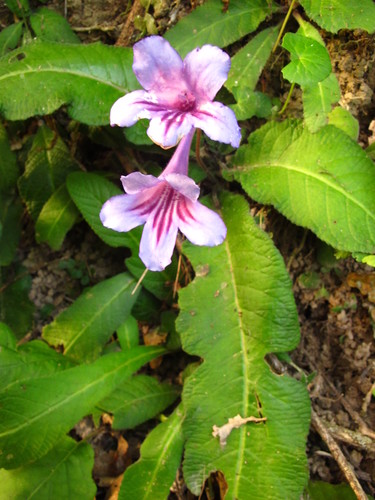
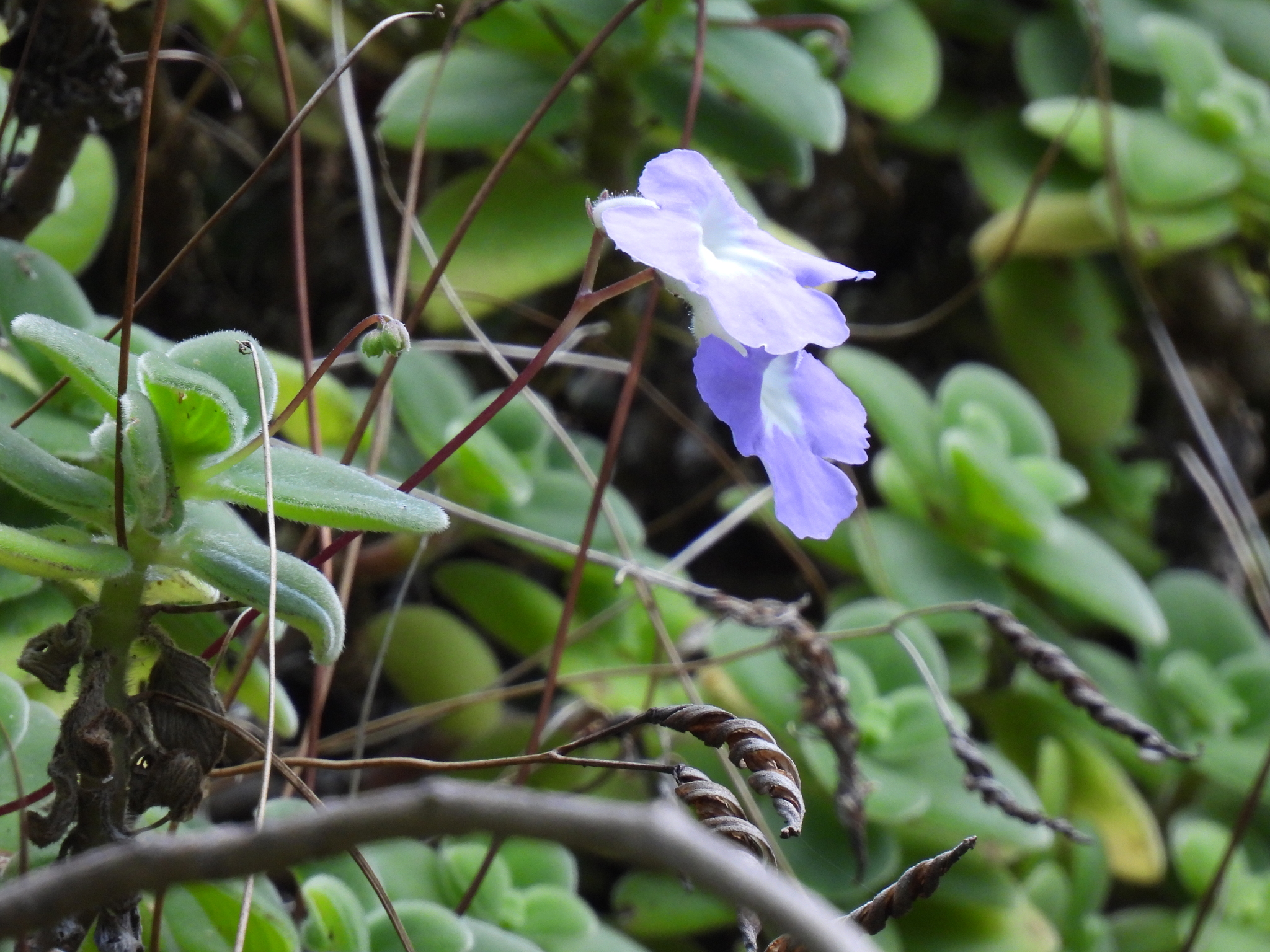
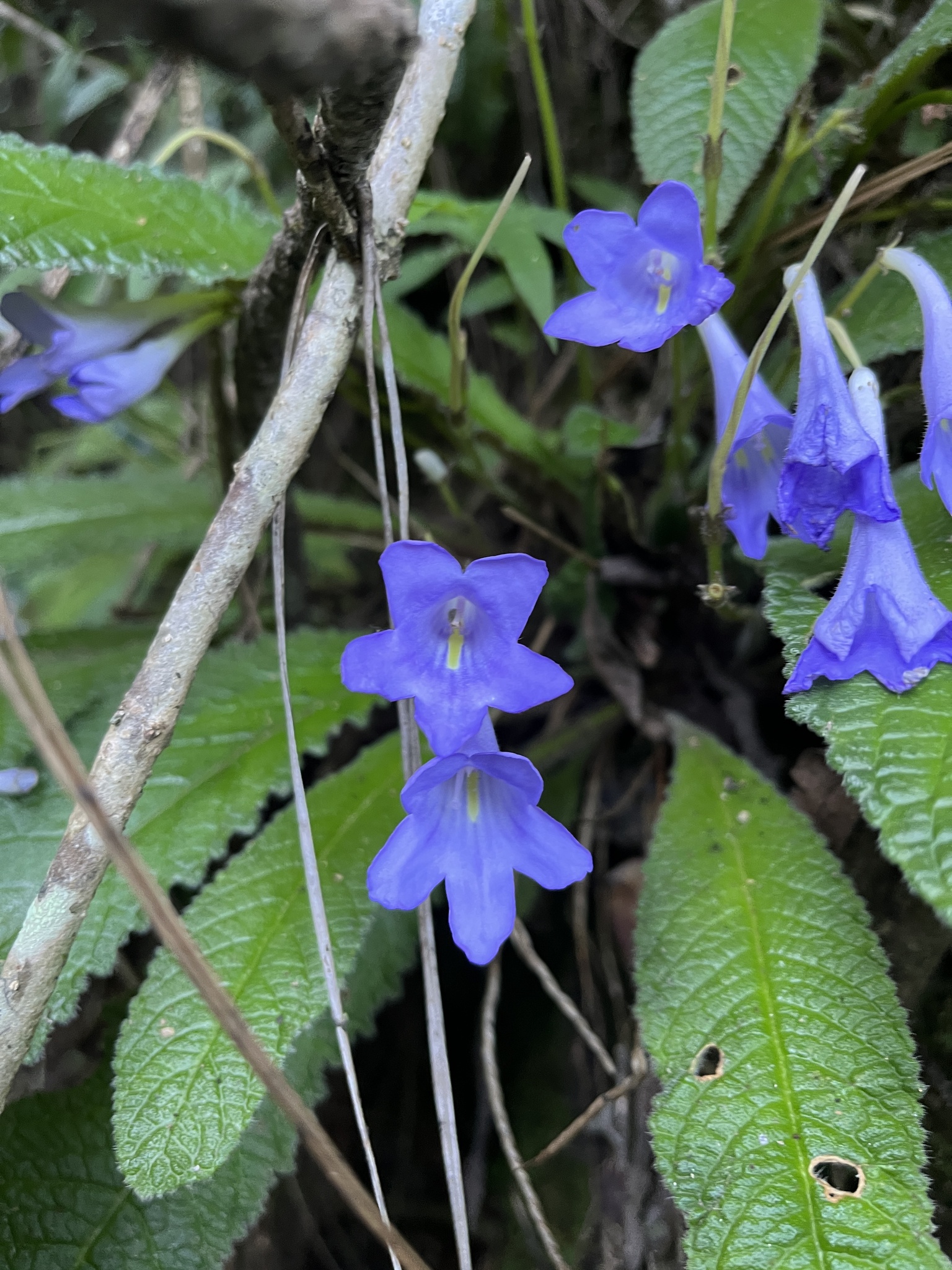
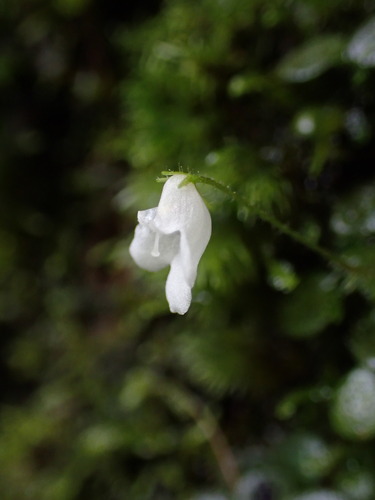
Photos of Streptocarpus Ionanthus (Streptocarpus ionanthus)
Where Streptocarpus Ionanthus (Streptocarpus ionanthus) is found

Density
Tap map to explore
17 known issues from plant disease data

Botrytis blight on African Violet starts as water-soaked spots, then leaves, stems, or flowers turn dark brown to gray with fuzzy mold.

Pythium root rot in African Violet makes roots and crown soft and mushy, while leaves droop, blacken, and center growth stays stunted.

Phytophthora root and crown rot in African Violet softens the crown and roots, with drooping leaves and blackened center growth.

Powdery mildew on African Violet leaves white dusty patches on leaves or flowers, and affected parts can dry and lose quality.

Bacterial blight in African Violet causes dark reddish-brown to black rot, greasy petioles, wilting, and eventual plant collapse.

Foliar nematode on African Violet causes pale to yellow foliage, brown blighted patches, and curled, twisted, stunted new growth.
Common names and botanical synonyms
Botanical classification
| Rank | Name |
|---|---|
| Kingdom | Plantae |
| Division | Tracheophyta |
| Class | Magnoliopsida |
| Order | Lamiales |
| Family | Gesneriaceae |
| Genus | Streptocarpus |
| Species | Streptocarpus ionanthus |
Similar in genus Streptocarpus
Answers based on plant encyclopedia data