Water
Water regularly, keeping the soil consistently moist but not waterlogged. Reduce watering during drier periods, especially for mature trees, but avoid allowing the soil to dry out completely.
Ensure good drainage to prevent root rot.
Also known as Awusa Nut · Owusa-Nut
African-walnut (Plukenetia conophora) is a tropical tree native to West Africa, known for its edible nuts and medicinal uses, thriving in moist, shaded environments.
At-a-glance light, water, soil, and growing conditions from plant data
Full Sun
75% intensity
Prefers full sun for optimal growth and fruit production.
Regular
50% intensity
Keep soil consistently moist, but avoid waterlogging. Reduce slightly in dry spells.
Well-drained
50% intensity
Warm
75% intensity
Thrives in warm to hot climates, with frost sensitivity.
Moderate
50% intensity
Fertilize young trees annually; mature trees benefit from occasional organic enrichment.
Safety information from plant toxicity data
| Attribute | Value |
|---|---|
| Toxic for humans | No 0/5 intensity |
| Toxic for pets | No 0/5 intensity |
| Edible | Yes |
None
Key traits and growing stats from plant data
Watering, pruning, propagation, and repotting details from plant data
Water regularly, keeping the soil consistently moist but not waterlogged. Reduce watering during drier periods, especially for mature trees, but avoid allowing the soil to dry out completely.
Ensure good drainage to prevent root rot.
Prune African-walnut trees to shape them, remove dead or damaged branches, and improve air circulation. This is best done in late winter or early spring before new growth begins.
Focus on maintaining a strong central leader and well-spaced branches.
Propagation is typically done through seeds, which may require stratification. Cuttings can also be taken from semi-hardwood in summer or hardwood in winter, though rooting success can vary.
Grafting is another method for more reliable results.
Young African-walnut trees may require repotting every 2-3 years into a slightly larger container as they outgrow their current one. Use a well-draining potting mix.
Mature trees are generally planted in the ground and do not require repotting.
Identify plants like this with ePlant AI
Snap a photo to get care tips and match similar species on the go.
Monthly activity intensity for bloom and fruit across both hemispheres.
Flowering & fruiting calendar
Flowering & fruiting calendar
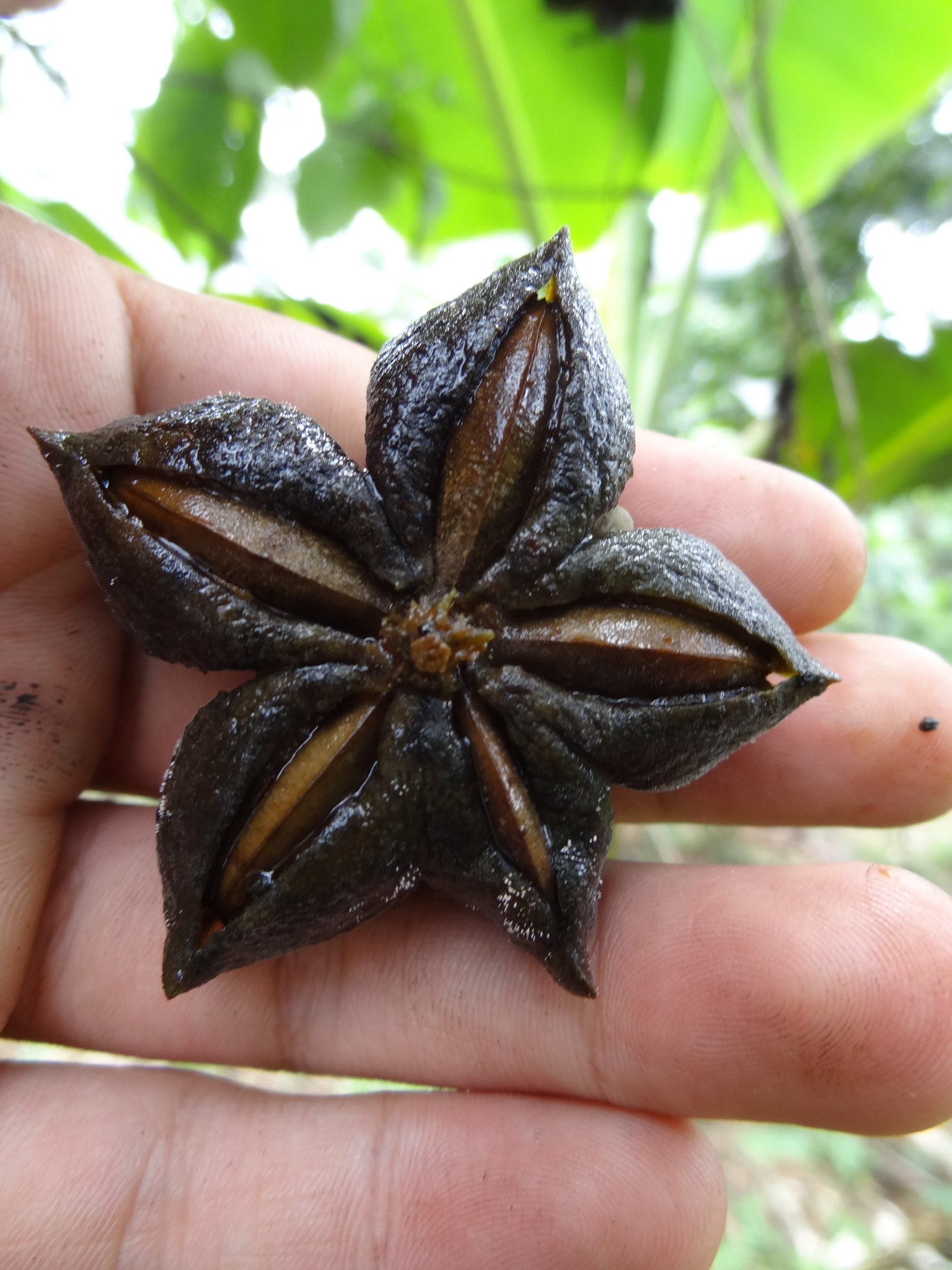
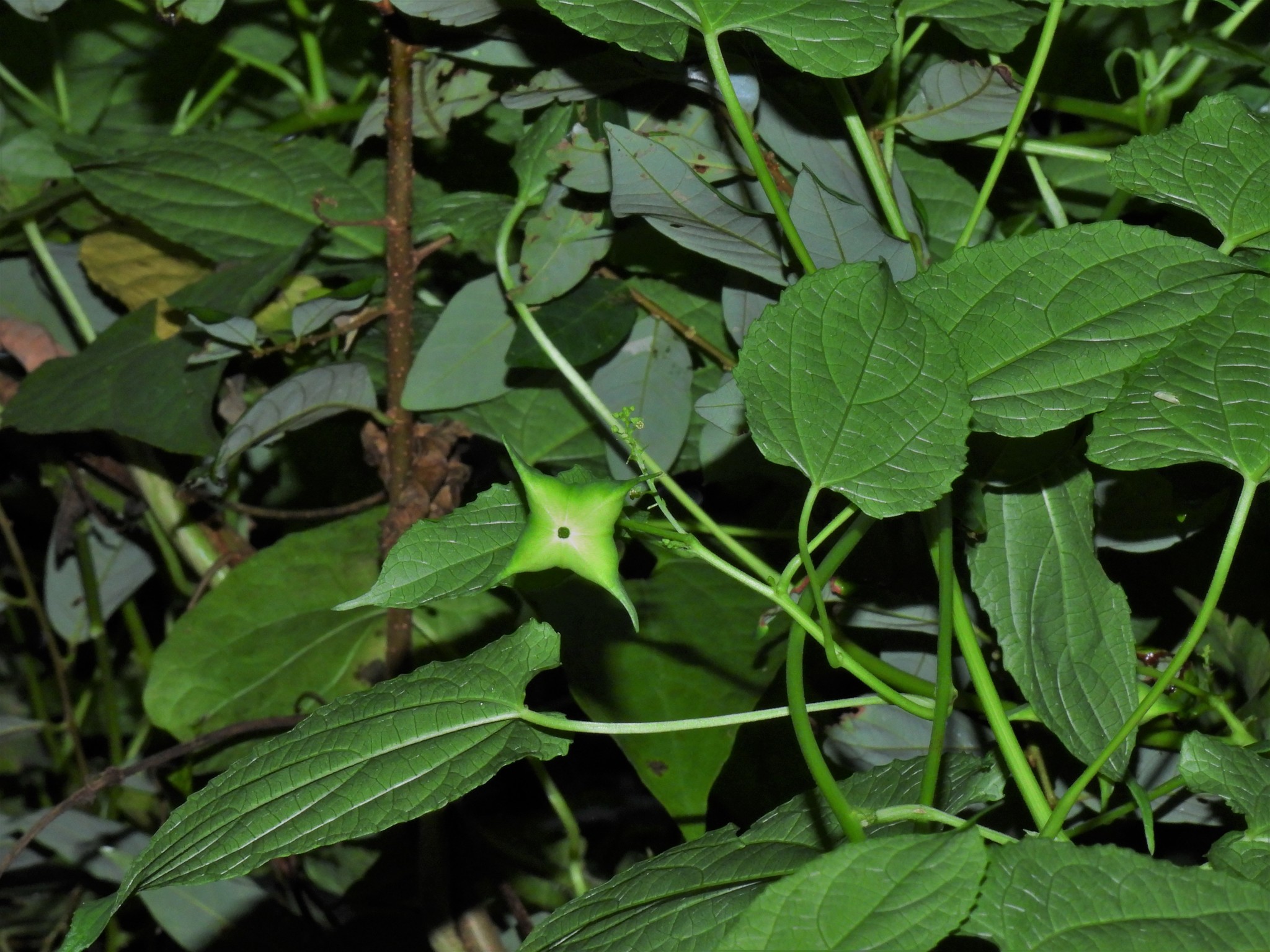
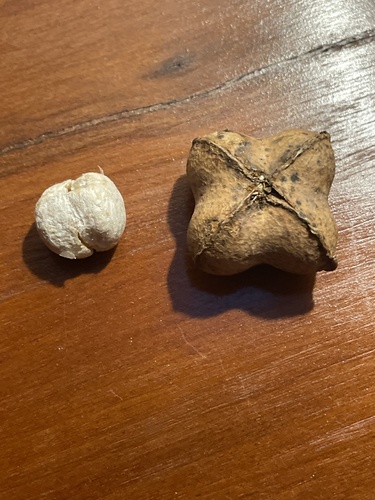
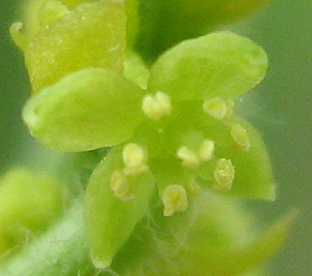
Photos of African-Walnut (Plukenetia conophora)
Where African-Walnut (Plukenetia conophora) is found

Density
Tap map to explore
Common names and botanical synonyms
Botanical classification
| Rank | Name |
|---|---|
| Kingdom | Plantae |
| Division | Tracheophyta |
| Class | Magnoliopsida |
| Order | Malpighiales |
| Family | Euphorbiaceae |
| Genus | Plukenetia |
| Species | Plukenetia conophora |
Similar in genus Plukenetia
Answers based on plant encyclopedia data