Water
Maintain consistently moist soil, especially during fruiting. Avoid waterlogged conditions but do not let it dry out completely. Raised beds or containers can help manage moisture levels.
Also known as American Cranberry · Large Cranberry · Large-Fruited Cranberry
Vaccinium macrocarpon is a low-growing, evergreen shrub native to North America, known for its tart, red berries.
At-a-glance light, water, soil, and growing conditions from plant data
Prefers full sun for best fruit production, but tolerates partial shade.
100% intensity
At least 6 hours of direct sunlight recommended.
Keep soil consistently moist, especially during fruiting. Avoid waterlogged conditions.
100% intensity
Requires acidic, moist, well-drained soil rich in organic matter, with a pH of 4.5-5.5.
50% intensity
Thrives in moderate temperatures during the growing season.
100% intensity
Ideal range 15-25 °C.
Outdoor, Greenhouse
50% intensity
Use a balanced fertilizer for acid-loving plants in early spring.
100% intensity
Avoid over-fertilizing.
Safety information from plant toxicity data
| Attribute | Value |
|---|---|
| Toxic for humans | No 0/5 intensity |
| Toxic for pets | No 0/5 intensity |
| Edible | Yes |
Key traits and growing stats from plant data
Watering, pruning, propagation, and repotting details from plant data
Maintain consistently moist soil, especially during fruiting. Avoid waterlogged conditions but do not let it dry out completely. Raised beds or containers can help manage moisture levels.
Prune in late winter or early spring to remove dead or damaged wood and to shape the plant. Light pruning can encourage bushier growth and better fruit production.
Avoid heavy pruning, which can reduce the number of fruiting branches.
Easily propagated by stem cuttings taken in late summer or early fall. Layering is also effective. Seeds can be sown in fall or stratified for spring germination, but cultivars may not come true from seed.
If grown in containers, repot every 2-3 years in early spring into fresh, acidic potting mix. Ensure the new pot is slightly larger than the previous one. Water thoroughly after repotting.
Identify plants like this with ePlant AI
Snap a photo to get care tips and match similar species on the go.
Monthly activity intensity for bloom and fruit across both hemispheres.
Flowering & fruiting calendar
Flowering & fruiting calendar
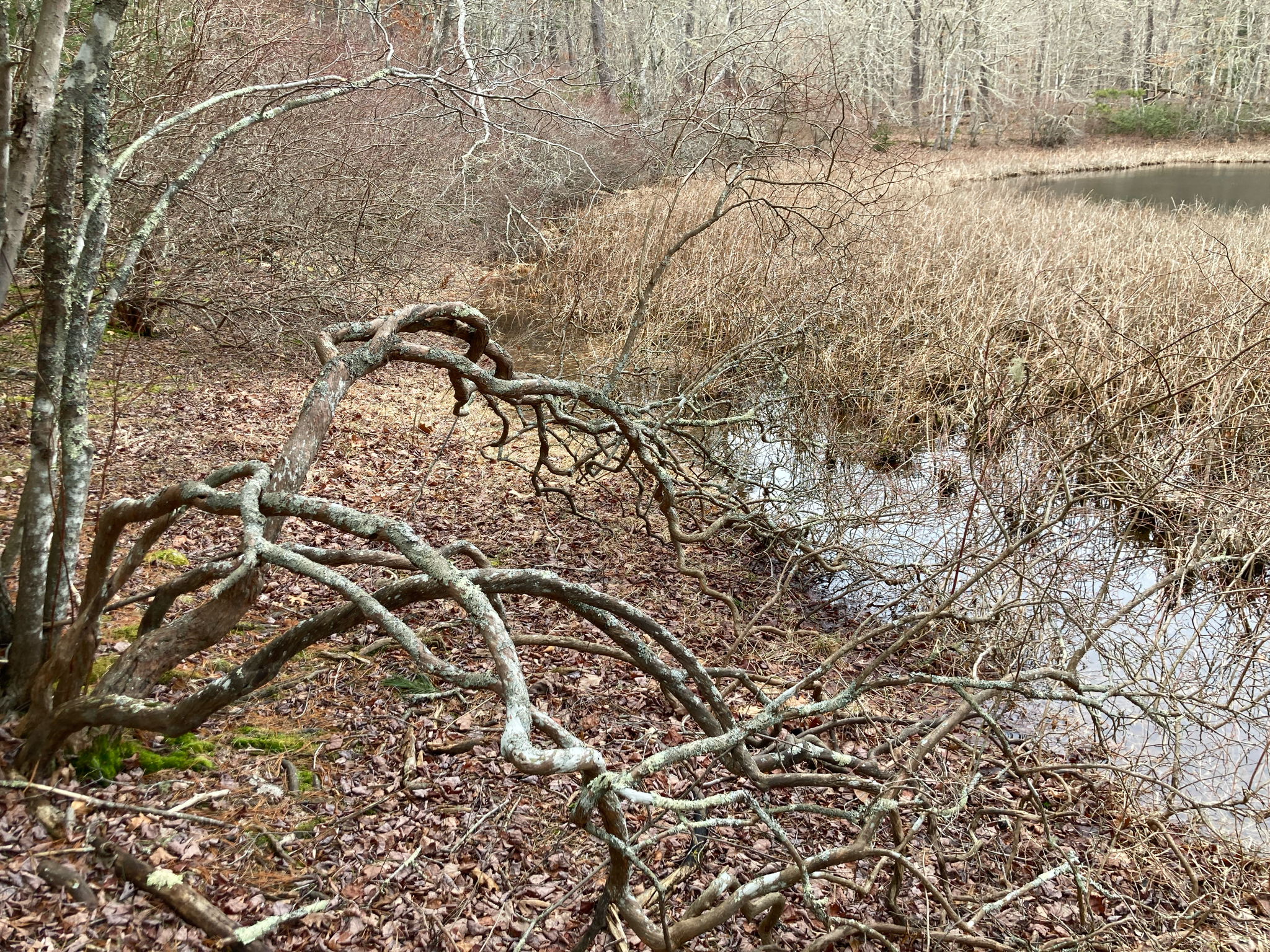
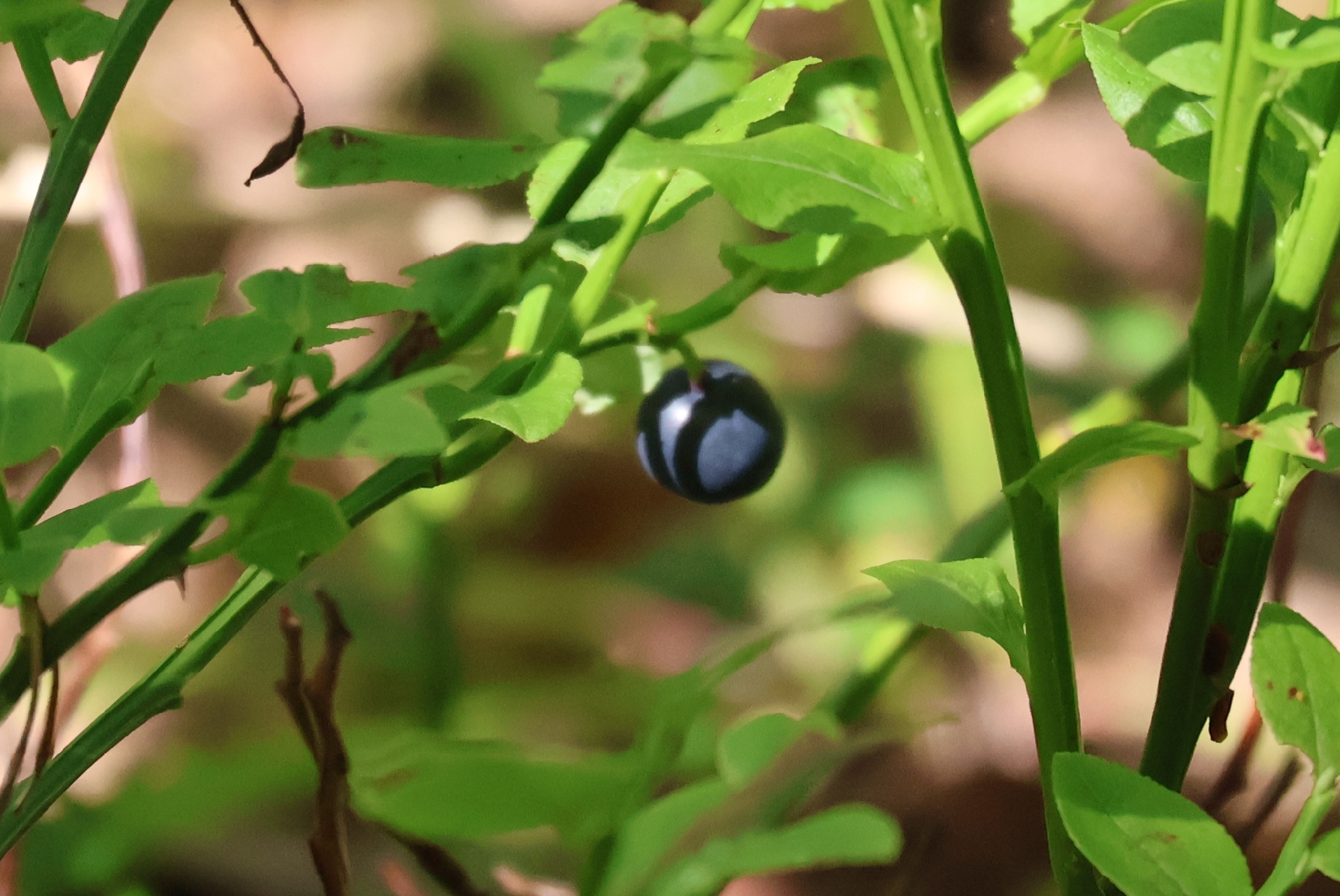
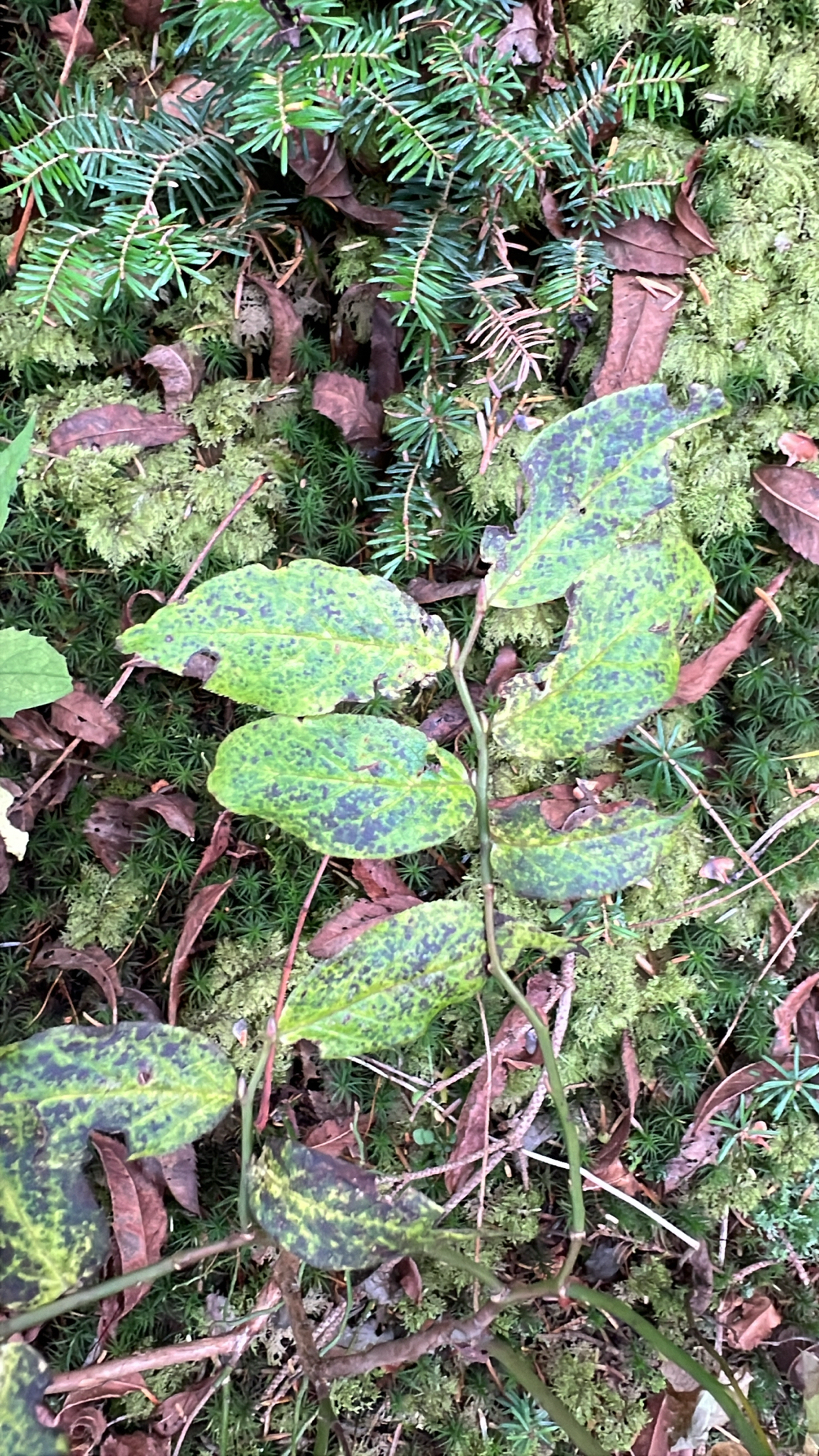
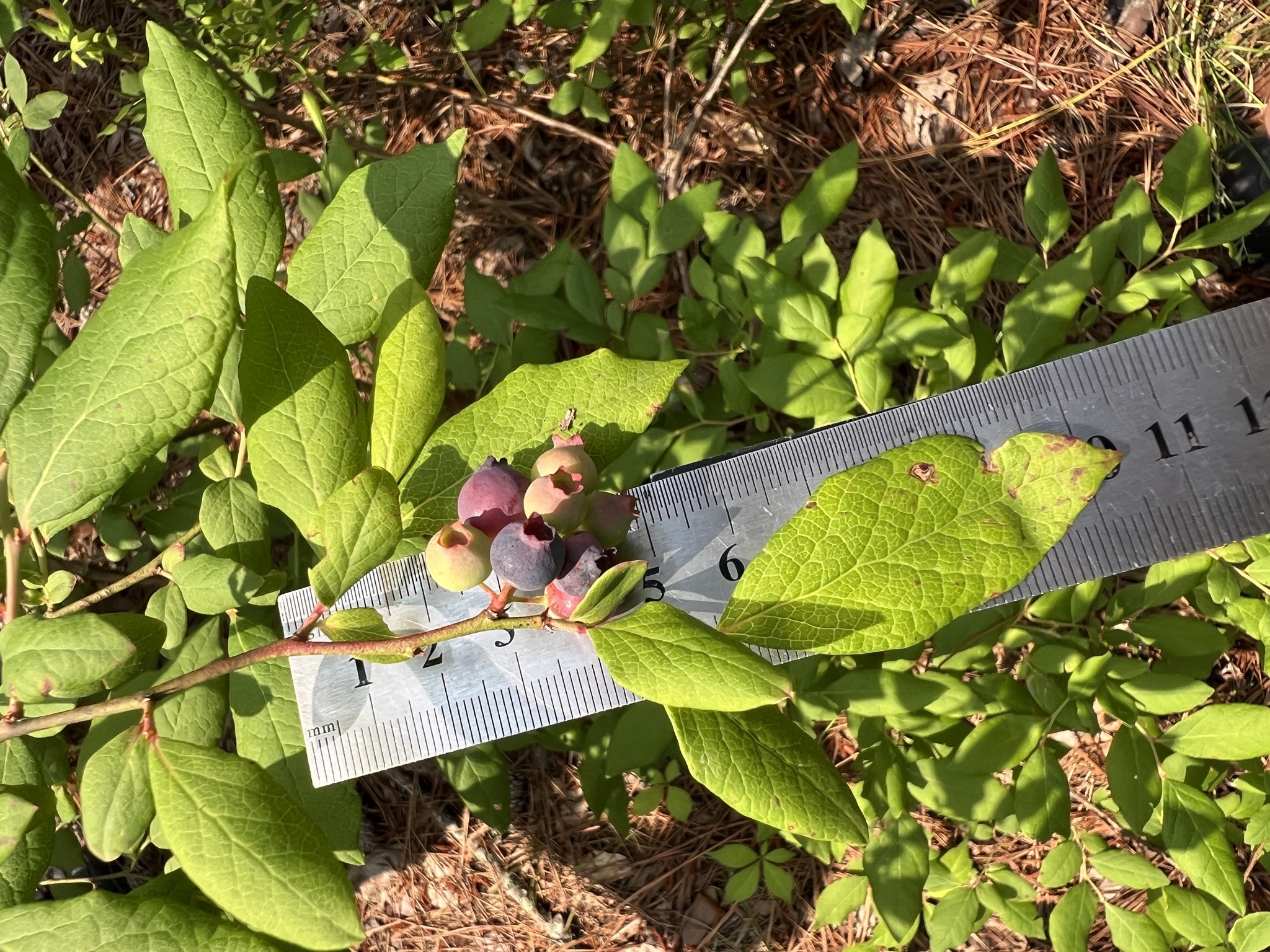
Photos of Cranberry (Vaccinium macrocarpon)
Where Cranberry (Vaccinium macrocarpon) is found

Density
Tap map to explore
6 known issues from plant disease data

Fruit Rot on Cranberry causes berries to soften, discolor, shrivel, or rot before or after harvest, reducing fruit quality and storage life.

Phytophthora Root Rot on Cranberry causes expanding dead patches, stunted red-tinged vines, few feeder roots, and brown runners.

False Blossom on Cranberry causes distorted sterile flowers, witches'-broom growth, premature reddening, and little or no fruit set.

Upright and Runner Dieback on Cranberry causes individual uprights to die back from the tip, turning yellow, orange, then bronze.

Cottonball on Cranberry causes blighted curled shoot tips and berries that stay yellow-tan and firm, with white cottony growth inside.

Fairy Ring on Cranberry causes circular expanding areas of weak or dead vines, with stressed unproductive vines at the advancing edge.
Common names and botanical synonyms
Botanical classification
| Rank | Name |
|---|---|
| Kingdom | Plantae |
| Division | Tracheophyta |
| Class | Magnoliopsida |
| Order | Ericales |
| Family | Ericaceae |
| Genus | Vaccinium |
| Species | Vaccinium macrocarpon |
Similar in genus Vaccinium
Answers based on plant encyclopedia data