Water
Maintain consistently moist soil, avoiding waterlogging. Water thoroughly when the top 2-3 cm of soil feels dry. Reduce watering in winter during dormancy. Overwatering can lead to root rot, so ensure good drainage.
Also known as American Ginseng Root · Canadian Ginseng · Dwarf Groundroot
Panax quinquefolius, or American Ginseng, is a slow-growing perennial herb native to eastern North America, prized for its medicinal roots and delicate appearance.
At-a-glance light, water, soil, and growing conditions from plant data
Shade to partial shade.
25% intensity
Prefers dappled sunlight or full shade, mimicking forest understory conditions.
Consistent moisture, avoid waterlogging.
50% intensity
Keep soil evenly moist, especially during active growth. Reduce in winter.
Rich, moist, well-drained soil with high organic matter
50% intensity
Cool to moderate.
50% intensity
Prefers cooler temperatures. Protect from extreme heat and frost. Dormancy is essential.
Low requirement.
25% intensity
Prefers nutrient-rich, organic soil. Avoid over-fertilizing; light compost application in spring is adequate.
Safety information from plant toxicity data
| Attribute | Value |
|---|---|
| Toxic for humans | No 0/5 intensity |
| Toxic for pets | No 0/5 intensity |
| Edible | Yes |
No significant toxicity reported for humans or pets.
Key traits and growing stats from plant data
Watering, pruning, propagation, and repotting details from plant data
Maintain consistently moist soil, avoiding waterlogging. Water thoroughly when the top 2-3 cm of soil feels dry. Reduce watering in winter during dormancy. Overwatering can lead to root rot, so ensure good drainage.
Pruning is generally not required for American Ginseng. The plant naturally sheds its leaves in fall.
If any dead or damaged foliage appears during the growing season, it can be carefully removed to maintain plant health.
Propagation is primarily done by seed. Seeds require a long stratification period (18-24 months) under moist conditions to break dormancy. Plant seeds in fall in a well-draining, shaded bed.
Division of mature roots is rarely successful.
American Ginseng is not typically repotted as it is usually grown from seed in its natural habitat or in specialized woodland gardens. If grown in a container for a short period, repot only if root-bound, using a well-draining, organic potting mix.
Identify plants like this with ePlant AI
Snap a photo to get care tips and match similar species on the go.
Monthly activity intensity for bloom and fruit across both hemispheres.
Flowering & fruiting calendar
Flowering & fruiting calendar
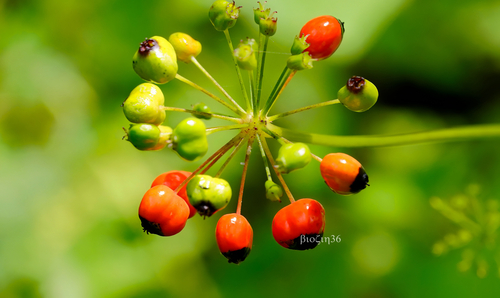
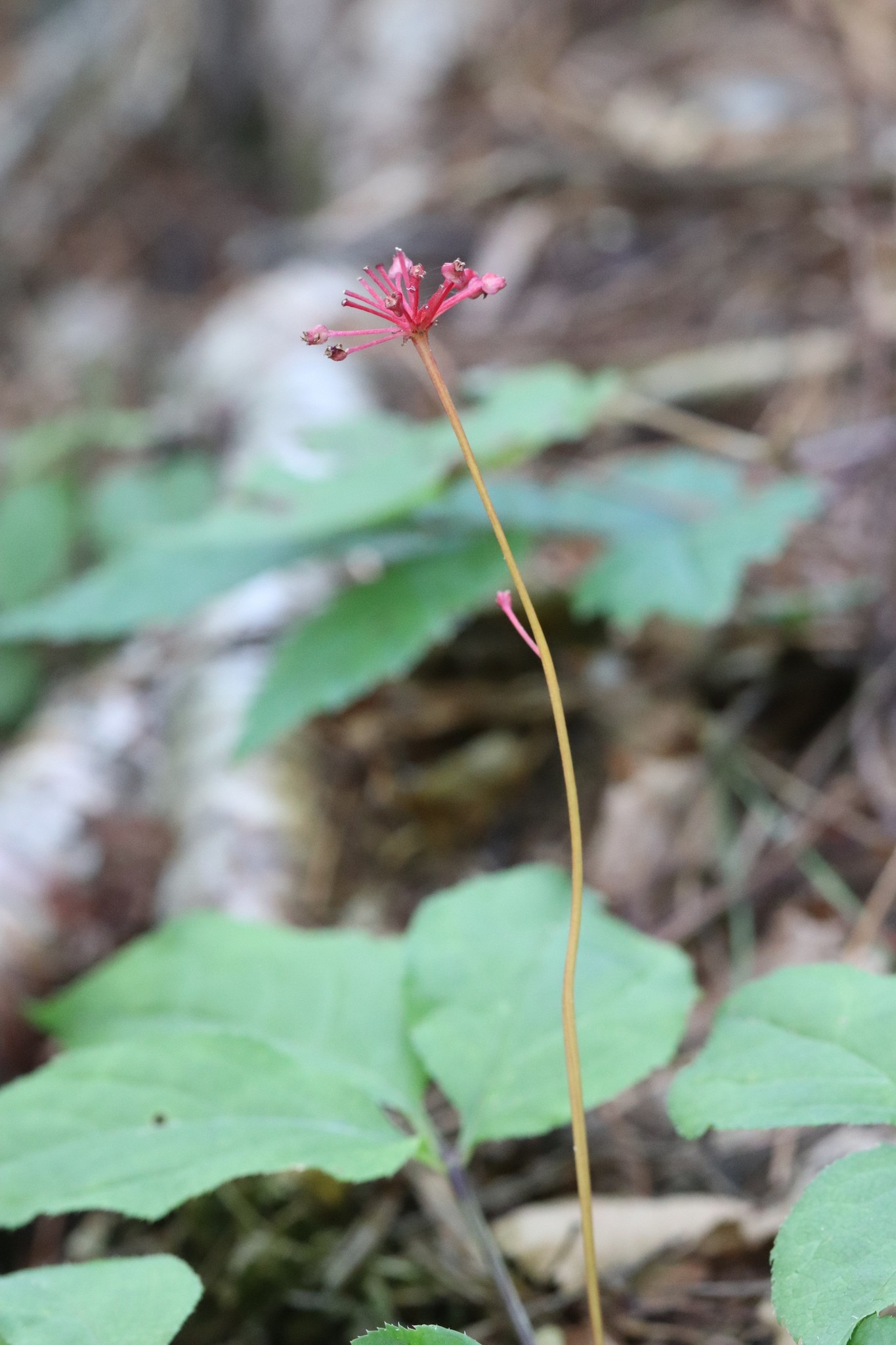
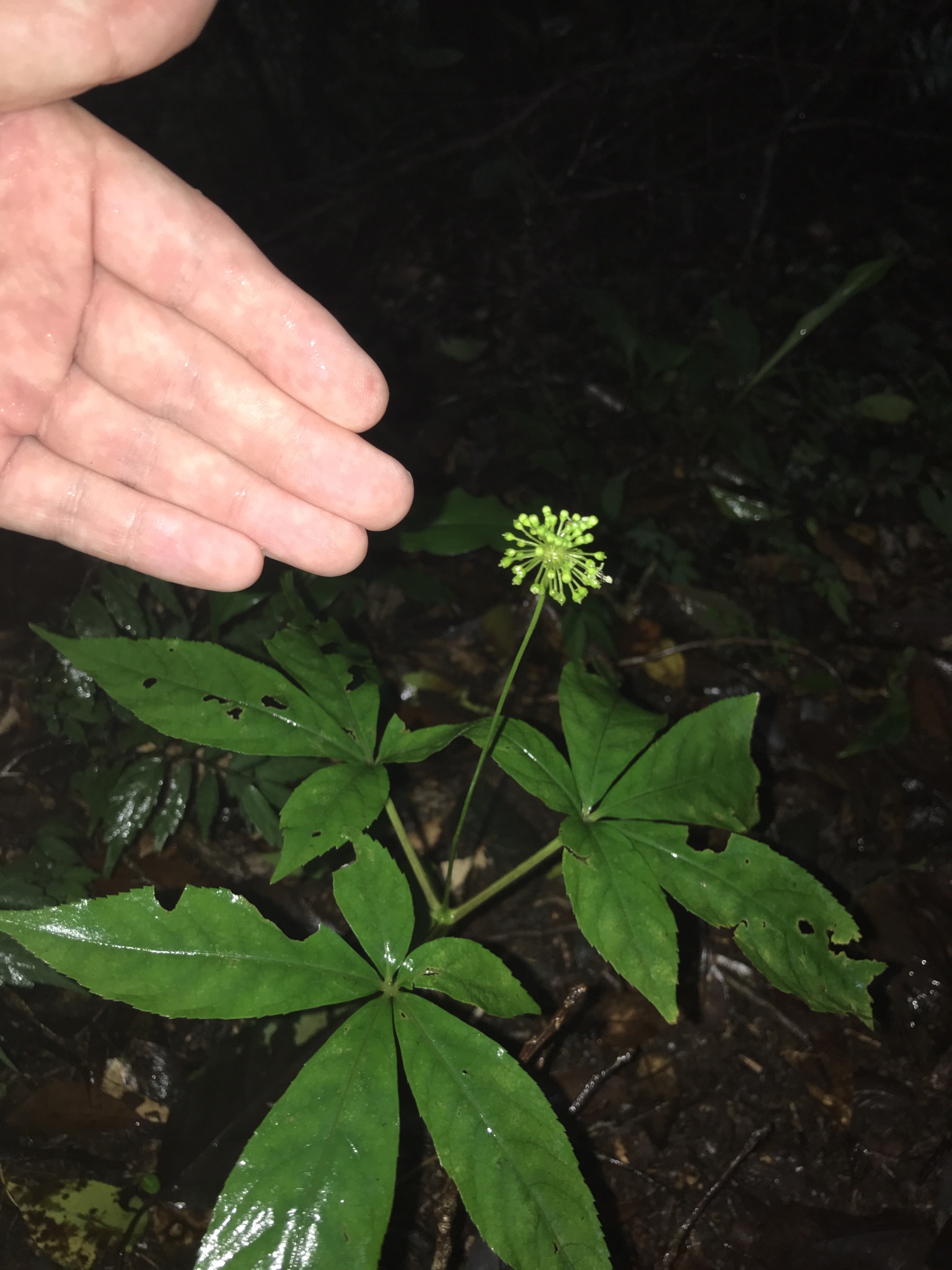
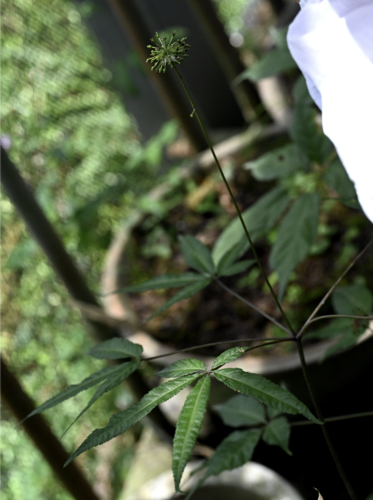
Photos of American Ginseng (Panax quinquefolius)
Where American Ginseng (Panax quinquefolius) is found

Density
Tap map to explore
Common names and botanical synonyms
Botanical classification
| Rank | Name |
|---|---|
| Kingdom | Plantae |
| Division | Tracheophyta |
| Class | Magnoliopsida |
| Order | Apiales |
| Family | Araliaceae |
| Genus | Panax |
| Species | Panax quinquefolius |
Similar in genus Panax
Answers based on plant encyclopedia data