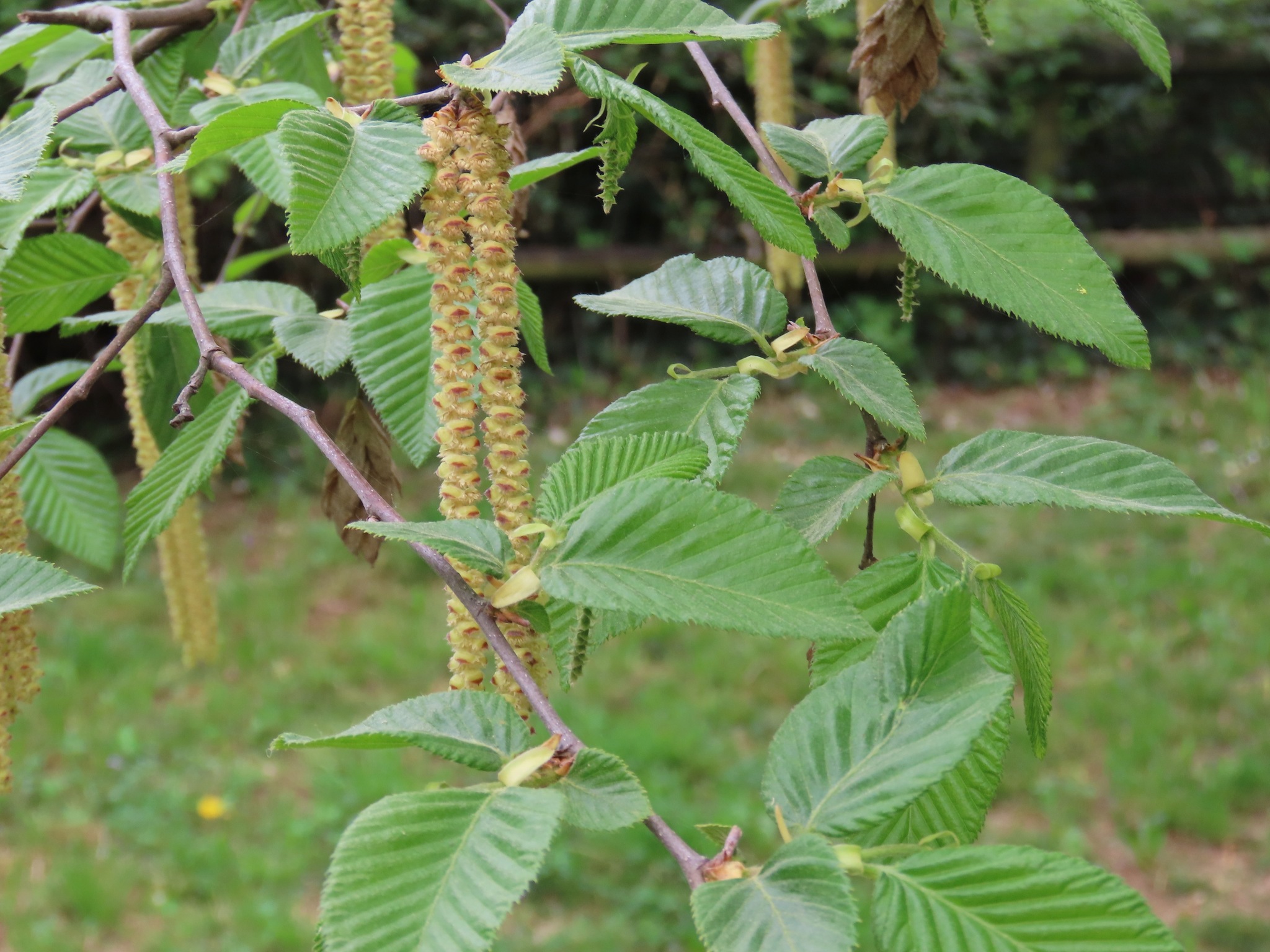
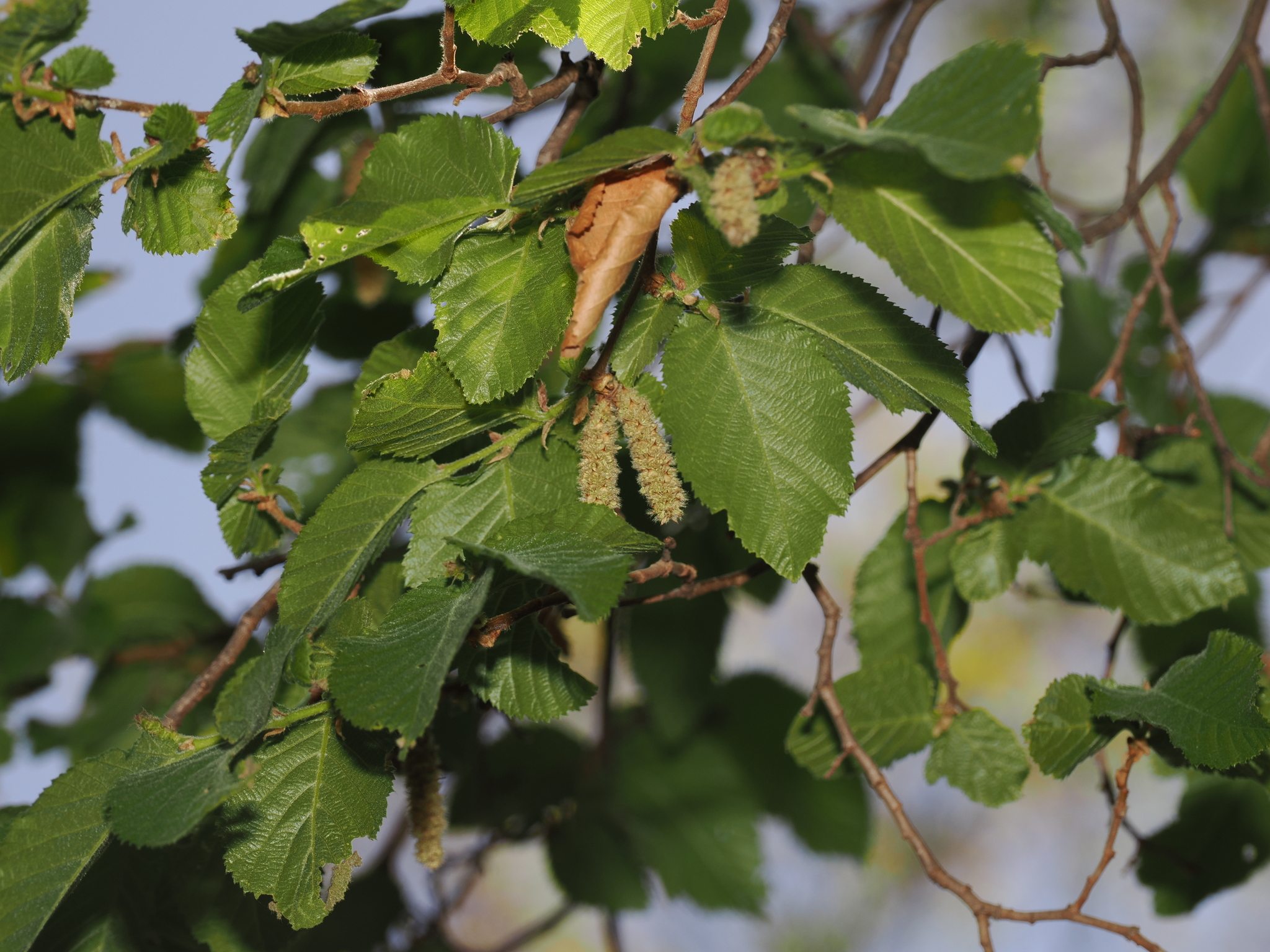
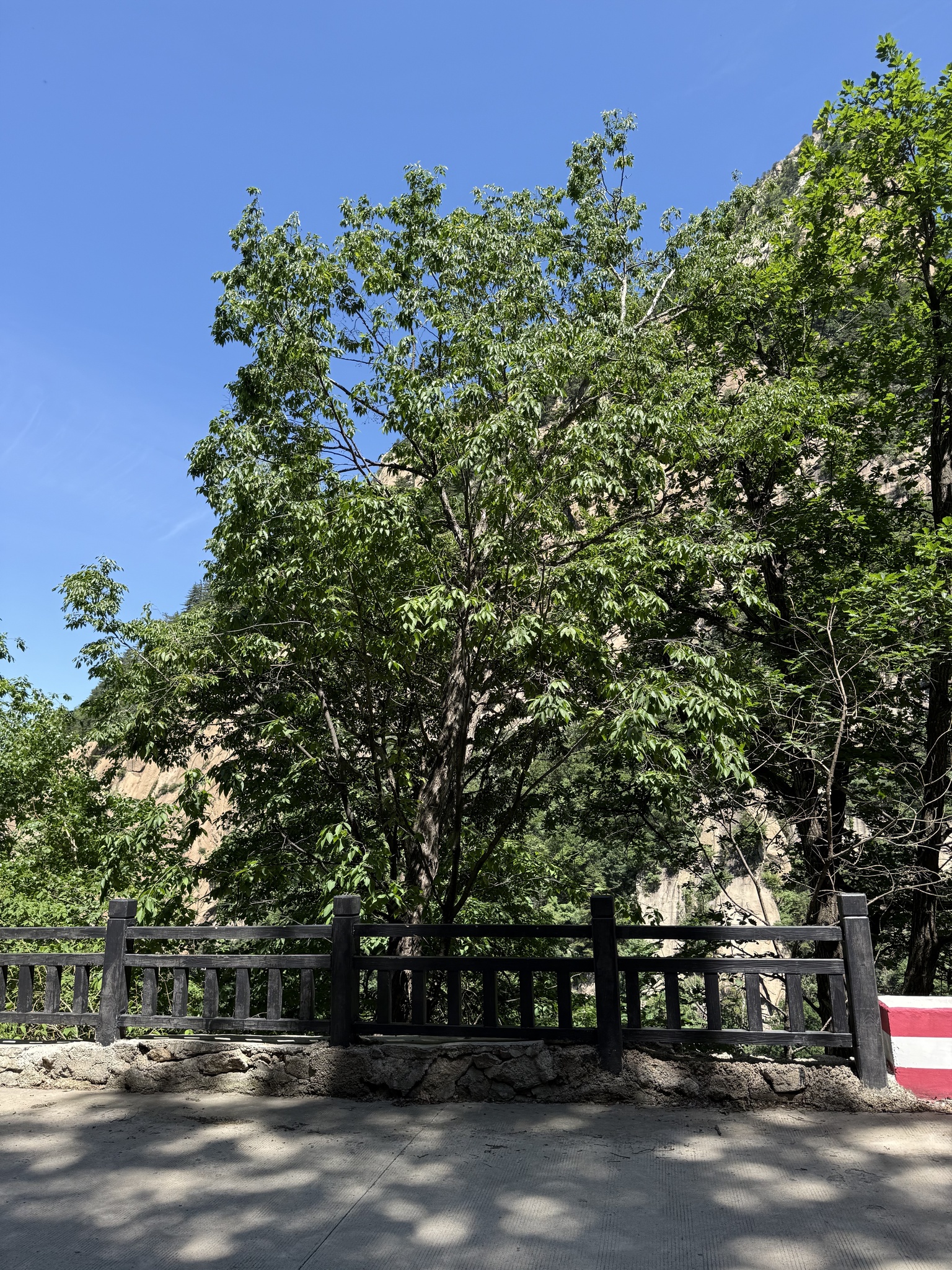
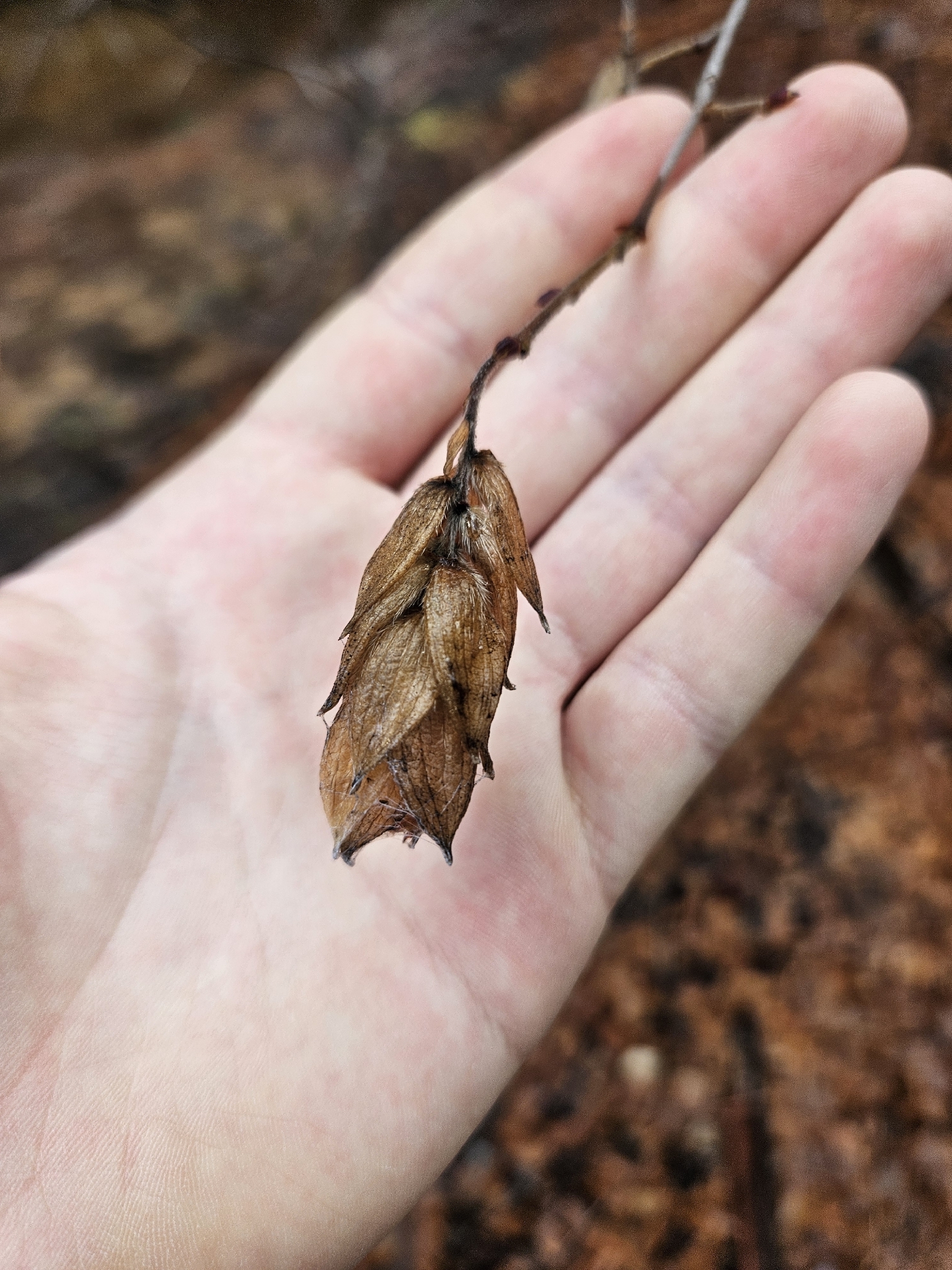
Ostrya virginiana, commonly known as hophornbeam, is a deciduous tree valued for its durable wood and distinctive hop-like fruit clusters.
Above information is sourced from Wikipedia
Sunlight
Prefers full sun to partial shade. Tolerates a wide range of light conditions but may grow more slowly in deep shade.
Watering
Water new plants regularly until established. Mature plants are drought-tolerant but perform best with consistent moisture, especially during dry periods. Avoid waterlogged conditions.
Soil
Adaptable to various soil types, preferring well-drained, moist, slightly acidic to neutral soils. Tolerates clay and sandy soils.
Temperature
Thrives in moderate temperatures, ideal range is 15-25 °C. Tolerant of cold winters.
Habitat
Outdoor
Fertilizer
Generally does not require heavy fertilization. A light application of a balanced, slow-release fertilizer in early spring is sufficient for most established trees.
Prefers full sun to partial shade. Tolerates a wide range of light conditions but may grow more slowly in deep shade.
Water new plants regularly until established. Mature plants are drought-tolerant but perform best with consistent moisture, especially during dry periods. Avoid waterlogged conditions.
Adaptable to various soil types, preferring well-drained, moist, slightly acidic to neutral soils. Tolerates clay and sandy soils.
Thrives in moderate temperatures, ideal range is 15-25 °C. Tolerant of cold winters.
Outdoor
Generally does not require heavy fertilization. A light application of a balanced, slow-release fertilizer in early spring is sufficient for most established trees.
Plant Type
Tree
Plant Category
Foliage, Fruit, Ornamental
Plant Place Type
Ground, Garden
Plant Environment
Outdoor
Lifespan
Perennials
Plant Height
9-15 m
Spread
6-12 m
Growth Rate
Slow to moderate
Dormancy
Deciduous
Leaf Color
Green
Leaf Type
Simple, alternate, ovate to oblong
Flower Size
1-2 cm
Toxic for humans
No
Rating: 0/5
Toxic for pets
No
Rating: 0/5
Edible
No