Skip to plant details

Senecio CandidansSenecio candidans

Also known as Angel Wings · Sea Cabbage

  • Category: Ornamental
  • Type: Succulent
  • Sunlight: Full sun to partial shade
  • Water: Allow to dry out between waterings
  • Temperature: Average to warm

Senecio candidans is a succulent with silvery, felt-like leaves forming dense rosettes, ideal for adding texture and drought tolerance to rock gardens and containers.

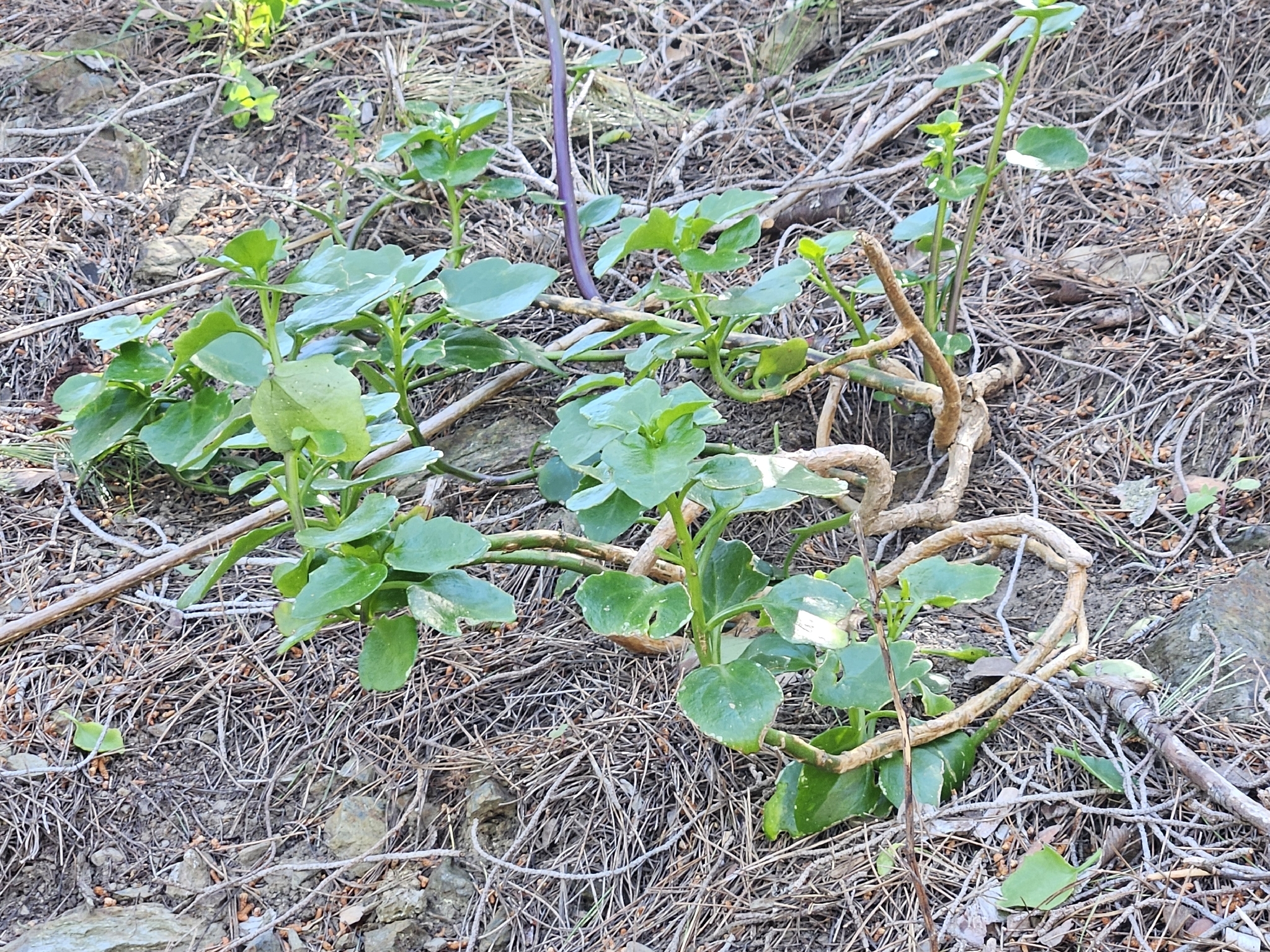
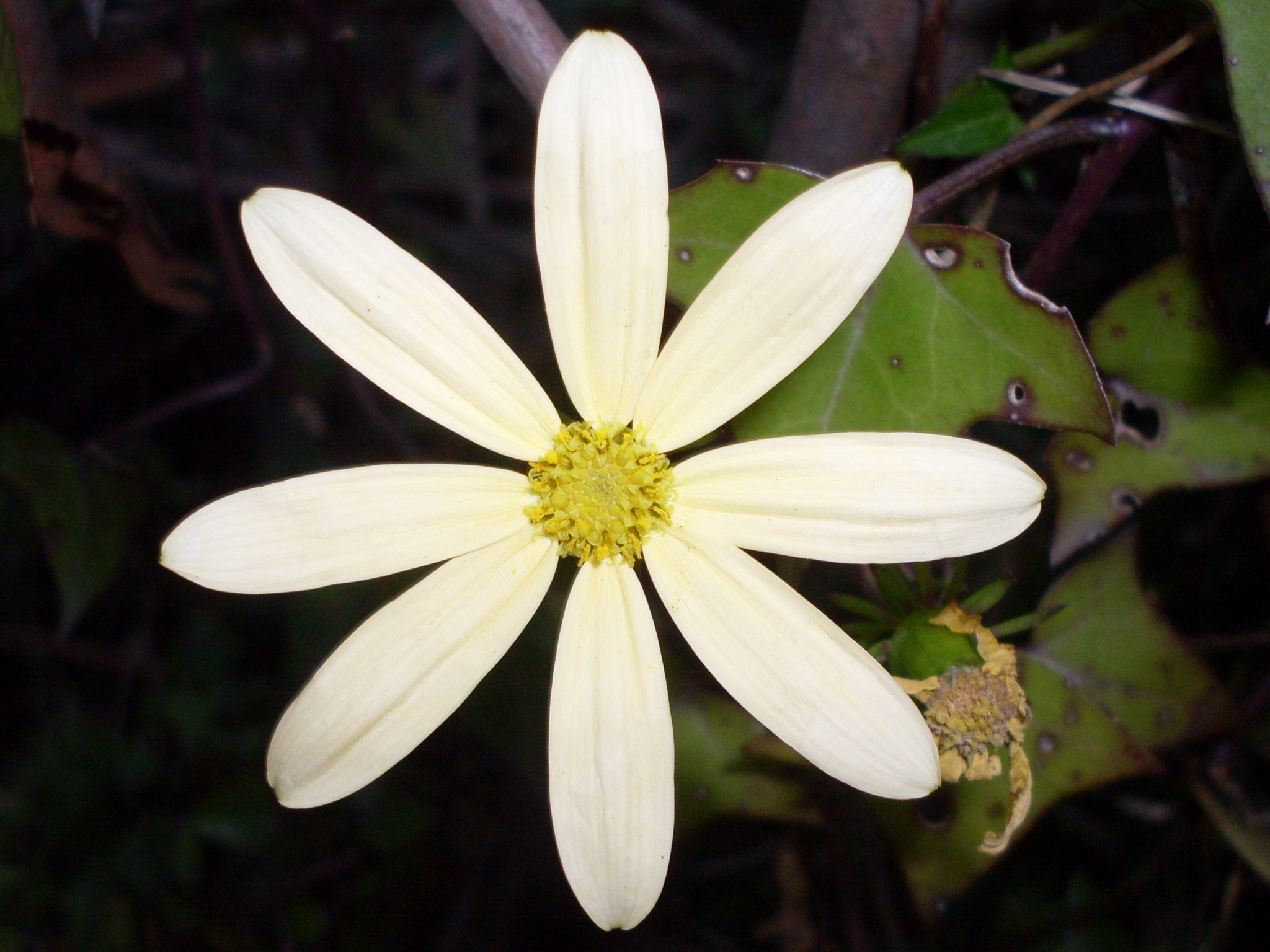
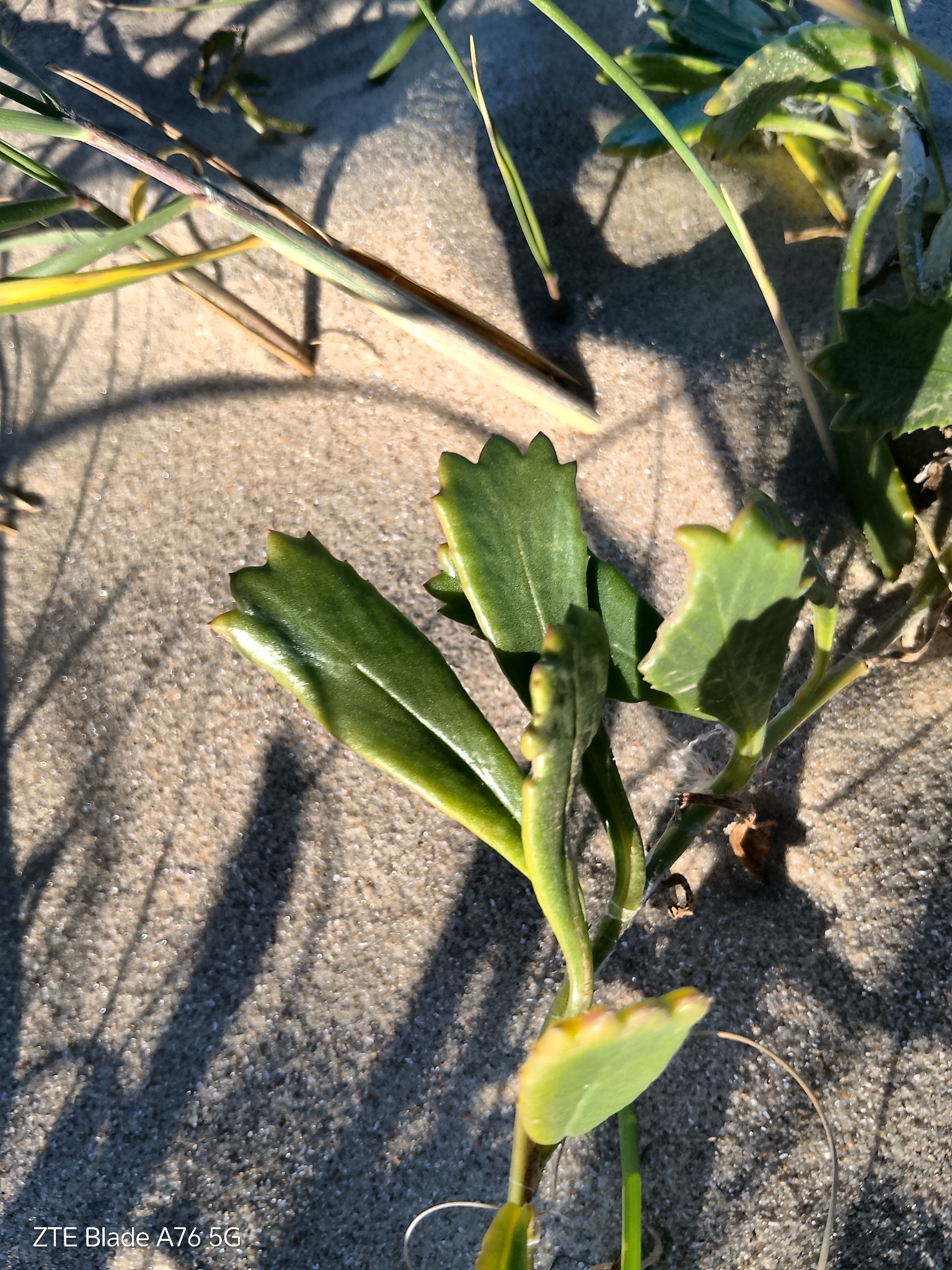
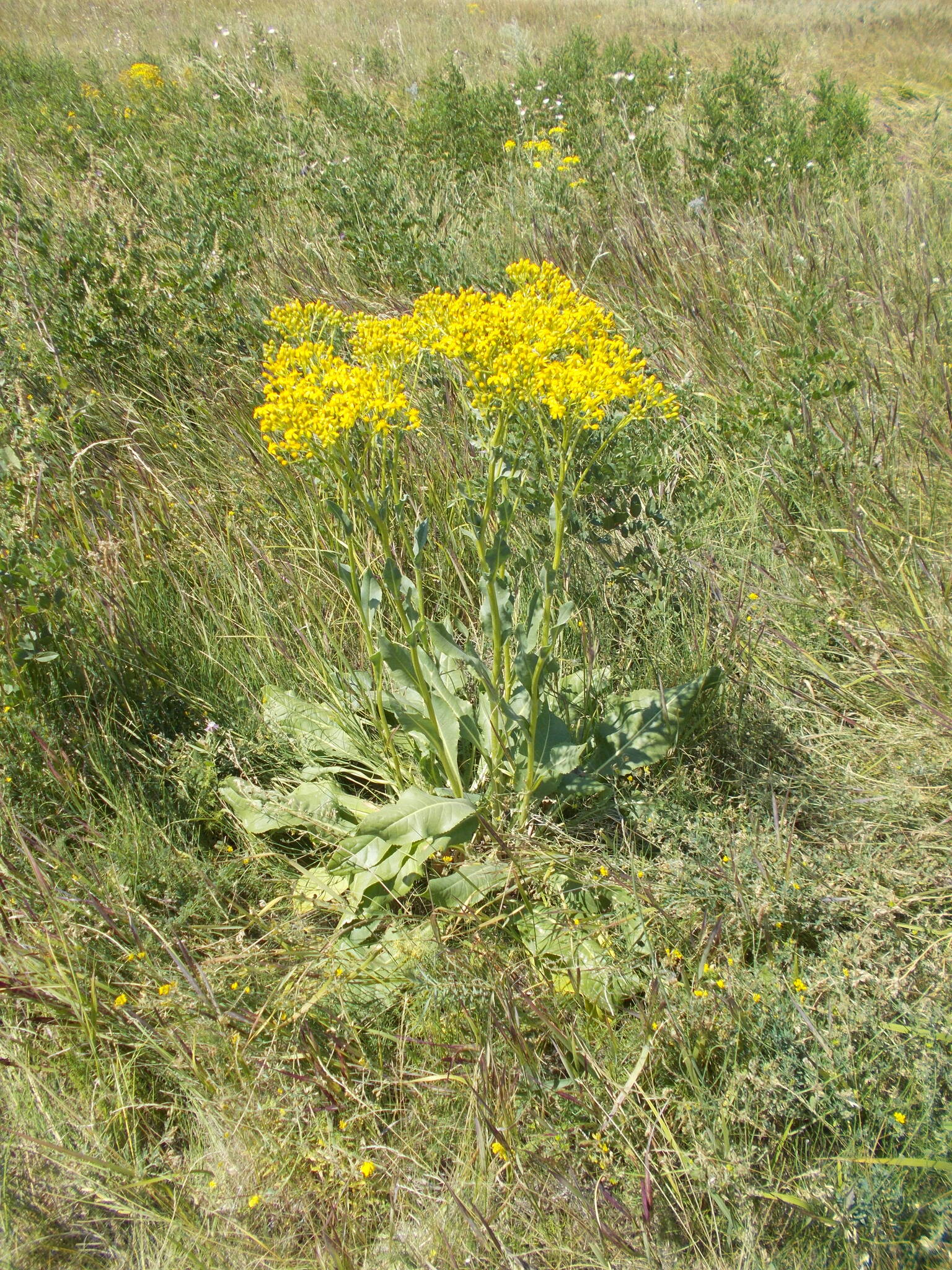
Senecio candidans is a distinctive perennial plant recognized for its striking silvery foliage and compact, mounding growth habit. This species belongs to the vast Asteraceae family, commonly known as the daisy or sunflower family, a group renowned for its diverse forms and widespread distribution. Senecio candidans is particularly valued in horticulture for its ornamental appeal, offering a unique textural and color contrast in garden settings and container plantings. Physically, Senecio candidans typically forms a dense, low-growing clump that can reach a height of approximately 20 to 30 centimeters and spread to a similar width. Its most prominent feature is its foliage. The leaves are generally spatulate to obovate in shape, with a soft, felt-like texture due to a dense covering of white, woolly hairs. This indumentum gives the plant its characteristic silvery-white appearance, which is highly effective in reflecting sunlight and reducing water loss. The stems are also often covered in this fine, white fuzz. During its flowering season, Senecio candidans produces small, daisy-like flower heads. These composite flowers typically have yellow ray florets and a central disc of yellow tubular florets, borne on slender stems that rise above the foliage. Following pollination, the plant produces small, achene-type fruits, each containing a single seed, often with a pappus of fine bristles that aids in wind dispersal. The native distribution of Senecio candidans is primarily confined to the Mediterranean region, particularly found in coastal areas and rocky slopes. It thrives in well-drained soils and prefers full sun exposure, which enhances the vibrancy of its silvery foliage. In cultivation, Senecio candidans is adaptable but requires conditions that mimic its natural habitat. It is drought-tolerant once established and performs best in well-draining soil mixes, such as those used for succulents or Mediterranean-climate plants. Overwatering can lead to root rot, making good drainage paramount for its success. It is often grown as an annual in cooler climates or as a perennial in regions with mild winters. While Senecio candidans is primarily cultivated for its ornamental value, its ecological role in its native habitat involves contributing to ground cover and providing a habitat for small invertebrates. There is no widespread documented use of Senecio candidans in medicinal, culinary, or significant economic applications. Its primary importance lies in its ability to add visual interest to landscapes, rock gardens, and containers, offering a cool, silvery accent that complements a wide range of other plants. Its woolly leaves are an adaptation to arid and sunny environments, helping to conserve moisture and protect the plant from intense solar radiation. This adaptation makes it a resilient choice for xeriscaping and low-water gardening.

Photograph © Santiago Imberti

Senecio Candidans Care Summary

At-a-glance light, water, soil, and growing conditions from plant data

Light

Full sun to partial shade

75% intensity

Prefers bright light; can tolerate some shade, but may become leggy.

Water

Allow to dry out between waterings

25% intensity

Overwatering leads to root rot.

Soil

Well-drained, sandy, or gritty

50% intensity

Temperature

Average to warm

50% intensity

Prefers temperatures between 18-24°C. Can tolerate cooler temperatures in winter if kept dry.

Fertilizer

Light feeding during growing season

25% intensity

Use diluted balanced liquid fertilizer from spring to summer.

Senecio Candidans Toxicity

Safety information from plant toxicity data

Toxicity details for Senecio Candidans
AttributeValue
EdibleNo

Senecio Candidans Quick Facts

Key traits and growing stats from plant data

Plant Type
Succulent
Plant Category
Ornamental
Plant Place Type
Garden, Pot
Lifespan
Perennial
Plant Height
0.2-0.3 m
Spread
0.4-0.6 m
Growth Rate
Moderate
Dormancy
Semi-dormant
Leaf Color
Silver, Grey
Leaf Type
Succulent
Flower Size
0.5-1 cm
Optimal Sunlight Lux
60000

Care guide for Senecio Candidans

Watering, pruning, propagation, and repotting details from plant data

Water

Allow the soil to dry out completely between waterings. Senecio candidans is drought-tolerant and prone to root rot if overwatered. Water thoroughly when the top 5-7 cm of soil feels dry.

Reduce watering significantly in winter.

Pruning

Prune Senecio candidans to maintain its shape and encourage bushier growth. Remove any dead, damaged, or leggy stems. Pinch back the tips of young shoots to promote branching.

Pruning can be done year-round as needed, but is most effective in spring.

Propagation

Easily propagated from stem cuttings. Take cuttings of 5-10 cm length, remove lower leaves, and allow the cut end to callus for a few days. Insert the cuttings into well-draining potting mix.

Rooting typically occurs within 3-4 weeks.

Repotting

Repot Senecio candidans every 2-3 years, or when it becomes root-bound. Choose a pot that is only slightly larger than the current one. Use a well-draining potting mix, such as a cactus or succulent blend.

Repot in spring before the active growing season begins.

Identify plants like this with ePlant

Snap a photo to get care tips and match similar species on the go.

Try for Free

Flowering & Fruiting Cycles

Monthly activity intensity for bloom and fruit across both hemispheres.

Northern hemisphere

Flowering & fruiting calendar

Peak bloom · JunPeak fruit · Aug
FloweringFruiting
02468JanFebMarAprMayJunJulAugSepOctNovDecActivity intensityMonths85
Southern hemisphere

Flowering & fruiting calendar

Peak bloom · NovPeak fruit · Jan
FloweringFruiting
02468JanFebMarAprMayJunJulAugSepOctNovDecActivity intensityMonths855

Senecio Candidans Names & Synonyms

Common names and botanical synonyms

Common Names

  • Angel Wings
  • Sea Cabbage

Synonyms

  • Brachypappus candicans (Vahl) Sch.Bip.
  • Cacalia candicans Vahl
  • Culcitium gayanum J.Rémy
  • Senecio culciremyi Cuatrec.

Senecio Candidans Taxonomy

Botanical classification

Taxonomic classification of Senecio Candidans
RankName
kingdomPlantae
divisionTracheophyta
classMagnoliopsida
orderAsterales
familyAsteraceae
genusSenecio
speciesSenecio candidans × smithii

Senecio Candidans FAQs

Answers based on plant encyclopedia data

How much sun does Senecio candidans need?

Senecio candidans prefers full sun to partial shade. In very hot climates, some afternoon shade can prevent leaf scorch.

What type of soil is best for Senecio candidans?

It requires well-draining soil. A sandy or gritty mix, such as a cactus or succulent potting mix, is ideal to prevent root rot.

How often should Senecio candidans be watered?

Water thoroughly when the soil has dried out completely. It is drought-tolerant and susceptible to overwatering.

Is Senecio candidans cold-hardy?

Senecio candidans is generally hardy to around -1.1 degrees Celsius (30 degrees Fahrenheit). In colder climates, it should be grown in containers and brought indoors for winter.

How do I propagate Senecio candidans?

It can be easily propagated from stem cuttings or offsets. Allow cuttings to callus for a few days before planting in well-draining soil.