Moroccan Toadflax (Linaria maroccana) is a charming, fast-growing annual herb with delicate, snapdragon-like flowers in a variety of colors.
Linaria maroccana, commonly known as Moroccan Toadflax, is a charming annual wildflower native to the Mediterranean region, particularly Morocco. This species is celebrated for its prolific blooming and delicate, colorful flowers, making it a popular choice for naturalized gardens and borders where it can create a vibrant tapestry of color. Its ephemeral nature, completing its life cycle within a single growing season, adds to its appeal as a fleeting yet beautiful addition to the landscape.
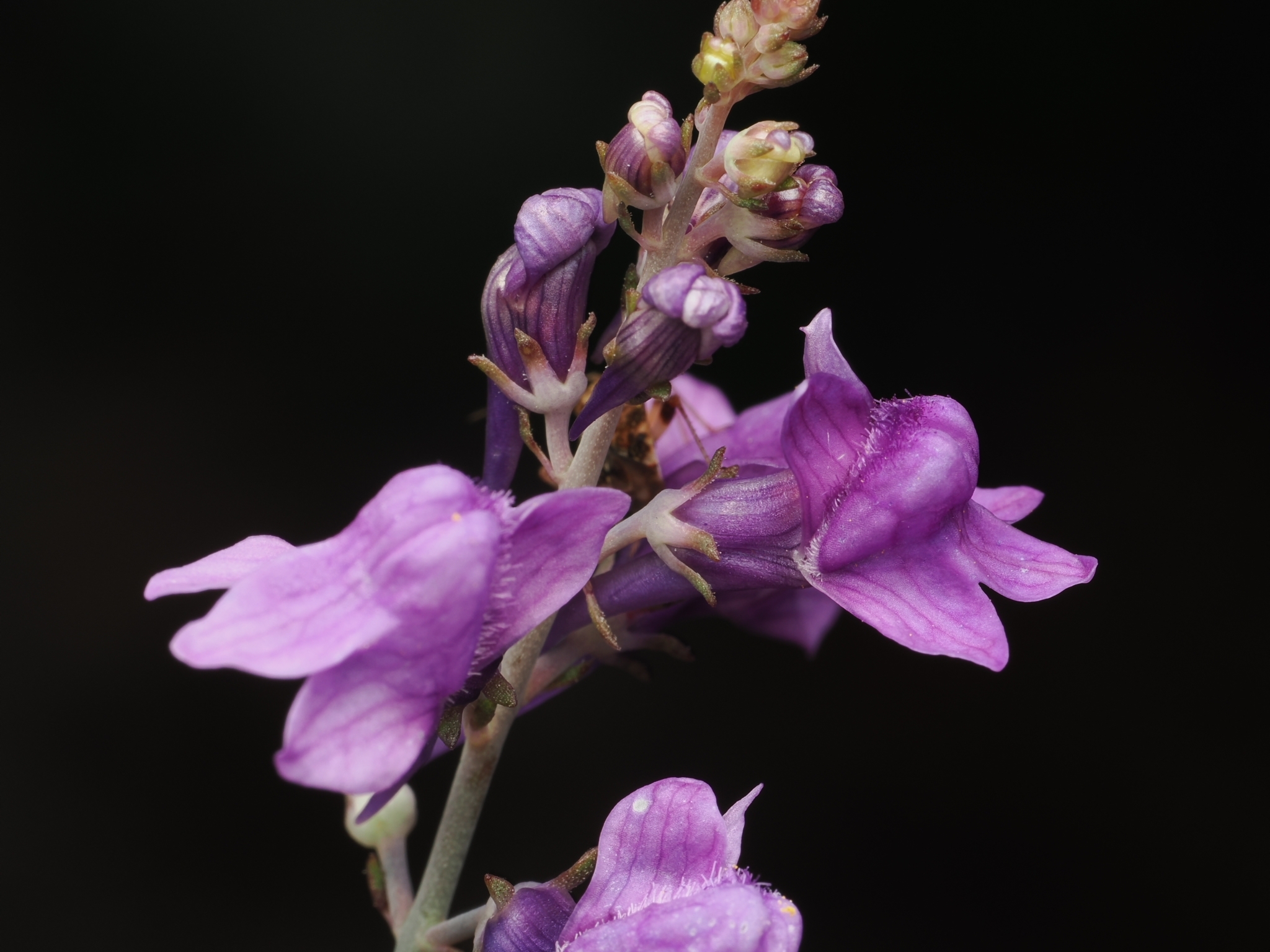
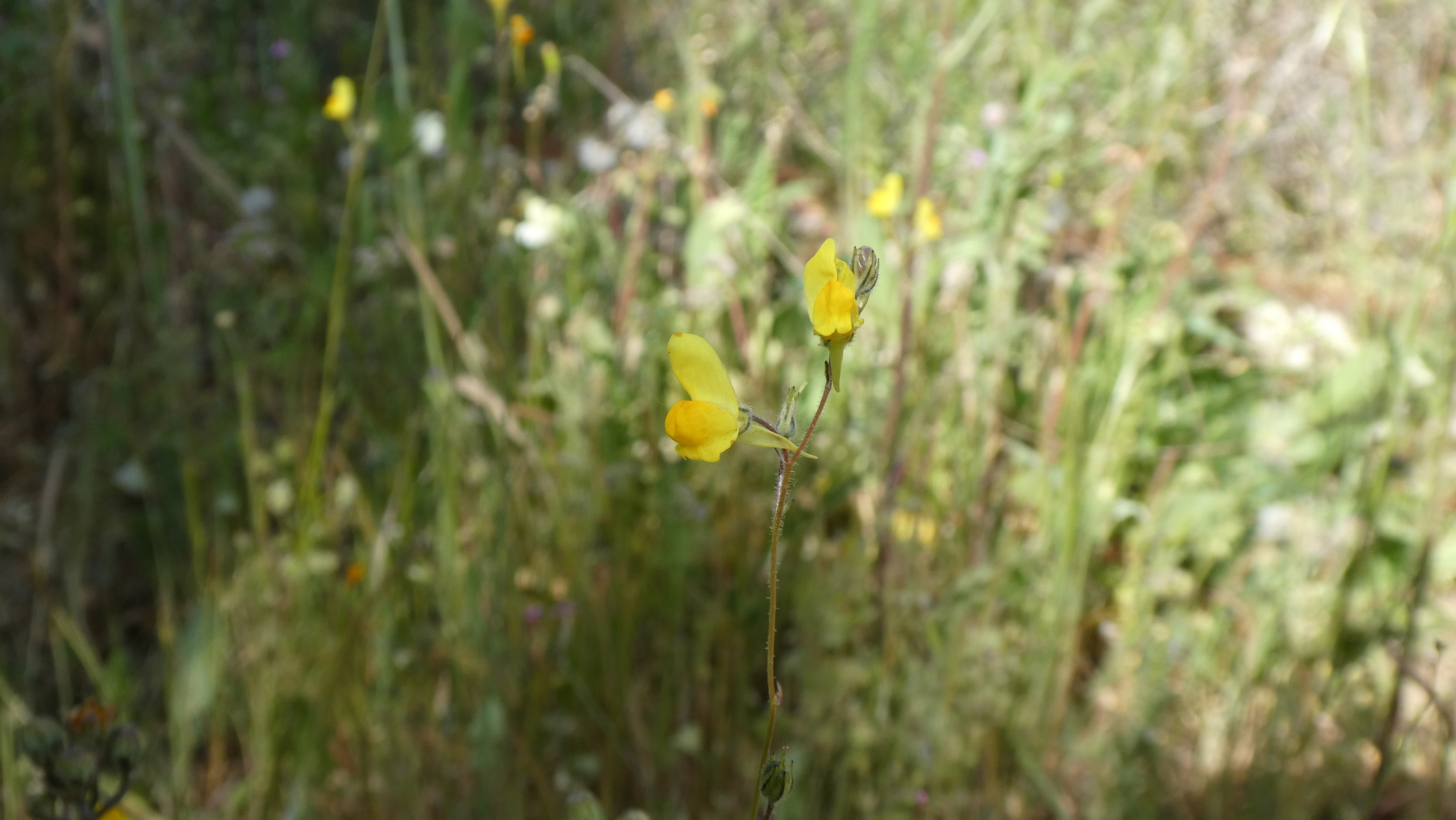
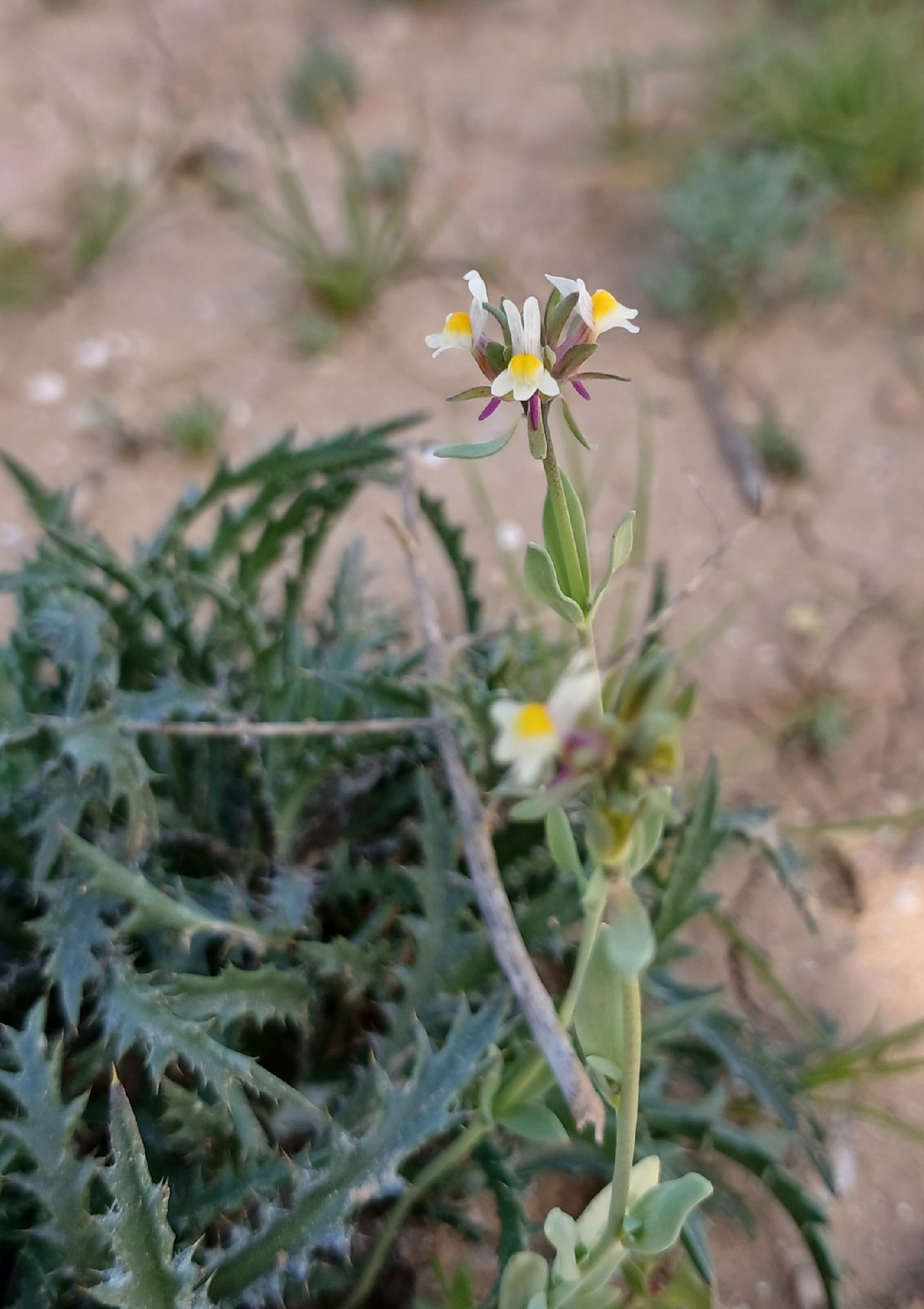
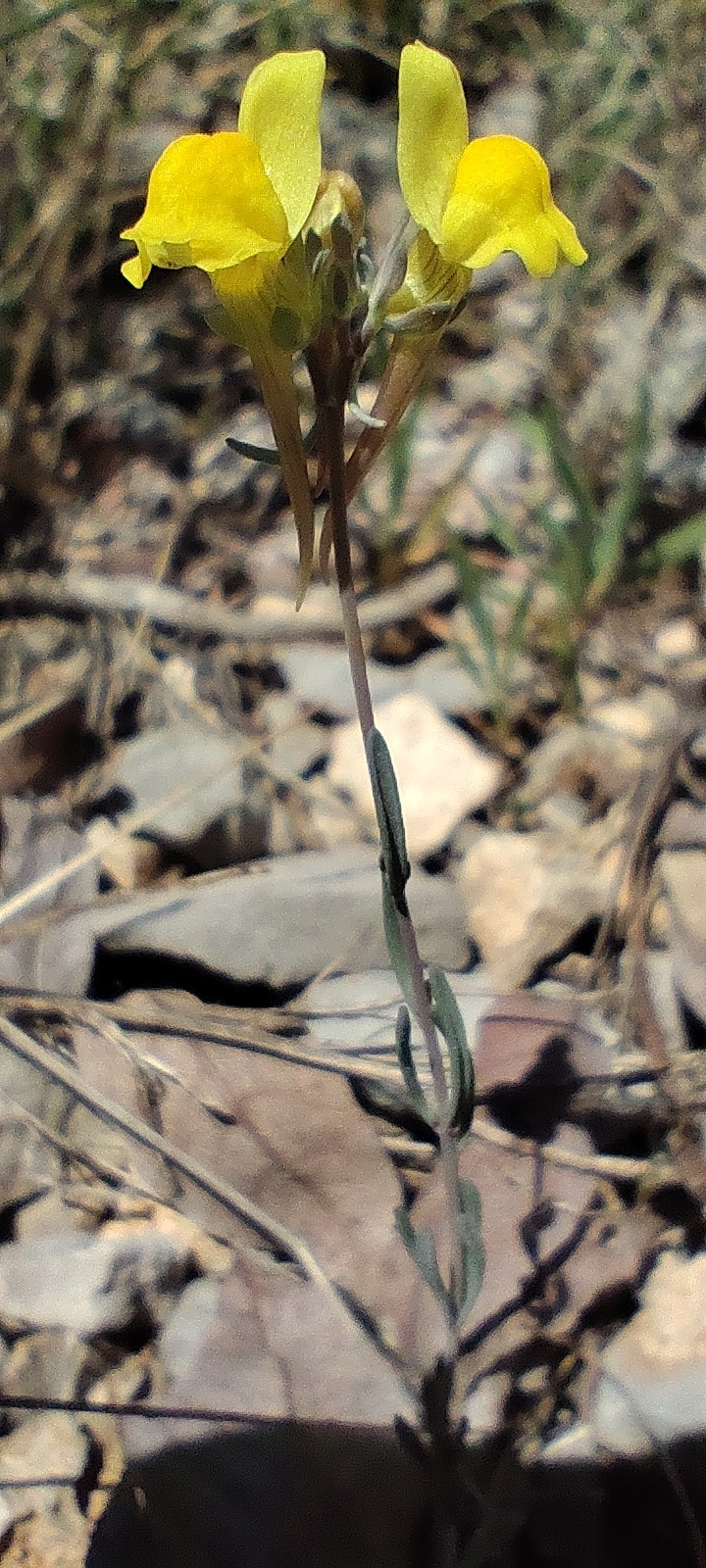
Physically, Linaria maroccana is a slender, erect to spreading annual that typically reaches heights of 15 to 45 centimeters. Its stems are often branched and somewhat wiry, supporting small, narrow, linear to lanceolate leaves that are arranged alternately along the stem. The leaves are typically a vibrant green and can be entire or slightly toothed. The true spectacle of Moroccan Toadflax lies in its flowers. These are zygomorphic, meaning they have a distinct bilateral symmetry, and resemble those of the snapdragon genus, to which it is related. The individual flowers are relatively small, measuring about 1 to 2 centimeters in length, and possess a prominent spur at the back. They are borne in loose racemes at the tips of the stems. The corolla is typically two-lipped, with the upper lip divided into two lobes and the lower lip into three. Flower colors are remarkably diverse, ranging from shades of purple, violet, pink, and white, often with contrasting yellow or white markings on the lower lip. Following flowering, small, ovoid to globose capsules develop, containing numerous tiny, ovoid seeds.
The native habitat of Linaria maroccana includes open, disturbed ground, sandy soils, and rocky slopes, often in coastal areas and arid or semi-arid Mediterranean environments. It thrives in full sun and prefers well-drained soils, tolerating a range of soil types from sandy to loamy. While it is adapted to dry conditions, regular watering will promote more vigorous growth and flowering in cultivation. Moroccan Toadflax is widely cultivated as an ornamental annual in temperate regions, often sown directly into the ground in spring or autumn. It is known for its ability to self-seed, naturalizing readily in suitable conditions and creating drifts of color year after year.
Beyond its ornamental value, Linaria maroccana has limited documented importance in other fields. Its primary significance lies in its aesthetic contribution to gardens and its role in supporting local ecosystems by providing nectar for pollinators. There is no widespread agricultural, medicinal, or culinary use scientifically established for this species.
An interesting characteristic of Linaria maroccana is its adaptation to its native arid environment, where its rapid growth and seed production allow it to capitalize on brief periods of moisture. The spur on its flower is a key feature, serving as a nectar guide and a physical structure that often necessitates pollination by specific insects, such as bees, that can access the nectar reward. The prolific seeding habit ensures the continuation of the species in its often challenging natural habitat.
Prefers at least 6 hours of direct sunlight daily for best flowering.
Watering
Moderate
Allow soil to dry slightly between waterings. Avoid waterlogging.
Soil
Well-drained
Temperature
Moderate
Thrives in temperatures between 18-24°C. Can tolerate cooler nights.
Fertilizer
Low
Requires minimal feeding; a light balanced fertilizer in spring is sufficient.
Plant Overview
Plant Type
Herb
Plant Place Type
Garden, Pot
Lifespan
Annual
Plant Height
0.1-0.3 m
Spread
0.1-0.2 m
Growth Rate
Fast
Dormancy
None
Leaf Color
Green
Leaf Type
Linear
Flower Size
2-3 cm
Optimal Sunlight Lux
60000
Image Gallery
Flowering & Fruiting Cycles
Monthly activity intensity for bloom and fruit across both hemispheres.
Northern hemisphere
Flowering & fruiting calendar
Peak bloom · JunPeak fruit · Jul
FloweringFruiting
Southern hemisphere
Flowering & fruiting calendar
Peak bloom · DecPeak fruit · Dec
FloweringFruiting
Taxonomy
kingdomPlantae
divisionTracheophyta
classMagnoliopsida
orderLamiales
familyPlantaginaceae
genusLinaria
speciesLinaria maroccana
Toxicity
Toxic for humans
No
Rating: 0/5
Toxic for pets
No
Rating: 0/5
Edible
No
Non-toxic
Additional Care Tips
Water regularly, especially during dry spells, but allow the soil to dry out slightly between waterings. Moroccan Toadflax prefers consistently moist soil but dislikes waterlogged conditions. Reduce watering in cooler months to prevent root rot. Ensure good drainage to avoid issues.
Deadheading spent flowers regularly encourages more blooms throughout the season and maintains a tidier appearance. Light pruning can be done after flowering to shape the plant and prevent it from becoming straggly. Remove any yellowing or damaged foliage promptly.
Moroccan Toadflax is easily grown from seed, sown directly outdoors in spring after the last frost, or started indoors 4-6 weeks prior. Seeds germinate quickly. Cuttings can also be taken from established plants in late spring or early summer.
As Moroccan Toadflax is often grown as an annual or short-lived perennial, repotting is usually not a primary concern unless starting seeds indoors or overwintering. If repotting is necessary, use a well-draining potting mix and a pot only slightly larger than the current one.
FAQs
What are the light and soil requirements for Linaria maroccana?
Moroccan Toadflax thrives in full sun to partial shade and prefers well-drained soil. It can tolerate a range of soil types but performs best in sandy or loamy conditions.
How often should I water Moroccan Toadflax?
Water regularly, especially during dry periods. Allow the soil to dry slightly between waterings. Once established, it is somewhat drought-tolerant.
When is the best time to sow seeds for Linaria maroccana?
Seeds can be sown directly outdoors in early spring after the last frost, or in the fall in milder climates. You can also start seeds indoors 4-6 weeks before the last expected frost.
Does Linaria maroccana reseed itself?
Yes, Moroccan Toadflax is known to reseed itself readily in suitable conditions, leading to a continuous display of flowers year after year.
What is the typical height and spread of Moroccan Toadflax?
Linaria maroccana typically grows to a height of 15-30 cm (6-12 inches) with a similar spread, forming a low, bushy plant.