Water
Water Aspasia psittacina thoroughly when the potting medium is nearly dry. Ensure good drainage to prevent waterlogging, as this orchid is sensitive to root rot.
Reduce watering slightly during the cooler, drier rest period.
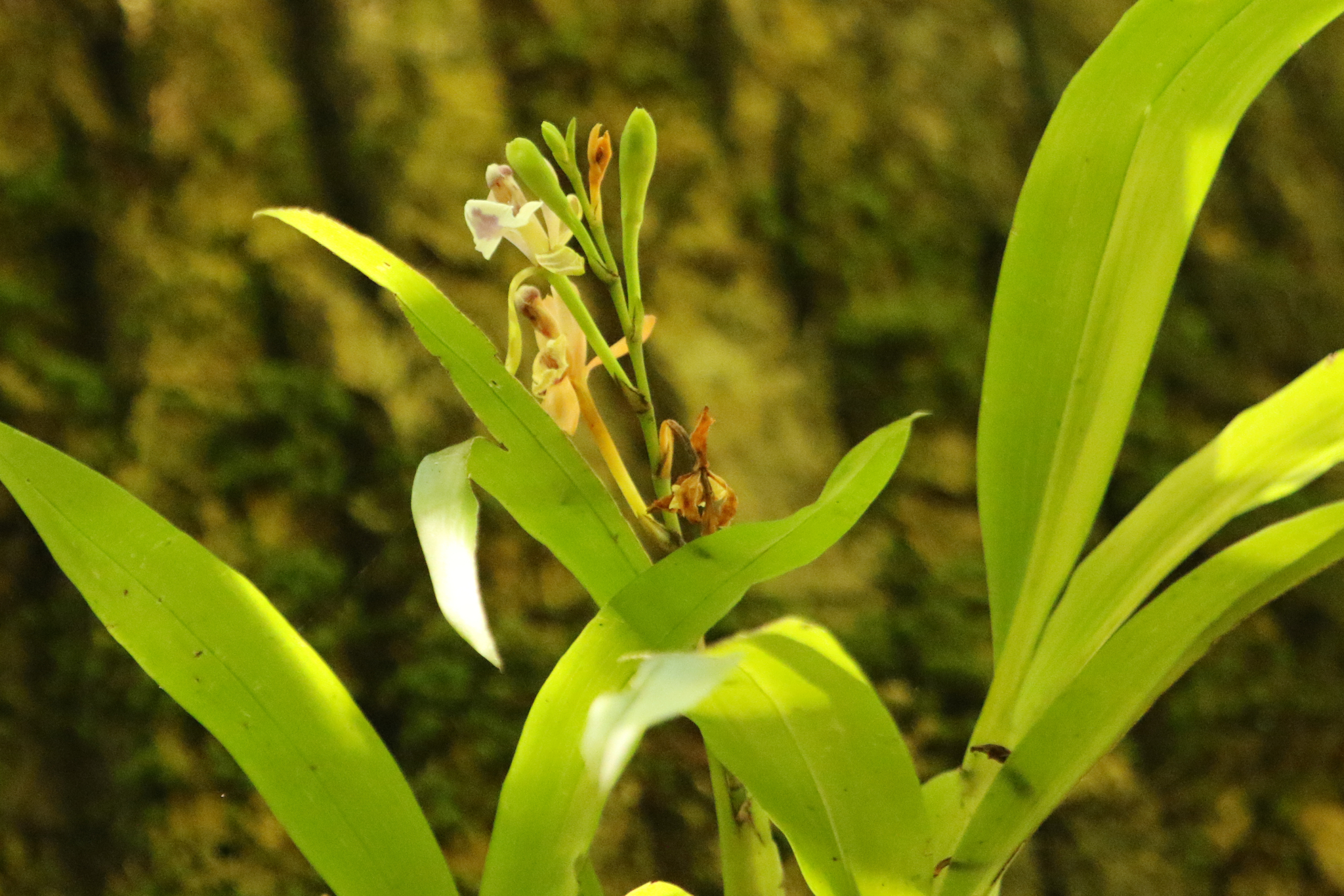
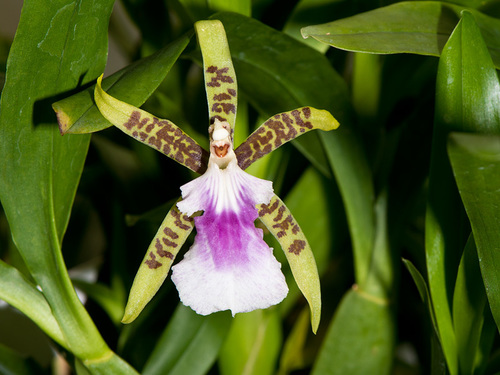
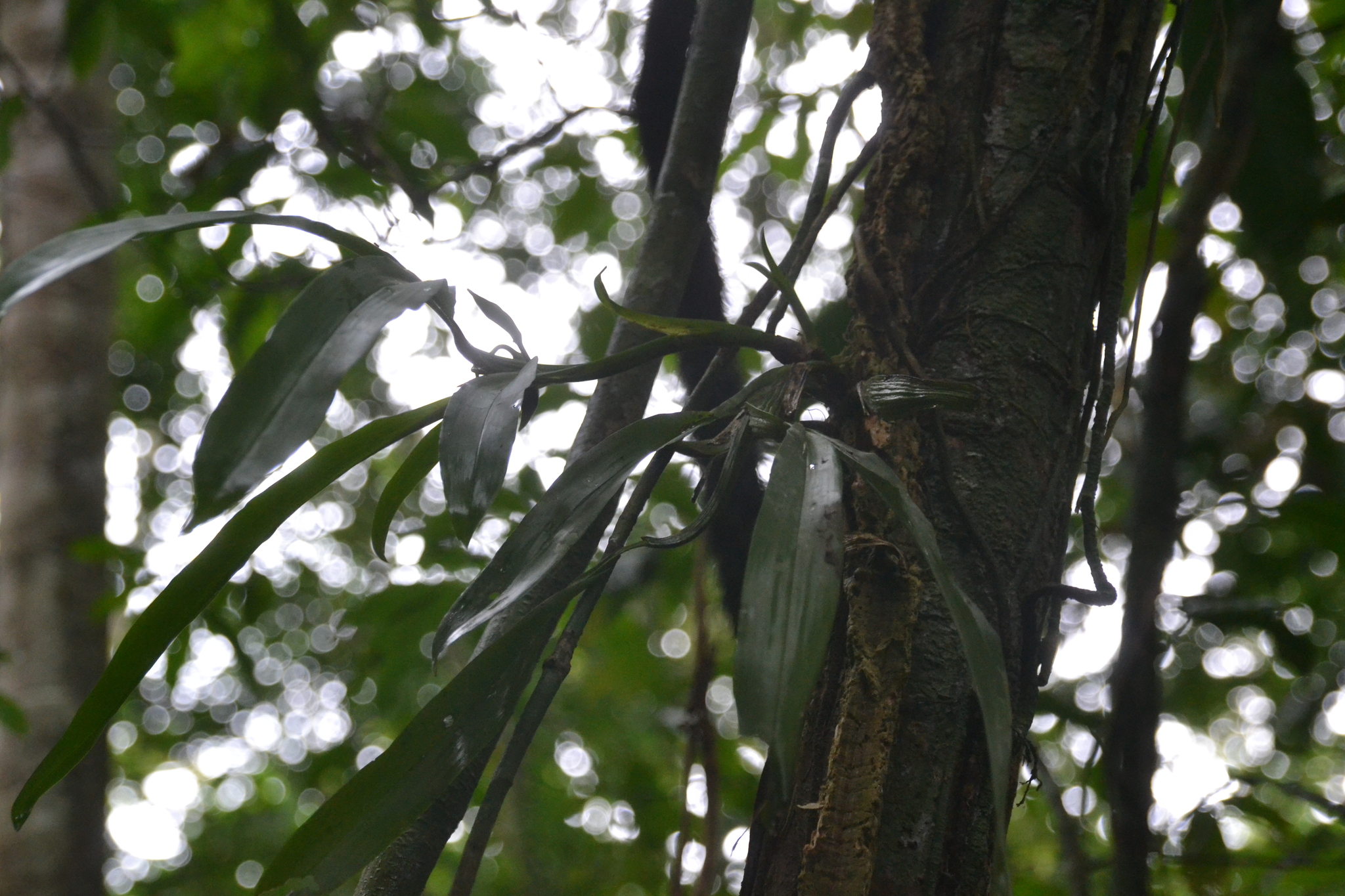
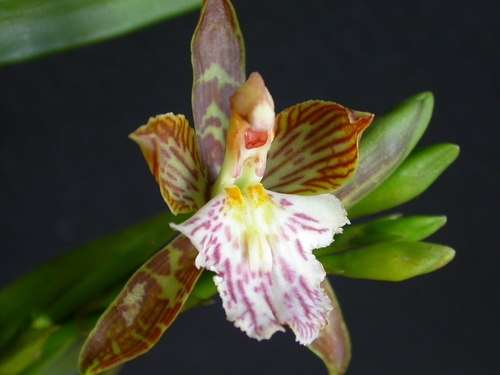
Aspasia psittacina is a captivating orchid species known for its vibrant flowers, often resembling a parrot's beak. It thrives in humid, tropical environments.
At-a-glance light, water, soil, and growing conditions from plant data
Bright, indirect light.
75% intensity
Avoid direct sunlight, which can scorch the leaves. A light intensity similar to what Phalaenopsis orchids prefer is ideal.
Keep consistently moist but not waterlogged.
75% intensity
Allow the potting medium to dry slightly between waterings. Reduce watering during dormancy.
Orchid bark mix
50% intensity
Intermediate.
50% intensity
Daytime temperatures between 21-27°C and nighttime temperatures of 15-18°C are optimal. A slight temperature drop at night encourages blooming.
Indoor
50% intensity
Feed during growth periods.
50% intensity
Use a balanced orchid fertilizer diluted to half strength every 2-4 weeks. Reduce or stop during winter rest.
Safety information from plant toxicity data
| Attribute | Value |
|---|---|
| Toxic for humans | No 0/5 intensity |
| Toxic for pets | No 0/5 intensity |
| Edible | No |
Key traits and growing stats from plant data
Watering, pruning, propagation, and repotting details from plant data
Water Aspasia psittacina thoroughly when the potting medium is nearly dry. Ensure good drainage to prevent waterlogging, as this orchid is sensitive to root rot.
Reduce watering slightly during the cooler, drier rest period.
Pruning Aspasia psittacina is primarily to remove spent flower spikes or any yellowing or damaged leaves. Trim back old, dead pseudobulbs to maintain plant health and aesthetic appeal, but avoid over-pruning live parts.
Aspasia psittacina is typically propagated by division. Separate overgrown clumps with at least three healthy pseudobulbs and a healthy root system.
Plant the divisions in a suitable orchid mix and maintain high humidity until established.
Repot Aspasia psittacina every two to three years or when the potting medium begins to break down. Use a well-draining orchid mix, such as bark or sphagnum moss.
Repot after flowering, ensuring roots are not overly disturbed.
Identify plants like this with ePlant AI
Snap a photo to get care tips and match similar species on the go.
Monthly activity intensity for bloom and fruit across both hemispheres.
Flowering & fruiting calendar
Flowering & fruiting calendar
Botanical classification
| Rank | Name |
|---|---|
| Kingdom | Plantae |
| Division | Tracheophyta |
| Class | Liliopsida |
| Order | Asparagales |
| Family | Orchidaceae |
| Genus | Aspasia |
| Species | Aspasia psittacina |
Similar in genus Aspasia
Answers based on plant encyclopedia data