Water
Water sparingly during the active growing season (spring to autumn) when the soil feels dry to the touch. Reduce watering significantly during dormancy in summer and winter.
Avoid waterlogging, which can lead to bulb rot.
Also known as Autumn Crocus · Portuguese Colchicum
Safety note: This plant may be toxic to humans and pets. See toxicity details.
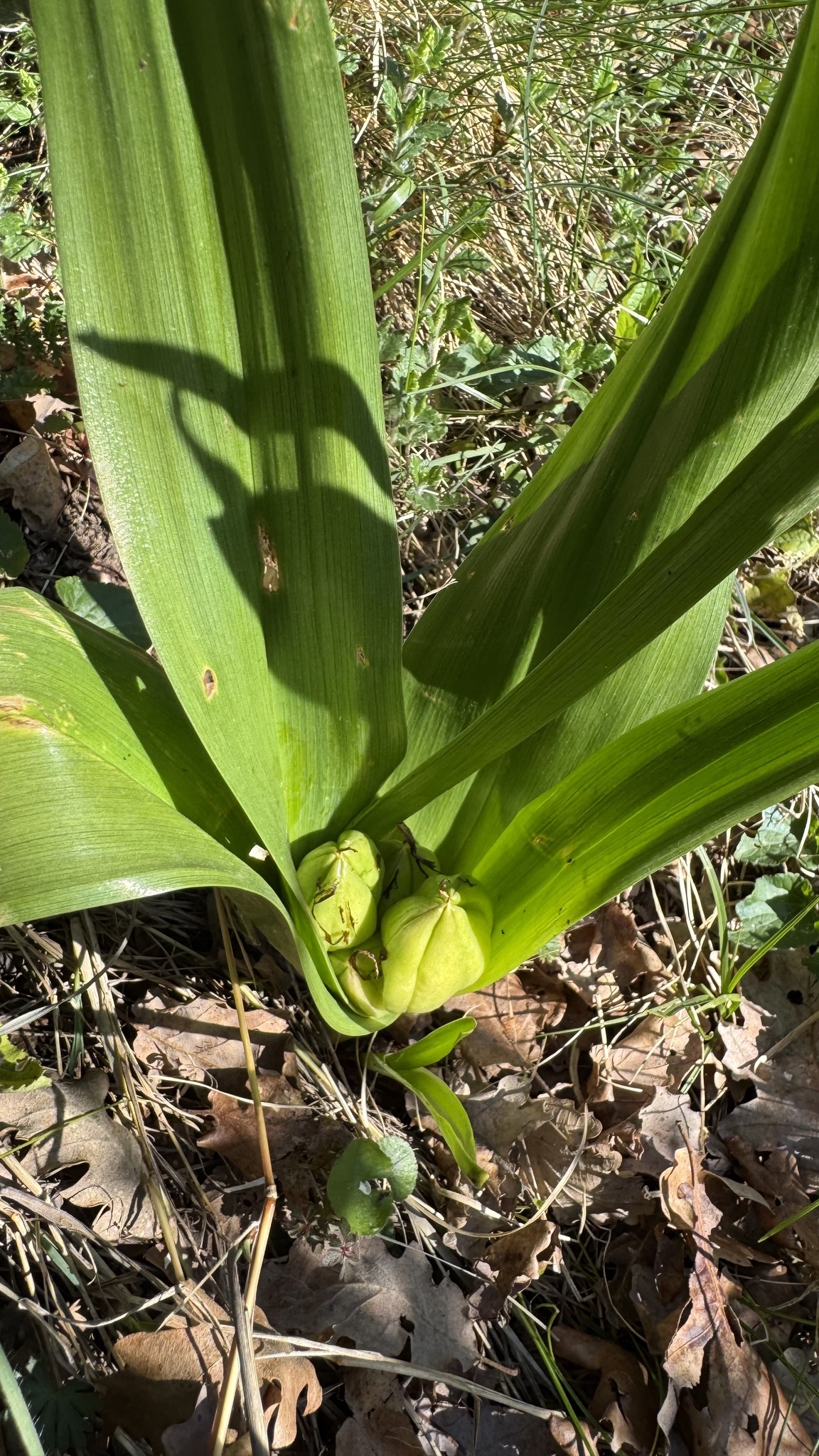
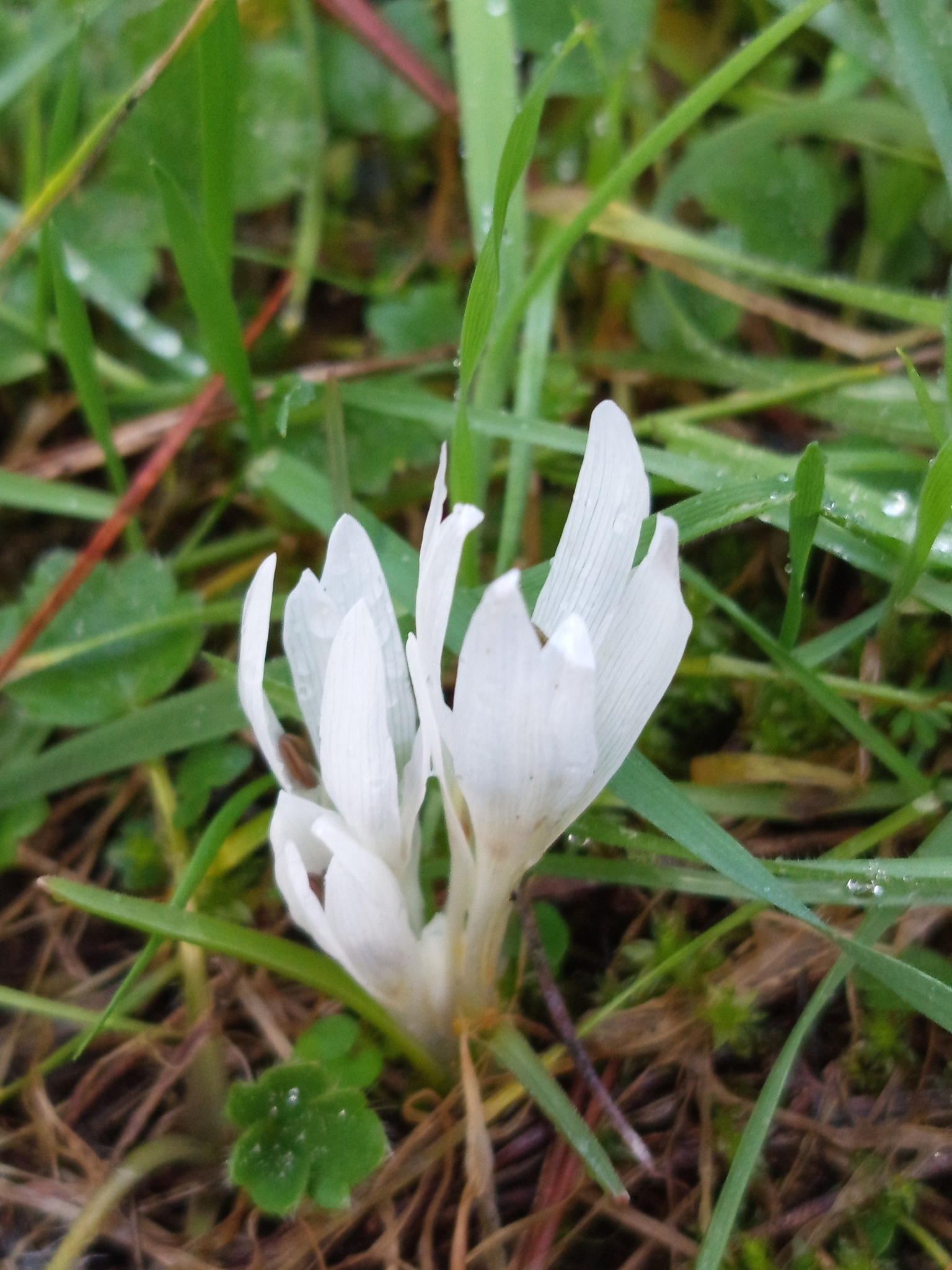
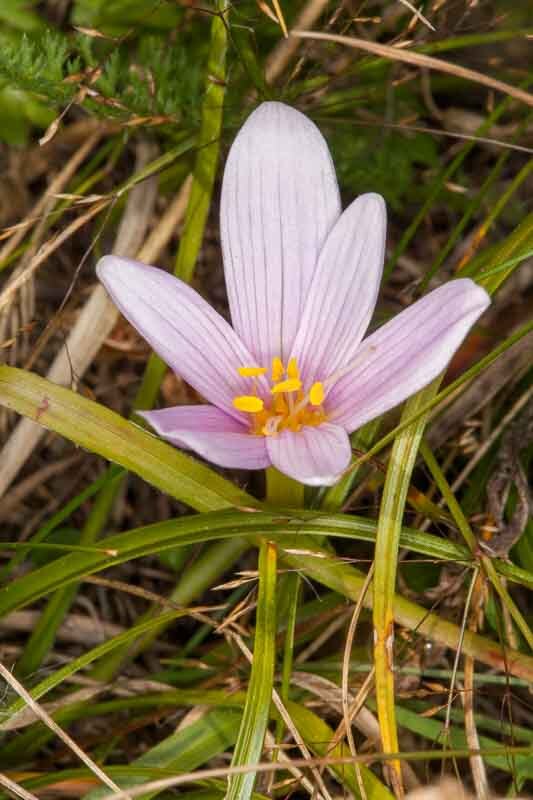
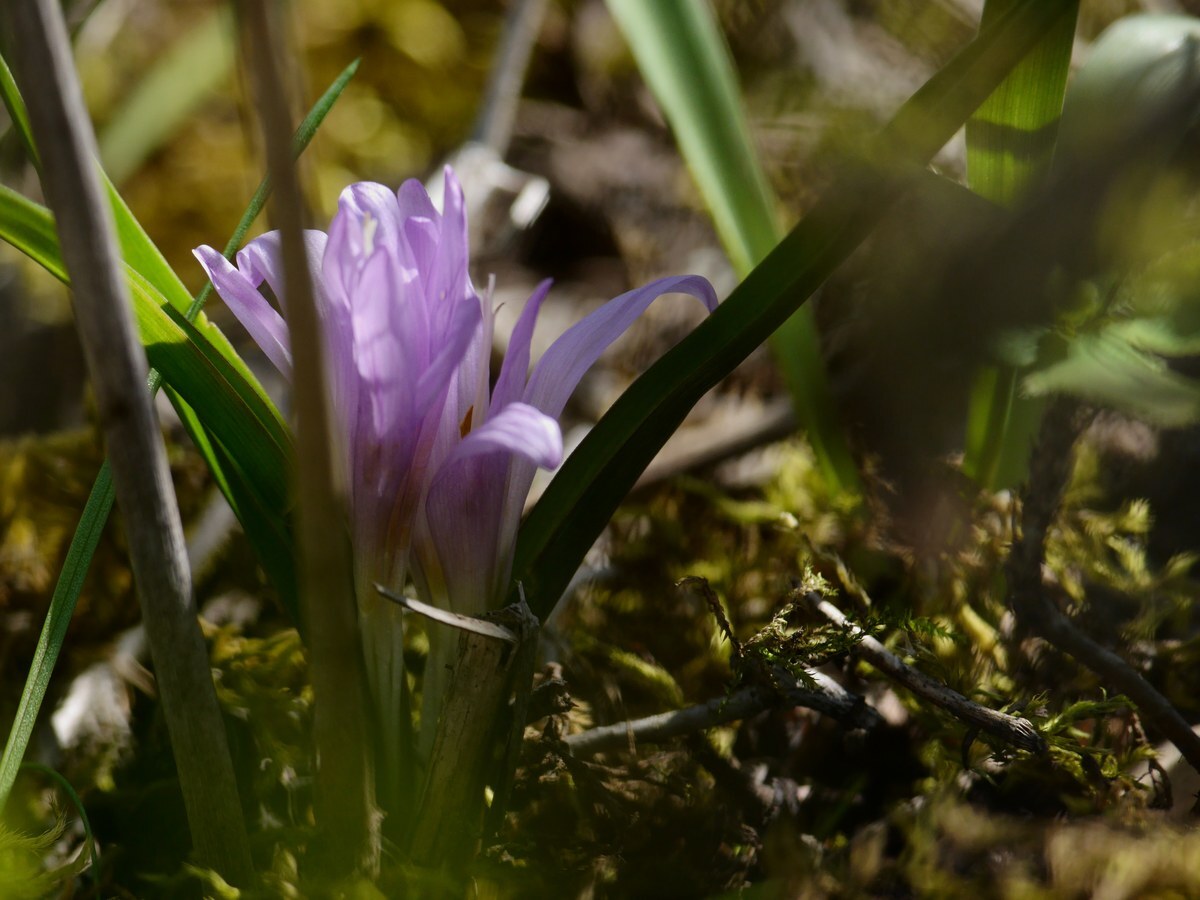
Colchicum lusitanum, a species of autumn-blooming crocus, features delicate, goblet-shaped flowers emerging directly from the ground in shades of lilac or pink.
At-a-glance light, water, soil, and growing conditions from plant data
Full Sun to Partial Shade
75% intensity
Prefers locations receiving at least six hours of direct sunlight daily, but can tolerate some light shade, especially in hot climates.
Infrequent
25% intensity
Water when the soil is dry to the touch during the growing season. Reduce significantly during dormancy.
Well-drained, sandy loam
50% intensity
Moderate
50% intensity
Prefers cool to moderate temperatures during the growing season. Requires a cold dormant period for proper flowering.
Low
25% intensity
Feed lightly in spring with a balanced fertilizer. Avoid fertilizing during dormancy.
Safety information from plant toxicity data
| Attribute | Value |
|---|---|
| Toxic for humans | Yes 5/5 intensity |
| Toxic for pets | Yes 5/5 intensity |
| Edible | No |
All parts are toxic, especially the corms.
Key traits and growing stats from plant data
Watering, pruning, propagation, and repotting details from plant data
Water sparingly during the active growing season (spring to autumn) when the soil feels dry to the touch. Reduce watering significantly during dormancy in summer and winter.
Avoid waterlogging, which can lead to bulb rot.
No significant pruning is usually required. Remove spent flower stalks after blooming to maintain a tidy appearance and prevent seed formation if unwanted. Allow foliage to die back naturally after flowering.
Propagated by separating offsets (corms) during the dormant period. Corms can be carefully divided and replanted in well-draining soil. Allow them to establish before watering.
Repot every 2-3 years, preferably during dormancy in summer. Use a well-draining potting mix. Ensure the corms are planted at the correct depth, typically with the tip just below the surface.
Identify plants like this with ePlant AI
Snap a photo to get care tips and match similar species on the go.
Monthly activity intensity for bloom and fruit across both hemispheres.
Flowering & fruiting calendar
Flowering & fruiting calendar
Photos of Colchicum Lusitanum (Colchicum lusitanum)
Where Colchicum Lusitanum (Colchicum lusitanum) is found

Density
Tap map to explore
Common names and botanical synonyms
Botanical classification
| Rank | Name |
|---|---|
| Kingdom | Plantae |
| Division | Tracheophyta |
| Class | Liliopsida |
| Order | Liliales |
| Family | Colchicaceae |
| Genus | Colchicum |
| Species | Colchicum lusitanum |
Similar in genus Colchicum
Answers based on plant encyclopedia data