Water
Avocado plants prefer consistent moisture but abhor waterlogged soil. Water deeply when the top 2-5 cm of soil feels dry. Reduce watering in cooler months.
Ensure good drainage to prevent root rot, a common issue for this species.
Also known as Abokato · Aguacate (español) · Alligator Pear
Safety note: This plant may be toxic to pets. See toxicity details.
Avocado (Persea americana) is a large berry fruit with a single seed, native to south-central Mexico. Known for its creamy texture and rich flavor.
At-a-glance light, water, soil, and growing conditions from plant data
Full sun
100% intensity
Prefers at least 6-8 hours of direct sunlight daily.
Consistent but well-drained
50% intensity
Allow topsoil to dry slightly between waterings.
Well-drained, sandy loam, or clay loam with a pH of 6.0-6.5
50% intensity
Warm
75% intensity
Ideal temperatures range from 15-30°C. Protect from frost.
Moderate
50% intensity
Feed during growing season with balanced or citrus-specific fertilizer.
Safety information from plant toxicity data
| Attribute | Value |
|---|---|
| Toxic for humans | No 0/5 intensity |
| Toxic for pets | Yes 5/5 intensity |
| Edible | Yes |
Persin is toxic to many animals, including birds, cats, dogs, and horses. The pit and skin are considered the most toxic parts, but the leaves and fruit flesh also contain persin.
Key traits and growing stats from plant data
Watering, pruning, propagation, and repotting details from plant data
Avocado plants prefer consistent moisture but abhor waterlogged soil. Water deeply when the top 2-5 cm of soil feels dry. Reduce watering in cooler months.
Ensure good drainage to prevent root rot, a common issue for this species.
Prune avocado trees to shape them, encourage fruit production, and remove dead or damaged branches. Tip-pruning young trees promotes bushier growth.
For mature trees, prune in late winter or early spring before new growth begins to optimize yields.
Avocado propagation is typically done through grafting for desirable cultivars. Growing from seed is possible but results in trees that may not produce true-to-type fruit and take many years to mature.
Air layering is another method.
Repot young avocado plants every 1-2 years, or when they become root-bound. Use a well-draining potting mix. Choose a pot that is only slightly larger than the current one. Repotting is best done in spring.
Identify plants like this with ePlant AI
Snap a photo to get care tips and match similar species on the go.
Monthly activity intensity for bloom and fruit across both hemispheres.
Flowering & fruiting calendar
Flowering & fruiting calendar
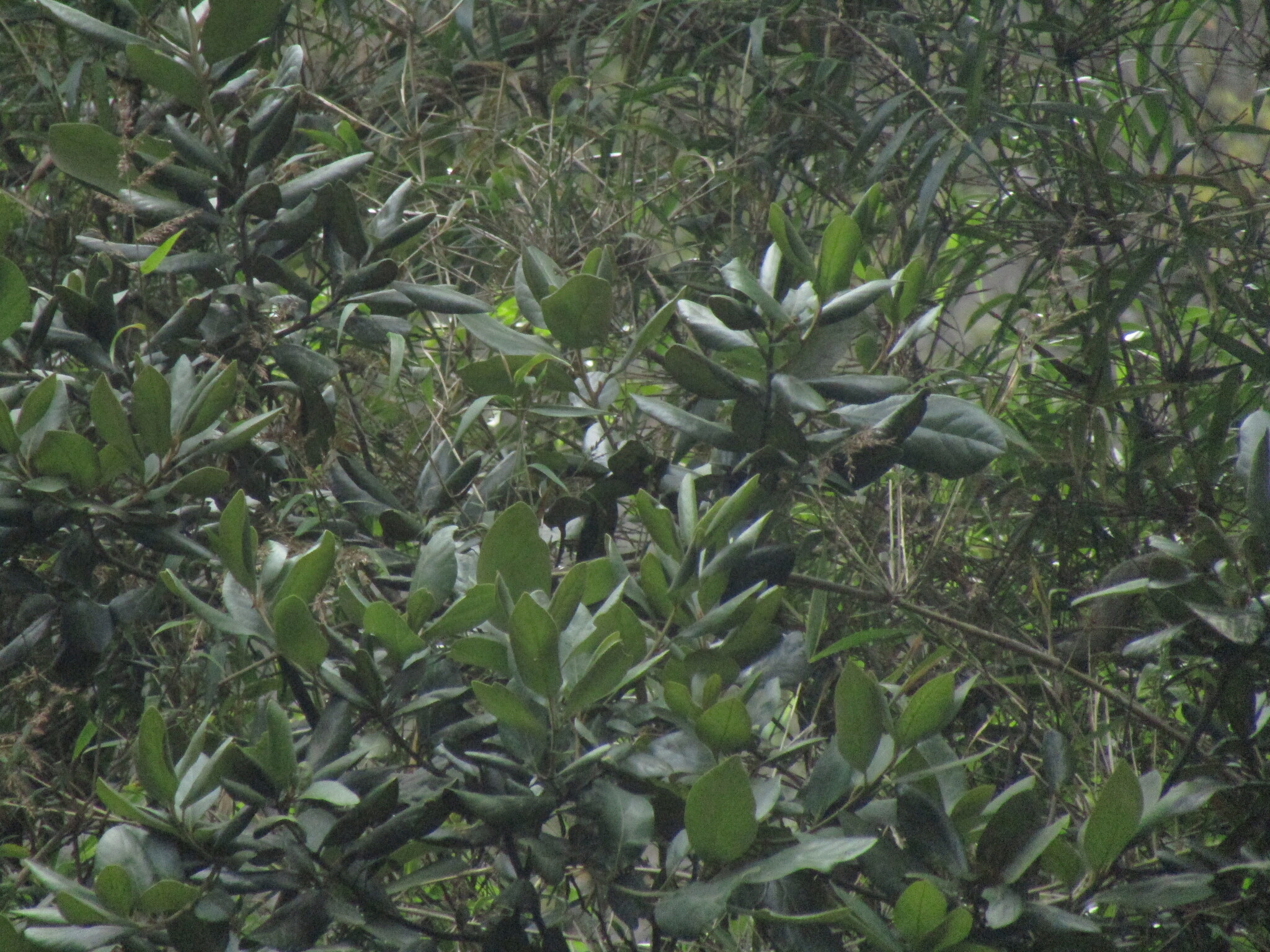
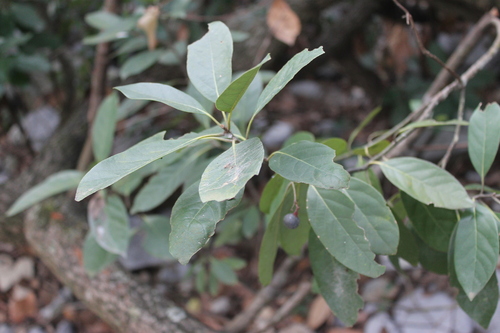
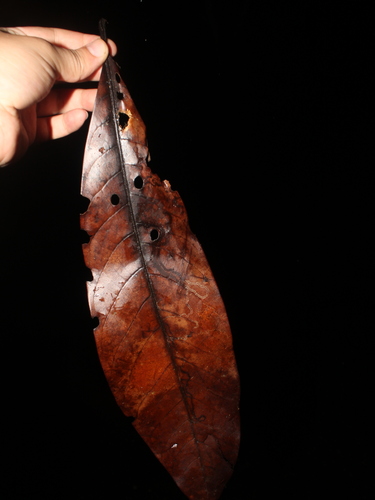
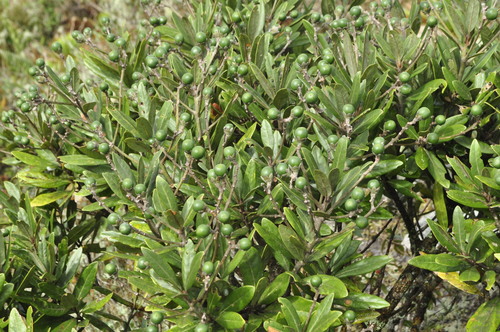
Photos of Avocado (Persea americana)
Where Avocado (Persea americana) is found

Density
Tap map to explore
10 known issues from plant disease data

Phytophthora Root Rot in Avocado causes small pale leaves, drooping with brown tips, sparse canopy, branch dieback, and many undersized fruit.

Phytophthora Trunk Canker and Crown Rot in Avocado causes dark bark with reddish resin, canopy thinning, and sudden browning in advanced cases.

Anthracnose on Avocado causes slightly sunken brown to black fruit spots that enlarge quickly, crack, and rot deeply into the flesh.

Laurel Wilt on Avocado causes green leaves to wilt, then turn brown and stay attached, with rapid limb dieback and dark streaking under bark.

Avocado Scab on Avocado causes small brown to purplish fruit spots that become rough and sunken, while leaves show star-like spots and shot holes.

Cercospora Spot on Avocado causes tiny angular brown to purple leaf spots with yellow halos and brown fruit lesions that crack as they enlarge.
Common names and botanical synonyms
Botanical classification
| Rank | Name |
|---|---|
| Kingdom | Plantae |
| Division | Tracheophyta |
| Class | Magnoliopsida |
| Order | Laurales |
| Family | Lauraceae |
| Genus | Persea |
| Species | Persea americana |
Similar in genus Persea
Answers based on plant encyclopedia data