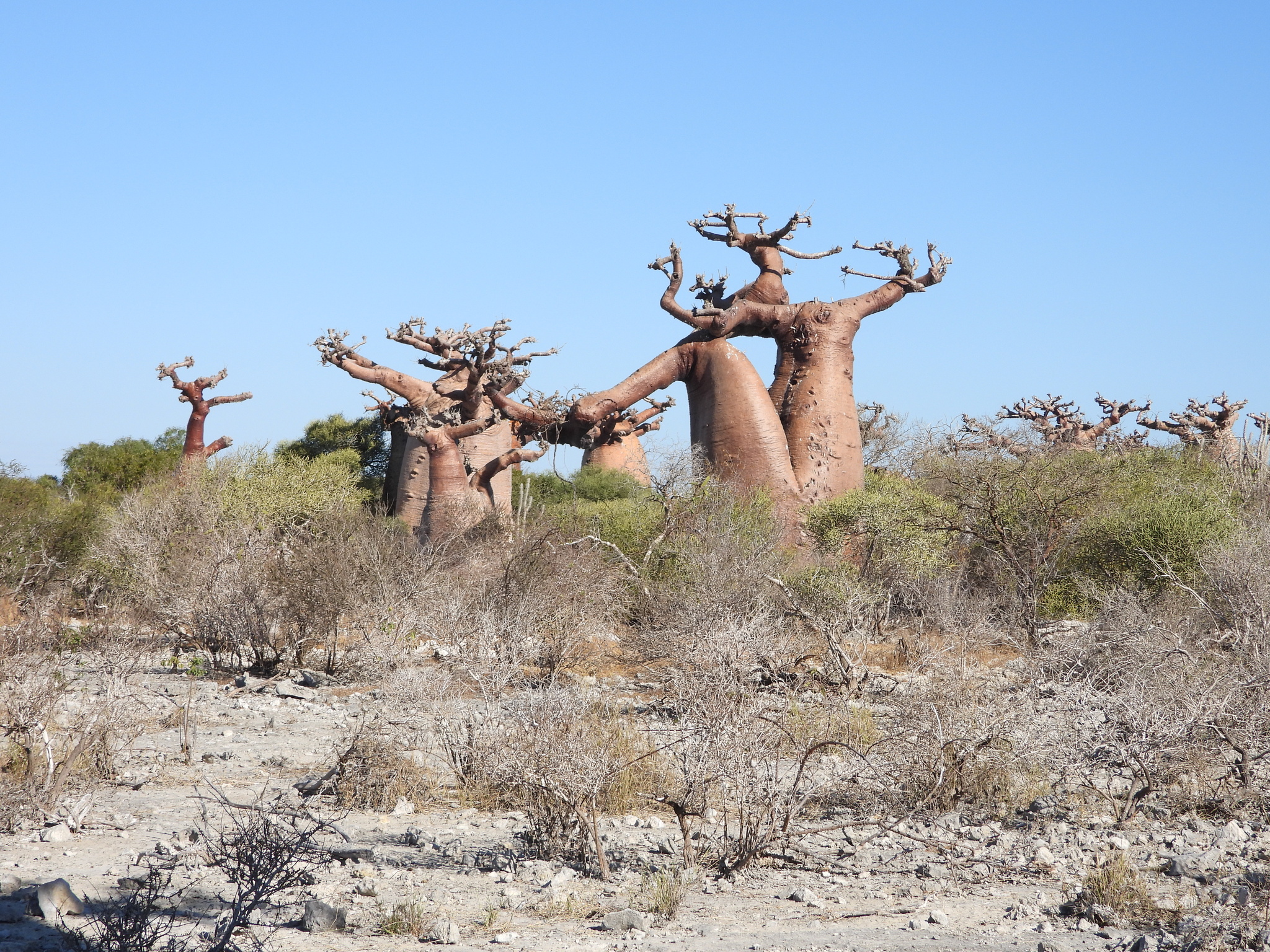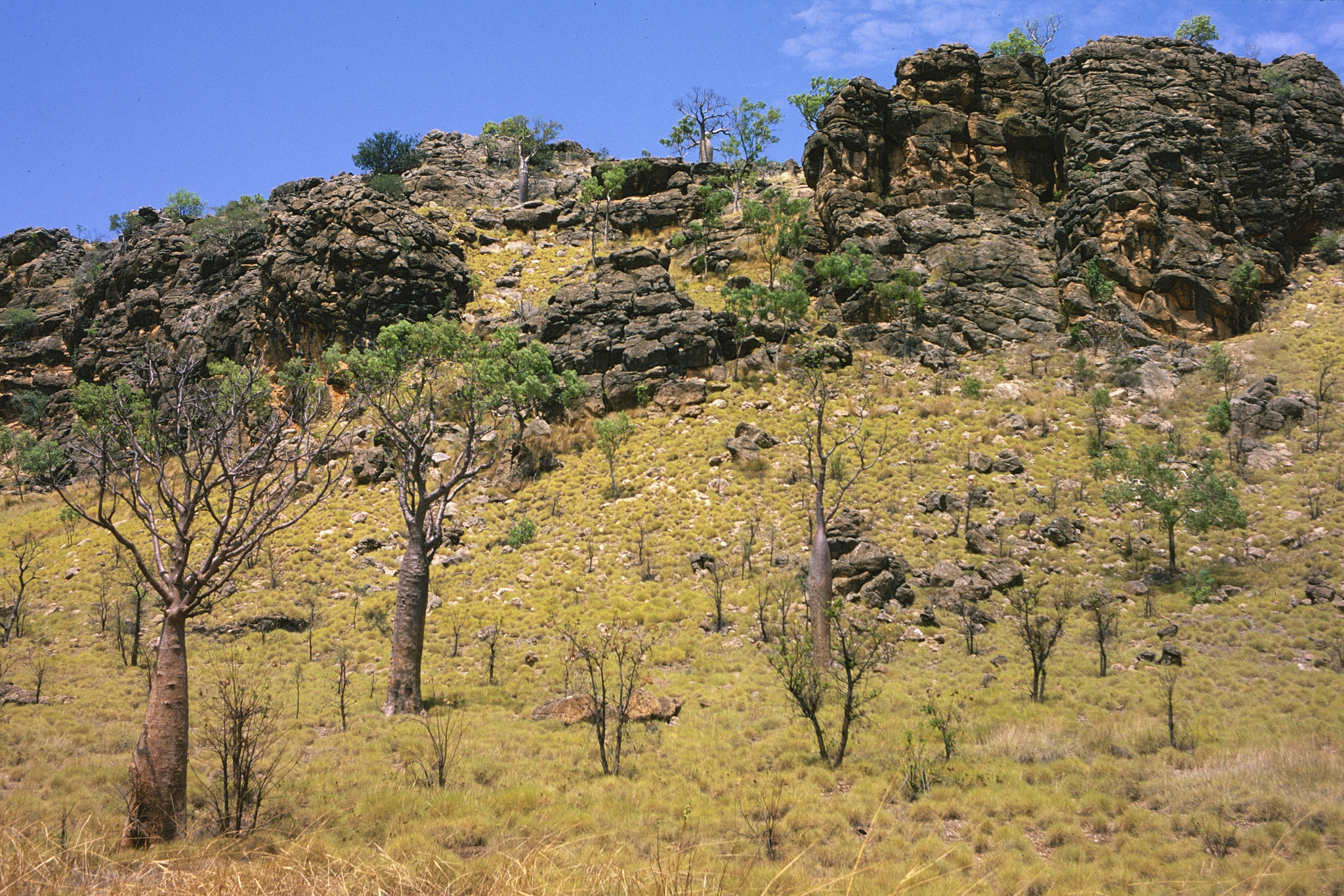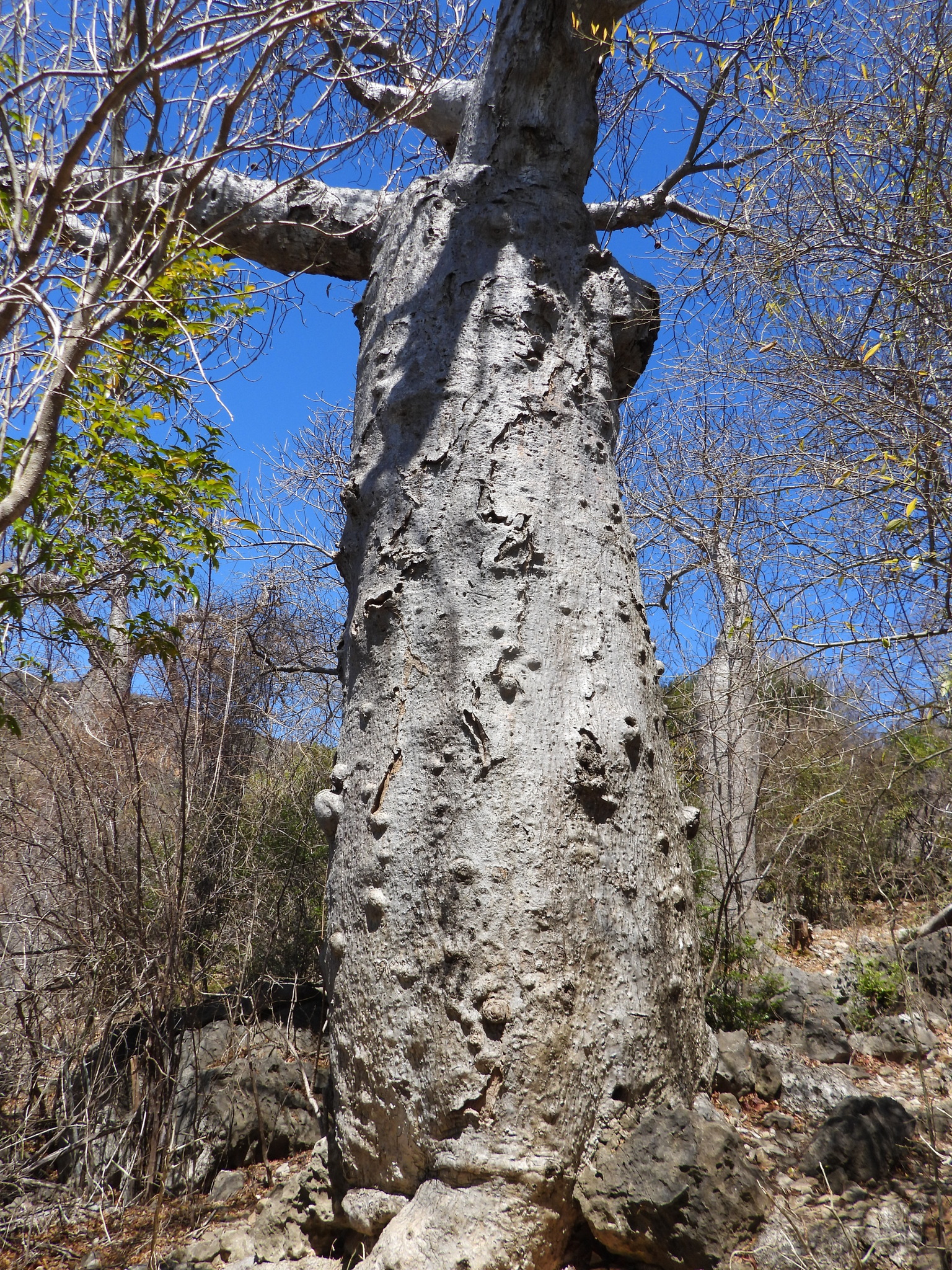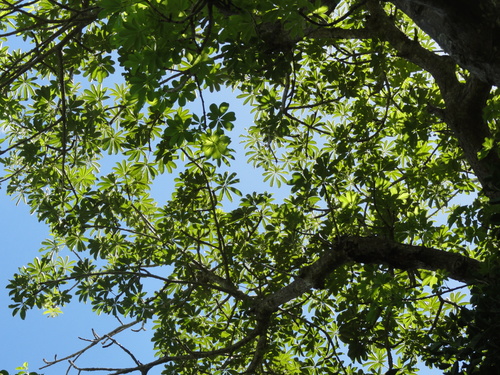
Adansonia digitata, the African Baobab, is a large deciduous tree with a massive trunk and edible fruit, native to arid Africa. It symbolizes resilience and is known for its longevity.
Above information is sourced from Wikipedia
Sunlight
Requires full sun for optimal growth and health.
Watering
Water deeply but infrequently, allowing soil to dry out between waterings. Drought-tolerant when established.
Soil
Prefers well-draining sandy or loamy soils. It is tolerant of poor, rocky, or degraded soils and does not require rich substrate.
Temperature
Thrives in warm to hot climates. Protect from frost.
Habitat
Outdoor
Fertilizer
Fertilize sparingly, especially mature trees.
Requires full sun for optimal growth and health.
Needs at least 6-8 hours of direct sunlight daily.
Water deeply but infrequently, allowing soil to dry out between waterings. Drought-tolerant when established.
Reduce watering in cooler months.
Prefers well-draining sandy or loamy soils. It is tolerant of poor, rocky, or degraded soils and does not require rich substrate.
Thrives in warm to hot climates. Protect from frost.
Ideal range 20-30°C; can tolerate higher.
Outdoor
Fertilize sparingly, especially mature trees.
Use a balanced, slow-release fertilizer in spring.
Plant Type
Tree
Plant Category
Fruit, Ornamental
Plant Place Type
Ground
Plant Environment
Outdoor
Lifespan
Perennials
Plant Height
15-25 m
Spread
10-15 m
Growth Rate
Slow
Dormancy
Deciduous
Leaf Color
Green
Leaf Type
Palmate compound
Flower Size
10-15 cm
Optimal Sunlight Lux
90000
Toxic for humans
No
Rating: 0/5
Toxic for pets
No
Rating: 0/5
Edible
Yes
The fruit pulp and leaves are edible and used in traditional medicine. No significant toxicity is reported for humans or pets when parts are consumed appropriately.