Water
Water barley regularly, especially during germination and early growth. Maintain consistently moist soil, but avoid waterlogging, which can lead to root rot.
Reduce watering as the plant matures and approaches harvest to prevent disease.
Also known as Barley · Barli · Bere
Common Barley (Hordeum vulgare) is a versatile cereal grain, vital for food, animal feed, and brewing. It's an ancient, resilient crop cultivated globally.
At-a-glance light, water, soil, and growing conditions from plant data
Full Sun
100% intensity
Requires at least 6-8 hours of direct sunlight per day for optimal growth and yield.
Moderate
50% intensity
Keep soil consistently moist but not waterlogged, especially during active growth. Reduce watering as it matures.
Well-drained
50% intensity
Moderate
50% intensity
Prefers cool to moderate temperatures, typically between 15-25°C during the growing season. Tolerates frost.
Moderate
50% intensity
Benefits from nitrogen early on; balanced fertilizer during growth. Avoid excessive late-season nitrogen.
Safety information from plant toxicity data
| Attribute | Value |
|---|---|
| Toxic for humans | No 0/5 intensity |
| Toxic for pets | No 0/5 intensity |
| Edible | Yes |
None
Key traits and growing stats from plant data
Watering, pruning, propagation, and repotting details from plant data
Water barley regularly, especially during germination and early growth. Maintain consistently moist soil, but avoid waterlogging, which can lead to root rot.
Reduce watering as the plant matures and approaches harvest to prevent disease.
Pruning is generally not required for common barley. Its growth habit is naturally upright and self-limiting.
Any diseased or damaged tillers can be removed if necessary for disease management, but this is uncommon in standard cultivation.
Common barley is propagated by seed. Sow seeds directly into the soil in spring or autumn, depending on the variety and climate. Ensure good seed-to-soil contact and adequate moisture for germination.
No other propagation methods are typically used.
Repotting is not applicable to common barley as it is an annual crop grown in open fields or large containers for harvest. It is typically sown directly into the ground or intended for large-scale agricultural production.
Identify plants like this with ePlant AI
Snap a photo to get care tips and match similar species on the go.
Monthly activity intensity for bloom and fruit across both hemispheres.
Flowering & fruiting calendar
Flowering & fruiting calendar
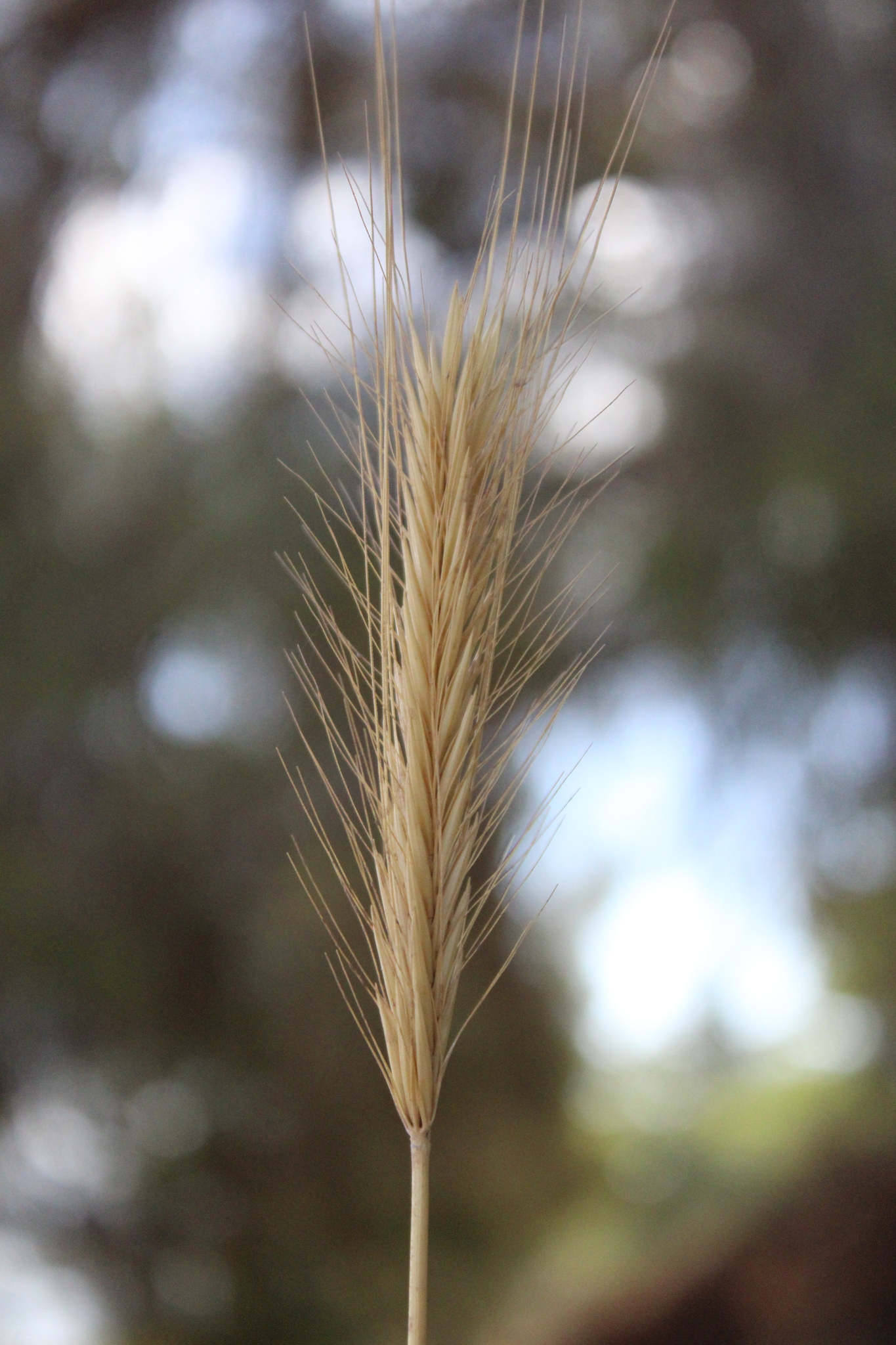
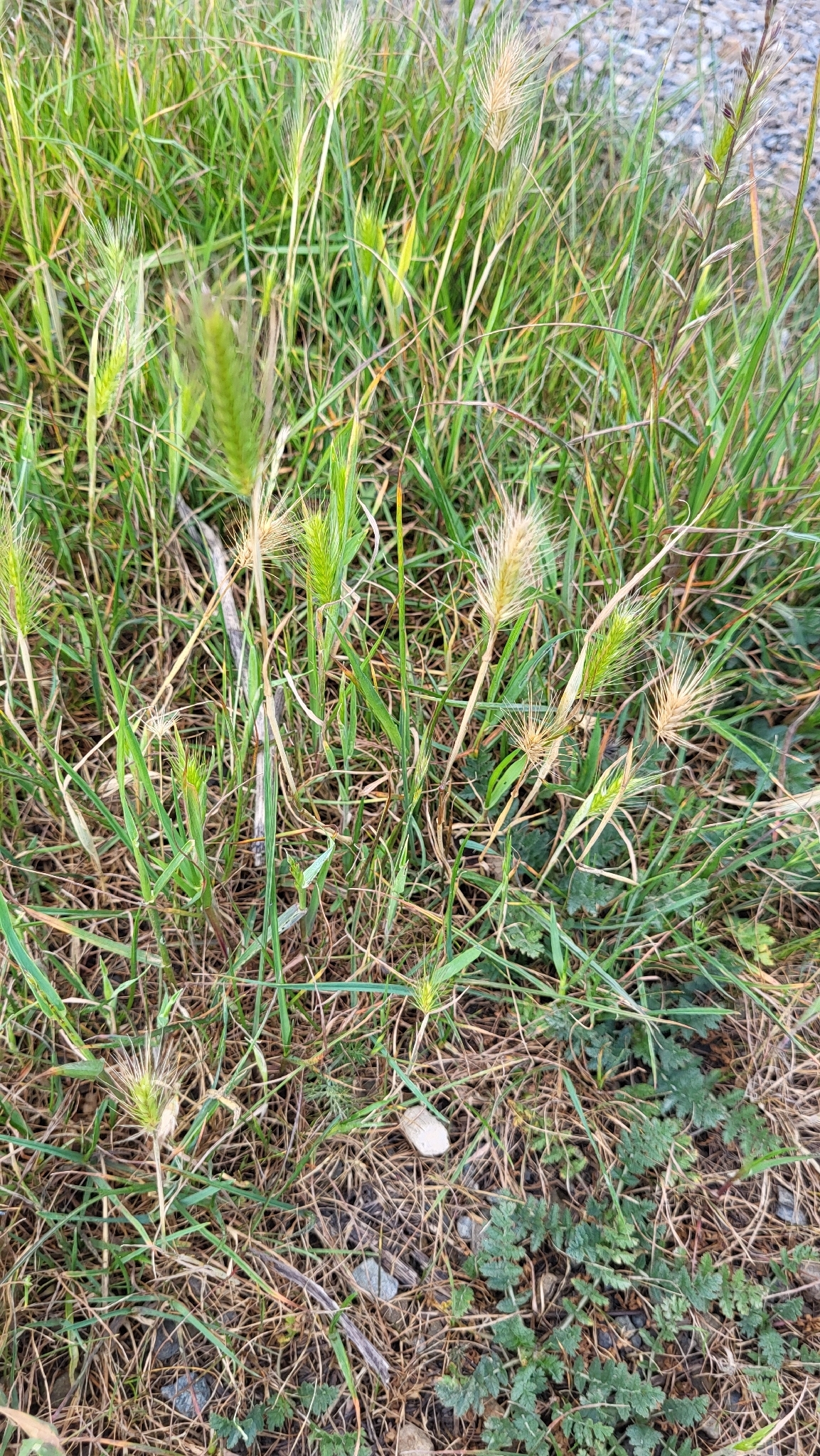
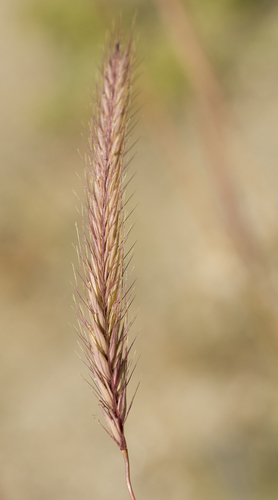
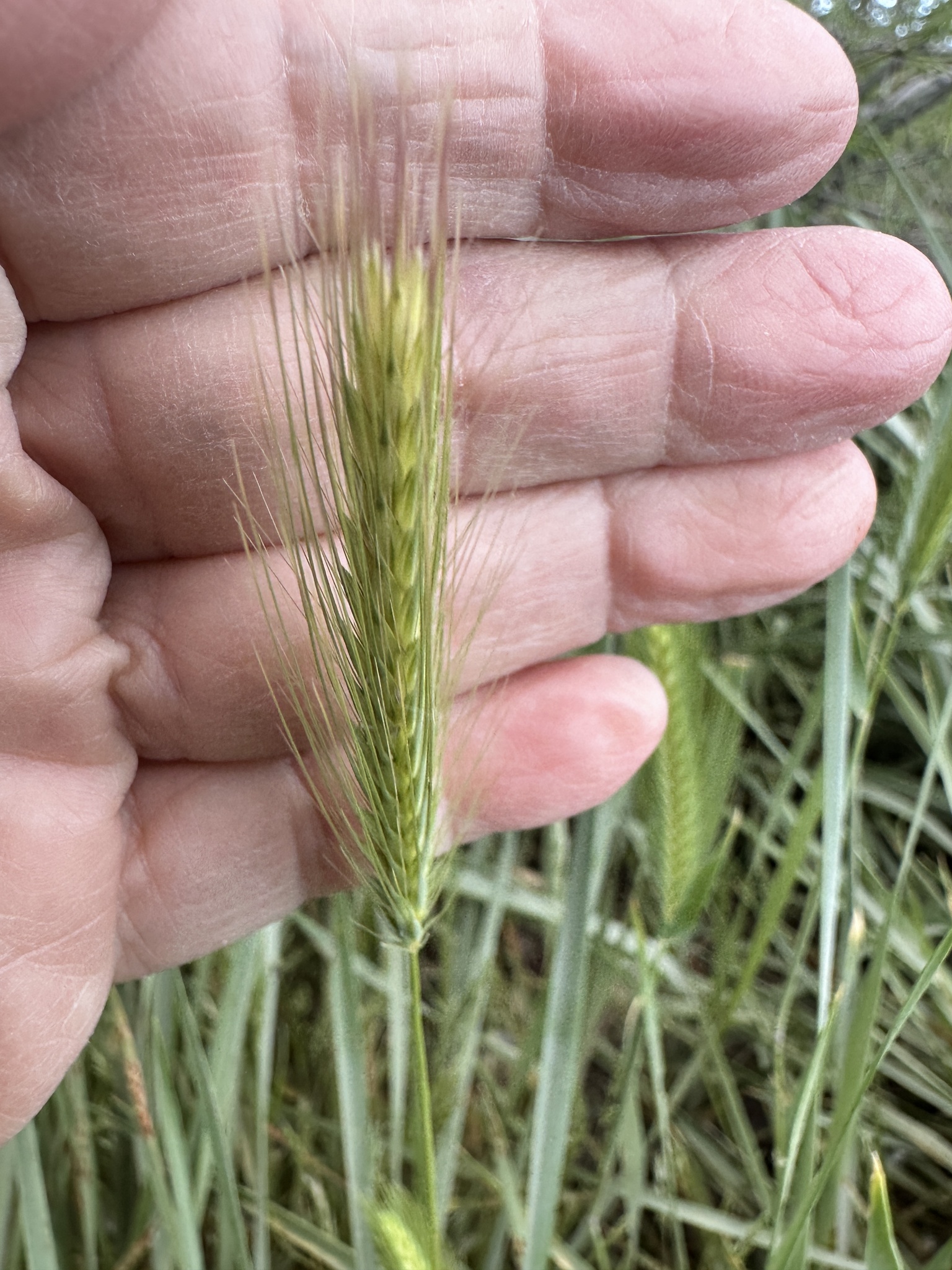
Photos of Common Barley (Hordeum vulgare)
10 known issues from plant disease data

Net blotch on Barley starts as dark water-soaked spots that become brown netlike streaks with yellowing, and severe leaves can die.

Leaf scald on Barley begins as gray-green water-soaked spots that enlarge into tan lesions with dark borders, then leaves look scalded.

Spot blotch on Barley causes small brown leaf spots that enlarge and merge into blotches, darken glumes or kernels, and weaken plants.

Leaf rust on Barley forms small round yellow-brown pustules on leaves that rub off as rust, then infected leaves dry and lose vigor.

Powdery mildew on Barley starts as white cottony patches on lower leaves, then turns dull gray-brown and leaves plants weak.

Fusarium head blight on Barley causes water-soaked to brown spikelets that bleach early, and harvested kernels may be shriveled or pink.
Common names and botanical synonyms
Botanical classification
| Rank | Name |
|---|---|
| Kingdom | Plantae |
| Division | Tracheophyta |
| Class | Liliopsida |
| Order | Poales |
| Family | Poaceae |
| Genus | Hordeum |
| Species | Hordeum vulgare |
Similar in genus Hordeum
Answers based on plant encyclopedia data