Water
Water sparingly, allowing the soil to dry out completely between waterings. Overwatering is the most common cause of rot. Reduce watering significantly during the dormant winter period.
Ensure good drainage to prevent waterlogged roots.
Also known as Baseball Plant · Baseball-Cactus · Gingham Golf Ball
Safety note: This plant may be toxic to humans and pets. See toxicity details.
Euphorbia obesa, the baseball plant, is a succulent native to South Africa. It features a spherical, ribbed stem resembling a ball, with small flowers.
At-a-glance light, water, soil, and growing conditions from plant data
Prefers bright, indirect sunlight.
75% intensity
Can tolerate some direct sun, but avoid intense midday sun which can scorch.
Allow soil to dry out completely between waterings.
25% intensity
Reduce watering in winter.
Well-draining cactus or succulent mix
50% intensity
Enjoys warm temperatures during the growing season.
50% intensity
Protect from frost; prefers temperatures between 20-28°C.
Fertilize sparingly during growing season.
25% intensity
Use a diluted balanced liquid fertilizer.
Safety information from plant toxicity data
| Attribute | Value |
|---|---|
| Toxic for humans | Yes 4/5 intensity |
| Toxic for pets | Yes 4/5 intensity |
| Edible | No |
The sap of Euphorbia species is a skin and eye irritant and is toxic if ingested.
Key traits and growing stats from plant data
Watering, pruning, propagation, and repotting details from plant data
Water sparingly, allowing the soil to dry out completely between waterings. Overwatering is the most common cause of rot. Reduce watering significantly during the dormant winter period.
Ensure good drainage to prevent waterlogged roots.
Pruning is generally not required for Euphorbia obesa. If any parts become damaged or diseased, they can be carefully removed with a sterile knife. Focus on maintaining the plant's natural spherical shape.
Propagation is primarily done through seeds. Sow seeds in a well-draining cactus mix. Cuttings can be taken, but they are prone to rot and require careful handling and drying before planting.
Repot every 2-3 years or when the plant becomes root-bound, preferably in spring. Use a well-draining cactus or succulent potting mix. Choose a pot slightly larger than the current one with drainage holes.
Identify plants like this with ePlant AI
Snap a photo to get care tips and match similar species on the go.
Monthly activity intensity for bloom and fruit across both hemispheres.
Flowering & fruiting calendar
Flowering & fruiting calendar
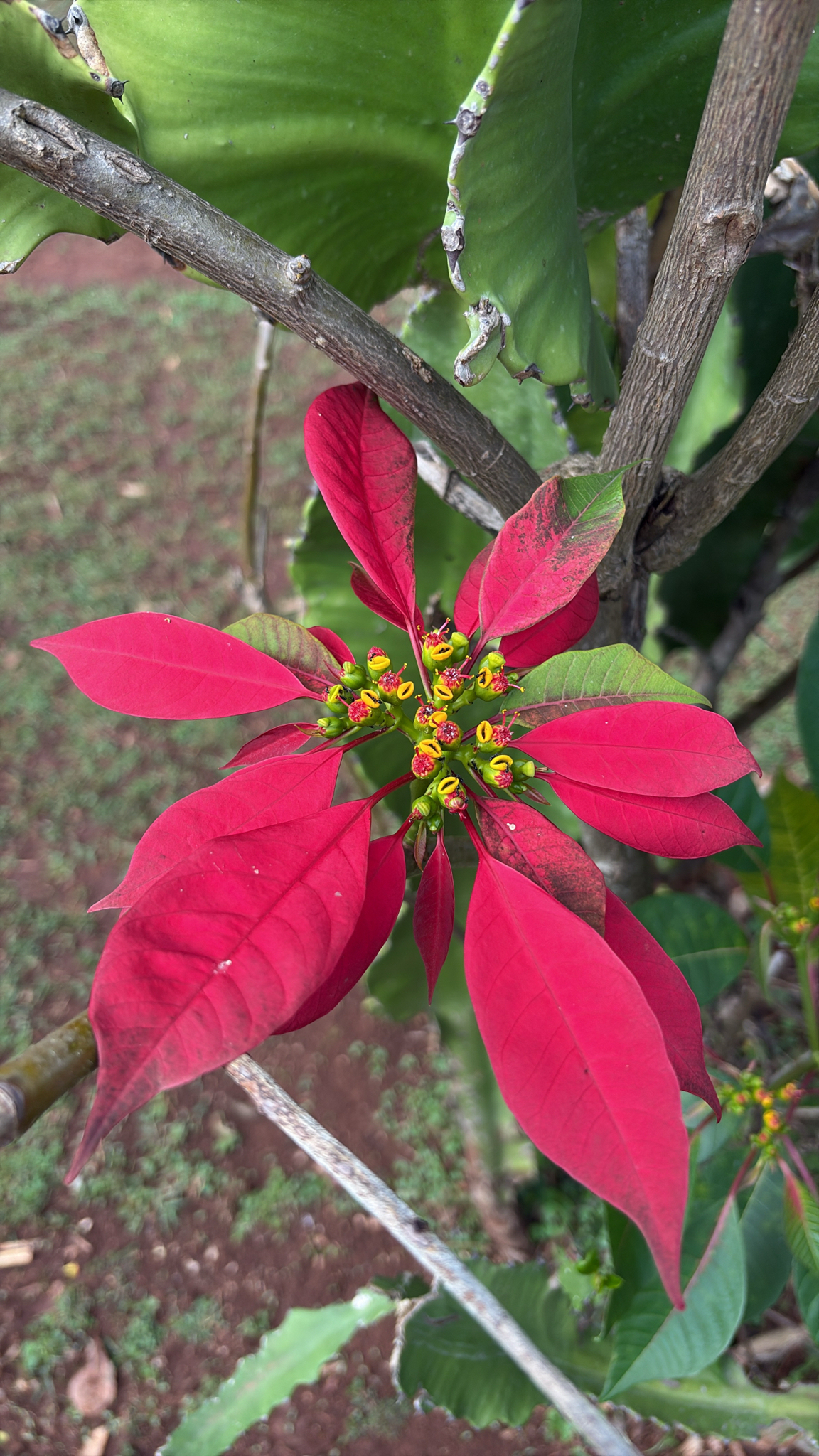
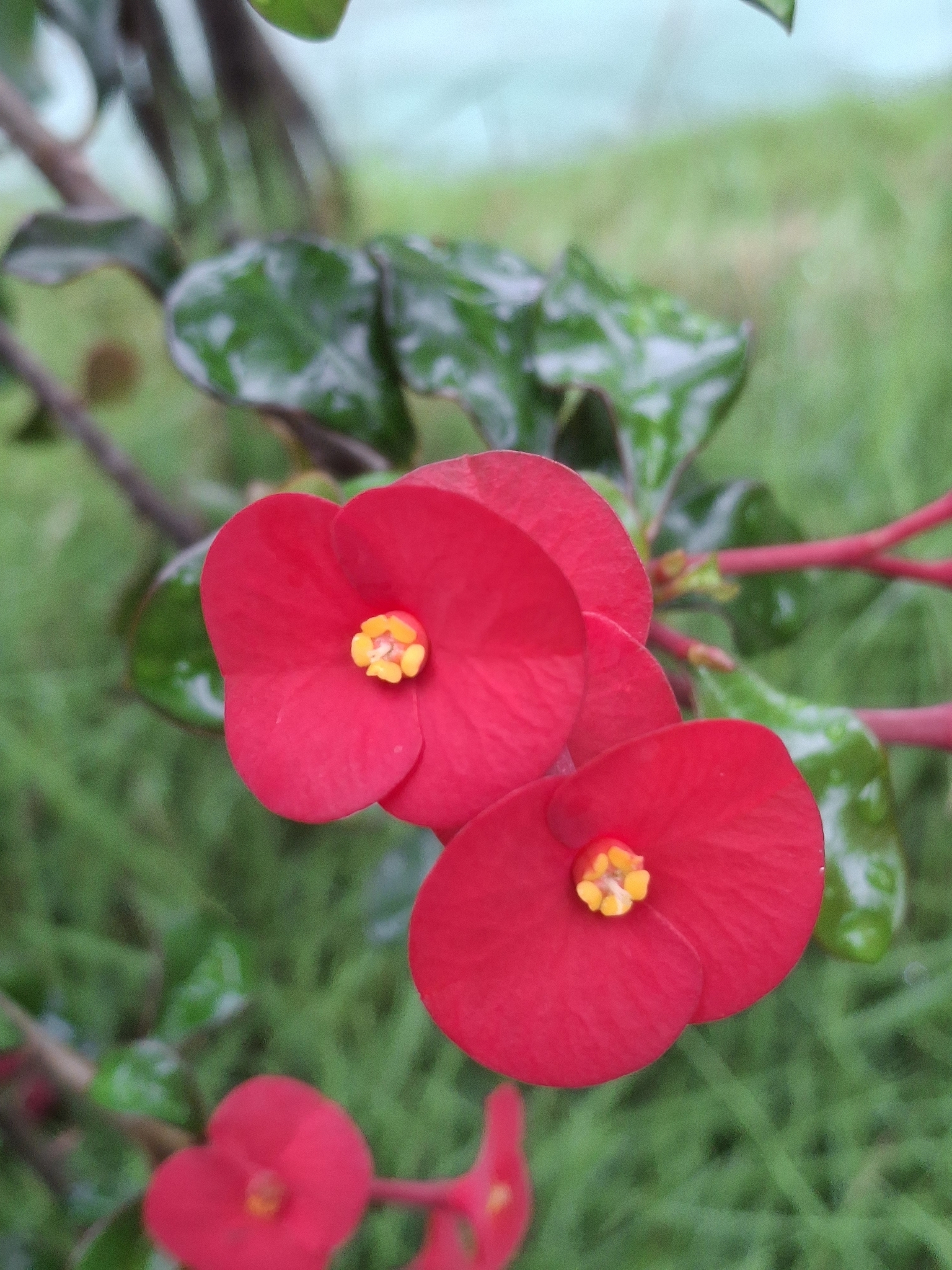
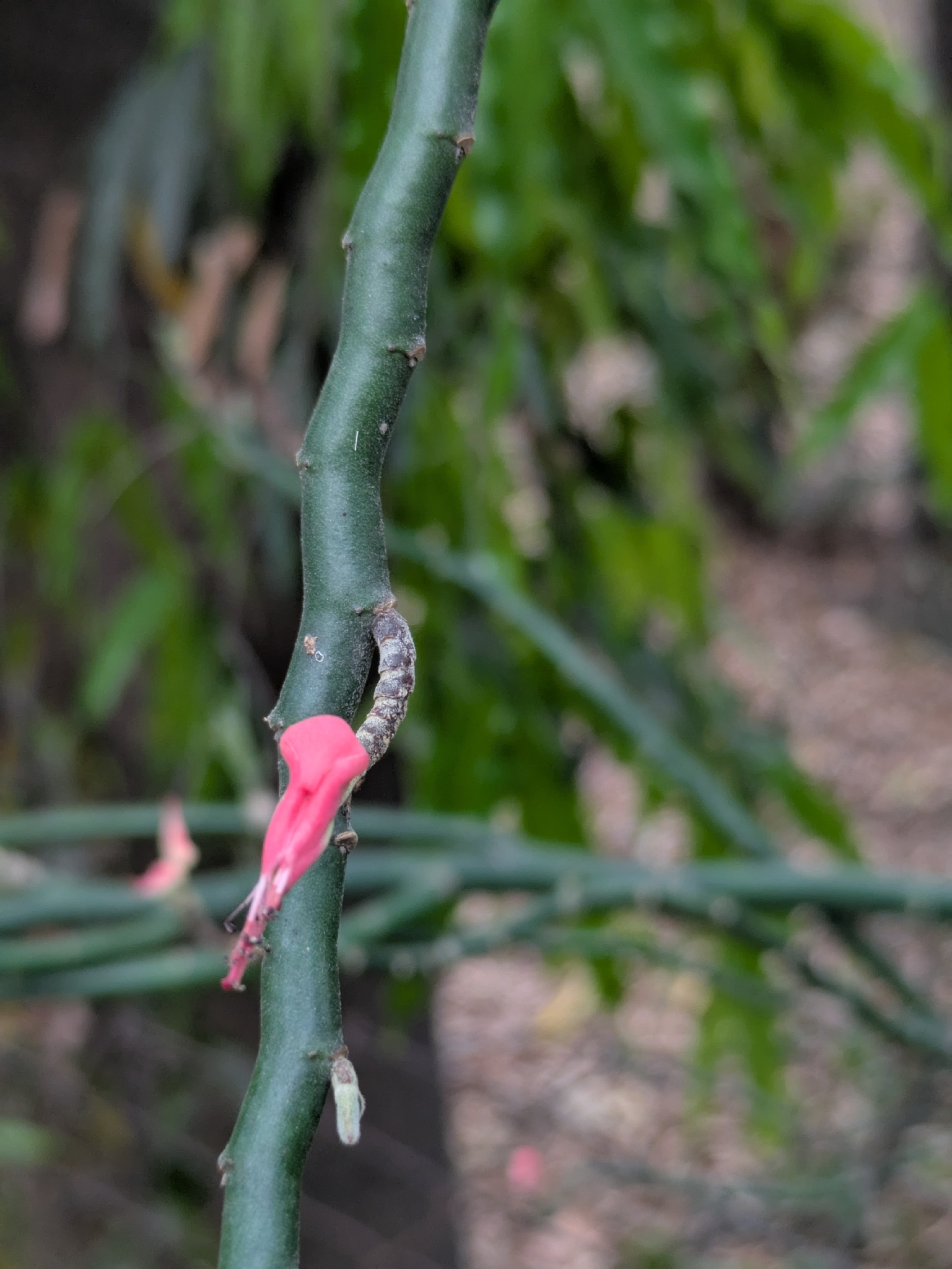
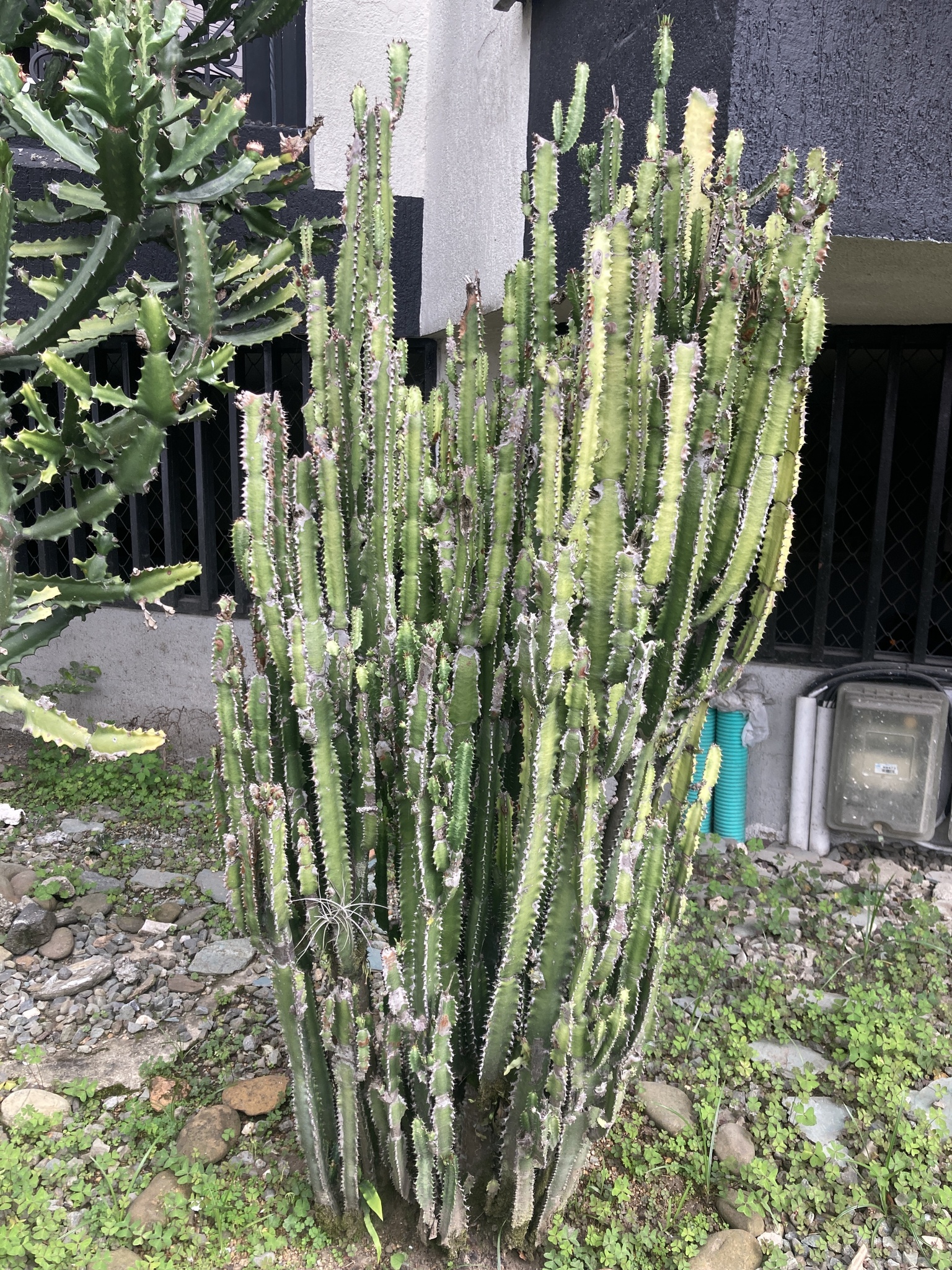
Photos of Euphorbia Obesa (Euphorbia obesa)
Where Euphorbia Obesa (Euphorbia obesa) is found

Density
Tap map to explore
Common names and botanical synonyms
Botanical classification
| Rank | Name |
|---|---|
| Kingdom | Plantae |
| Division | Tracheophyta |
| Class | Magnoliopsida |
| Order | Malpighiales |
| Family | Euphorbiaceae |
| Genus | Euphorbia |
| Species | Euphorbia obesa |
Similar in genus Euphorbia
Answers based on plant encyclopedia data