Water
Water moderately during active growth (fall and spring) and when the plant is flowering. Reduce watering significantly once foliage begins to yellow and die back in late spring or early summer.
Ensure good drainage to prevent bulb rot.
Also known as Autumn Crocus · Bieberstein's Autumn Crocus · Bieberstein's Crocus
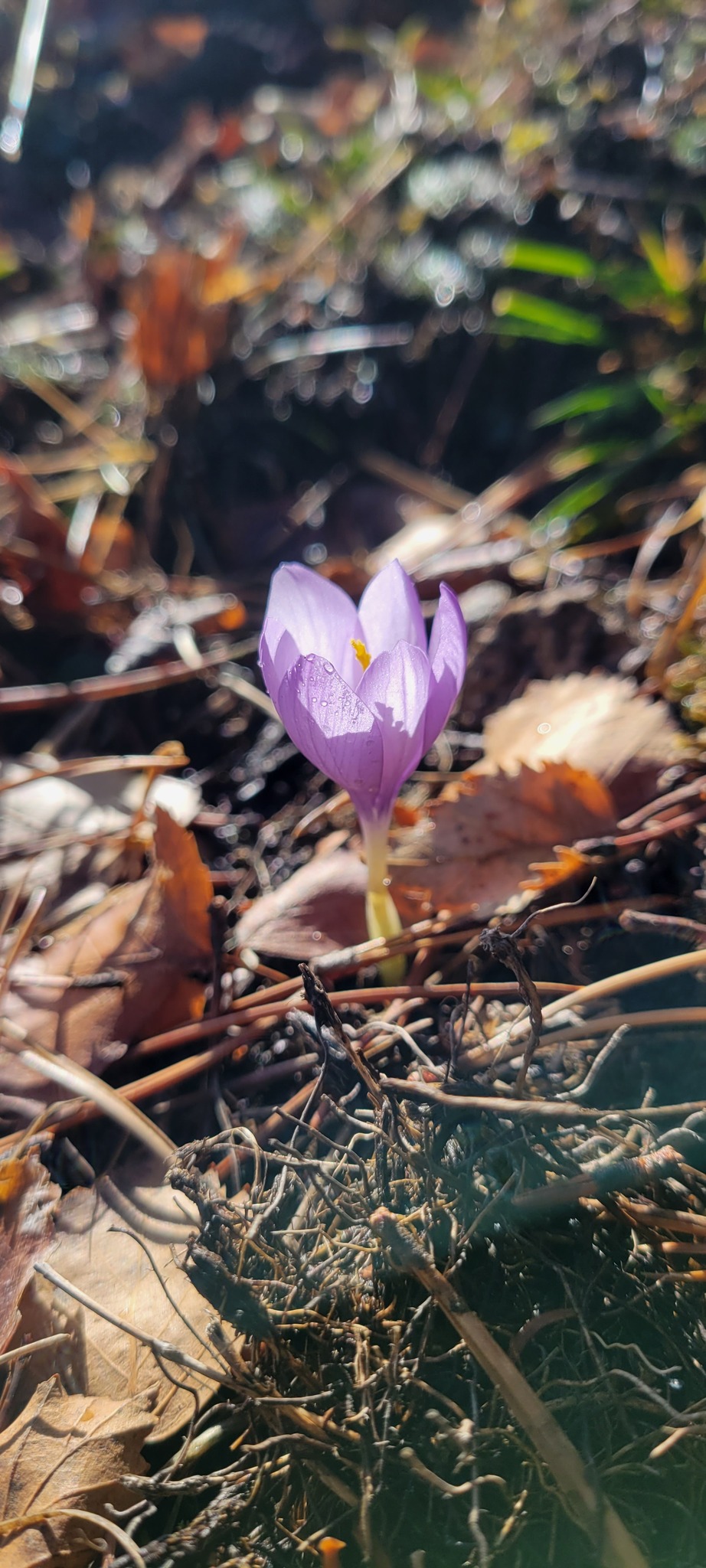
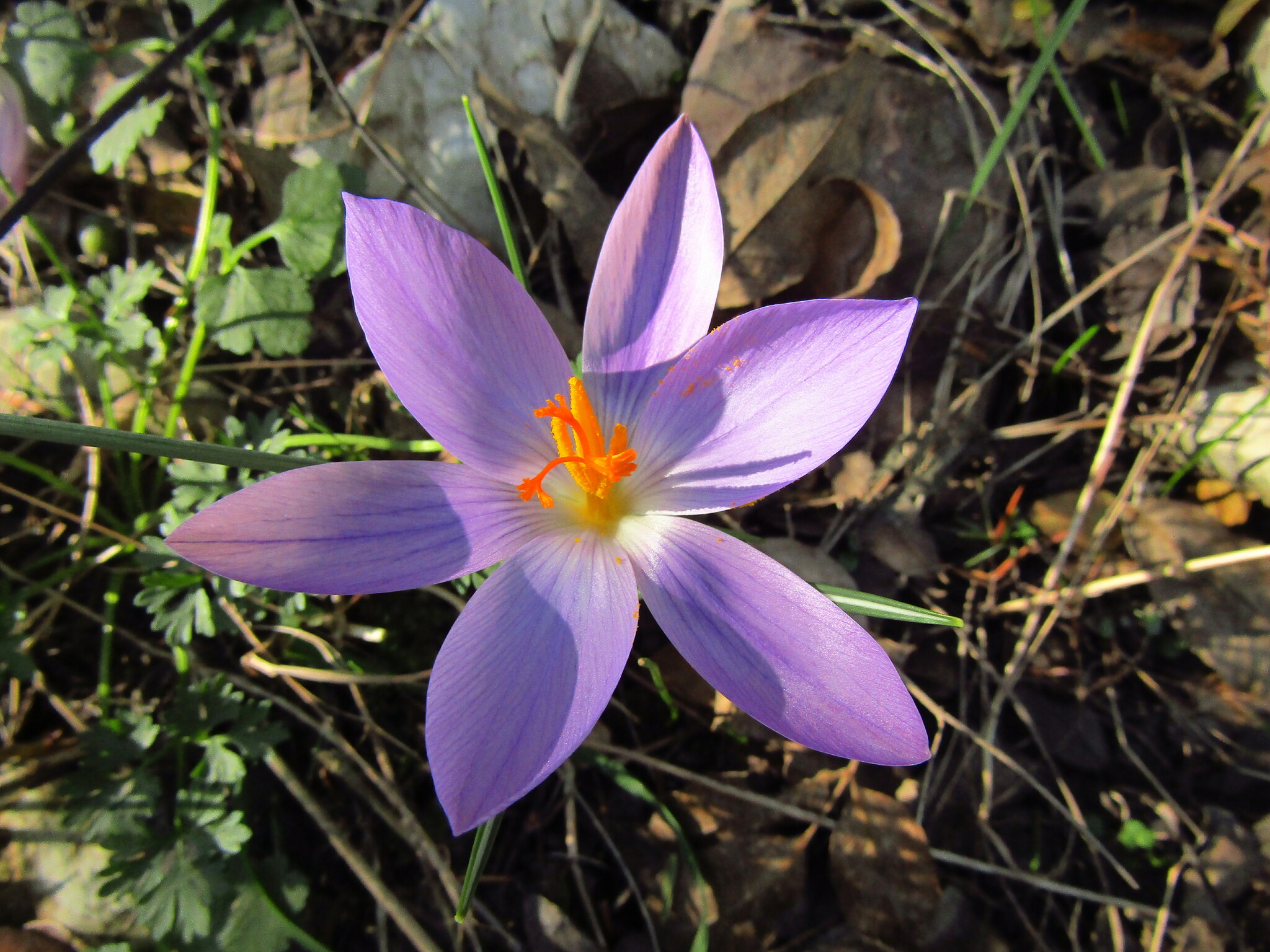
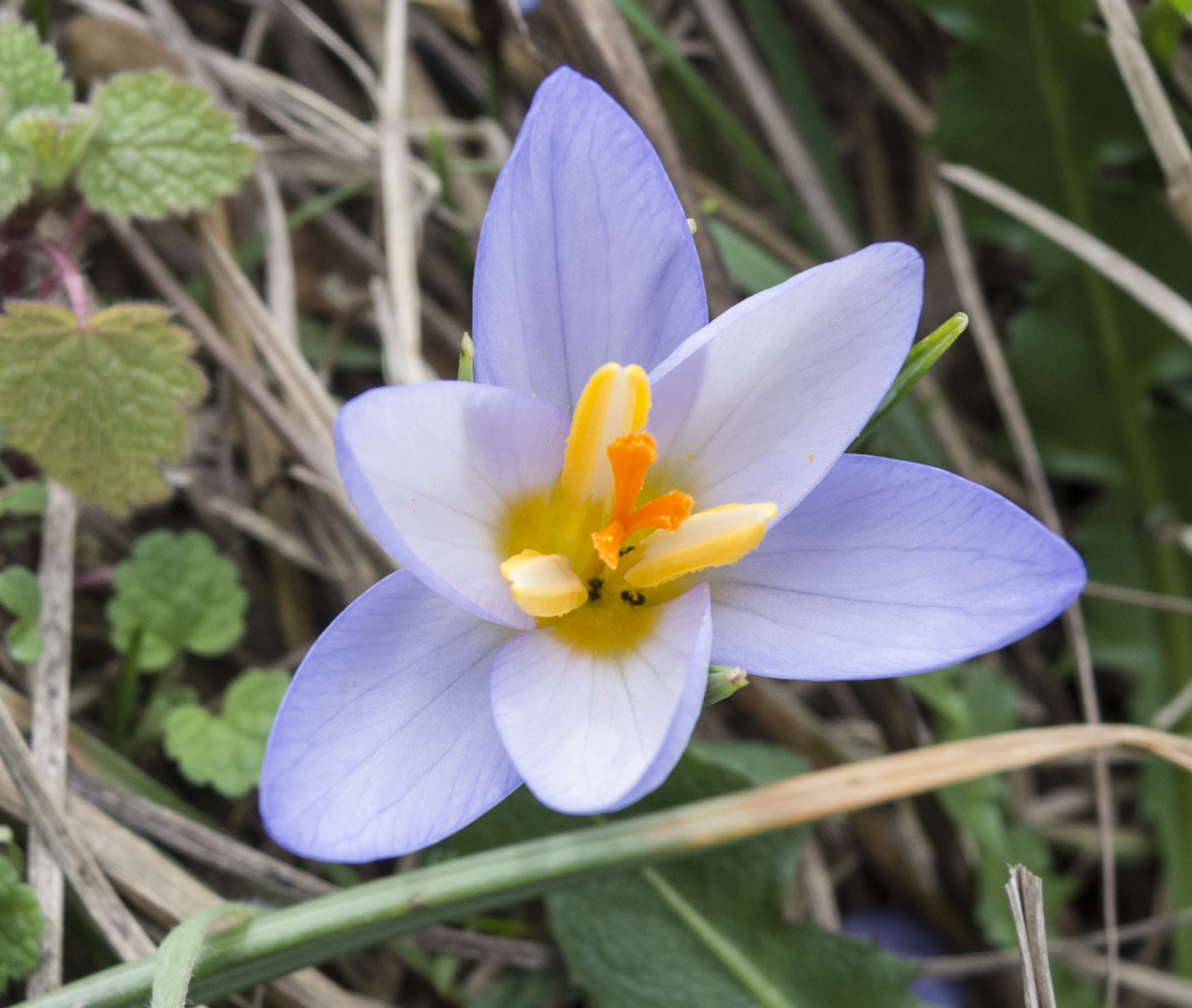
Crocus speciosus, a species of autumn-blooming crocus, features striking violet-blue flowers with dark veins, emerging before its foliage in fall.
At-a-glance light, water, soil, and growing conditions from plant data
Full sun to partial shade
75% intensity
Prefers full sun for best flowering, but tolerates light shade, especially in hotter climates.
Moderate during growth, dry during dormancy
50% intensity
Allow soil to dry slightly between waterings when actively growing. Avoid waterlogged conditions.
Well-drained loam
50% intensity
Cool to moderate
50% intensity
Requires a cold period for dormancy (vernalization). Protect from extreme heat.
Low
25% intensity
Light feeding in autumn is sufficient. Over-fertilizing can be detrimental.
Safety information from plant toxicity data
| Attribute | Value |
|---|---|
| Toxic for humans | No 0/5 intensity |
| Toxic for pets | No 0/5 intensity |
| Edible | No |
All parts of the plant are generally considered non-toxic to humans and pets.
Key traits and growing stats from plant data
Watering, pruning, propagation, and repotting details from plant data
Water moderately during active growth (fall and spring) and when the plant is flowering. Reduce watering significantly once foliage begins to yellow and die back in late spring or early summer.
Ensure good drainage to prevent bulb rot.
No significant pruning is required for Crocus speciosus. Allow foliage to die back naturally after flowering to replenish the bulb's energy reserves.
Remove dead or damaged leaves only after they have fully senesced in summer.
Crocus speciosus can be propagated by dividing the corms when they are dormant in summer. Replant the divisions immediately at the appropriate depth.
Seed propagation is possible but is a slow process and not commonly practiced by home gardeners.
Repotting is generally not necessary unless the bulbs become overcrowded or the soil needs refreshing. This can be done during the summer dormancy period.
Choose a well-draining potting mix and ensure the new pot provides adequate space.
Identify plants like this with ePlant AI
Snap a photo to get care tips and match similar species on the go.
Monthly activity intensity for bloom and fruit across both hemispheres.
Flowering & fruiting calendar
Flowering & fruiting calendar
Photos of Crocus Speciosus (Crocus speciosus)
Common names and botanical synonyms
Botanical classification
| Rank | Name |
|---|---|
| Kingdom | Plantae |
| Division | Tracheophyta |
| Class | Liliopsida |
| Order | Asparagales |
| Family | Iridaceae |
| Genus | Crocus |
| Species | Crocus speciosus |
Similar in genus Crocus
Answers based on plant encyclopedia data