Water
Bigtooth Aspen prefers consistently moist soil, especially when young. Water deeply during dry spells, ensuring the soil doesn't become waterlogged.
Reduce watering frequency as the tree matures, but still monitor for signs of drought stress.
Also known as Big-Tooth Aspen · Big-Toothed Aspen · Canadian Aspen
Bigtooth Aspen (Populus grandidentata) is a fast-growing deciduous tree native to eastern North America, known for its large, toothed leaves and pale bark.
At-a-glance light, water, soil, and growing conditions from plant data
Full Sun
100% intensity
Thrives in full sun for best growth and health. Can tolerate partial shade but may become leggy.
Moderate
50% intensity
Prefers consistently moist soil, especially when young. Water deeply during dry periods.
Loam, Sand, Clay, Acidic, Neutral, Alkaline
50% intensity
Cold Hardy
25% intensity
Adapted to cold climates and can withstand significant frost and freezing temperatures.
Low
25% intensity
Generally requires little to no fertilization. Apply balanced fertilizer in spring if growth is poor.
Safety information from plant toxicity data
| Attribute | Value |
|---|---|
| Toxic for humans | No 0/5 intensity |
| Toxic for pets | No 0/5 intensity |
None
Key traits and growing stats from plant data
Watering, pruning, propagation, and repotting details from plant data
Bigtooth Aspen prefers consistently moist soil, especially when young. Water deeply during dry spells, ensuring the soil doesn't become waterlogged.
Reduce watering frequency as the tree matures, but still monitor for signs of drought stress.
Prune only to remove dead, damaged, or crossing branches. Minimal pruning is usually best for natural form.
If shaping is necessary, do so during the dormant season (late winter or early spring) to encourage healing and reduce sap bleeding.
Propagation is typically done through root cuttings or suckers. Collect root cuttings in late winter and plant them in moist potting medium.
Suckers can be transplanted from the base of established trees in spring or fall.
Repotting is rarely necessary for Bigtooth Aspen as they are typically planted in their final landscape location. If a nursery specimen needs transplanting, do so during dormancy, carefully preserving as much of the root ball as possible.
Identify plants like this with ePlant AI
Snap a photo to get care tips and match similar species on the go.
Monthly activity intensity for bloom and fruit across both hemispheres.
Flowering & fruiting calendar
Flowering & fruiting calendar
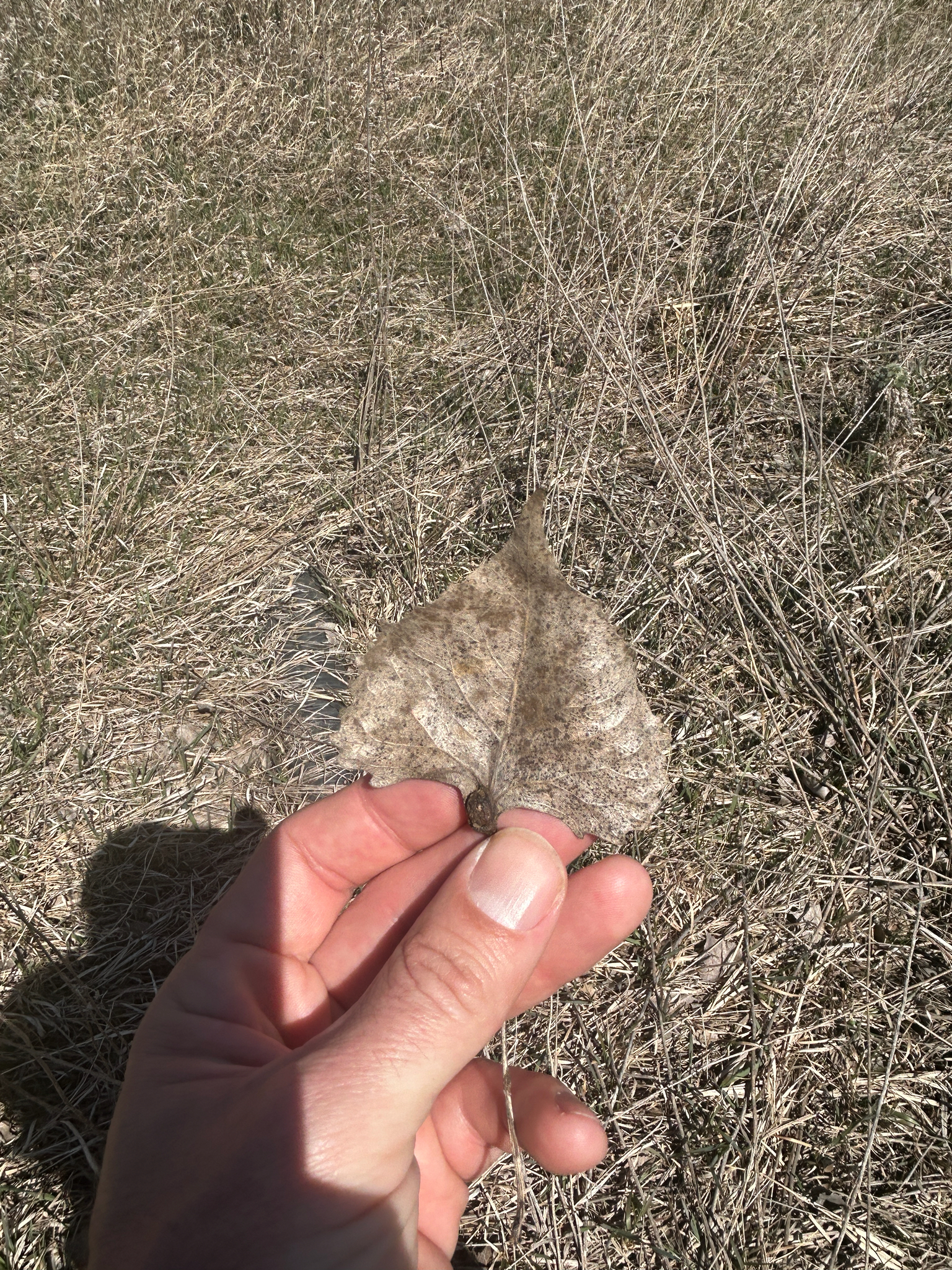
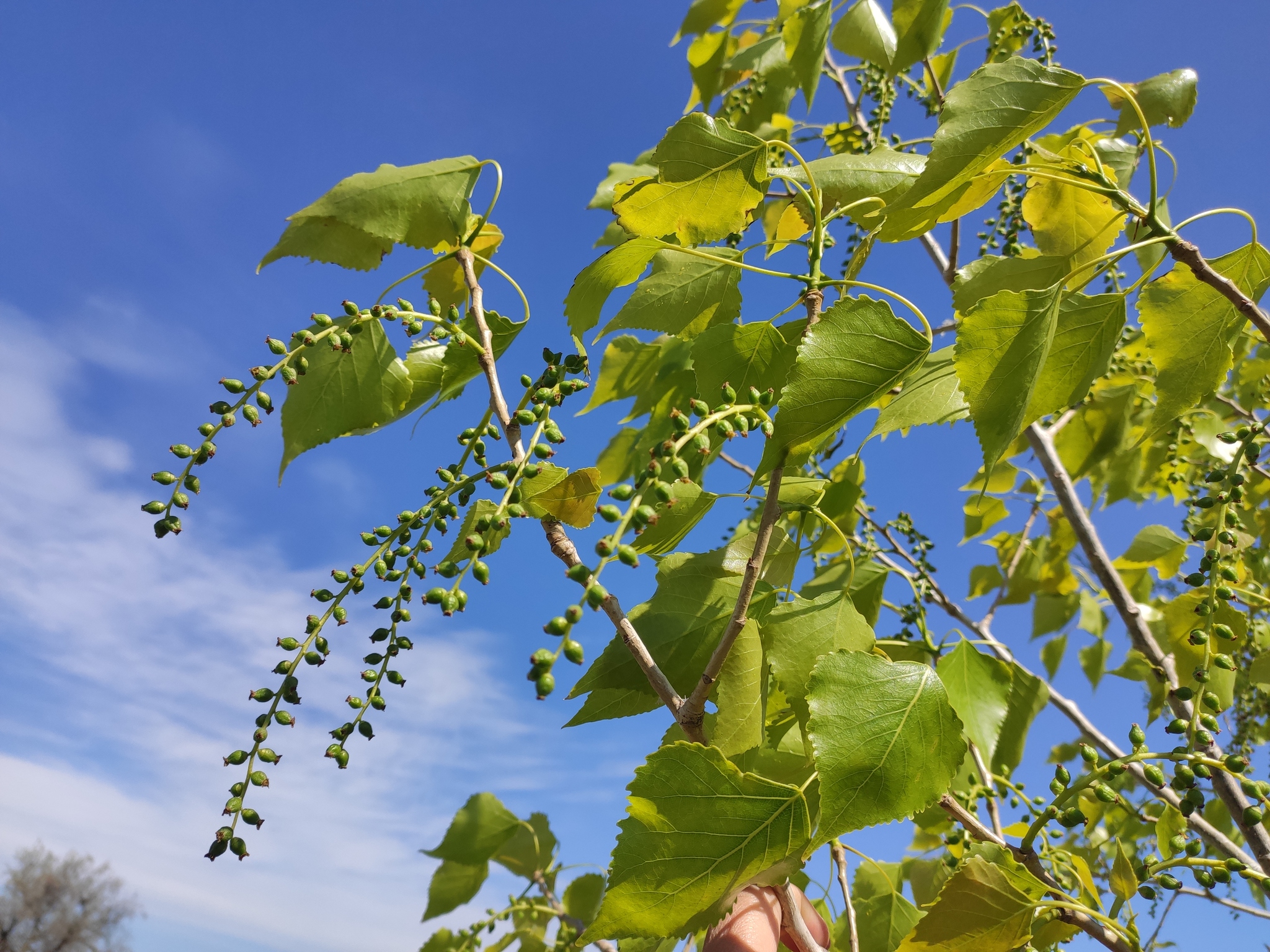
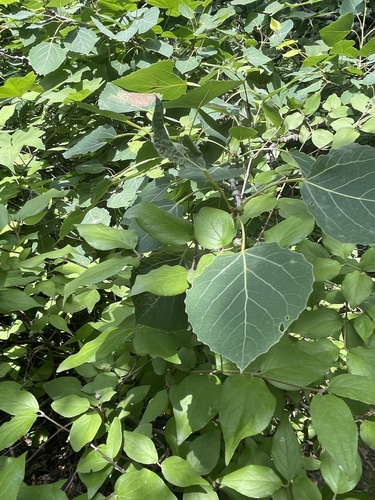
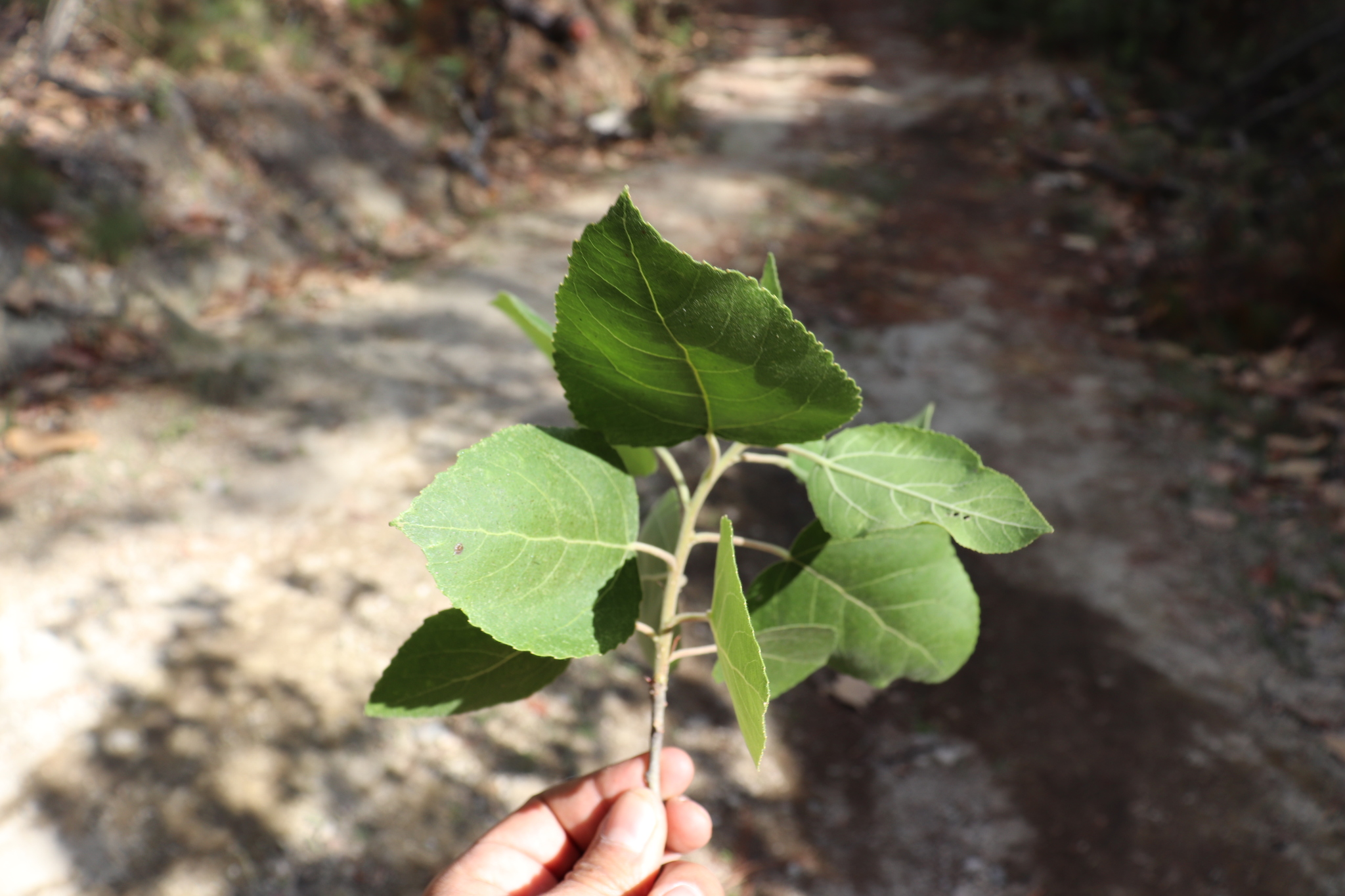
Photos of Bigtooth Aspen (Populus grandidentata)
Where Bigtooth Aspen (Populus grandidentata) is found

Density
Tap map to explore
Common names and botanical synonyms
Botanical classification
| Rank | Name |
|---|---|
| Kingdom | Plantae |
| Division | Tracheophyta |
| Class | Magnoliopsida |
| Order | Malpighiales |
| Family | Salicaceae |
| Genus | Populus |
| Species | Populus grandidentata |
Similar in genus Populus
Answers based on plant encyclopedia data