Whitemouth Dayflower (Commelina erecta) – Benefits, Care & Growing Guide | ePlant AI
Whitemouth Dayflower (Commelina erecta)
Commelina erecta, the Whitemouth Dayflower, is a perennial herb from the Americas, noted for its blue flowers and adaptability.
Commelina erecta, commonly known as Whitemouth Dayflower, is a fascinating herbaceous perennial belonging to the Commelinaceae family. This species is notable for its delicate yet resilient nature, often found gracing the understory of diverse natural landscapes. Its significance lies in its ecological role and its characteristic ephemeral blooms, which open and close within a single day.
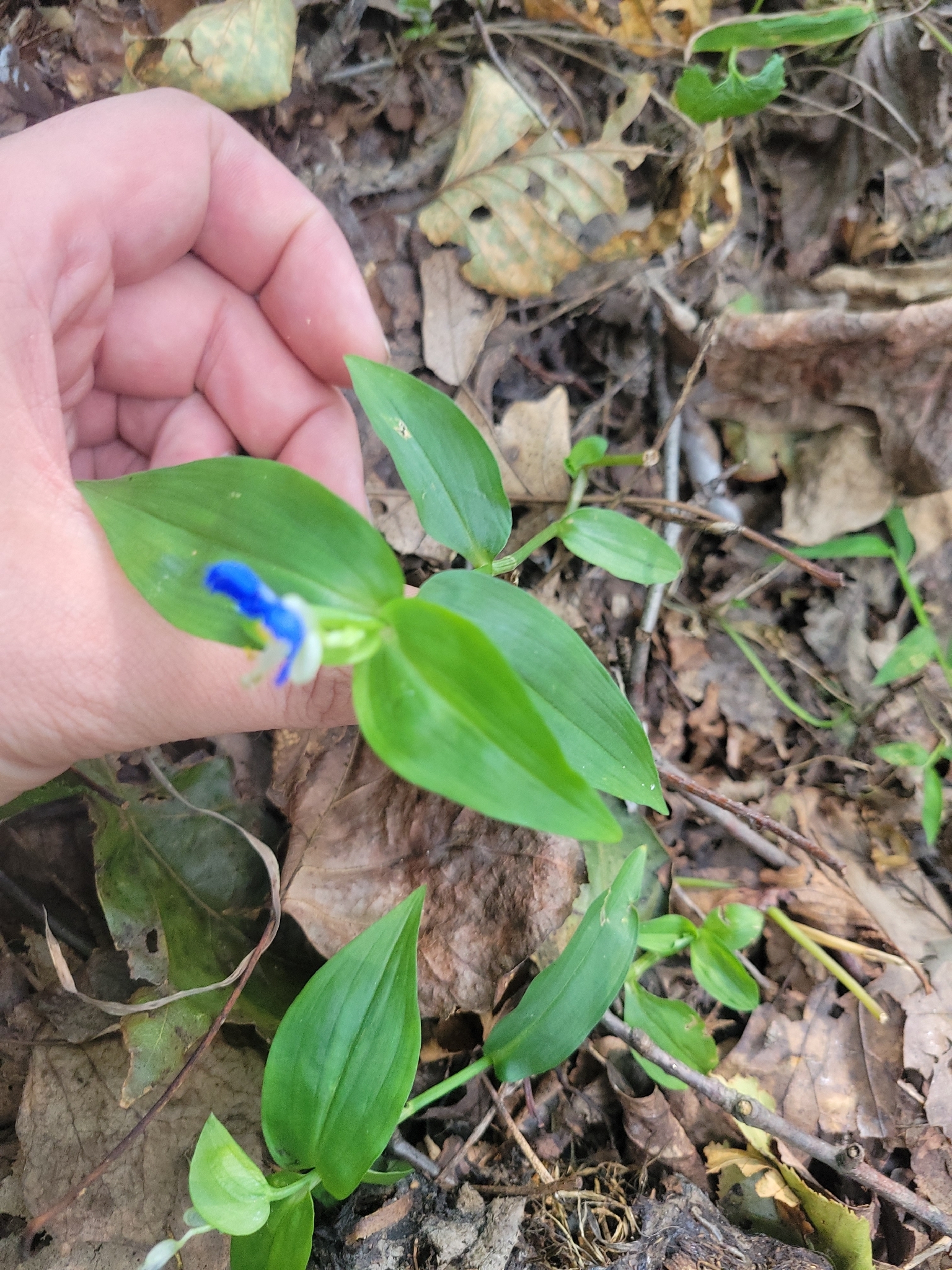
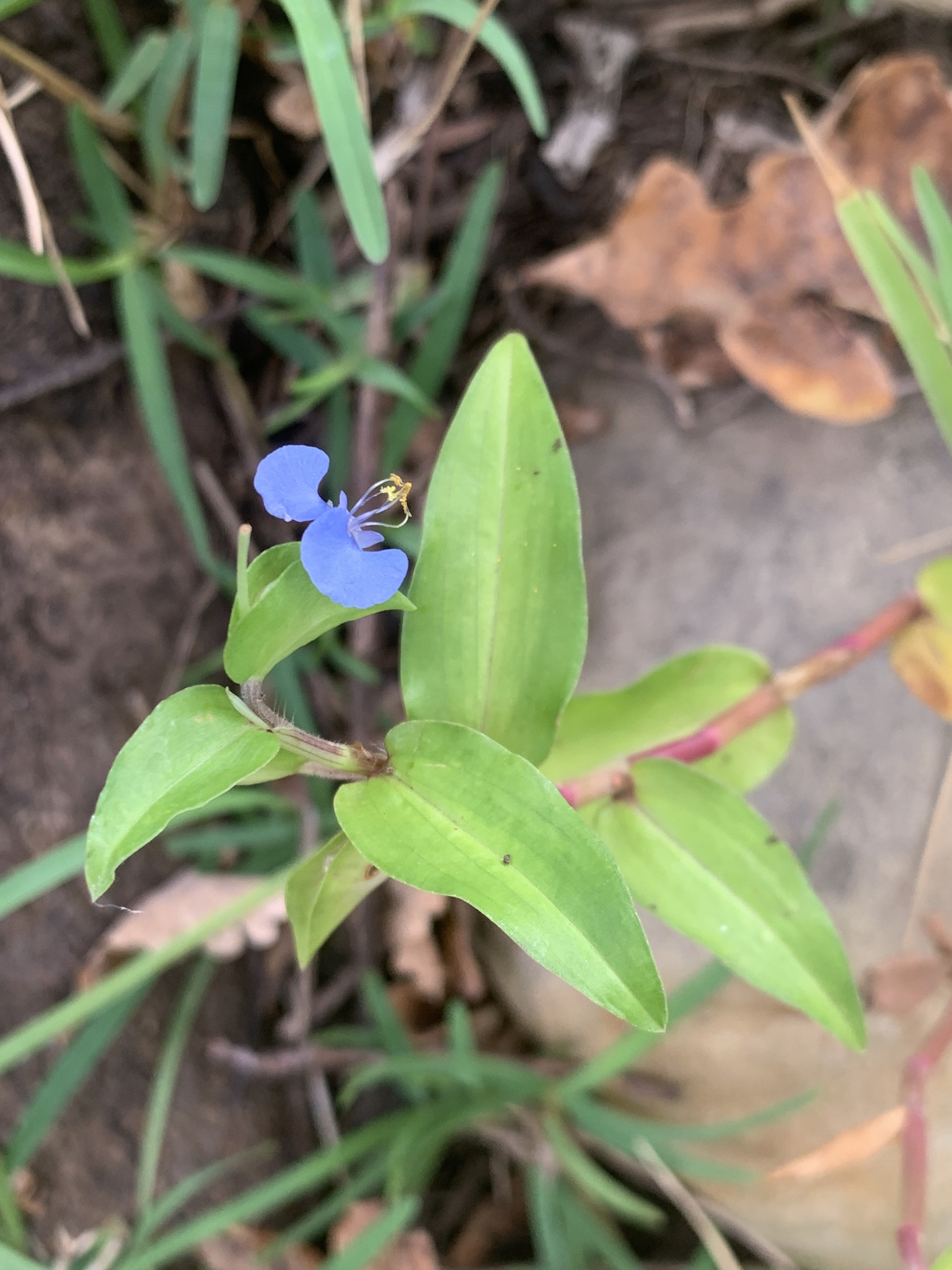
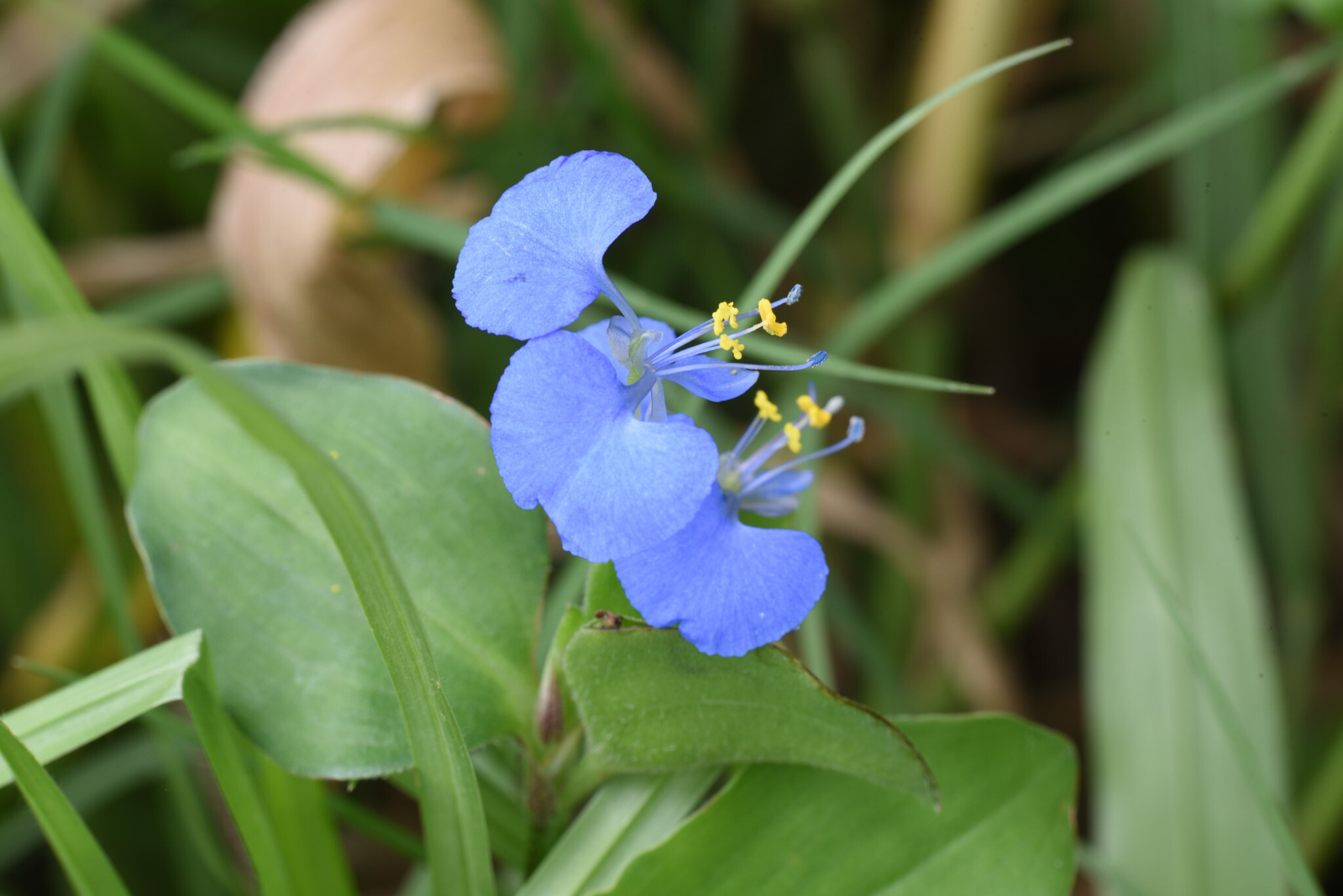
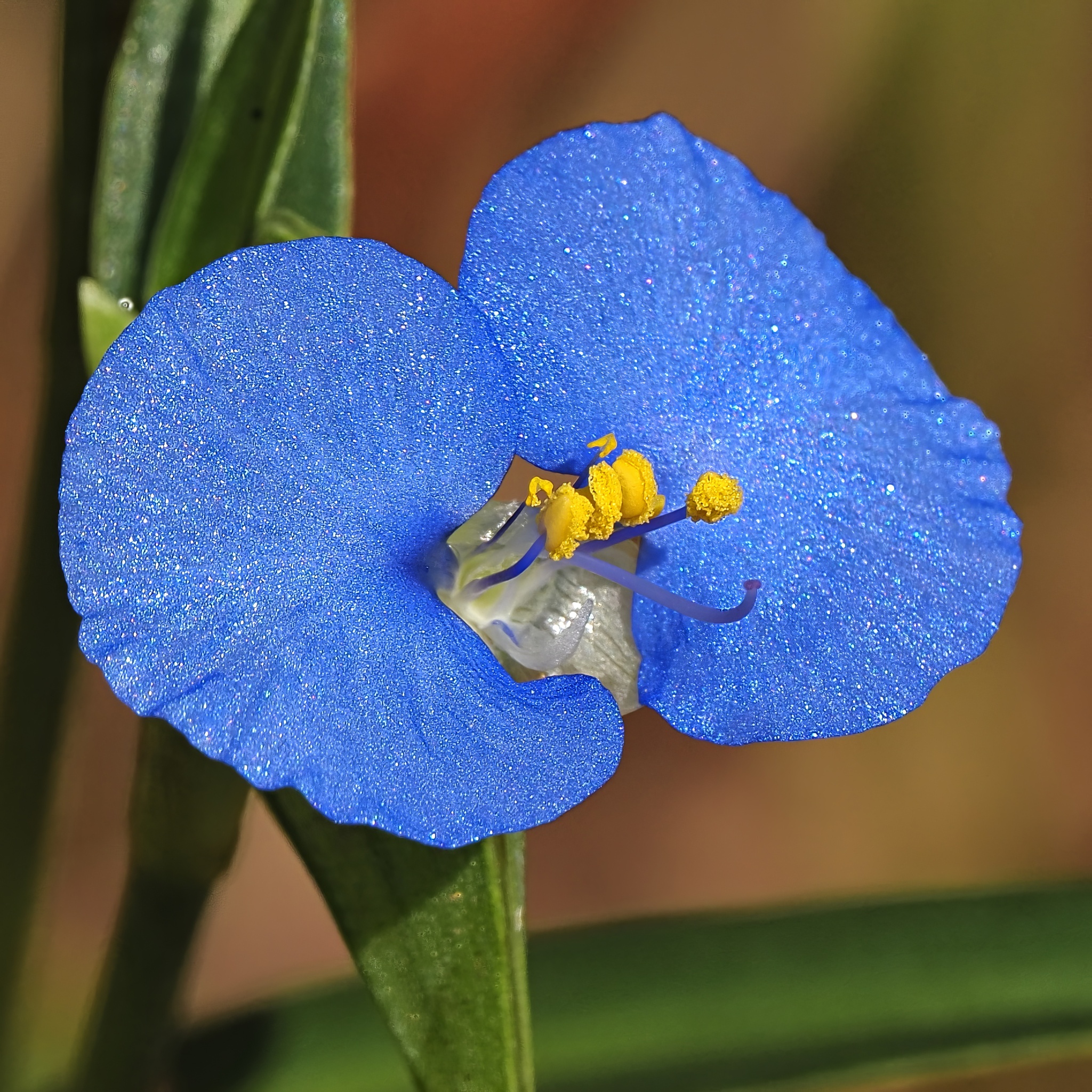
Physically, Commelina erecta exhibits an erect to spreading growth habit, typically reaching heights of 30 to 60 centimeters, though it can occasionally grow taller. The stems are somewhat fleshy and can be branched. Its leaves are lanceolate to ovate, measuring about 5 to 15 centimeters in length and 1 to 3 centimeters in width. They are arranged alternately along the stem and possess a smooth texture. The most striking feature of Commelina erecta is its inflorescence, which emerges from a boat-shaped spathe. The flowers are zygomorphic, meaning they have bilateral symmetry, and are typically about 2 to 3 centimeters in diameter. Each flower possesses three petals: two large, showy, obovate white or pale blue petals and one smaller, inconspicuous petal. The stamens are also distinctive, with three fertile stamens and three staminodes, which are sterile stamens. The fruit is a capsule, typically ovoid and about 5 to 8 millimeters long, containing three seeds. The seeds are usually dark brown to black and have a somewhat wrinkled surface.
The native distribution of Commelina erecta is extensive, spanning much of North and South America. It is found from the southeastern United States southward through Mexico, Central America, and into South America, including parts of the Caribbean. This species thrives in a variety of natural habitats, including open woodlands, savannas, prairies, sandy fields, and disturbed areas. It prefers well-drained soils and can tolerate a range of conditions, from full sun to partial shade. While it is a wild species, it can also be cultivated in gardens, particularly in regions with suitable climates. It generally prefers moist but not waterlogged soil and benefits from protection from extreme cold in colder climates.
Ecologically, Commelina erecta plays a role in supporting local insect populations, with its flowers providing nectar and pollen for various pollinators. Its seeds are also consumed by some birds. While not widely cultivated for ornamental purposes due to the ephemeral nature of its flowers, its attractive foliage and delicate blooms can add a subtle charm to naturalistic garden designs. There is limited scientifically documented information regarding significant medicinal, culinary, or economic uses for this specific species.
An interesting characteristic of Commelina erecta, shared with other members of its genus, is the phenomenon of its flowers opening in the morning and wilting by the afternoon, hence the common name "dayflower." This adaptation is thought to be related to optimizing pollination by diurnal insects and conserving moisture during the hottest parts of the day. The plant's ability to thrive in a variety of soil types and light conditions also highlights its adaptability and resilience in its native environments.
Prefers full sun to partial shade for best flowering.
Watering
Water when the top inch of soil is dry. Avoid overwatering.
Soil
Well-draining soil is essential. Adaptable to various soil types, including sandy or loamy.
Temperature
Thrives in temperatures between 18-25 °C.
Habitat
Outdoor
Fertilizer
Feed monthly during the growing season with a balanced fertilizer.
Care Requirements
Light
Prefers full sun to partial shade for best flowering.
Tolerates a range of light conditions.
Water
Water when the top inch of soil is dry. Avoid overwatering.
Reduce watering in cooler months.
Soil
Well-draining soil is essential. Adaptable to various soil types, including sandy or loamy.
Temperature
Thrives in temperatures between 18-25 °C.
Can tolerate cooler temperatures but may not survive frost.
Habitat
Outdoor
Fertilizer
Feed monthly during the growing season with a balanced fertilizer.
Reduce feeding in fall and winter.
Plant Overview
Plant Type
Herb
Plant Category
Flowering, Ornamental
Plant Place Type
Ground, Garden, Pot
Plant Environment
Outdoor
Lifespan
Perennials
Plant Height
0.3-0.6 m
Spread
0.3-0.6 m
Growth Rate
Moderate
Dormancy
None in frost-free climates, may die back in colder regions
Leaf Color
Green
Leaf Type
Lanceolate
Flower Size
2-3 cm
Image Gallery
Flowering & Fruiting Cycles
Monthly activity intensity for bloom and fruit across both hemispheres.
Northern hemisphere
Flowering & fruiting calendar
Peak bloom · JulPeak fruit · Jul
FloweringFruiting
Southern hemisphere
Flowering & fruiting calendar
Peak bloom · JanPeak fruit · Jan
FloweringFruiting
Taxonomy
kingdomPlantae
divisionTracheophyta
classLiliopsida
orderCommelinales
familyCommelinaceae
genusCommelina
speciesCommelina erecta
Toxicity
Toxic for humans
No
Rating: 0/5
Toxic for pets
No
Rating: 0/5
Edible
No
Additional Care Tips
Water thoroughly when the top inch of soil feels dry. Avoid waterlogged conditions, especially in winter.
Prune lightly after flowering to encourage bushier growth and remove spent blooms. Cut back dead foliage in late winter or early spring.
Easily propagated from stem cuttings taken in spring or summer. Seeds can also be sown in spring, but may require stratification.
Repot container-grown plants every 1-2 years in spring, or when root-bound. Use fresh potting mix and a slightly larger container.
FAQs
How often should I water Commelina erecta?
Water when the top inch of soil feels dry. Ensure good drainage to prevent root rot, and reduce watering in cooler months.
What kind of soil does Whitemouth Dayflower prefer?
It prefers well-draining soil and is adaptable to various types, including sandy, loamy, or clay soils, as long as they do not stay waterlogged.
Can Commelina erecta be grown indoors?
While primarily an outdoor plant, it can be grown indoors in a bright location, provided it receives adequate light and is not overwatered.
When is the best time to prune Whitemouth Dayflower?
Prune lightly after flowering to shape the plant and remove spent blooms. Cut back dead foliage in late winter or early spring before new growth begins.
Is Commelina erecta invasive?
In most regions, Commelina erecta is not considered invasive and is well-behaved in garden settings. It spreads moderately by rhizomes and seeds.