Water
Water young blueblossom plants regularly until established. Once mature, they are drought-tolerant and prefer infrequent watering, allowing the soil to dry out between waterings.
Overwatering can lead to root rot, so ensure good drainage.
Also known as Blue Blossom Ceanothus · Blueblossum · Bluebrush
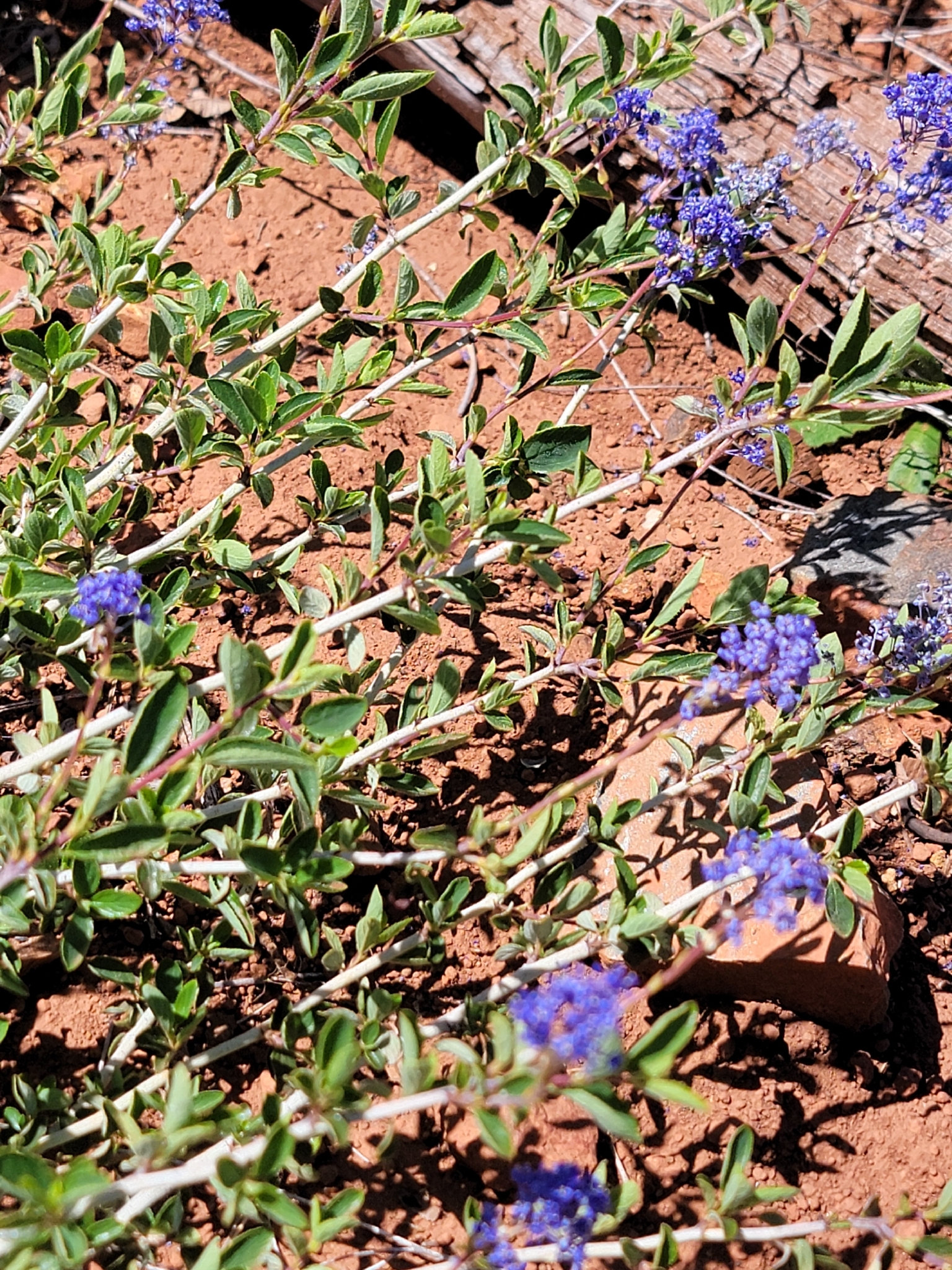
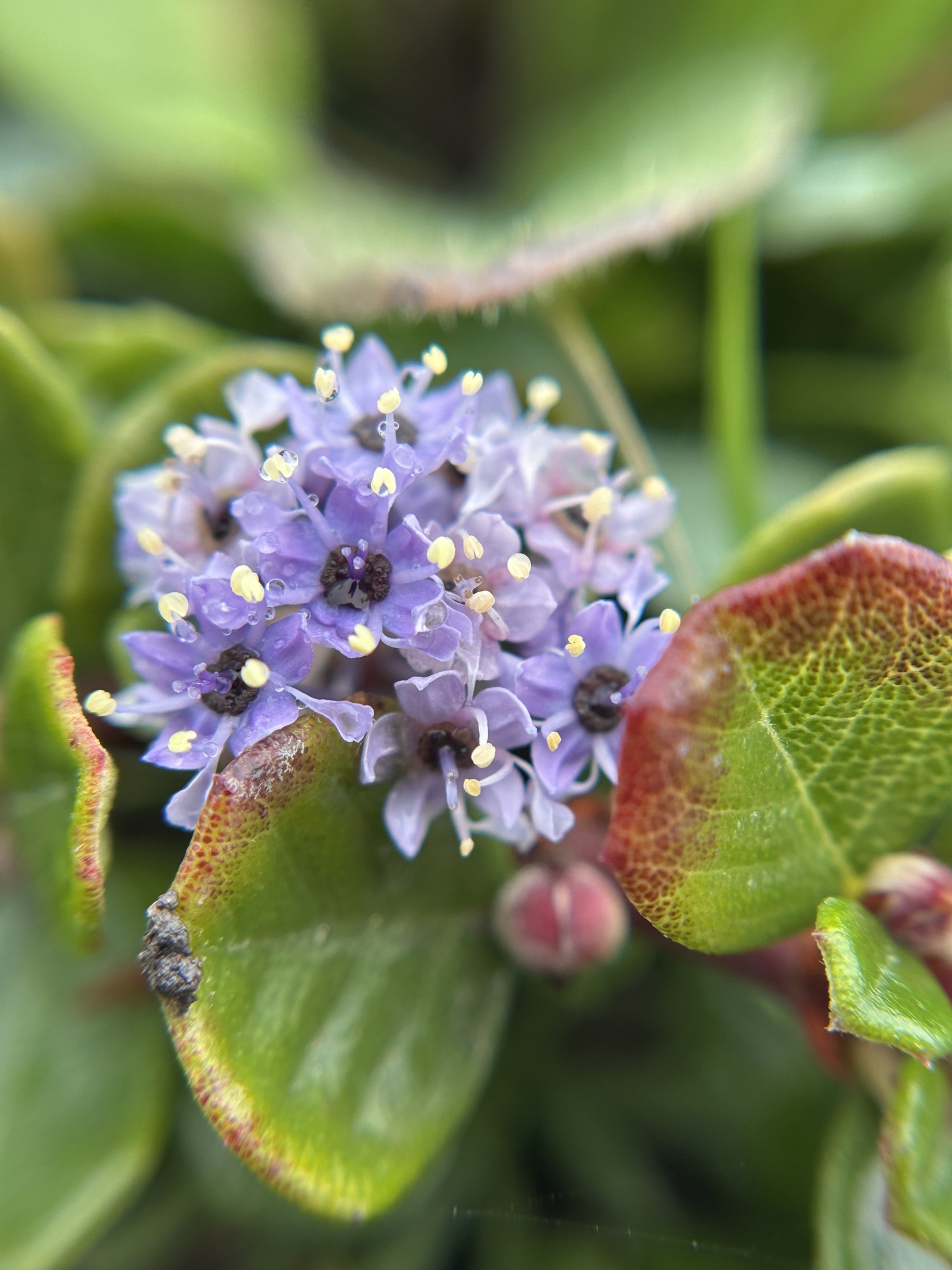
Blueblossom (Ceanothus thyrsiflorus) is a large evergreen shrub native to California, prized for its abundant clusters of bright blue flowers in spring.
At-a-glance light, water, soil, and growing conditions from plant data
Full sun to partial shade
75% intensity
Prefers at least six hours of direct sunlight per day for best flowering and growth. Tolerates some shade, especially in hotter climates, but flowering may be reduced.
Moderate, but drought-tolerant when established
50% intensity
Allow soil to dry out between waterings for mature plants. Water more frequently for young plants until established. Ensure good drainage to prevent root rot.
Well-drained, sandy loam
50% intensity
Moderate to warm
50% intensity
Thrives in mild to warm climates. It is generally hardy in USDA zones 8-10. Protect from prolonged freezing temperatures and extreme heat.
Low
25% intensity
Requires minimal feeding. If desired, use a balanced, slow-release fertilizer in spring. Avoid over-fertilizing, which can lead to weak growth and fewer blooms.
Safety information from plant toxicity data
| Attribute | Value |
|---|---|
| Toxic for humans | No 0/5 intensity |
| Toxic for pets | No 0/5 intensity |
| Edible | No |
None
Key traits and growing stats from plant data
Watering, pruning, propagation, and repotting details from plant data
Water young blueblossom plants regularly until established. Once mature, they are drought-tolerant and prefer infrequent watering, allowing the soil to dry out between waterings.
Overwatering can lead to root rot, so ensure good drainage.
Prune after flowering to maintain shape and size. Remove any dead, damaged, or crossing branches. Light pruning can encourage bushier growth. Avoid heavy pruning into old wood, as it may not regrow well.
This also helps in managing its natural, often sprawling, habit.
Propagate from semi-hardwood cuttings taken in summer. Use a rooting hormone and plant in a well-draining potting mix. Keep moist and in a warm location with bright, indirect light.
Success rates can vary, so take multiple cuttings to ensure a good yield.
Repot young plants every 1-2 years, preferably in spring. Choose a pot that is slightly larger than the current one and ensure it has adequate drainage holes.
Use a well-draining soil mix, such as a sandy loam or a cactus/succulent mix.
Identify plants like this with ePlant AI
Snap a photo to get care tips and match similar species on the go.
Monthly activity intensity for bloom and fruit across both hemispheres.
Flowering & fruiting calendar
Flowering & fruiting calendar
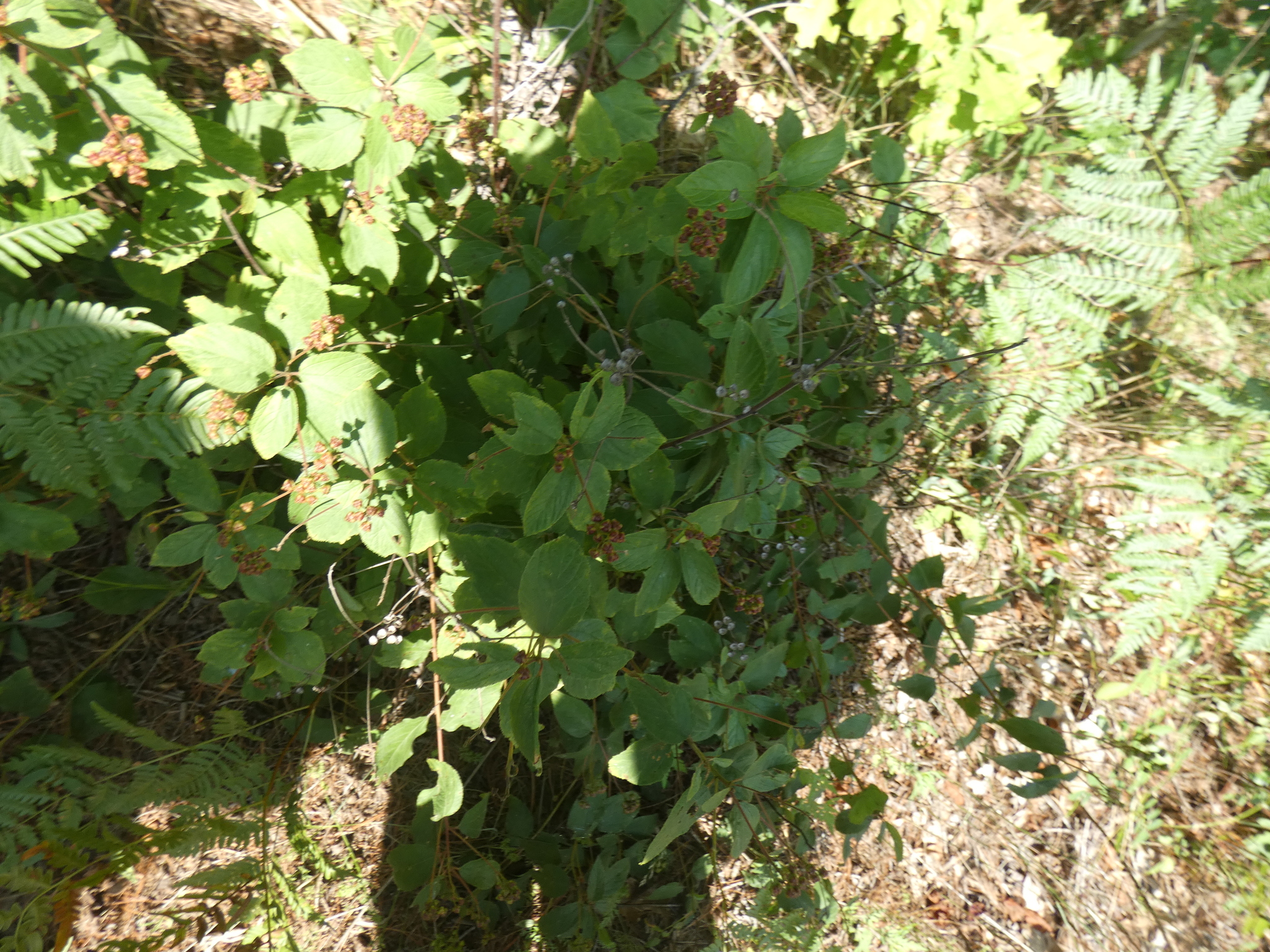
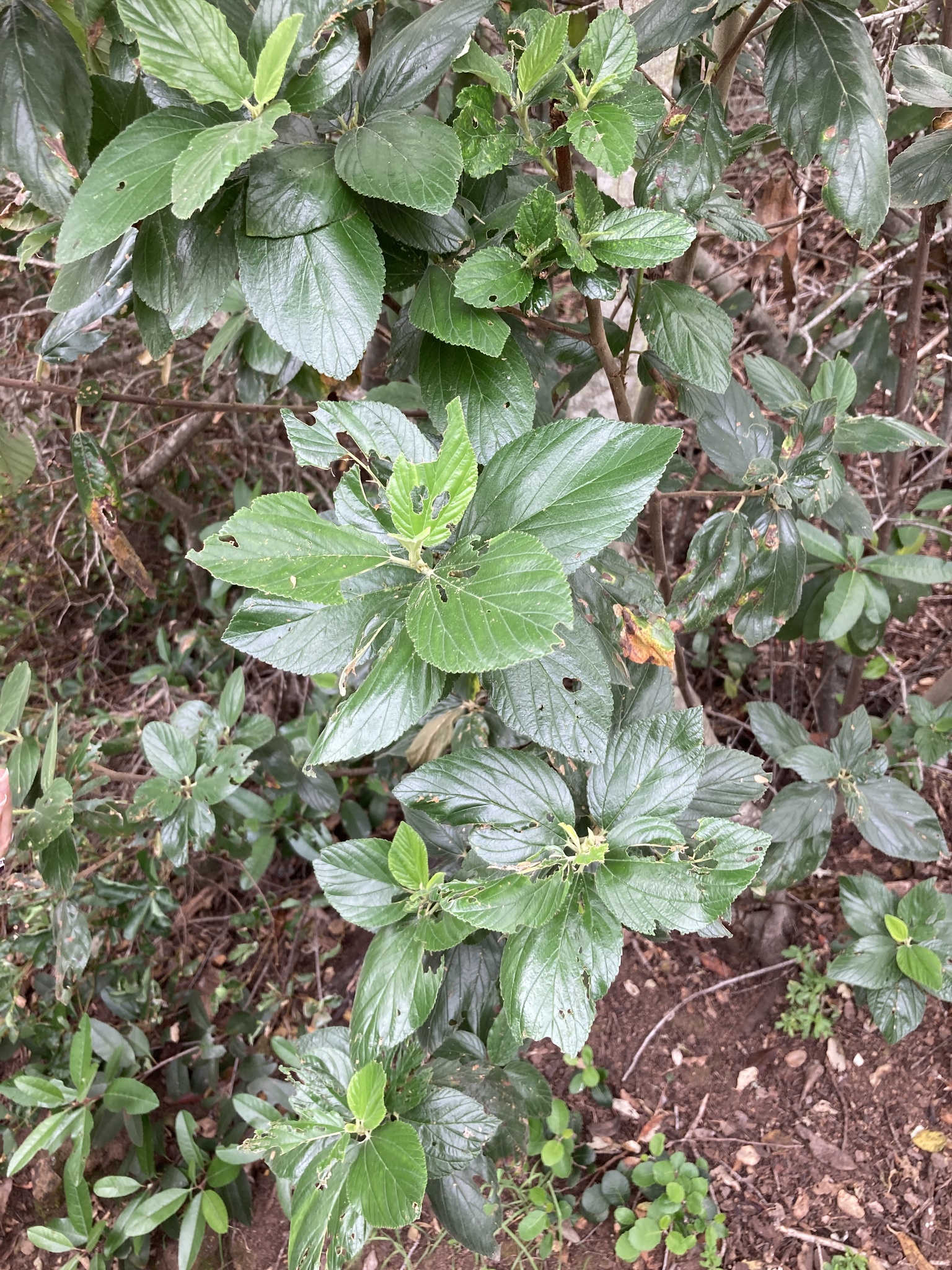
Photos of Blueblossom (Ceanothus thyrsiflorus)
Common names and botanical synonyms
Botanical classification
| Rank | Name |
|---|---|
| Kingdom | Plantae |
| Division | Tracheophyta |
| Class | Magnoliopsida |
| Order | Rosales |
| Family | Rhamnaceae |
| Genus | Ceanothus |
| Species | Ceanothus thyrsiflorus |
Similar in genus Ceanothus
Answers based on plant encyclopedia data