Water
Water thoroughly when the top 2-3 cm of soil feels dry. Avoid overwatering, as this can lead to root rot. Reduce watering frequency during the cooler, dormant winter months.
Ensure good drainage to prevent waterlogged conditions.
Also known as Brazilian Chemagadda · Brezilian Chemagadda
Safety note: This plant may be toxic to humans and pets. See toxicity details.
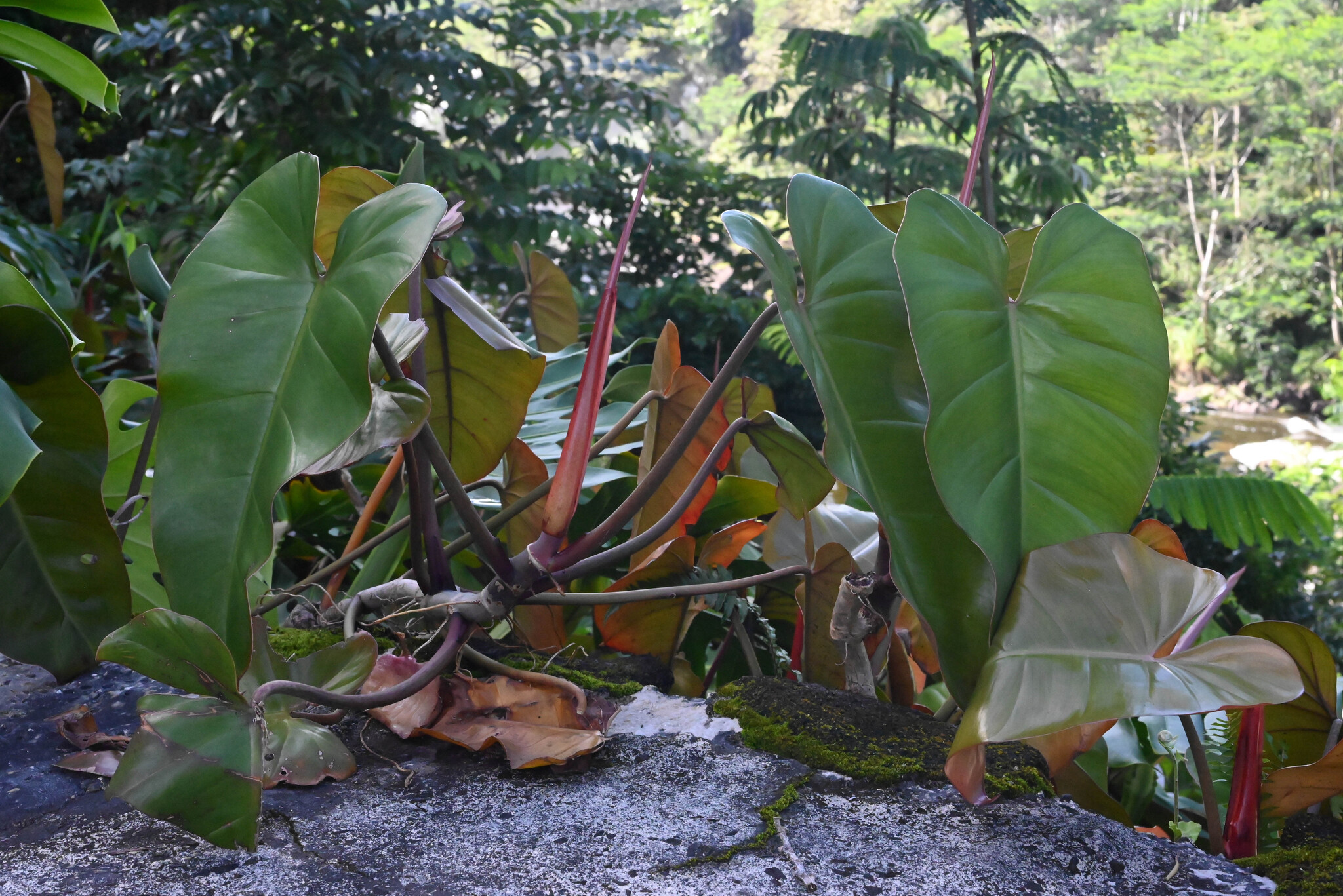
Philodendron squamiferum is a striking tropical plant known for its lobed leaves and fuzzy, red-brown petioles. It thrives in humid environments and bright, indirect ligh
At-a-glance light, water, soil, and growing conditions from plant data
Bright, indirect light
75% intensity
Avoid direct sunlight, which can scorch the leaves.
Keep soil moderately moist
50% intensity
Allow top inch of soil to dry out between waterings.
Well-draining potting mix
50% intensity
Average room temperature
50% intensity
Thrives between 18-24°C. Avoid cold drafts and sudden temperature fluctuations.
Indoor
50% intensity
Feed during growing season
50% intensity
Use a balanced liquid fertilizer diluted to half strength every 2-4 weeks from spring to summer.
Safety information from plant toxicity data
| Attribute | Value |
|---|---|
| Toxic for humans | Yes 5/5 intensity |
| Toxic for pets | Yes 5/5 intensity |
| Edible | No |
Toxic if ingested
Key traits and growing stats from plant data
Watering, pruning, propagation, and repotting details from plant data
Water thoroughly when the top 2-3 cm of soil feels dry. Avoid overwatering, as this can lead to root rot. Reduce watering frequency during the cooler, dormant winter months.
Ensure good drainage to prevent waterlogged conditions.
Prune to maintain desired shape and size, and to remove any yellowed or damaged leaves. Use clean, sharp scissors or pruning shears. Pruning can also encourage bushier growth.
Light pruning can be done anytime, while more significant pruning is best in spring.
Propagate by stem cuttings. Take cuttings of about 10-15 cm with at least one node. Remove lower leaves and plant in moist potting mix or root in water. Once roots have formed, transplant into a pot.
Repot every 2-3 years or when the plant becomes root-bound. Choose a pot that is one size larger than the current one. Use a well-draining potting mix. Repotting is best done in spring when the plant is actively growing.
Identify plants like this with ePlant AI
Snap a photo to get care tips and match similar species on the go.
Monthly activity intensity for bloom and fruit across both hemispheres.
Flowering & fruiting calendar
Flowering & fruiting calendar
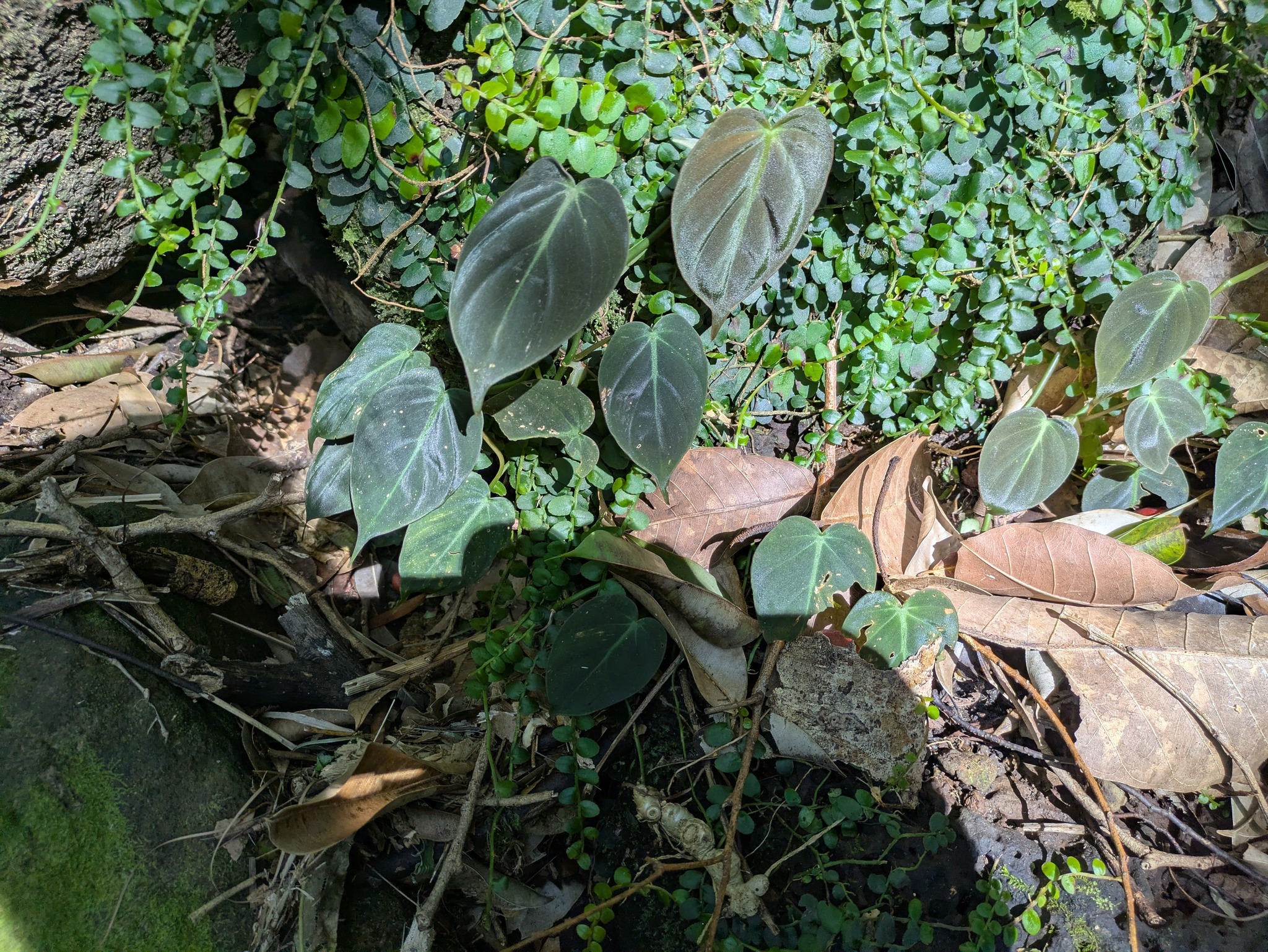
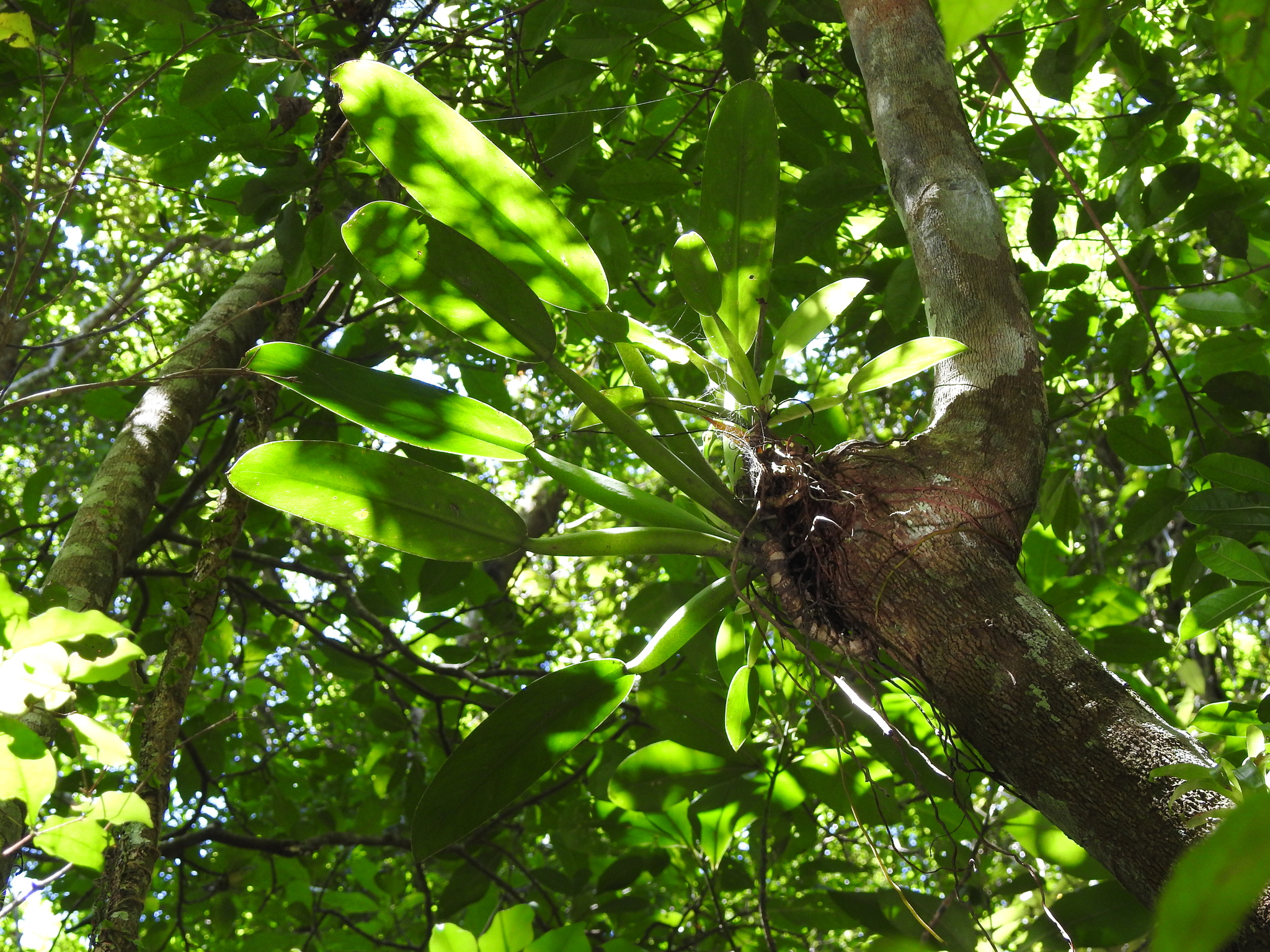
Photos of Philodendron Squamiferum (Philodendron squamiferum)
Where Philodendron Squamiferum (Philodendron squamiferum) is found

Density
Tap map to explore
Common names and botanical synonyms
Botanical classification
| Rank | Name |
|---|---|
| Kingdom | Plantae |
| Division | Tracheophyta |
| Class | Liliopsida |
| Order | Alismatales |
| Family | Araceae |
| Genus | Philodendron |
| Species | Philodendron squamiferum |
Similar in genus Philodendron
Answers based on plant encyclopedia data