Water
Water regularly, especially during dry periods, to maintain consistently moist soil. Avoid waterlogged conditions, as this can lead to root rot.
Deep watering is preferable to frequent shallow watering to encourage strong root development.
Also known as Bitter Dock · Blunt-Leaved Dock · Bluntleaf Dock
Safety note: This plant may be toxic to humans and pets. See toxicity details.
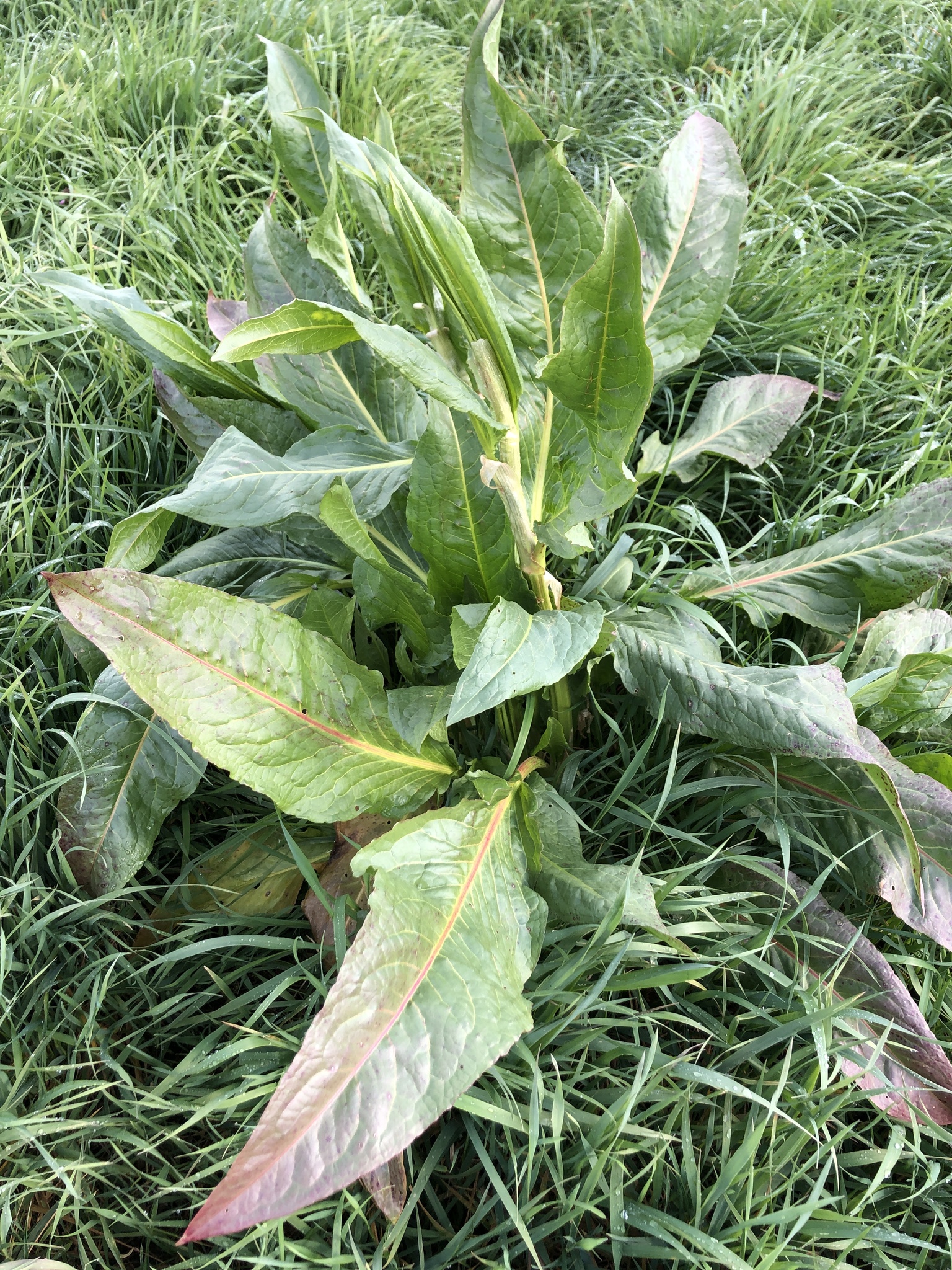
Broad-leaved dock (Rumex obtusifolius) is a perennial weed with large, basal leaves and tall flower spikes. It spreads aggressively by seed and rhizomes.
At-a-glance light, water, soil, and growing conditions from plant data
Full Sun to Partial Shade
50% intensity
Thrives in full sun but tolerates partial shade.
Consistent Moisture
50% intensity
Prefers consistently moist soil, but avoid waterlogging.
Adaptable, prefers moist, well-drained soils
50% intensity
Hardy
25% intensity
Tolerates a broad range of temperatures; frost-hardy.
Low Feed
25% intensity
Requires minimal fertilization; compost or balanced fertilizer if needed.
Safety information from plant toxicity data
| Attribute | Value |
|---|---|
| Toxic for humans | Yes 3/5 intensity |
| Toxic for pets | Yes 3/5 intensity |
| Edible | No |
Contains oxalates, which can cause irritation and stomach upset if ingested in large quantities.
Key traits and growing stats from plant data
Watering, pruning, propagation, and repotting details from plant data
Water regularly, especially during dry periods, to maintain consistently moist soil. Avoid waterlogged conditions, as this can lead to root rot.
Deep watering is preferable to frequent shallow watering to encourage strong root development.
Remove dead, damaged, or diseased foliage as needed. Cut back spent flower stalks to prevent self-seeding, which is crucial for managing its invasive potential.
Pruning can also be done to maintain a desired size and shape.
Easily propagated by division of clumps in spring or autumn. Seeds can also be sown directly outdoors in autumn or early spring. Allow plants to go to seed if naturalized, but be mindful of its aggressive spread.
Established plants are generally not repotted and prefer to be left undisturbed. If a specimen becomes too large or is grown in a container, repot in early spring into a larger pot with fresh, well-draining soil.
Identify plants like this with ePlant AI
Snap a photo to get care tips and match similar species on the go.
Monthly activity intensity for bloom and fruit across both hemispheres.
Flowering & fruiting calendar
Flowering & fruiting calendar
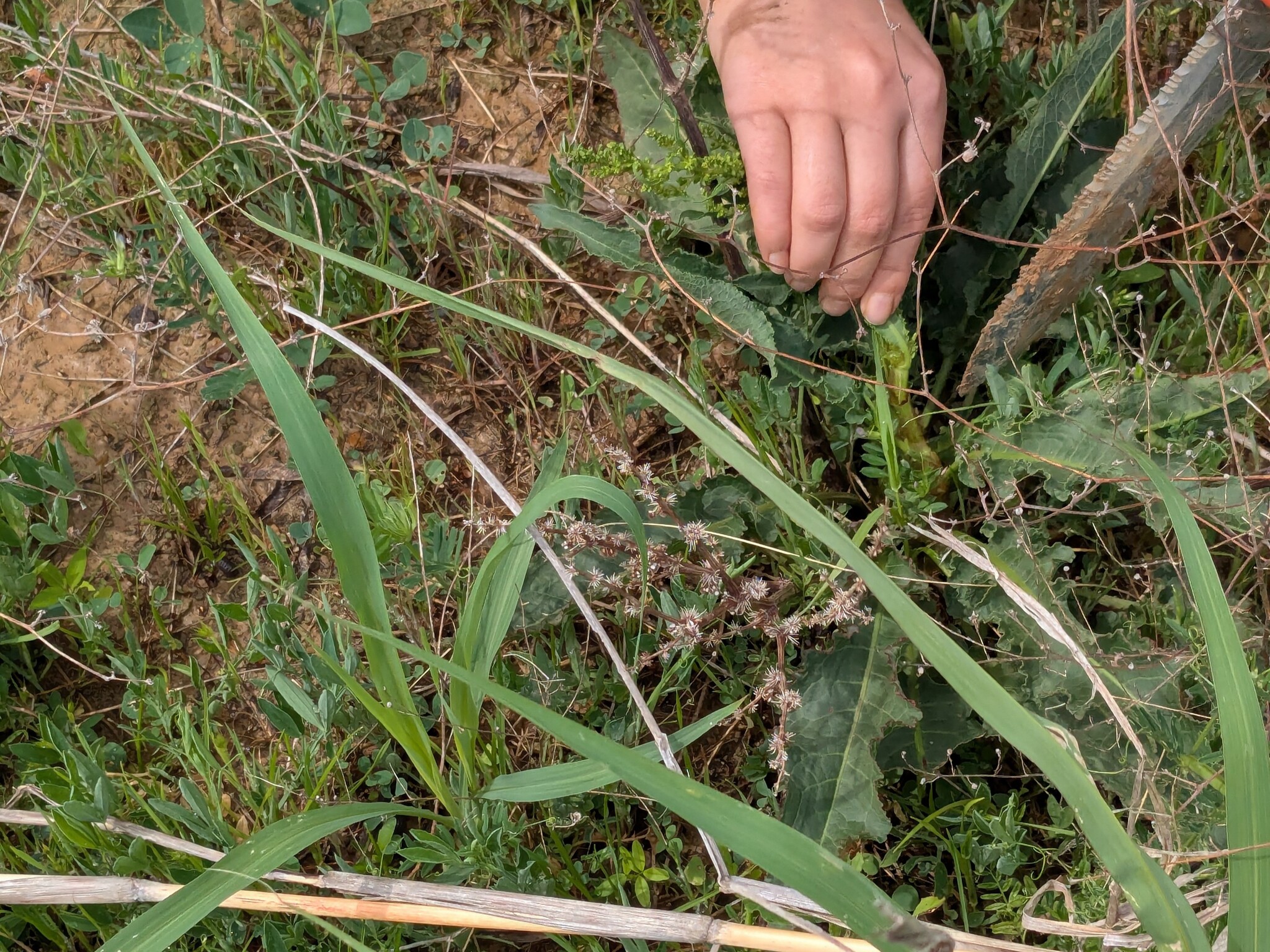
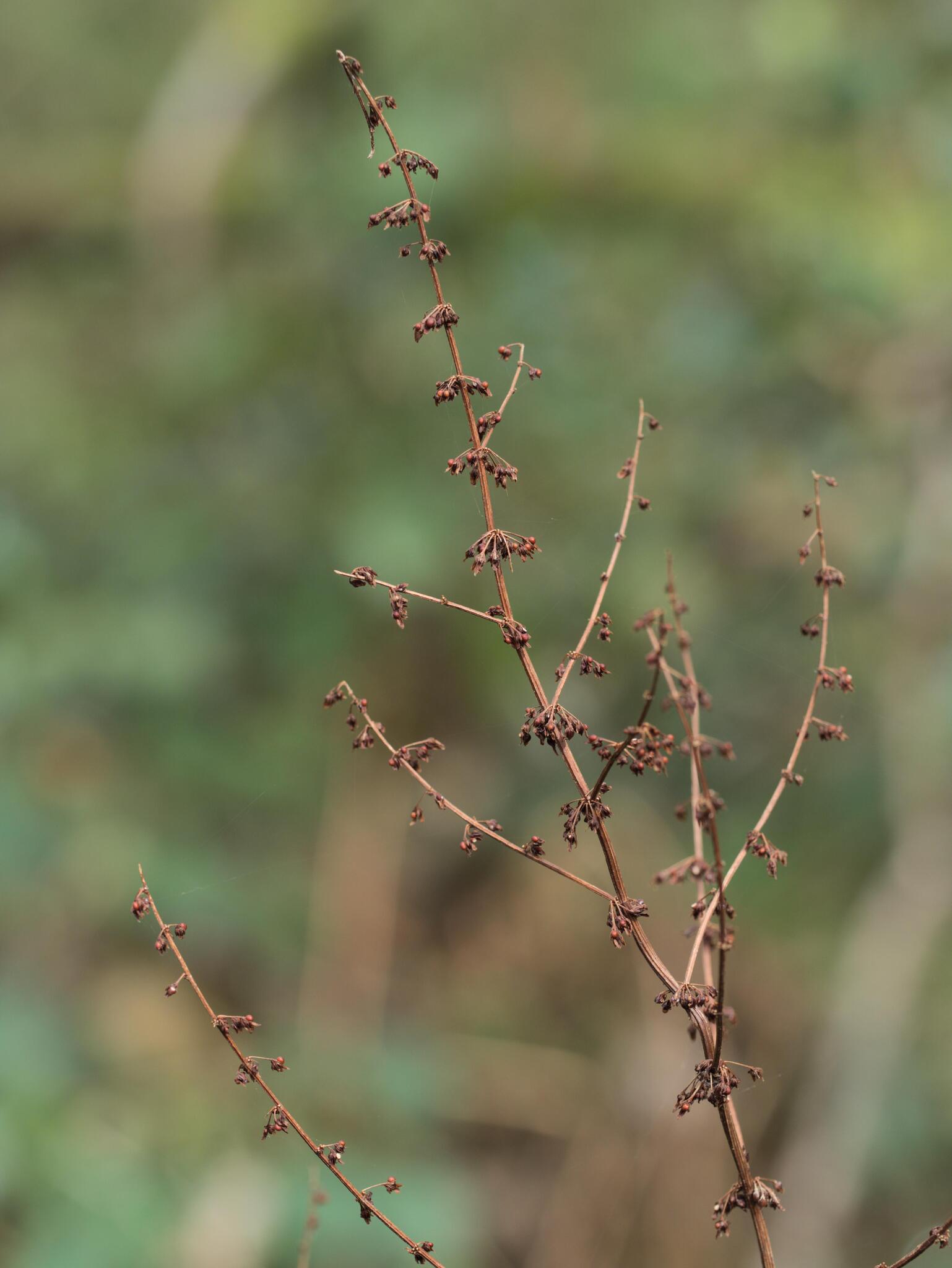
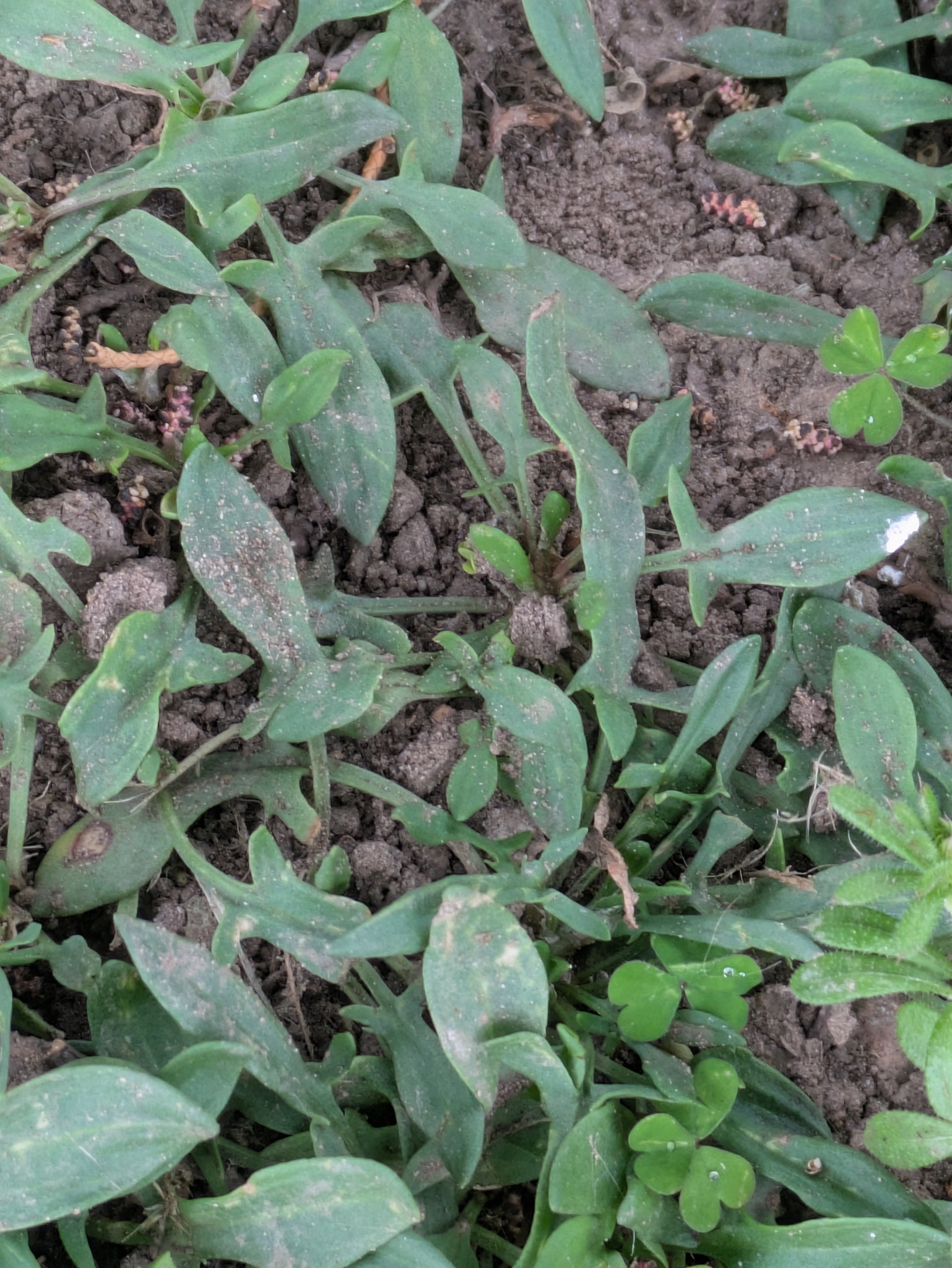
Photos of Broad-Leaved Dock (Rumex obtusifolius)
Where Broad-Leaved Dock (Rumex obtusifolius) is found

Density
Tap map to explore
Common names and botanical synonyms
Botanical classification
| Rank | Name |
|---|---|
| Kingdom | Plantae |
| Division | Tracheophyta |
| Class | Magnoliopsida |
| Order | Caryophyllales |
| Family | Polygonaceae |
| Genus | Rumex |
| Species | Rumex obtusifolius |
Similar in genus Rumex
Answers based on plant encyclopedia data