Water
Keep the soil consistently moist, especially during the active growing season. Avoid waterlogging, as this can lead to root rot.
Reduce watering significantly once the foliage begins to yellow and die back in late spring or early summer.
Also known as Yellow Wood Anemone · Yellow Woodland Anemone
Safety note: This plant may be toxic to humans and pets. See toxicity details.
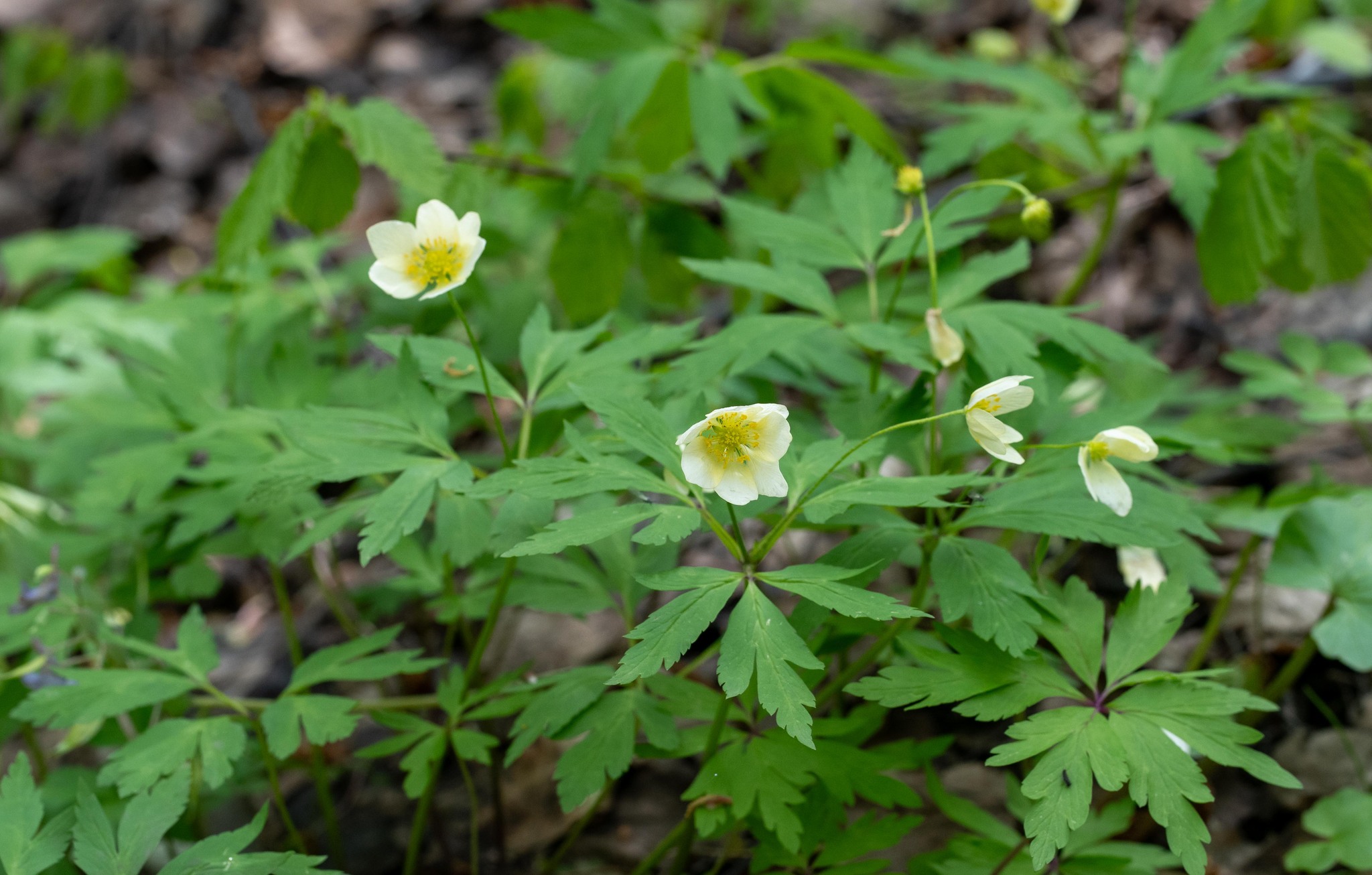
Yellow Anemone (Anemonoides ranunculoides) is a charming spring ephemeral native to Europe, featuring bright yellow, buttercup-like flowers.
At-a-glance light, water, soil, and growing conditions from plant data
Partial Shade
50% intensity
Thrives in dappled sunlight or partial shade, especially under deciduous trees.
Consistent Moisture
50% intensity
Prefers moist soil but requires good drainage.
Well-drained, humus-rich
50% intensity
Cool to Moderate
50% intensity
Prefers cooler temperatures during its active growing season and dormancy in heat.
Light Feeding
25% intensity
Benefits from a light feeding in spring, or enriched soil.
Safety information from plant toxicity data
| Attribute | Value |
|---|---|
| Toxic for humans | Yes 4/5 intensity |
| Toxic for pets | Yes 4/5 intensity |
| Edible | No |
Contains ranunculin, which can cause skin irritation and gastrointestinal upset if ingested.
Key traits and growing stats from plant data
Watering, pruning, propagation, and repotting details from plant data
Keep the soil consistently moist, especially during the active growing season. Avoid waterlogging, as this can lead to root rot.
Reduce watering significantly once the foliage begins to yellow and die back in late spring or early summer.
Pruning is generally not required for Anemonoides ranunculoides. Remove any dead or unsightly foliage in late spring or early summer after the plant has completed its flowering and leaf-out cycle.
This helps maintain a tidy appearance and prevents disease.
Propagate by division of tubers in autumn or early spring before new growth appears. Seeds can also be sown in autumn, but germination may be erratic and slow.
Divisions establish more quickly and reliably than seedlings.
Repotting is typically done when dividing tubers in autumn or early spring. If grown in pots, repot every 2-3 years to refresh the soil and provide more space as the clumps expand. Ensure good drainage in the new pot.
Identify plants like this with ePlant AI
Snap a photo to get care tips and match similar species on the go.
Monthly activity intensity for bloom and fruit across both hemispheres.
Flowering & fruiting calendar
Flowering & fruiting calendar
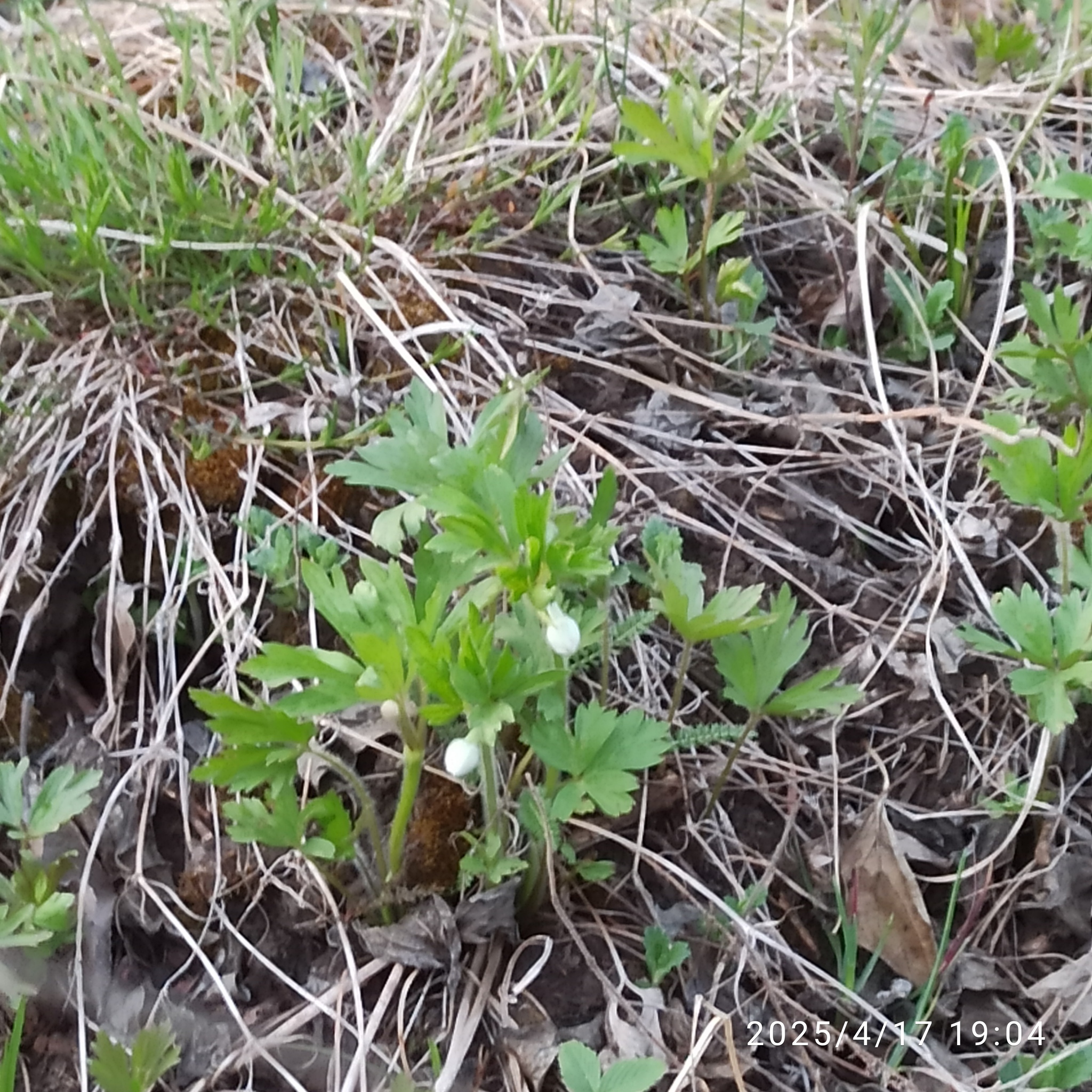
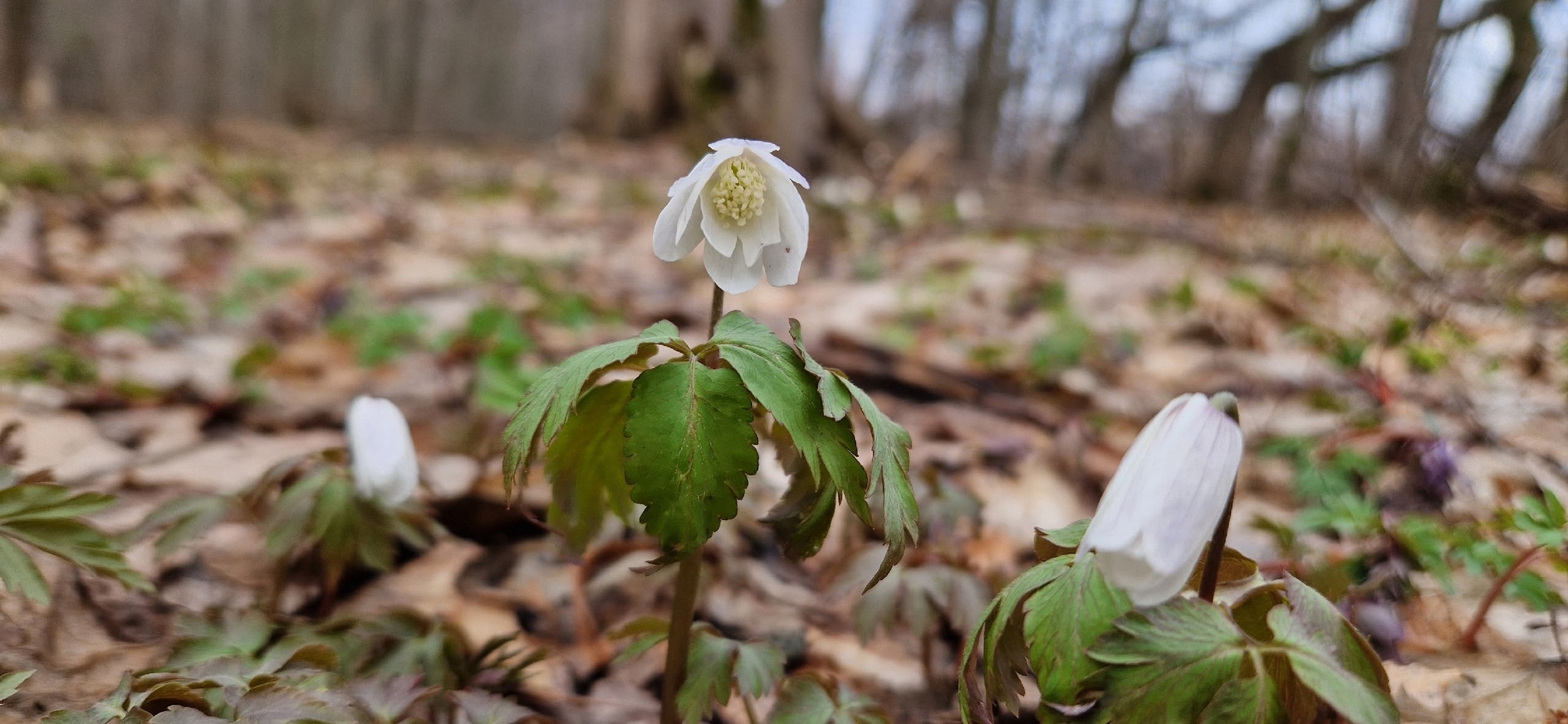
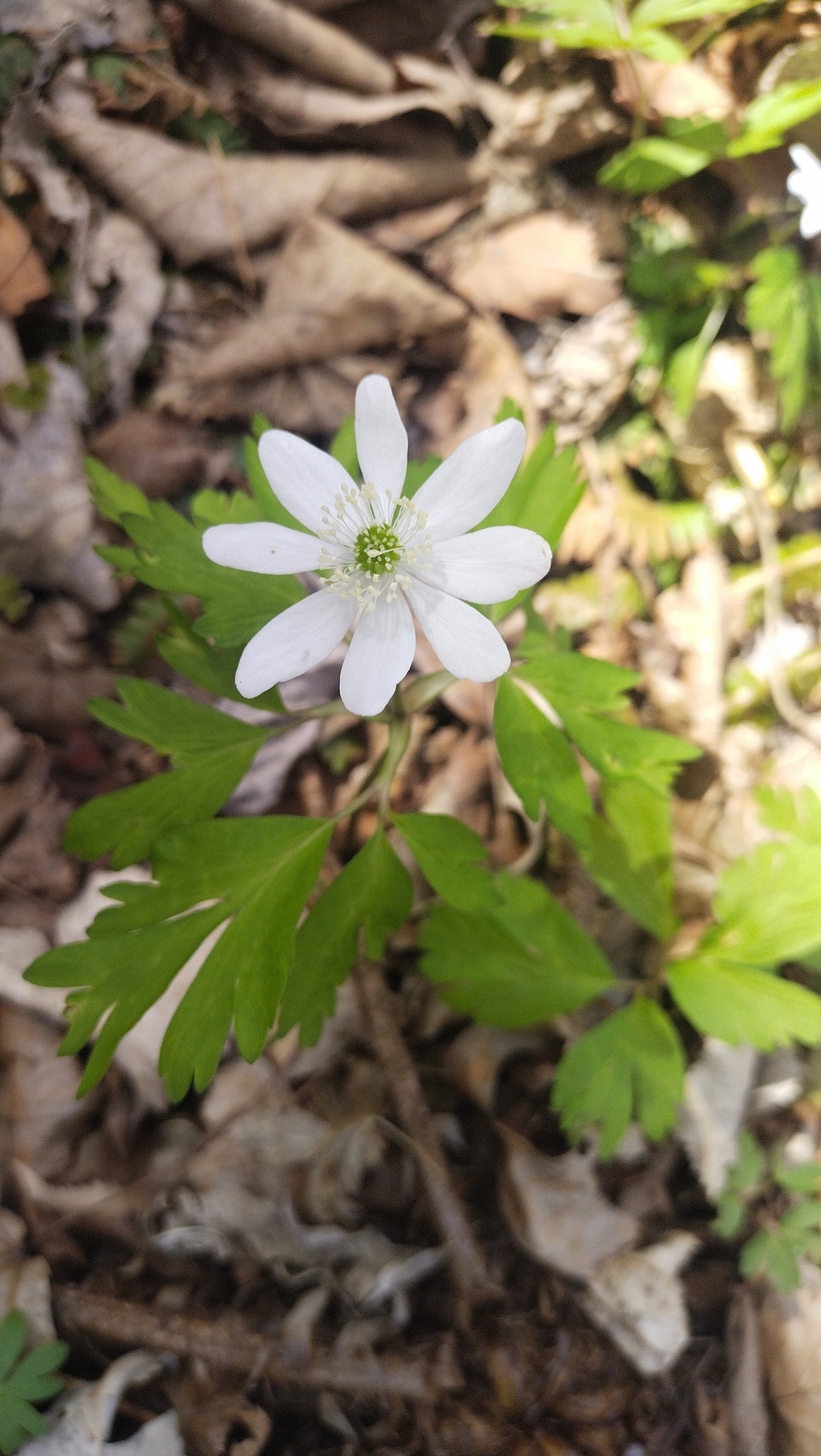
Photos of Yellow Anemone (Anemonoides ranunculoides)
Common names and botanical synonyms
Botanical classification
| Rank | Name |
|---|---|
| Kingdom | Plantae |
| Division | Tracheophyta |
| Class | Magnoliopsida |
| Order | Ranunculales |
| Family | Ranunculaceae |
| Genus | Anemonoides |
| Species | Anemonoides ranunculoides |
Similar in genus Anemonoides
Answers based on plant encyclopedia data