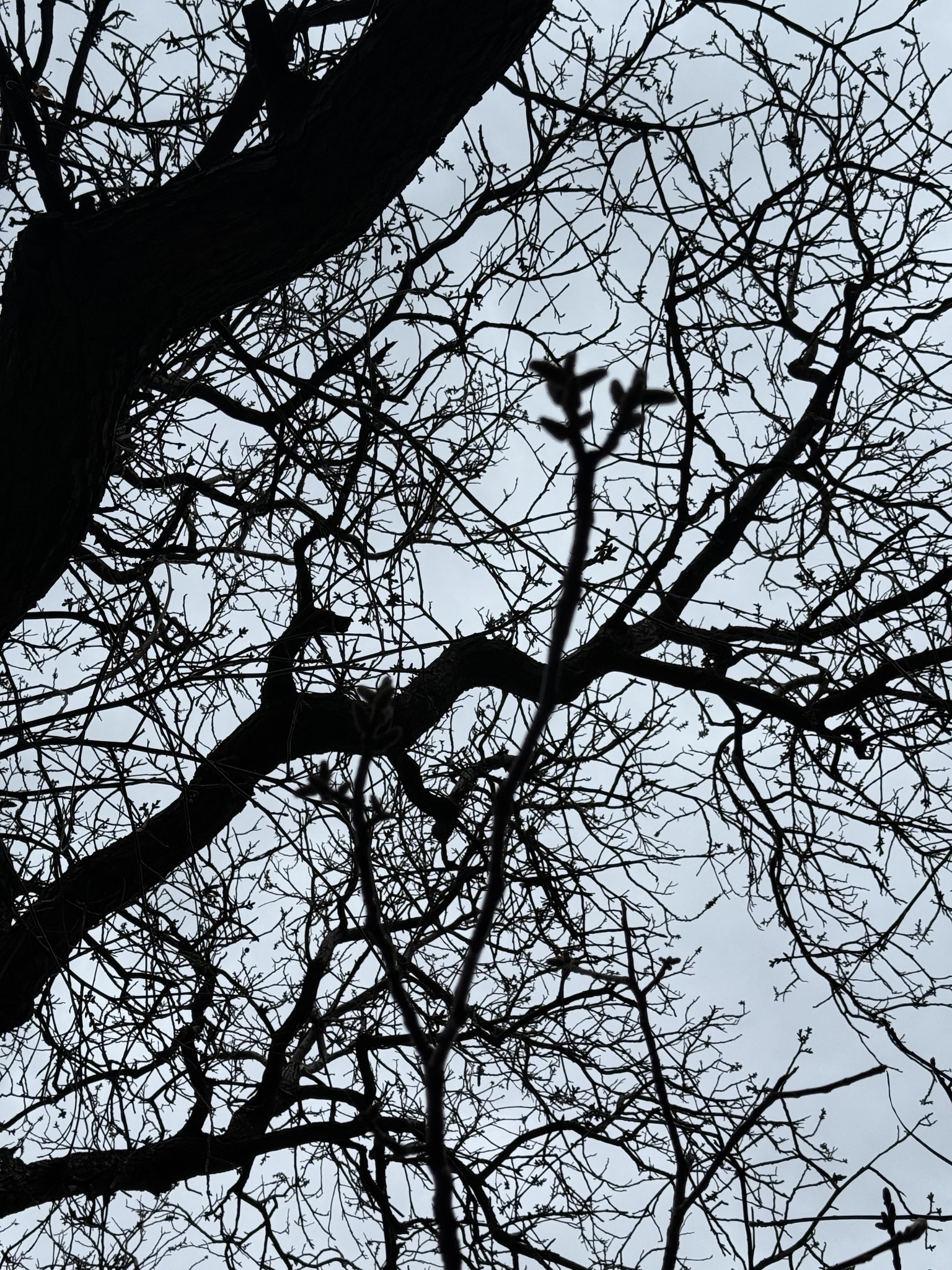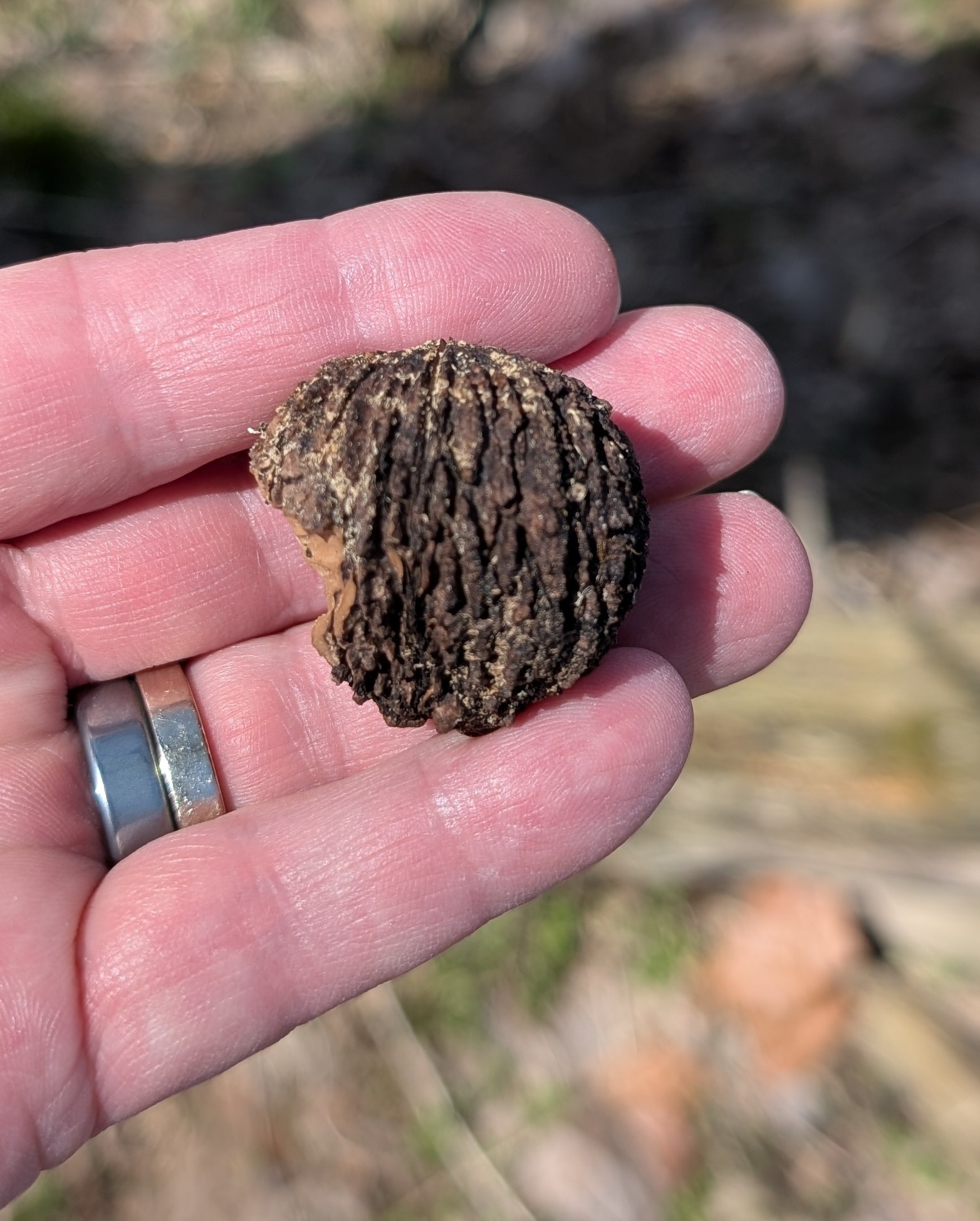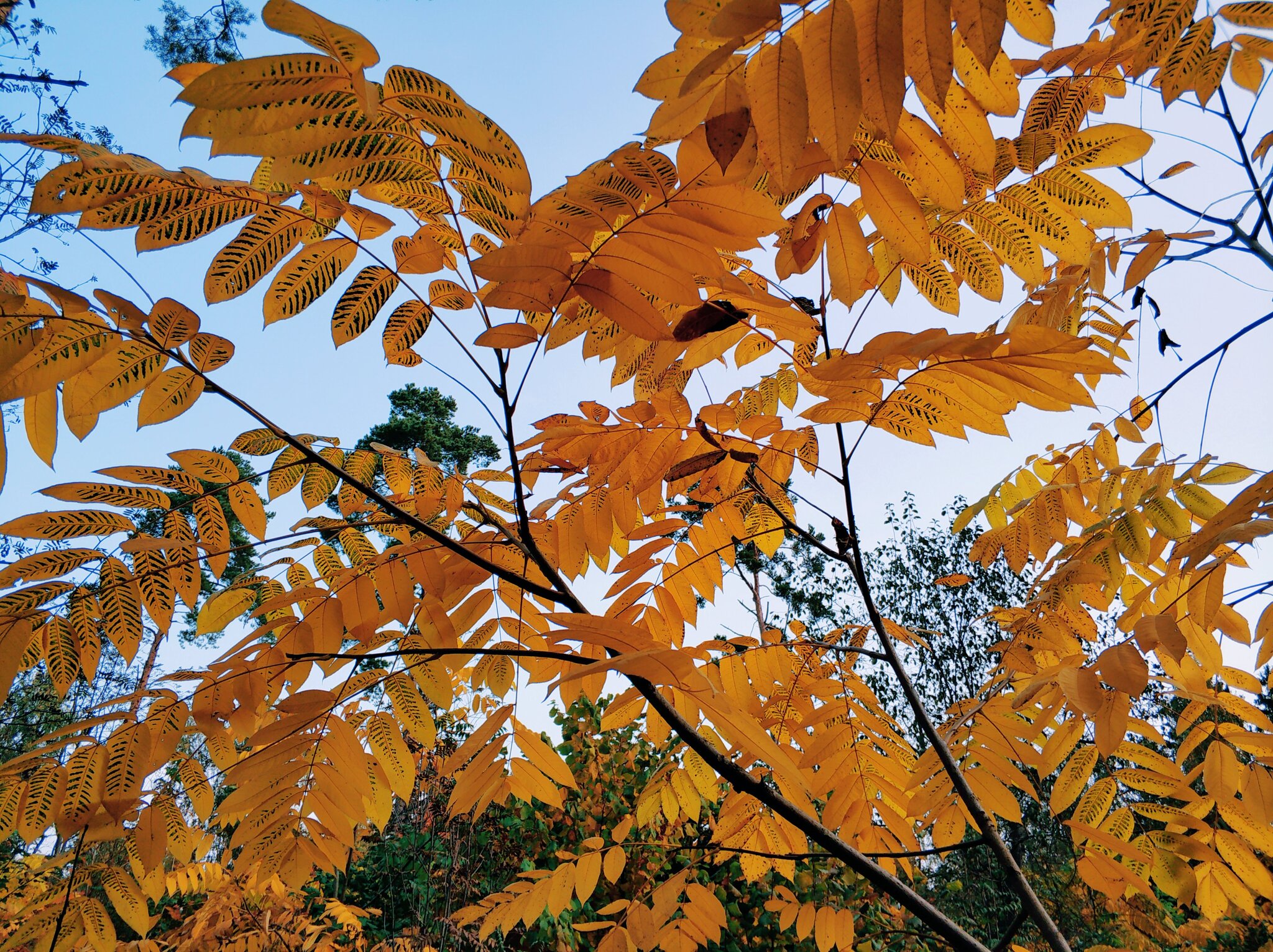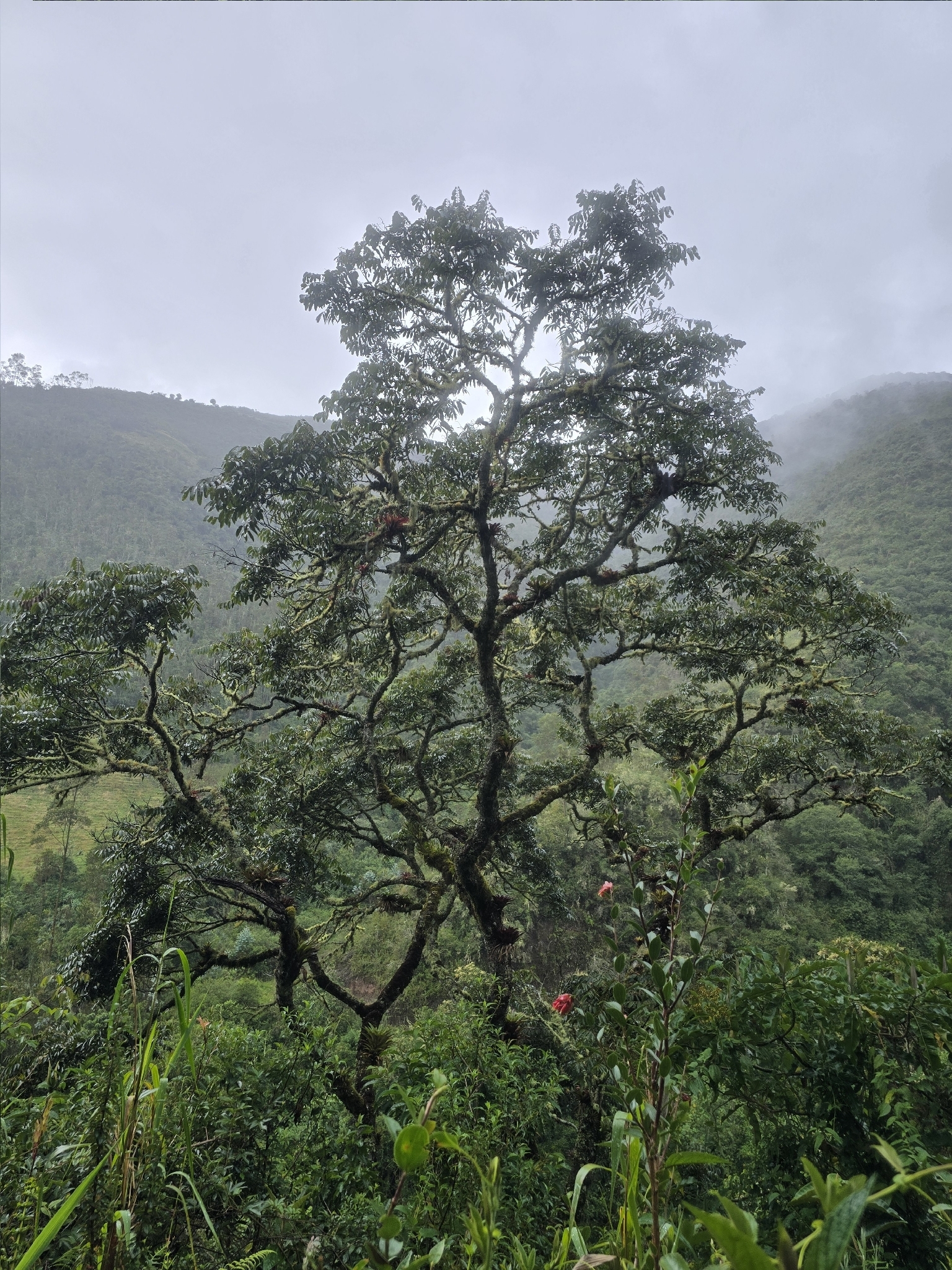
Butternut (Juglans cinerea) is a deciduous tree native to eastern North America, known for its edible nuts and distinctive furrowed bark. It is a medium to large tree with a spreading crown.
Above information is sourced from Wikipedia
Sunlight
Prefers full sun to partial shade. Thrives in open areas.
Watering
Water regularly, especially during establishment and dry periods. Ensure good drainage.
Soil
Adaptable to various soils but prefers moist, well-drained, fertile loams. Tolerates slightly acidic to alkaline conditions.
Temperature
Grows best in moderate temperatures, tolerating a range from 15-25°C.
Habitat
Outdoor
Fertilizer
Fertilize in early spring with a balanced fertilizer or compost.
Prefers full sun to partial shade. Thrives in open areas.
Water regularly, especially during establishment and dry periods. Ensure good drainage.
Adaptable to various soils but prefers moist, well-drained, fertile loams. Tolerates slightly acidic to alkaline conditions.
Grows best in moderate temperatures, tolerating a range from 15-25°C.
Outdoor
Fertilize in early spring with a balanced fertilizer or compost.
Avoid over-fertilizing.
Plant Type
Tree
Plant Category
Fruit
Plant Place Type
Ground
Plant Environment
Outdoor
Lifespan
Perennials
Plant Height
15-25 m
Spread
10-15 m
Growth Rate
Medium
Dormancy
Deciduous
Leaf Color
Green
Leaf Type
Compound
Toxic for humans
No
Rating: 0/5
Toxic for pets
No
Rating: 0/5
Edible
Yes
The bark, leaves, and husks contain juglone, which can be toxic to some plants and animals, but the nut meat is edible.