Crassula Pellucida Indoor Succulent Care Guide | ePlant AI
Crassula Pellucida (Crassula pellucida)
Crassula pellucida, a charming succulent, features delicate, translucent leaves often tinged with red. It thrives in bright, indirect light and well-draining soil.
Crassula pellucida, commonly known as Crassula pellucida, is a captivating succulent species belonging to the Crassulaceae family. This plant is recognized for its delicate appearance and its ability to thrive in arid conditions, making it a popular choice for succulent enthusiasts and rock garden designs. Its scientific name, Crassula pellucida, directly references its translucent or "pellucid" leaves, a key characteristic that distinguishes it within its genus.
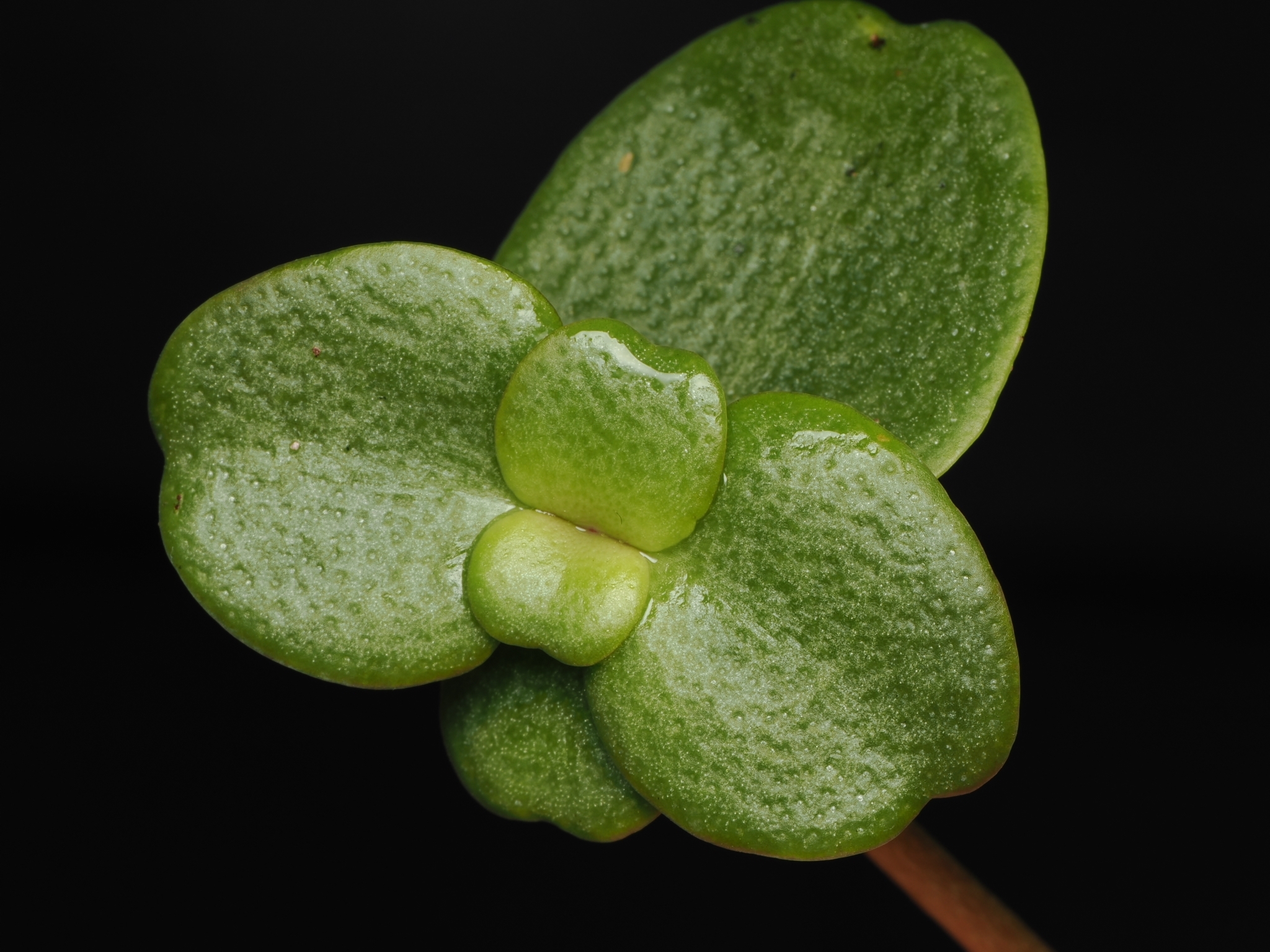
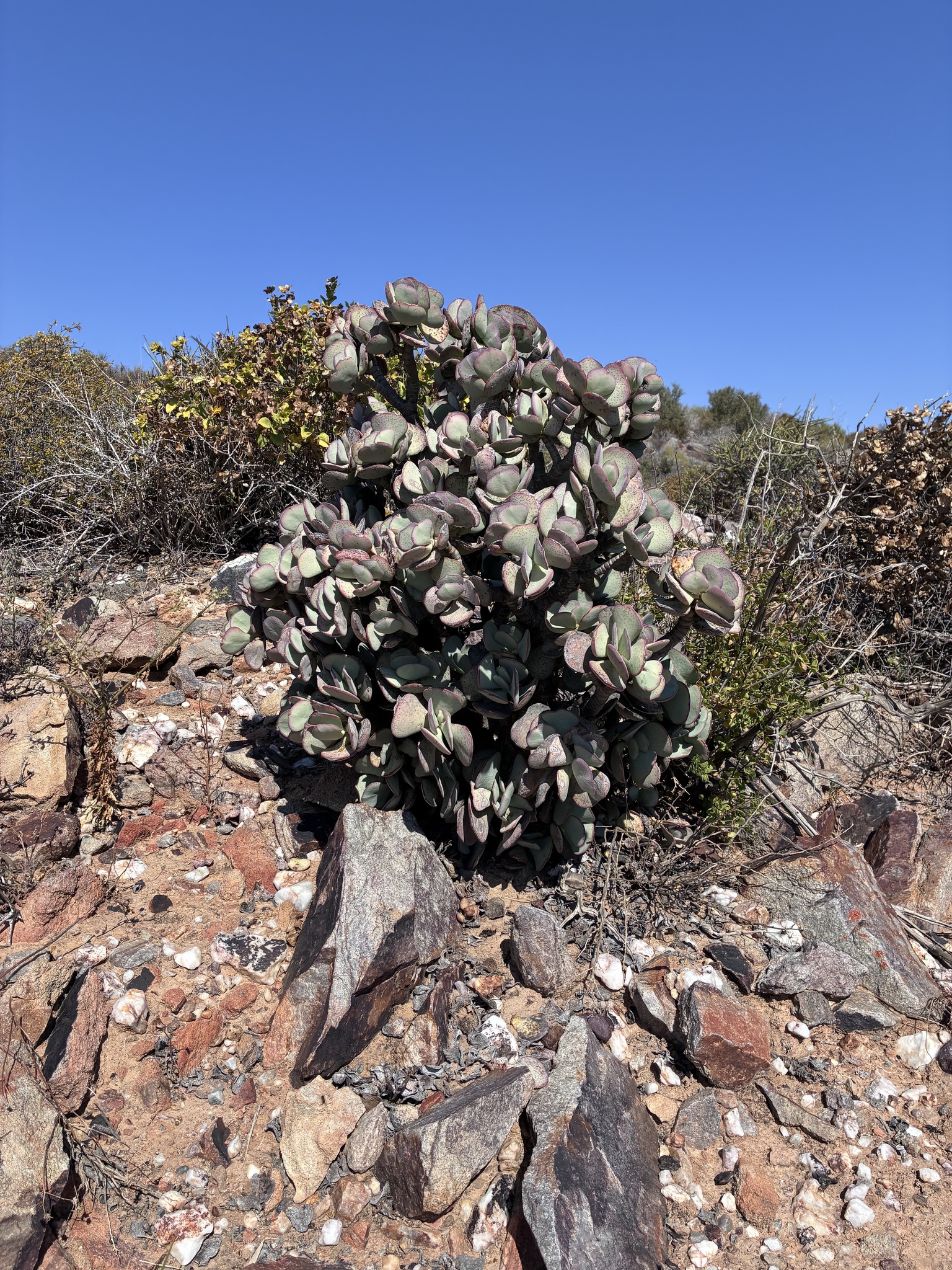
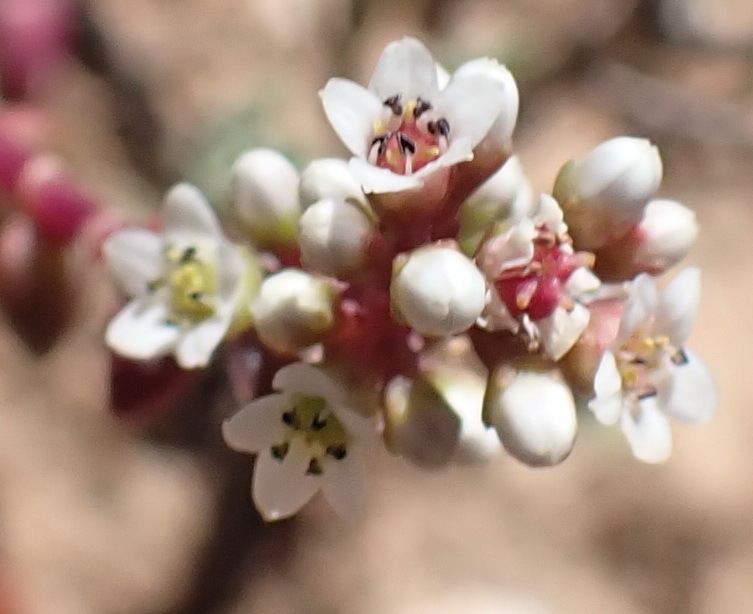
Physically, Crassula pellucida exhibits a trailing or creeping growth habit, forming dense mats of foliage that can spread outwards. The stems are slender and often reddish, rooting readily where they touch the soil. The leaves are the most striking feature, typically ovate to triangular in shape, with a flattened profile and a somewhat translucent quality. They are usually arranged oppositely along the stem and can range in color from green to reddish-brown, often developing more intense coloration when exposed to ample sunlight. The leaf margins are frequently finely toothed or crenulate. During its blooming period, Crassula pellucida produces small, star-shaped flowers that are typically white or pale pink. These inflorescences are borne on slender stalks that rise above the foliage, adding a touch of ephemeral beauty to the plant. Following flowering, small seed capsules develop, containing minute seeds.
The native distribution of Crassula pellucida is primarily within South Africa, where it is found in rocky outcrops and dry, open habitats. It prefers well-drained soils and thrives in sunny to partially shaded locations. In cultivation, Crassula pellucida is relatively easy to grow, provided its essential needs are met. It requires excellent drainage, making it ideal for succulent or cactus potting mixes. Overwatering is a common pitfall, and the plant should be allowed to dry out between waterings. It is moderately drought-tolerant once established. While it can tolerate some frost, it is best protected from prolonged freezing temperatures, making it a suitable candidate for container gardening in cooler climates, allowing it to be brought indoors during winter. Propagation is straightforward, with stem cuttings readily rooting, and it can also be grown from seed.
Crassula pellucida holds ornamental value due to its attractive foliage and delicate flowers, making it a popular addition to succulent collections, hanging baskets, and rock gardens. Its low-growing, spreading habit also makes it an effective groundcover in suitable environments. Ecologically, like other succulents, it plays a role in its native habitat by contributing to ground cover and providing a food source or habitat for small invertebrates. No significant agricultural, medicinal, or culinary uses are widely documented for this specific species.
An interesting characteristic of Crassula pellucida is its ability to adapt its leaf coloration in response to environmental conditions, particularly light intensity. This physiological response can serve as a visual indicator of the plant's health and the adequacy of its growing conditions. The translucent nature of its leaves is thought to be an adaptation that allows light to penetrate deeper into the leaf tissue, potentially aiding in photosynthesis in its native, often exposed, habitats.
Prefers bright, indirect sunlight. Can tolerate some direct morning sun. Avoid intense afternoon sun which can scorch leaves.
Watering
Drought Tolerant
Allow soil to dry out completely between waterings. Reduce in winter.
Soil
Well-draining succulent or cactus mix
Temperature
Average Room Temperature
Prefers temperatures between 18-24°C during the day. Can tolerate slightly cooler temperatures (10-13°C) in winter for dormancy.
Habitat
Indoor, Outdoor
Fertilizer
Light Feeder
Fertilize sparingly with a diluted balanced liquid fertilizer during the growing season only.
Plant Overview
Plant Type
Succulent
Plant Category
Ornamental
Plant Place Type
Pot, Garden
Plant Environment
Indoor, Outdoor
Lifespan
Perennial
Plant Height
0.1-0.3 m
Spread
0.3-0.6 m
Growth Rate
Moderate
Dormancy
None
Leaf Color
Green, Red
Leaf Type
Fleshy
Flower Size
Small
Optimal Sunlight Lux
7000
Image Gallery
Flowering & Fruiting Cycles
Monthly activity intensity for bloom and fruit across both hemispheres.
Northern hemisphere
Flowering & fruiting calendar
Peak bloom · AprPeak fruit · Jun
FloweringFruiting
Southern hemisphere
Flowering & fruiting calendar
Peak bloom · AugPeak fruit · Aug
FloweringFruiting
Synonyms
Gomara pellucida (L.) P.V.Heath
Taxonomy
kingdomPlantae
divisionTracheophyta
classMagnoliopsida
orderSaxifragales
familyCrassulaceae
genusCrassula
speciesCrassula pellucida
Toxicity
Toxic for humans
No
Rating: 0/5
Toxic for pets
No
Rating: 0/5
Edible
No
None
Additional Care Tips
Allow soil to dry out completely between waterings. Overwatering is the most common cause of death. Reduce watering significantly during winter dormancy. Ensure pots have drainage holes to prevent waterlogging, which can lead to root rot.
Prune to maintain shape and encourage bushier growth. Remove any leggy or etiolated stems by cutting them back to a healthy node. Deadheading spent flowers also helps direct energy into new growth and can prevent self-seeding if undesirable.
Easily propagated from stem cuttings. Allow cuttings to callus for a few days before planting in well-draining soil. Rooting typically occurs within a few weeks. Division of established clumps is also an effective method during repotting.
Repot every 2-3 years or when the plant outgrows its pot, preferably in spring. Use a well-draining succulent or cactus mix. Choose a pot slightly larger than the current one, ensuring adequate drainage holes.
FAQs
What type of soil does Crassula pellucida prefer?
Crassula pellucida thrives in a well-draining soil mix, such as a cactus or succulent potting mix, to prevent waterlogging.
How much light does Crassula pellucida need?
This succulent prefers bright, indirect light. Direct, intense sunlight can scorch its delicate leaves.
How often should I water Crassula pellucida?
Water thoroughly when the soil has dried out completely. Overwatering is a common cause of root rot.
Can Crassula pellucida be propagated?
Yes, Crassula pellucida can be easily propagated from stem cuttings or leaf cuttings. Allow cuttings to dry for a few days before planting.
Is Crassula pellucida toxic to pets?
Crassula pellucida is generally considered non-toxic to cats and dogs, but it's always best to prevent pets from ingesting any plants.