Water
Water regularly, especially during establishment, but allow the soil to dry slightly between waterings. Once established, it tolerates drought well. Overwatering can lead to root rot, so ensure good drainage.
Reduce watering in winter.
Also known as California Sea Lavender · California Sealavender · Marsh Rosemary
Western Marsh Rosemary (Limonium californicum) is a resilient perennial known for its vibrant purple-pink flower clusters, thriving in coastal salt marshes and saline soi
At-a-glance light, water, soil, and growing conditions from plant data
Full Sun
100% intensity
Prefers at least 6-8 hours of direct sunlight daily for best flowering and growth.
Moderate to Low
50% intensity
Allow soil to dry slightly between waterings. Tolerant of drought once established. Good drainage is crucial.
Sandy, Loam, Clay
50% intensity
Moderate
50% intensity
Prefers average garden temperatures. Hardy in USDA zones 8-11. Protect from extreme cold and frost.
Low
25% intensity
Does not require frequent fertilization. Use a balanced, slow-release fertilizer sparingly in spring if needed.
Safety information from plant toxicity data
| Attribute | Value |
|---|---|
| Toxic for humans | No 0/5 intensity |
| Toxic for pets | No 0/5 intensity |
| Edible | No |
Key traits and growing stats from plant data
Watering, pruning, propagation, and repotting details from plant data
Water regularly, especially during establishment, but allow the soil to dry slightly between waterings. Once established, it tolerates drought well. Overwatering can lead to root rot, so ensure good drainage.
Reduce watering in winter.
Prune after flowering to remove spent flower stalks, which encourages reblooming and maintains a tidy appearance. Deadhead regularly throughout the season.
Heavy pruning can be done in late winter or early spring before new growth begins to shape the plant.
Propagate from seed sown in early spring, either indoors or directly outdoors after the last frost. Stratification may improve germination rates.
Cuttings can also be taken from semi-hardwood in summer, though this method is less common and can be more challenging.
Repot only when necessary, typically every 2-3 years, as Limonium californicum prefers to be slightly root-bound. Choose a pot with excellent drainage. Repot in spring before new growth begins.
Handle the roots gently to minimize disturbance.
Identify plants like this with ePlant AI
Snap a photo to get care tips and match similar species on the go.
Monthly activity intensity for bloom and fruit across both hemispheres.
Flowering & fruiting calendar
Flowering & fruiting calendar
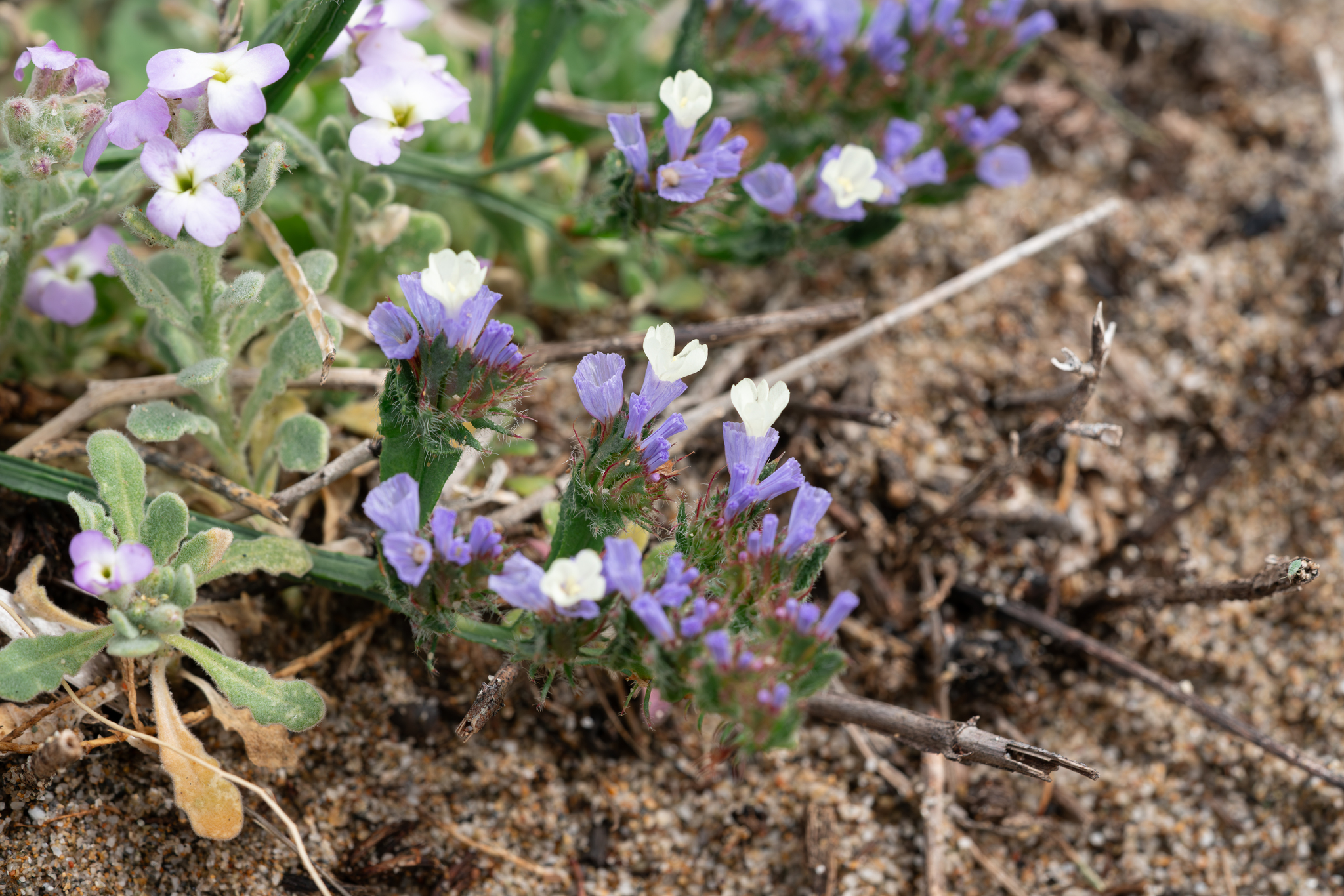
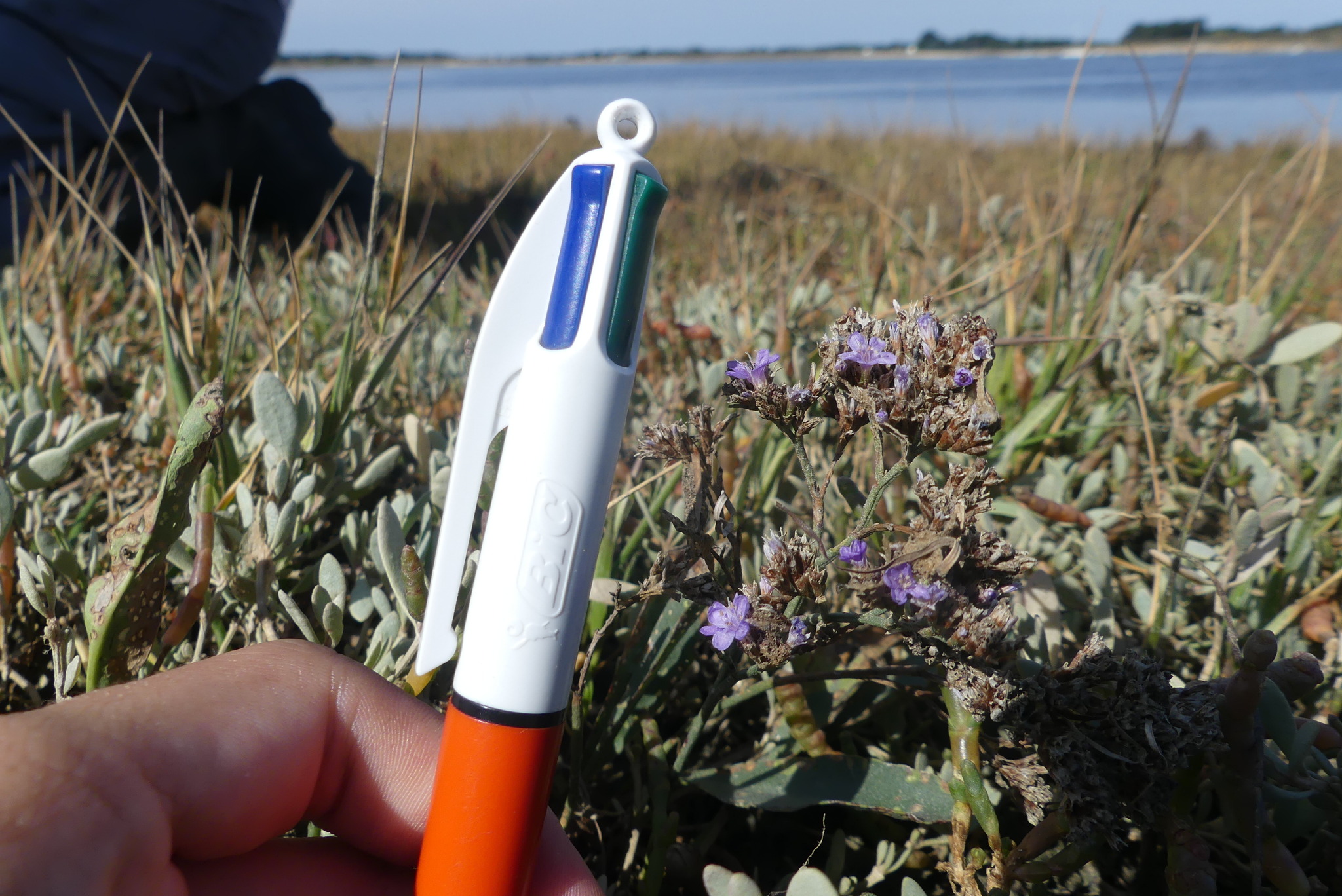
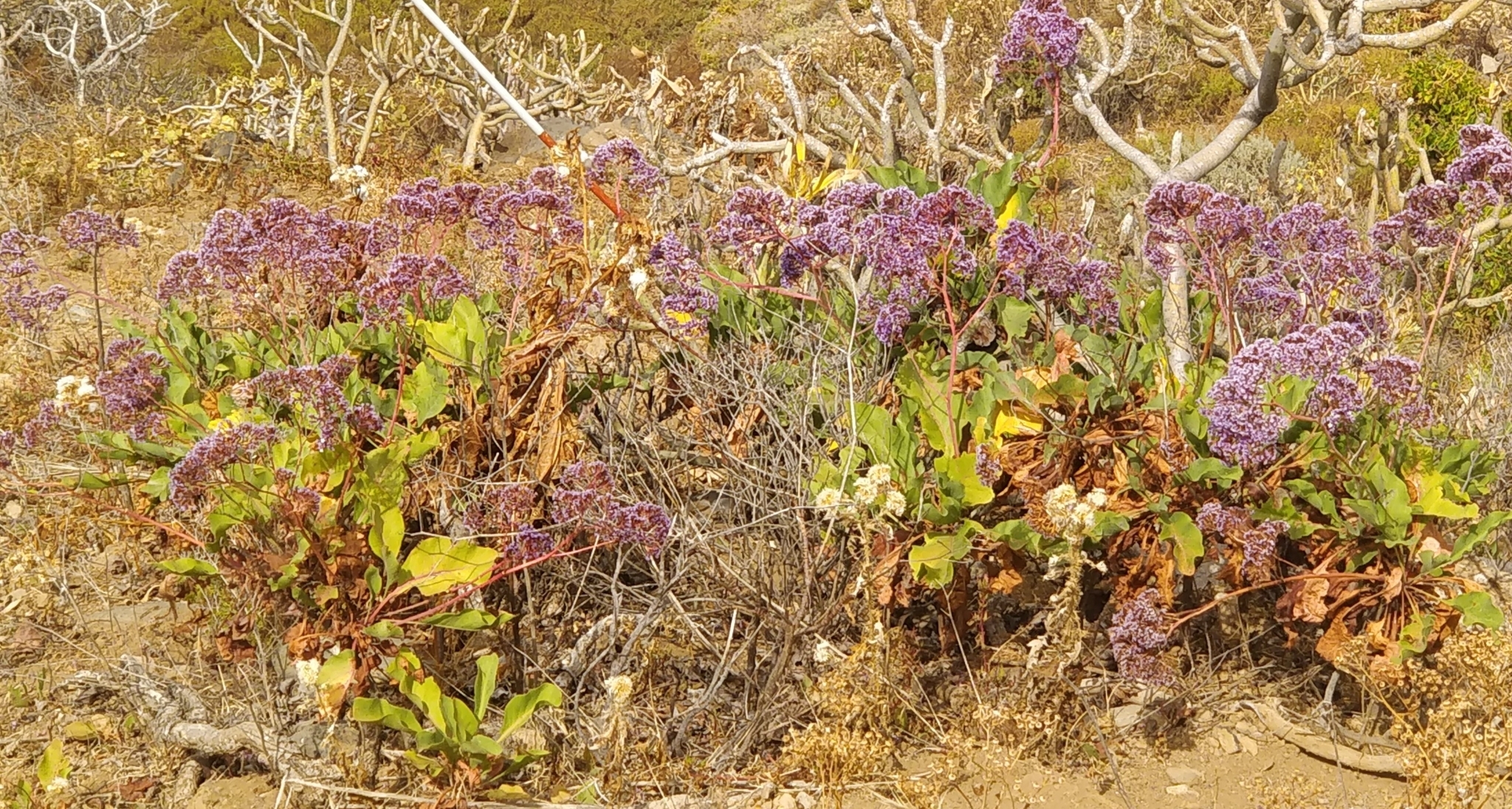
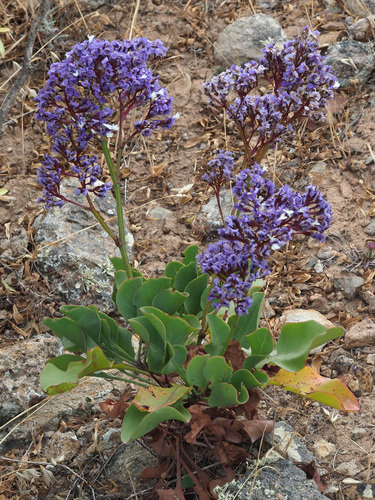
Photos of Western Marsh Rosemary (Limonium californicum)
Common names and botanical synonyms
Botanical classification
| Rank | Name |
|---|---|
| Kingdom | Plantae |
| Division | Tracheophyta |
| Class | Magnoliopsida |
| Order | Caryophyllales |
| Family | Plumbaginaceae |
| Genus | Limonium |
| Species | Limonium californicum |
Similar in genus Limonium
Answers based on plant encyclopedia data